






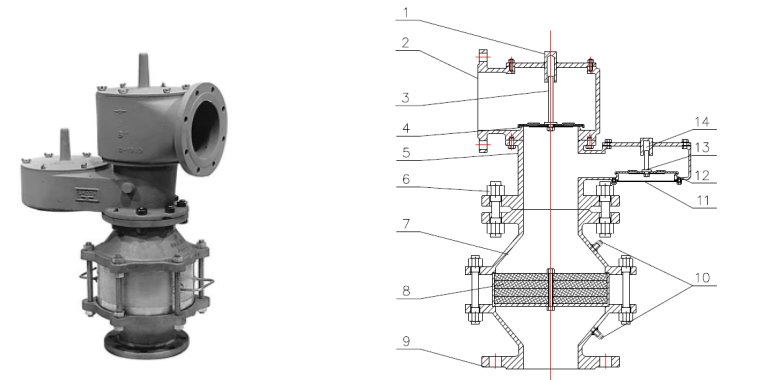
Part Description:
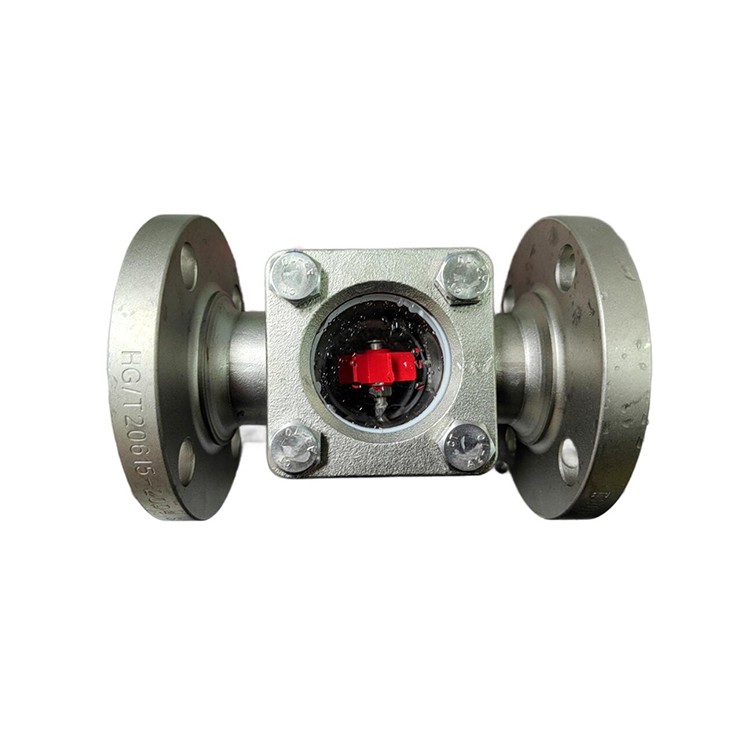
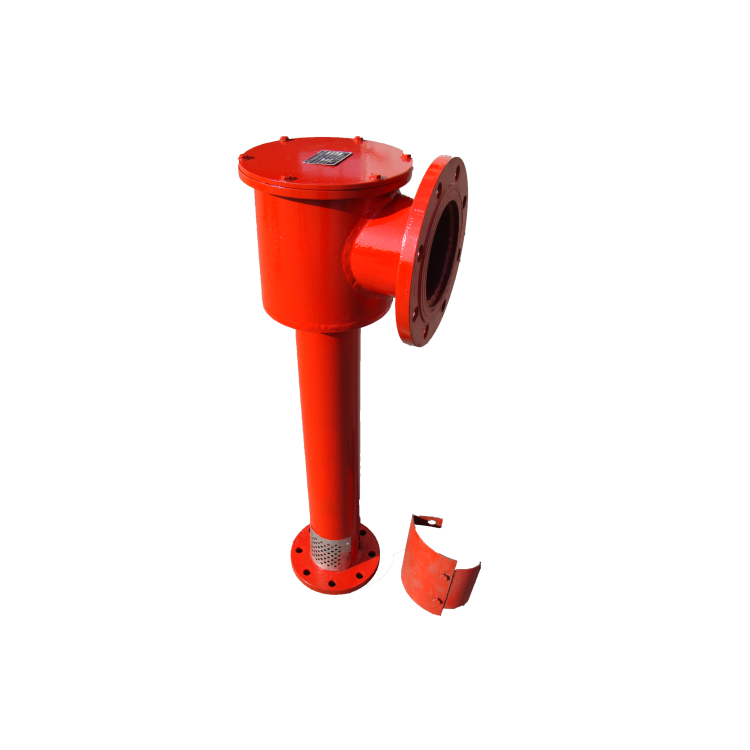
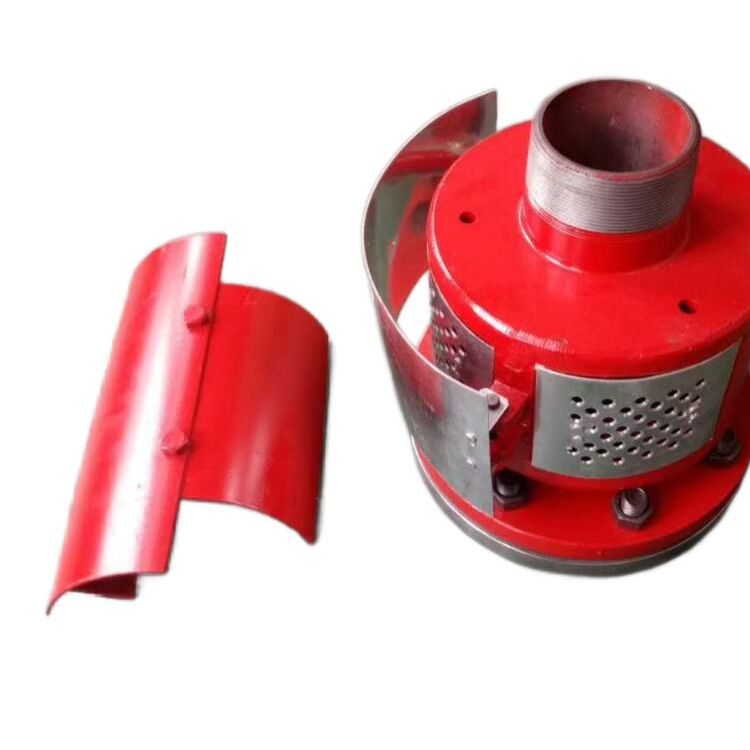
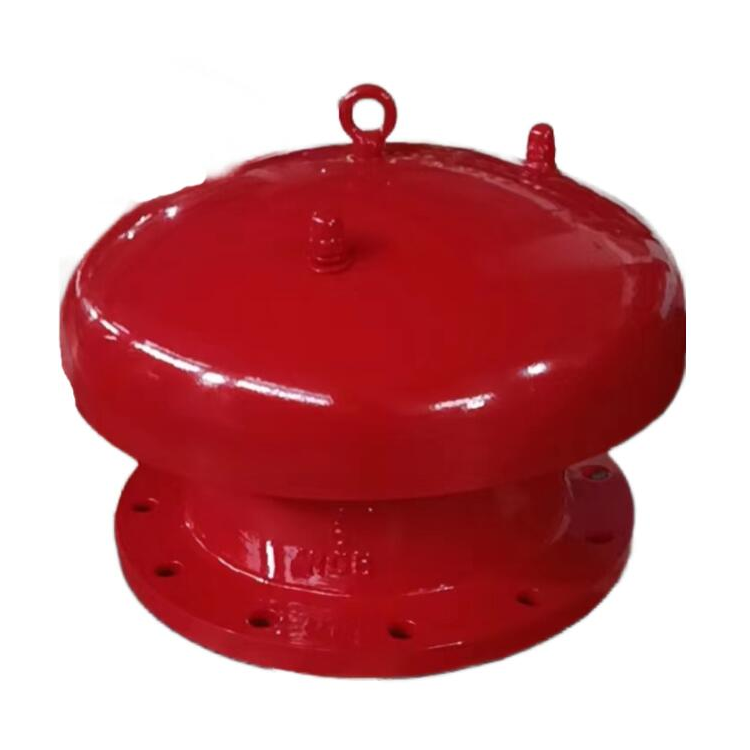
1. Limiting sleeve rod; 2. Exhaust outlet flange; 3. Positive pressure valve rod disk; 4. Positive pressure valve seat; 5. Breathing valve body; 6. Fasteners; 7. Flame arrester valve body; 8. Flame arrester element; 9. Connecting flange; 10. Blow-off port; 11. Dust filter; 12. Negative pressure valve seat; 13. Negative pressure valve rod disk; 14. Valve cover.
I. Product Introduction
AD1220+GZJI type fire suppression breathing valve with exhaust conduit is used for storing flammable and explosive materials in atmospheric storage tanks. It is a safety device that combines a storage tank fire arrester with a breathing valve equipped with an exhaust conduit.
It maintains the pressure in atmospheric storage tanks at a normal state, reducing evaporation losses of volatile liquids inside the tanks and protecting them from damage due to overpressure or vacuum; also, it prevents the introduction of open flames into the tank through the breathing valve, which could lead to tank explosion.
The AD1220+GZJI type fire-retardant breathing valve with call-out conduit is a new product designed for tank media that is toxic and polluted. Its feature is that exhaust gas can be discharged into the recovery pipeline.
Compared to the commonly used breathing valves in China, these have a larger air volume, reduced flame arrester pressure, and operate as separate valve cavities with overpressure and negative vacuum, offering better stability and are often used in large-scale storage and transportation projects.
Section II: Working Principle
When the internal pressure of the cylinder falls below the negative vacuum setting of the breathing valve, atmospheric pressure lifts the vacuum valve disk, injecting air into the cylinder to prevent further pressure drop, thus avoiding the collapse of the storage tank or equipment.
When the pressure of the gas inside the can exceeds the exhaust pressure setting of the breathing valve, the pressure valve is lifted by the gas, allowing the gas to be expelled from the can, thus preventing the pressure inside the can from rising further.
III. Set Pressure Range Activation
SY/T0511.1-2010----Section 1 of "Petroleum Storage Tank Accessories - Part 1: Breathing Valves" specifies the opening pressure for breathing valves for atmospheric (including internal vacuum) petroleum storage tanks as follows:
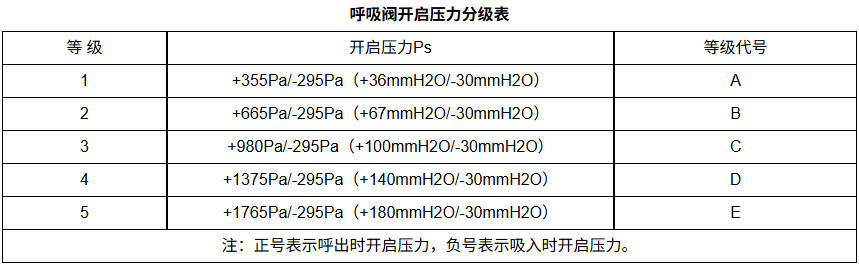
The 5 grades required by SY/T0511.1-2010 all feature a gravity-assisted breathing valve opening method.
In API 2000, the typical set pressure range for gravity-type breathing valves is -4.3 KPa to +6.9 KPa, while the set pressure for spring-loaded breathing valves must exceed this range.
IV. Product Advantages
1. Provide professional breathing valve calculations and CAD drawings based on the data table provided by the customer and the operating conditions.
2. Eddie summarizes years of design and manufacturing experience, optimizing the breathing valve sealing form, sealing material, pressure set point, flow coefficient, and return seat sealing. As a result, the breathing valve achieves zero-leakage sealing effect at 80% of the set pressure.
3. Utilizes a tower-type valve disc structure and imported FEP diaphragm technology to achieve 10% overpressure technology.
4. FEP film sheets possess characteristics of resistance to chemical corrosion, adhesion of liquids and vapors, extreme temperature, and bonding due to valve seat freezing.
5. Prior to shipment, each unit undergoes pressure and leakage testing on a pressure test platform, and is released for production upon passing the tests.
6. Carbon steel valve bodies are coated with anti-rust primer inside and out, with an epoxy finish applied on the exterior; stainless steel valve bodies are sandblasted; plastic valve bodies are polished.
7. Packaging is统一done in standard wooden crates.
V. Relevant Regulations for the Product
• API 2000-2014 —— Ventilation Atmosphere and Low-Pressure Storage Tanks
• SY/T0511.1-2010 -- "Petroleum Storage Tank Accessories - Part 1: Breathing Vents"
• SH/T3007-2014 —— "Petroleum & Petrochemical Storage and Transportation System Tank Farm Design Specification"
• GB50160-2018 - "Design Fire Protection Standard for Petroleum and Chemical Industry Enterprises"
• GB5908-2005——Flame Arrestor for Oil Storage Tanks
• ISO16852----------------- International Flame Retardant Tester Standard