



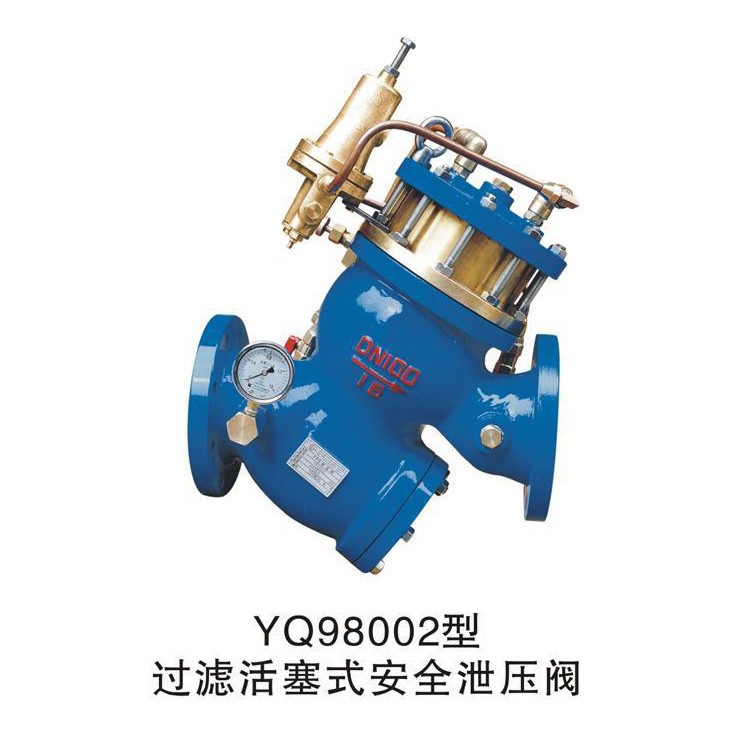















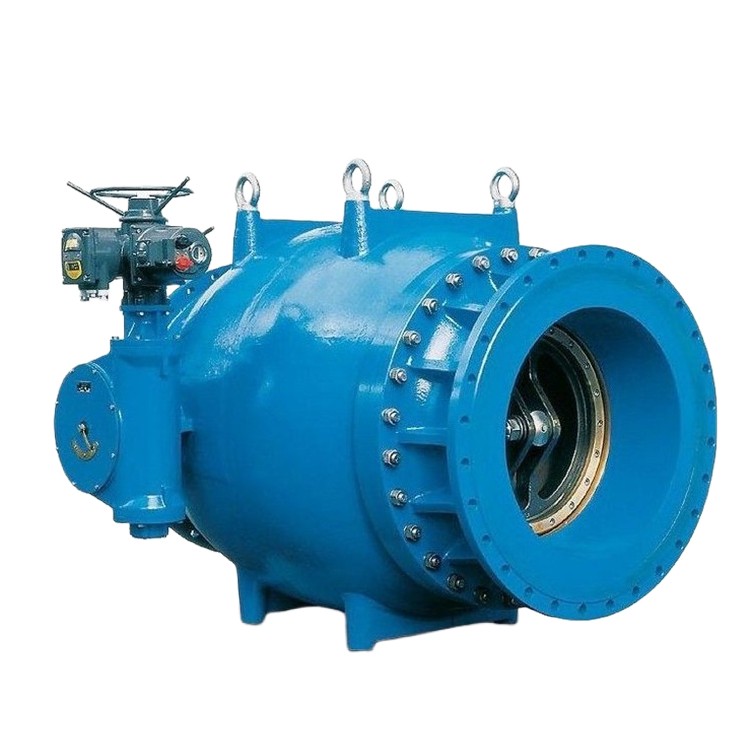
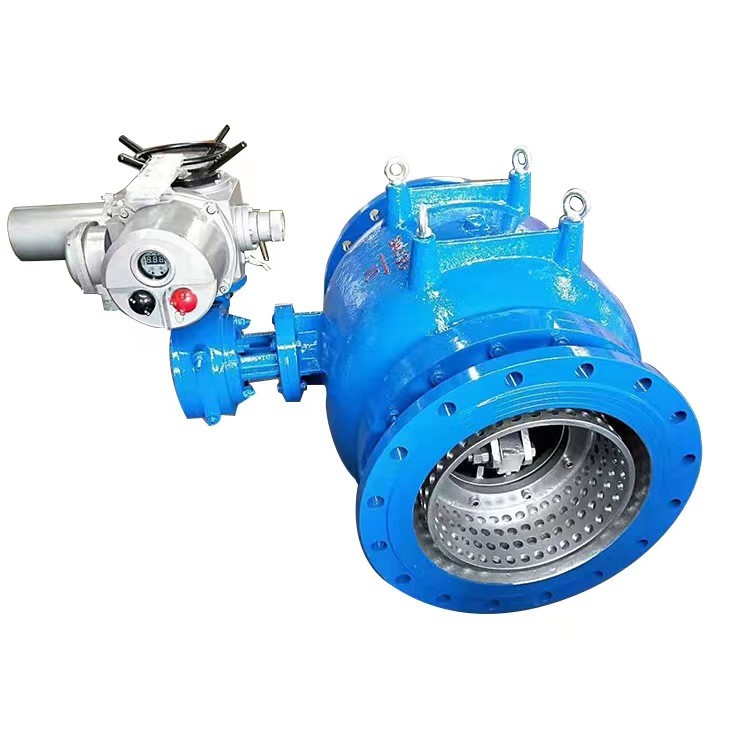
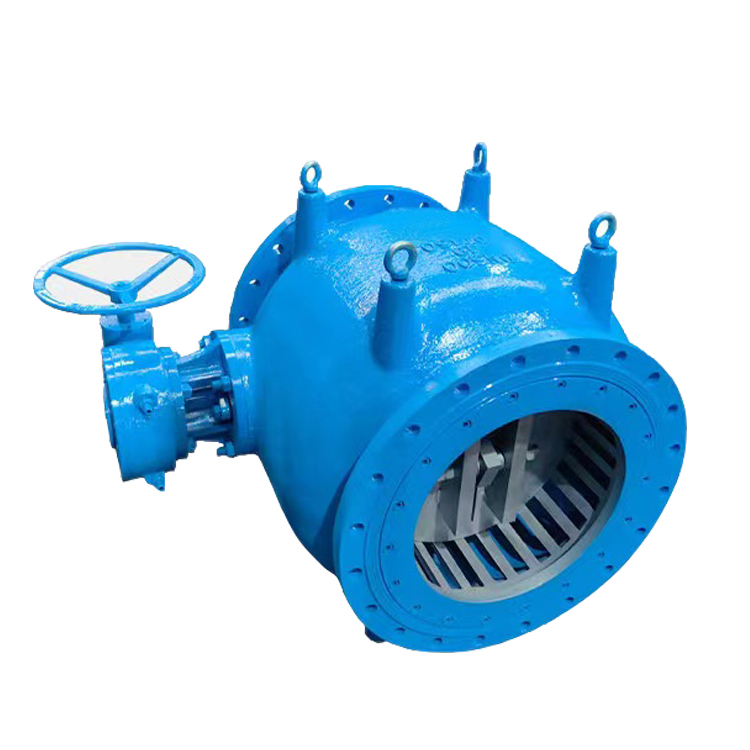
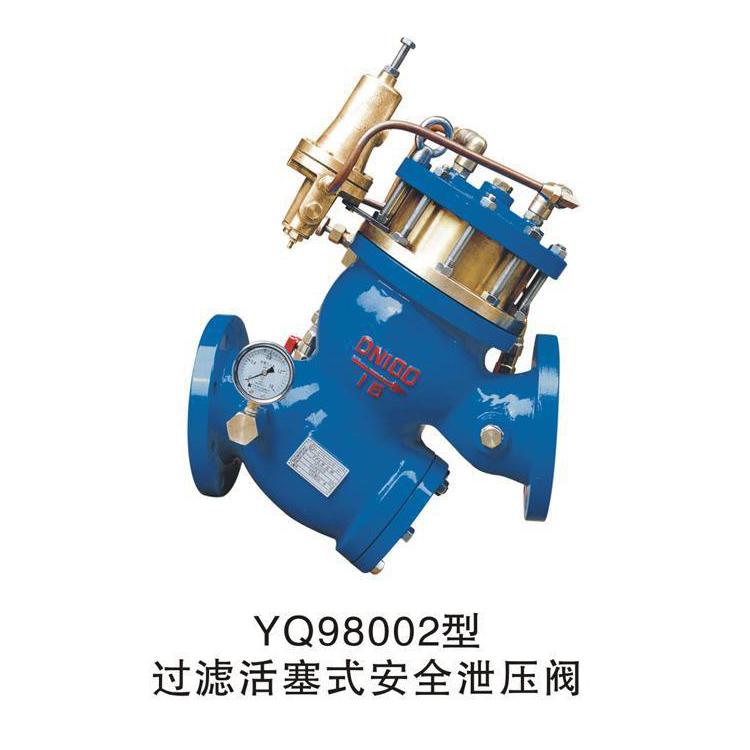
The Filtered Piston Safety Relief Valve is a valve that utilizes the medium's own pressure to automatically regulate pipeline pressure. It is mainly used to prevent overpressure in the pipeline or water hammer impact, ensuring system safety. Its core structure includes the main valve, low-pressure guide valve, high-pressure guide valve, and filtering device, which controls the opening and closing of the main valve through the guide valve system.
Working Principle
When the pipeline pressure exceeds the set value, the guide valve opens to relieve pressure; after the pressure returns to normal, the valve closes gradually. The main valve features a Y-shaped wide body valve chamber design, with low flow resistance and strong anti-cavitation properties, effectively eliminating residual pressure fluctuations.
Applicable Scenarios
Suitable for water supply networks in high-rise buildings, fire water supply systems, and various industrial and mining enterprises, these can be installed in pump rooms or T-connection pipes to protect the pump system from power outages and other unexpected situations.
Technical Features
Self-contained: No external power source required; driven by medium pressure.
Stability: Pressure setpoint is stable and reliable, with sensitive emissions.
Structure Optimization: Equipped with an in-built filter and vibration-proof pressure gauge, the installation dimensions are shortened, reducing space occupation.
Material Selection: Common materials include ductile iron, cast steel, and stainless steel, catering to different working conditions.
The valve regulates pressure through a guide valve system, preventing overpressure protection for the pipeline while also eliminating the damage to equipment from water hammer impact.


















