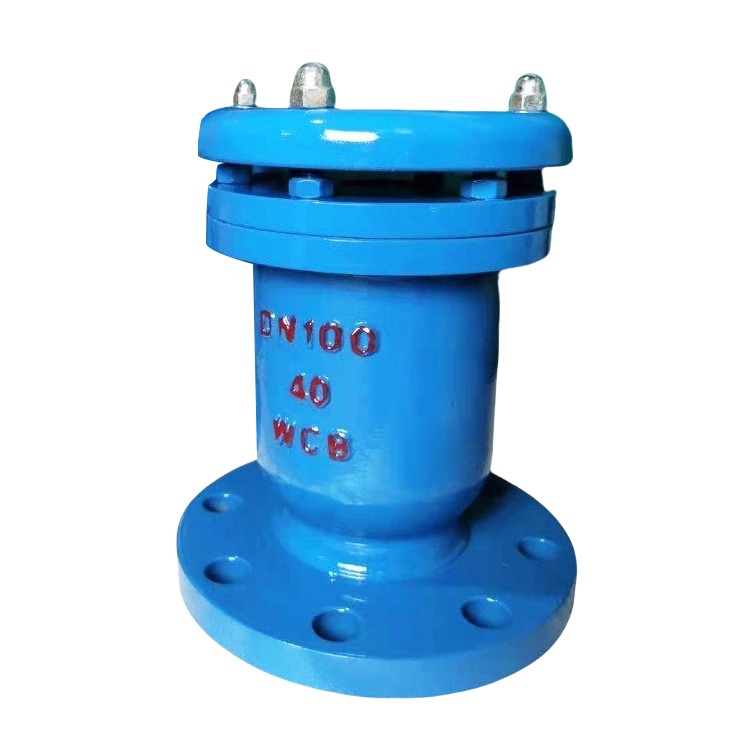

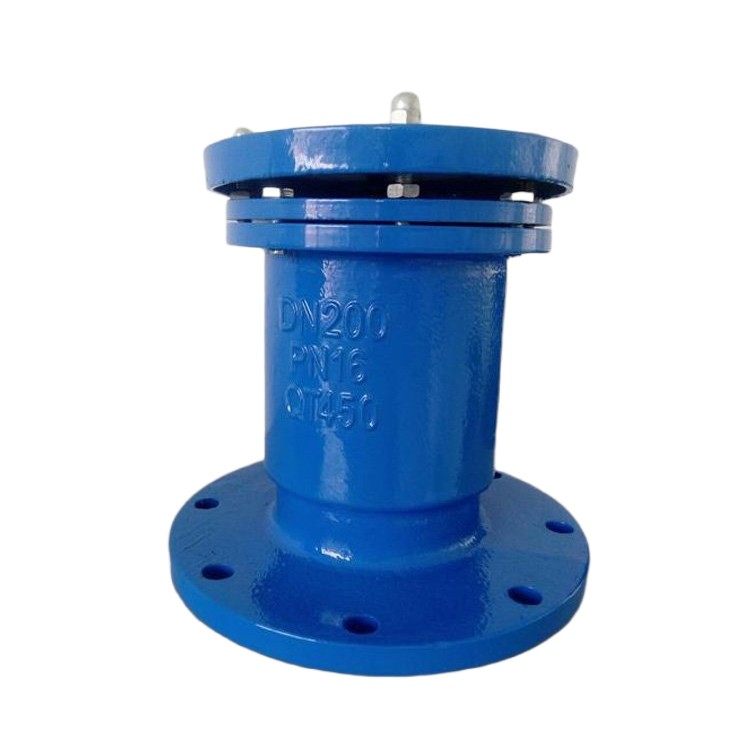














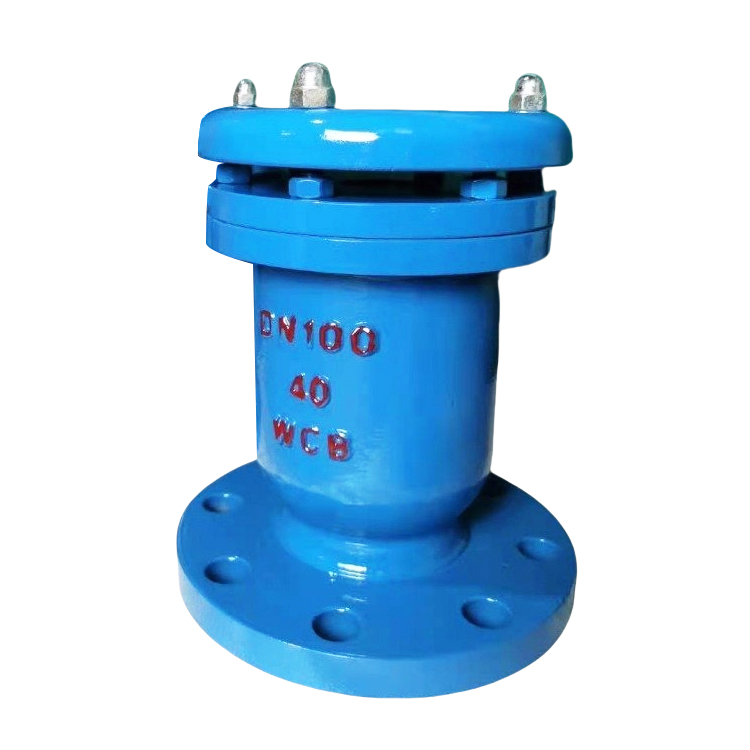
A single-outlet exhaust valve is an automatic device for discharging gases from pipelines, widely used in heating, heating supply, and central air conditioning systems. It achieves gas-liquid separation and automatically adjusts the valve's opening and closing through a float ball mechanism.
Core Functions
Automatic Exhaust: When the gas accumulates to a critical volume inside the pipe, the valve automatically opens to expel the gas, preventing gas blockage.
Pressure Equalization: Triggered by the float ball as the liquid level changes, no external power required, for continuous and stable operation.
Seal Protection: Compliant with GB/T 12238 standard, maintains no leakage under 0.15MPa pressure for a continuous 30 minutes.
Structural Features
Material: Valve bodies are typically made of cast iron or cast steel, float balls are made of stainless steel, and seals are of rubber or fluoroelastomer.
Connection Methods: Including flanged (DN15-25) and threaded (DN15-50) types, suitable for small bore piping.
Installation Requirements: A protective valve (such as a ball valve) must be installed at the bottom for easy maintenance.
Application Scenario
Heating System: Eliminate air pockets in the main pipeline to ensure system stability.
Floor Heating: Solve the issue of air entrapment in manifold.
Solar Heat Collection Circuit: Prevents airlock caused by direct sunlight exposure.
Maintain and service
Regular inspections of the valve body, seals, and exhaust ports are required to prevent blockages that could affect exhaust function.