
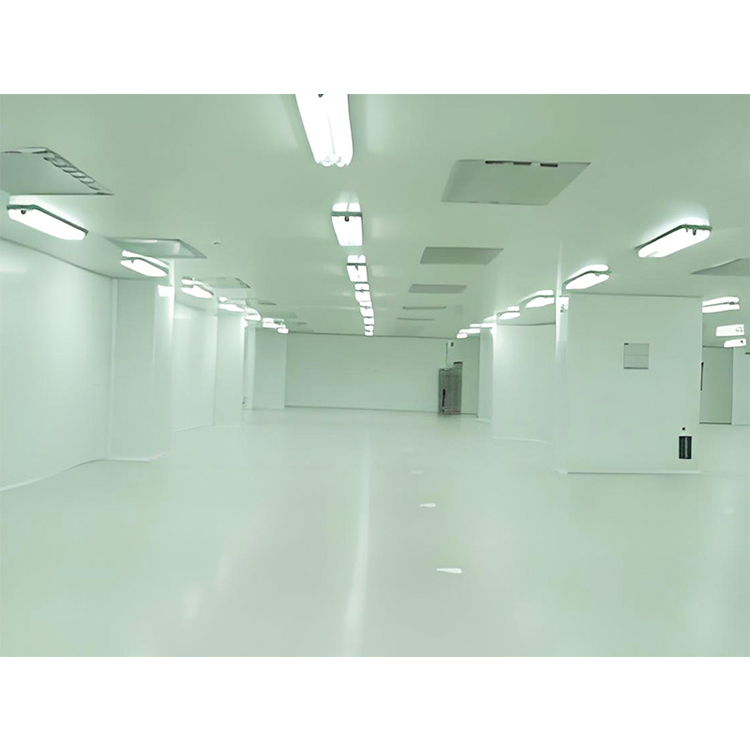










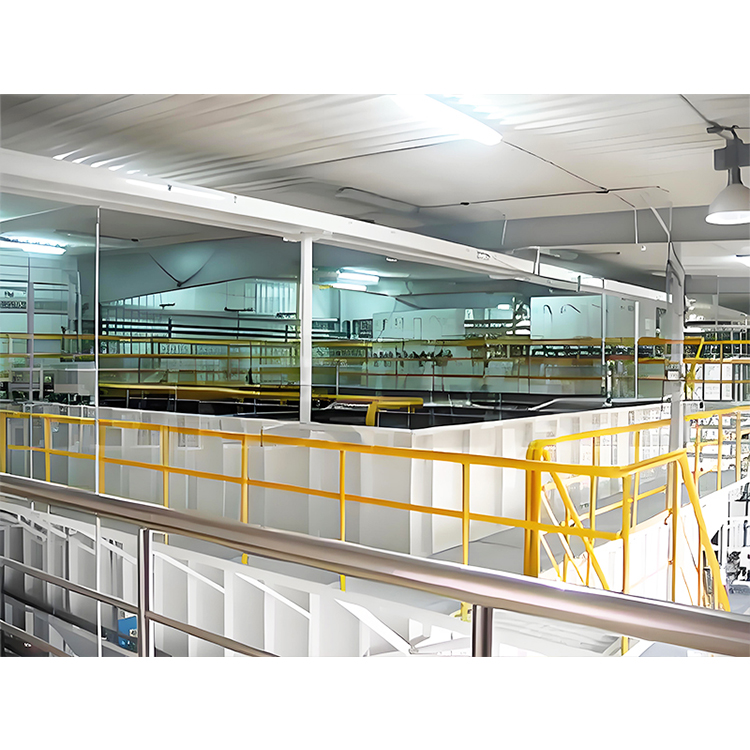
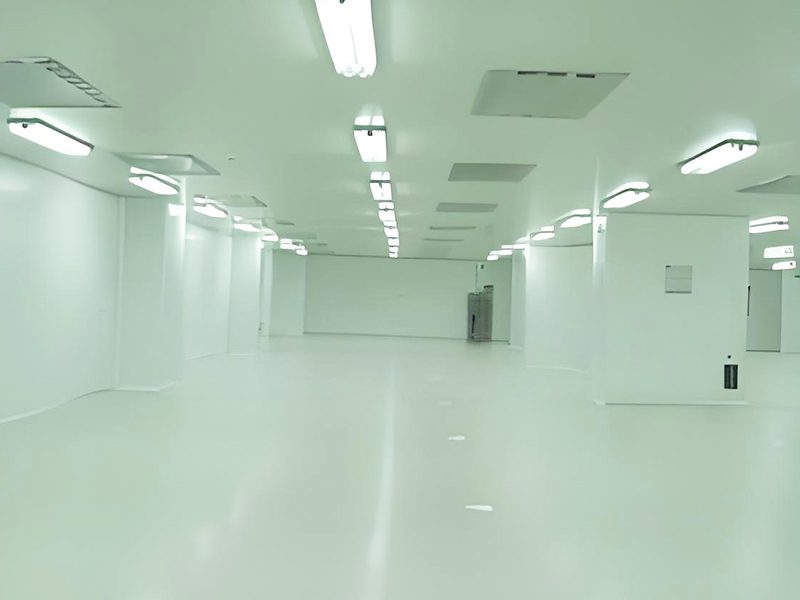
Laboratory purification engineering is a systematic project that involves purifying the air in a specific area of a laboratory to achieve a certain level of air cleanliness, meeting the high environmental requirements of experiments.
Application Scenario
Suitable for bioproducts, microbiological research, brain cell laboratories, stem cell laboratories, blood cell laboratories, animal laboratories, biosafety laboratories, and virus research laboratories where high experimental environmental requirements are needed.
Design Requirements
Cleanliness Grade: General cleanrooms have a cleanliness grade of 10,000, while most ordinary laboratories are 100,000 to 10,000. Biological safety laboratories, positive control laboratories, and microbiological culture laboratories must be designed and constructed according to the static 100,000 standard.
Temperature and Humidity Control: Typically requires temperatures between 18-27°C and relative humidity between 45%-65%, with specific adjustments possible according to experimental needs. Achieved through equipment such as modular air conditioning units.
Pressure Control: Static pressure difference between adjacent different grade areas ≥ 5Pa, clean area and outdoor pressure difference ≥ 10Pa, e.g., Main Laboratory + 10Pa, Buffer Room + 5Pa, monitored by pressure difference gauge installation.
Airflow Organization: Select an appropriate airflow organization based on the type of experiment. For instance, biological safety laboratories typically use total exhaust systems to avoid contamination from recirculated air, while general clean laboratories can utilize air conditioning systems with recirculated air.
Building materials
Walls and Ceilings: Commonly used insulated color steel panels, such as colored composite steel panels with a thickness of 0.426mm, filled with a 50mm fire-resistant mineral wool core, offering good sealing properties and dust-free characteristics.
Flooring: Laboratory-grade PVC rolls with thickness ≥2mm. Ground and wall connection with R≥50mm radius for easy cleaning, resistance to contamination and chemicals.
Doors and Windows: Doors are primarily made of rock wool sandwich color steel plates, with transparent glass added. Windows are made of tempered glass, ensuring both airtightness and lighting.
Ventilation System
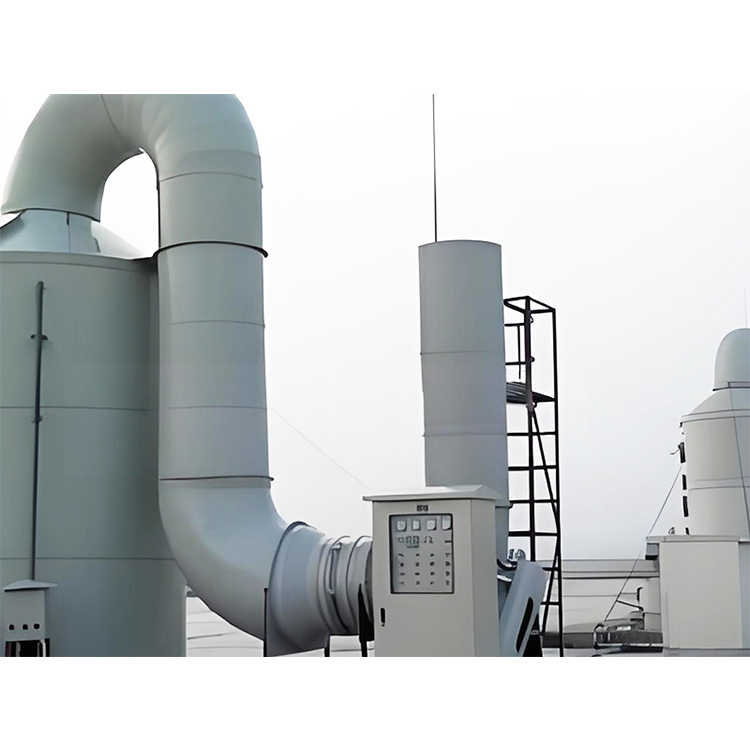
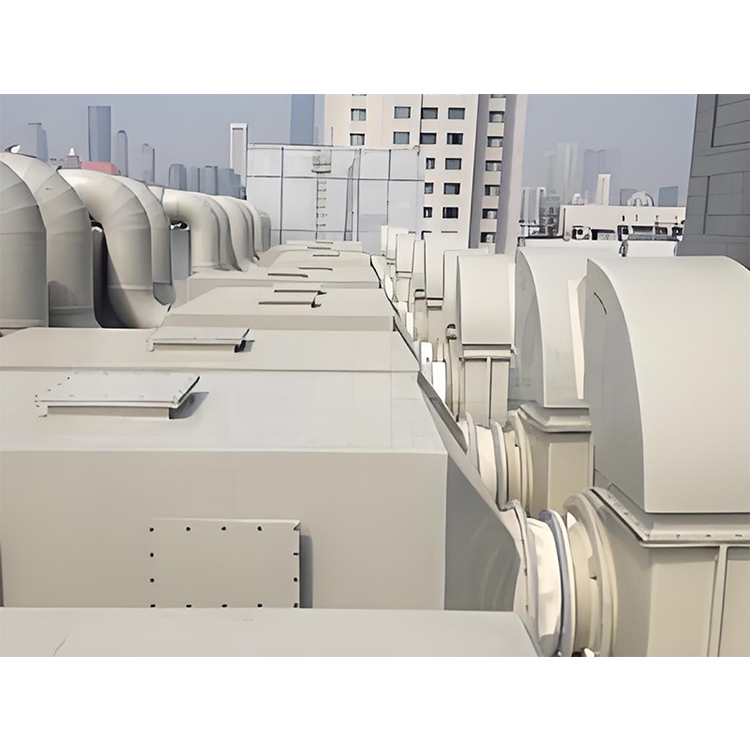
Typically, a modular air conditioning unit is used. The ventilation system must be equipped with filters based on the lab's use. A coarse-efficiency air filter is installed at the fresh air intake, a medium-efficiency air filter at the positive pressure section of the pressure fan, and an air filter at the system terminal. The exhaust system uses a combination of coarse and medium-efficiency filter units with exhaust columns for air exhaust, and check valves in the pipes prevent backflow.
Safety and Protection
Biosecurity laboratories are categorized into four levels—P1, P2, P3, and P4—based on the level of biological hazard. Labs of different levels have varying protective requirements. For instance, P2 labs are suitable for pathogens posing moderate potential danger to humans and the environment. Access to the experimental area is restricted, and experiments that may generate aerosols should be conducted in an II-rated biosafety cabinet.