


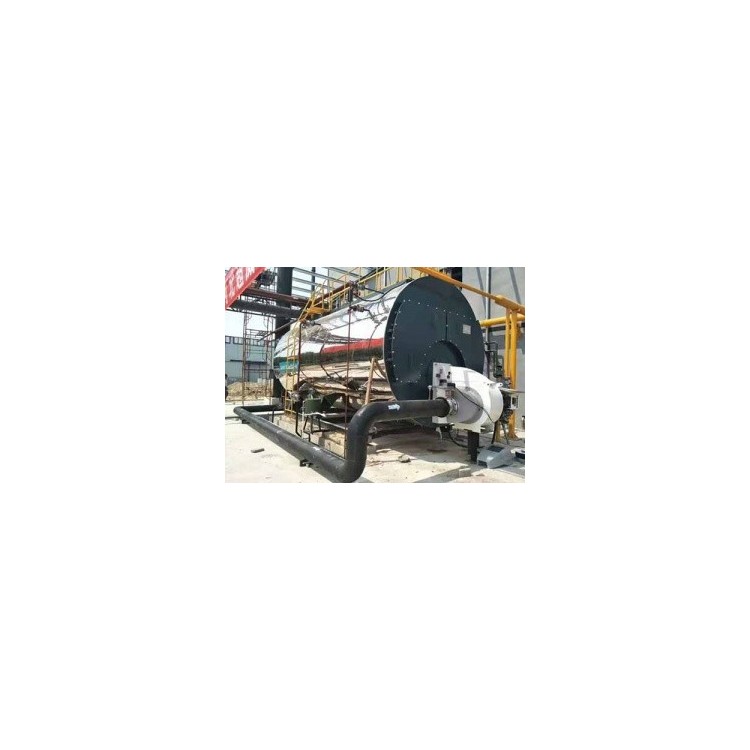













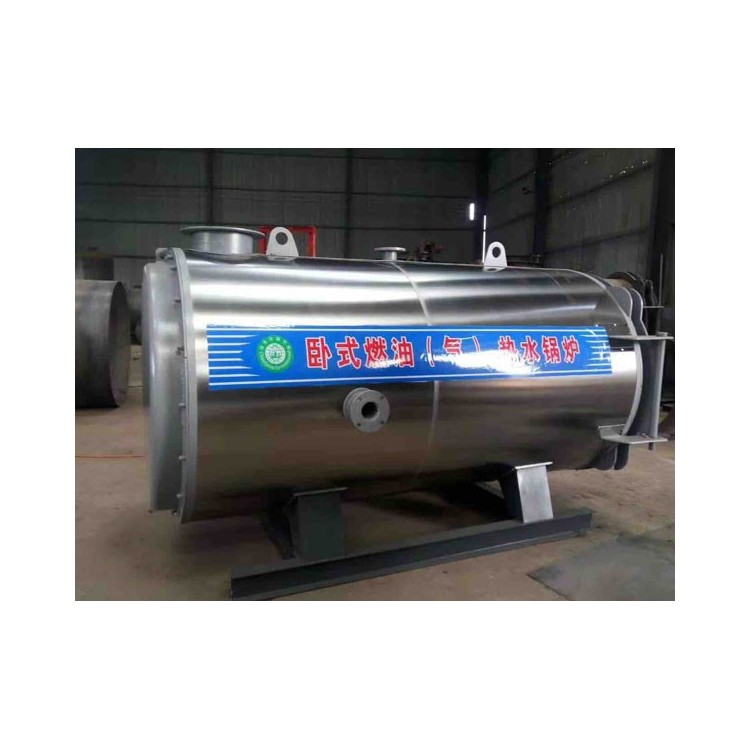

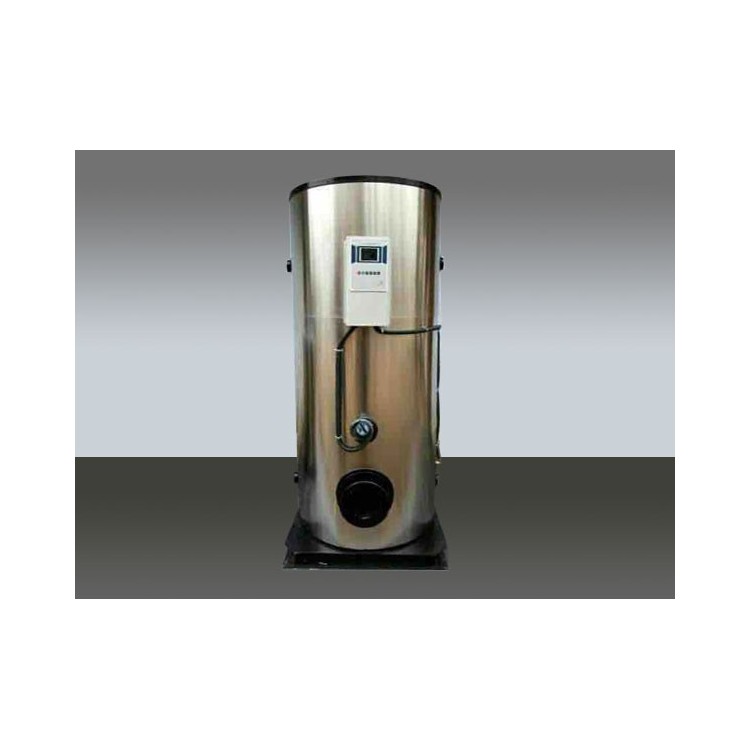

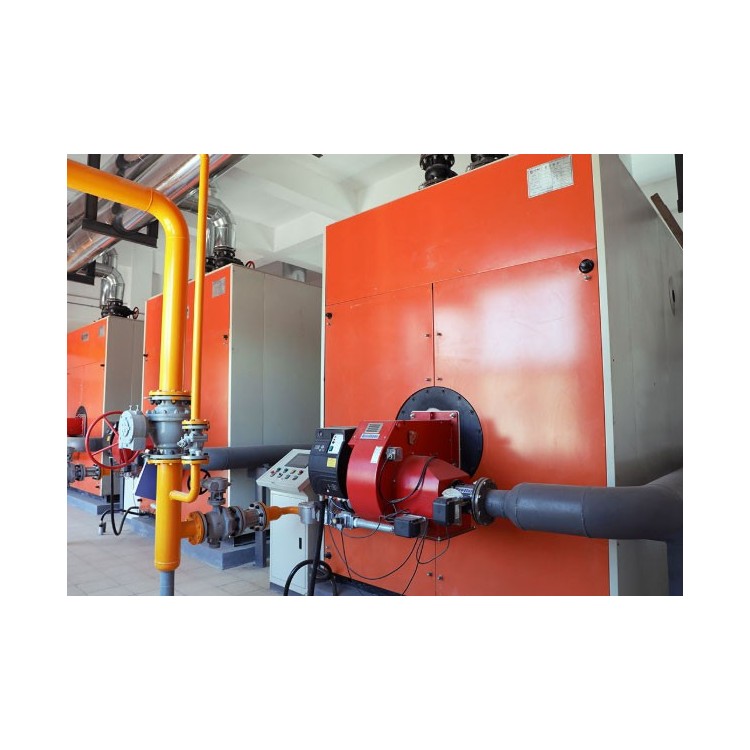

Product Details
Model Specifications: 2 tons - 20 tons
Thermal Efficiency: ≥105%
Applicable Fuels: Natural Gas, Liquefied Gas, City Gas, Diesel, Heavy Oil
Application Scope: Pharmaceuticals, Chemicals, Light Industry, Textiles, Building Materials, Animal Husbandry, Food & Beverages, Plastic Foam, Printing & Cleaning, Rubber
Performance Advantages
Single flame, double flame, double flame with progressive/proportional adjustment.
Adaptable to any type of combustion chamber.
Air and gas are mixed in the combustion head.
By adjusting the combustion air and combustion head, combustion parameters can be achieved.
No need to detach the burner from the boiler; the mixing unit can be directly removed for convenient maintenance.
Servo motors are used for adjusting the air flow in the first and second stages, and the air doors close when the burner stops to minimize heat loss within the furnace.
A sealing control device for an additional valve can be added to the valve assembly.
Connected with a flange and an insulated sealing ring to the boiler; comes with a 4-hole and a 7-hole connector.
Custom lengths of blowers are available upon request.
The NOx burner can reduce the emission of nitrogen oxides during the combustion process. The nitrogen oxides primarily produced during combustion are NO and NO2, which are commonly referred to as nitrogen oxides NOx collectively. Extensive experimental results show that the nitrogen oxides emitted by combustion devices are mainly NO, accounting for an average of about 95%, with NO2 accounting for around 5%.
The primary sources of NO generated from the combustion of fuels are twofold: one is the oxidation of nitrogen from the air (combustion air) used, and the other is the thermal decomposition and subsequent oxidation of nitrogen compounds within the fuel during combustion. In most combustion systems, the former is the main source of NO, which we refer to as "thermal NOx." The latter is known as "fuel NOx," along with "prompt NOx." The formed NO can react with intermediate nitrogen-containing products to reduce NO to NO2. In fact, besides these reactions, NO can also react with various nitrogen-containing compounds to form NO2. In practical combustion systems, when the reaction reaches chemical equilibrium, the ratio [NO2]/[NO] is very small, meaning that the conversion of NO to NO2 is minimal and can be ignored. Techniques to reduce NOx emissions involve optimizing combustion methods and conditions, such as selecting fuels with lower nitrogen content, including fuel denitration and conversion to low nitrogen fuels; reducing the excess air ratio, organizing excess rich combustion to lower the oxygen concentration around the fuel; decreasing the peak temperature in situations with less excess air to reduce "thermal NOx"; and increasing the time spent by combustible materials in the flame front and reaction zone under lower oxygen concentrations. Common methods to reduce NOx formation and emissions include staged combustion, reburning, low oxygen combustion, rich-to-lean combustion, and flue gas recirculation.
II. Categories
Heavy oil burners, gas burners, and dual-fuel burners (light oil/gas or heavy oil/gas).
2. Divided by operation and running methods: Our company's Oulaiet burners include single-stage, two-stage, progressive two-stage, and progressive two-stage with a proportional regulator (the latter operates with proportional regulation).
3. Industrial Burner Series: All high-power burners, designed specifically for special industrial applications.


















