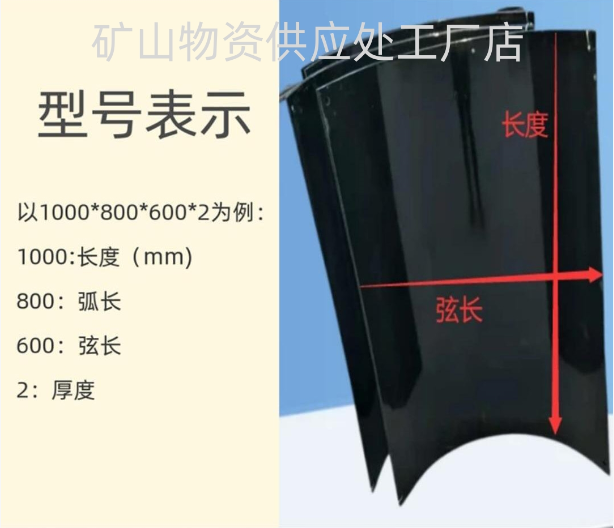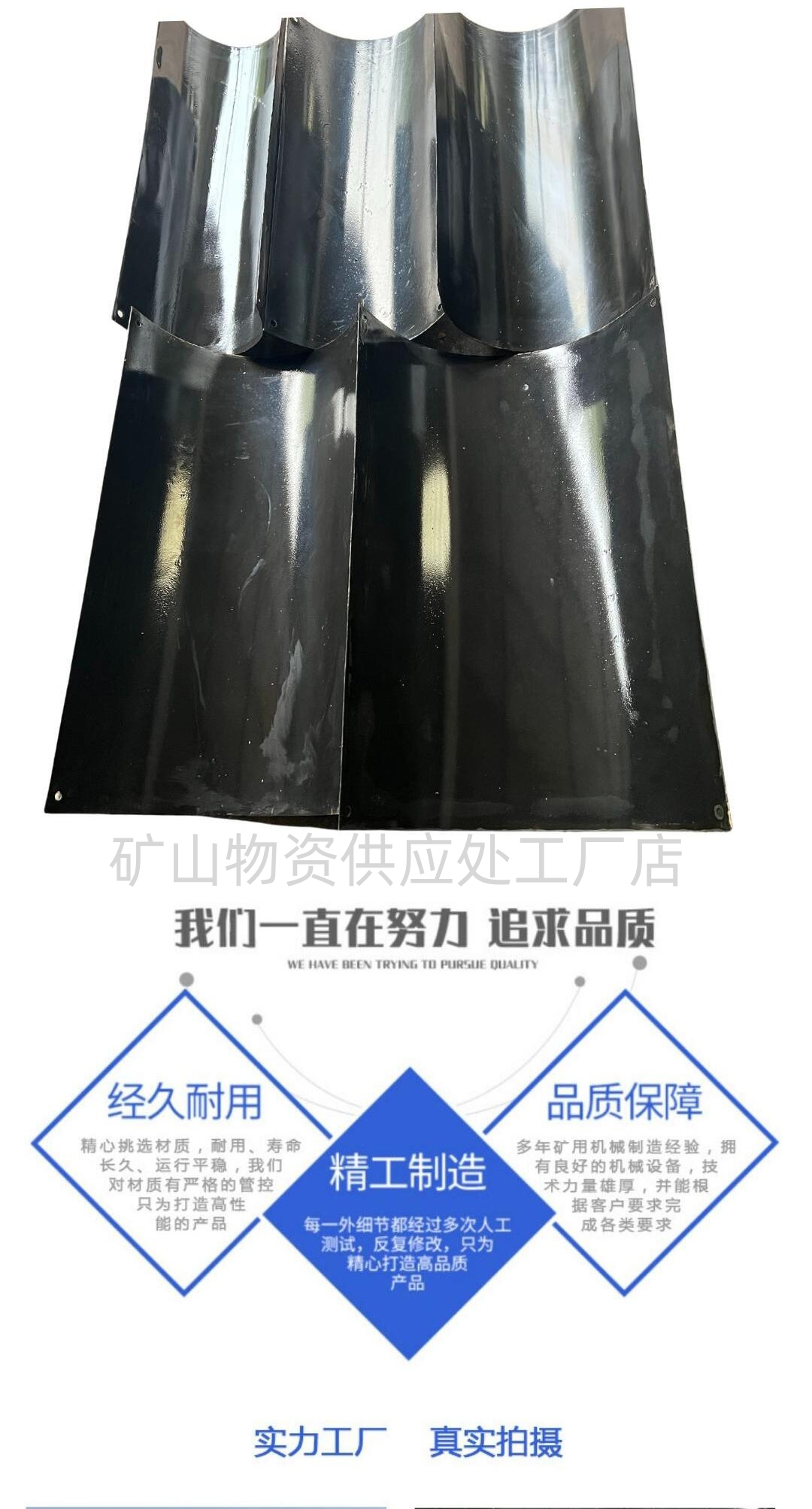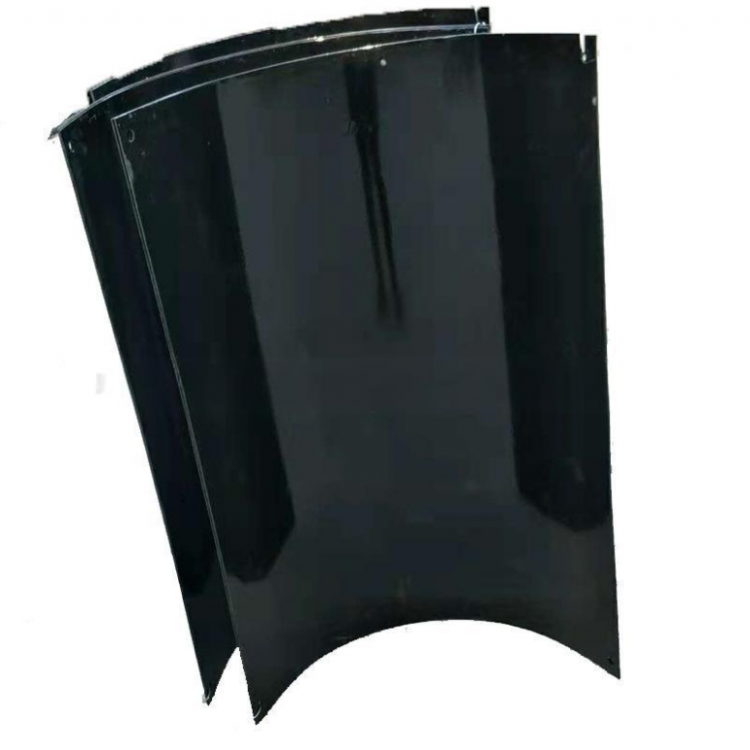
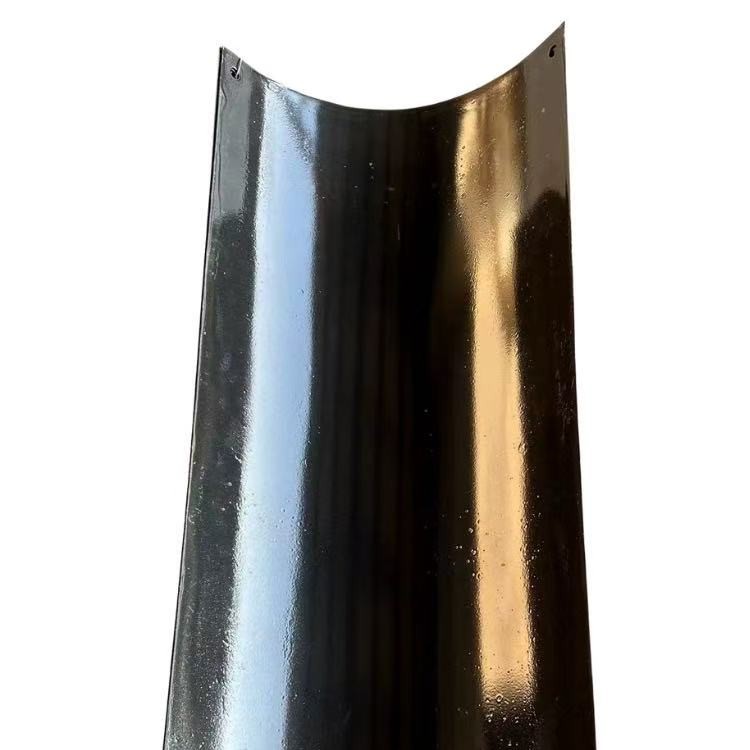
Enamel troughs, as a commonly used simple transportation equipment in coal mining, mining industries, and construction sectors, play a significant role in the development of the mining industry. Many people believe they are a modern invention, but that's not the case. Let's delve into their history of development.
Actually, the history of utilizing chute in production is very long-standing. As early as the Yuan Dynasty, the technique of porcelain chute was introduced to China and widely utilized by people. Moreover, chutes offer superior anti-corrosion and wear-resistant properties, are suitable for terrain utilization, and are used for transferring various ore products, hence earning the title of "ore passage."
By using high-strength and elastic alloys for the base, the enameled chute is more durable and wear-resistant. After surface enameling treatment, its corrosion resistance is significantly enhanced, and smoothness is also improved.;Greatly extends the lifespan of the chute, reducing labor intensity for workers and saving costs.
Enamel coal chute applications have become increasingly widespread in coal mining and the mining industry with technological advancements. Although belt conveyors are more labor-saving and efficient, they are not suitable for use in some special terrains. In such cases, coal chutes become essential. Therefore, the crucial role of coal chutes in the mining industry is irreplaceable.Representative.
What fields can the enameled chute be used in?
Many people believe that enamel troughs are merely simple transportation equipment used in the mining industry, but in fact, their application range is quite extensive. As they are commonly used for conveying coal, enamel troughs are also known as enamel coal troughs. In reality, they can also be used for conveying water, hence the name enamel water trough. This illustrates their wide range of uses. With the rise of belt conveyors, the applicability of troughs has been somewhat affected.
Not only that, enameled chute can be used for transporting building materials, various minerals, ores, and even grain. Particularly before the rise of belt conveyors, the use of chutes could greatly save on labor.
Enamel coal chutes are widely used in areas with slopes for transporting goods from higher to lower levels. Moreover, their flexibility allows for easy assembly based on varying distances, saving time, money, and effort.