

















Rainwater Diversion Device
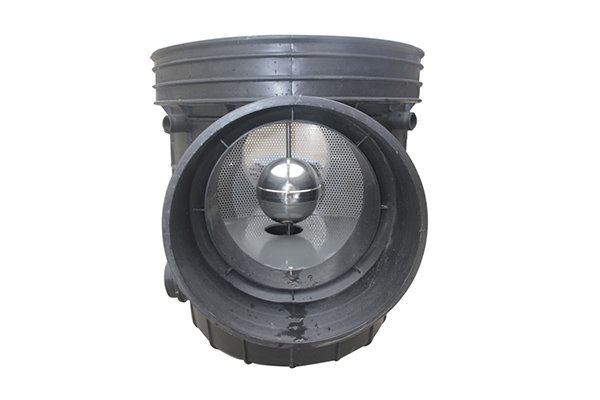
Initial Rainfall Runoff, a complete system for managing the first flush of rainwater, is primarily used in rainwater collection and utilization systems. During the initial stages of rainfall, the first 2-5mm of rainwater is typically heavily polluted and has a relatively low flow rate. As the rainwater passes through the initial wastewater filtering device, gravity causes it to first drain through low-level open wastewater pipes. As the rainfall increases, the pressure on the rear baffle increases, and under the influence of the floating ball closing the wastewater pipe flow pressure at the top of the discharge pipe, the liquid level in the barrel rises, and the water and rainwater flow to the outlet for collection and then through a horizontal filter. After the rain stops, the reduced storage of rainwater in the device is automatically reset by the spring force acting on the floating ball, creating a waste filter barrel that achieves the multi-functional discard, filtration, and automatic wastewater discharge of the initial rainwater.
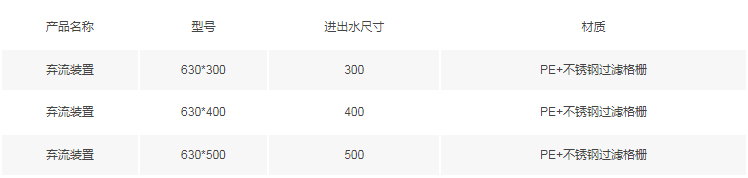
Product Specifications
Automatic Sewage Discharge
Integrated with a 1mm grid screen, it effectively intercepts pollutants without clogging, ensuring automatic discharge of wastewater.
Leverage Adjustment
The rainfall runoff can be adjusted through internal levers, suitable for various catchment areas.
Auto-adjust
The entire unit is automatically adjusted by rainwater flow, requiring no power supply or electrical equipment, with high stability.
Easy to repair
Easy and simple to disassemble; no specialized maintenance required.
Initial rainfall amount
For the initial 2-5mm of rainfall during the early rain period, the water is typically heavily polluted and discarded through the equipment.
Rainwater Diversion Device Introduction
Complete rainwater overflow should be referred to as initial rainwater overflow, primarily used in rainwater collection and utilization systems. During the initial rainfall, the first 2-5mm of rainwater is typically heavily polluted and has a relatively low flow rate. As the rainwater passes through the initial wastewater filter device, due to gravity, it first flows out through the low-level open wastewater pipes. As the rainfall increases, the pressure on the back panel increases, and under the action of the floating ball closing the wastewater pipe flow pressure at the top of the drain pipe, the liquid level in the barrel rises, and the water and rainwater flow to the outlet for collection after passing through a horizontal filter mesh. After the rain stops, the reduced storage of rainwater in the device is automatically reset by the spring force acting on the floating ball, creating a waste filter barrel to achieve the initial rainwater's discard, filtration, and automatic wastewater discharge functionality.
Rainwater Diversion Device Function and Significance
In a rainwater collection and utilization system, the quality of initial runoff directly affects the effectiveness of the first rainwater collection. If the initial runoff is not handled properly, impurities can enter the rainwater storage tank, not only increasing the workload of the filters and block filters, but also causing impurities at the bottom of the storage pool to persist for a long time, which will greatly complicate the later cleaning efforts and potentially disable the entire system. Therefore, it is crucial to do well with the rainwater collection and utilization system. It's like a person's neck; if there's an issue, breathing and eating will also be affected.


















