
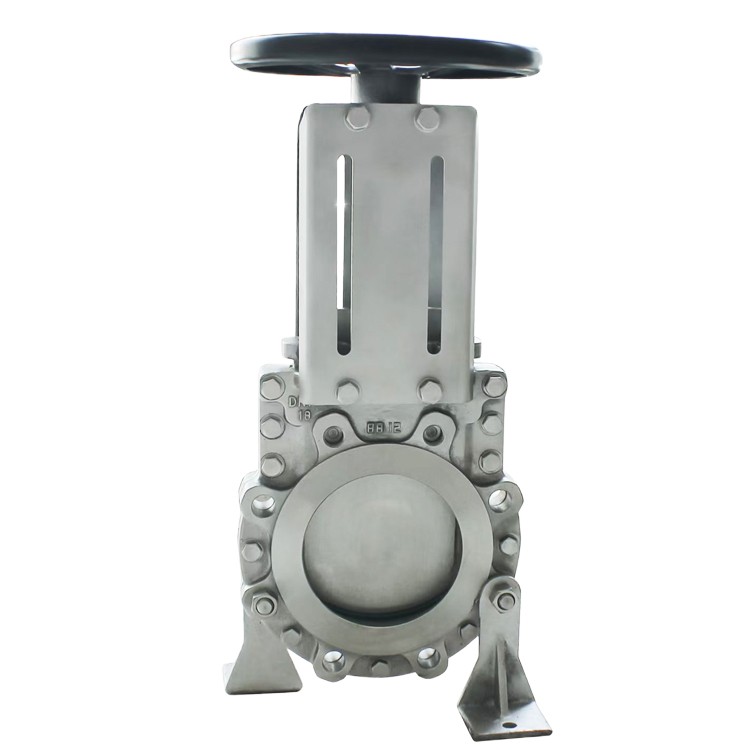













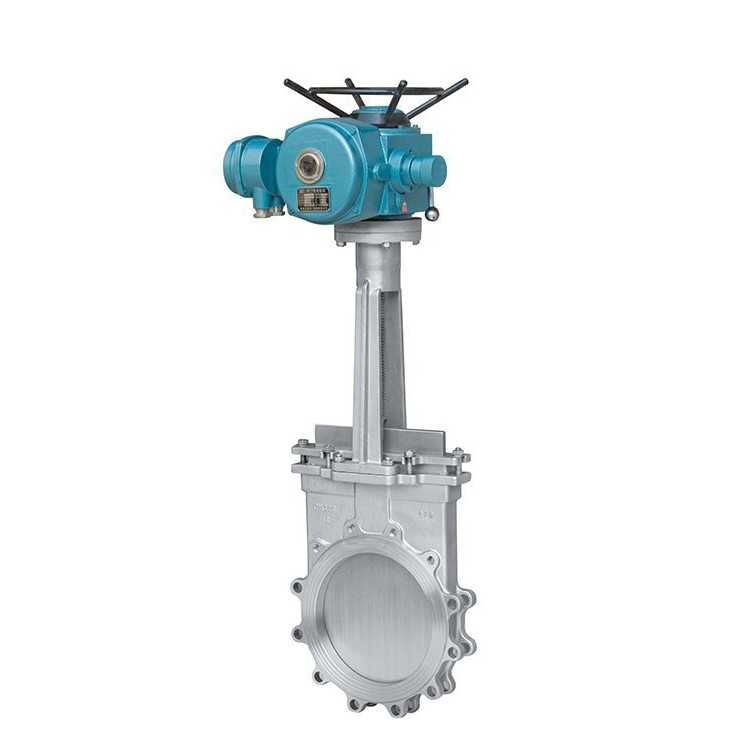
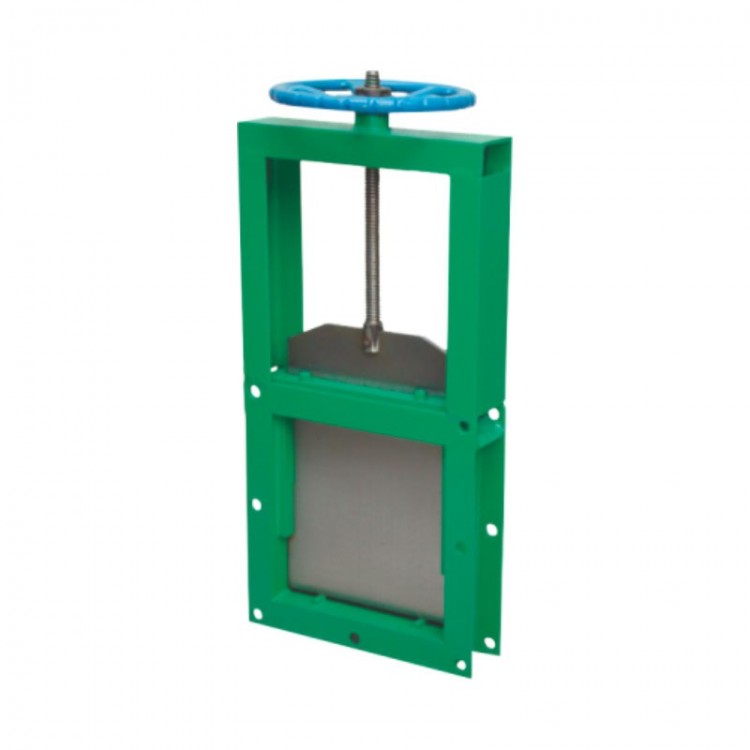
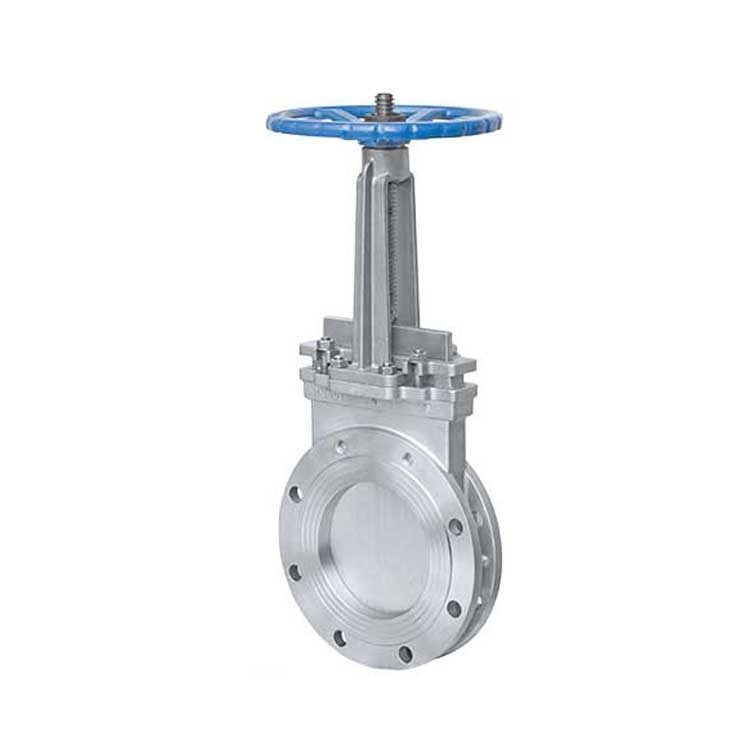
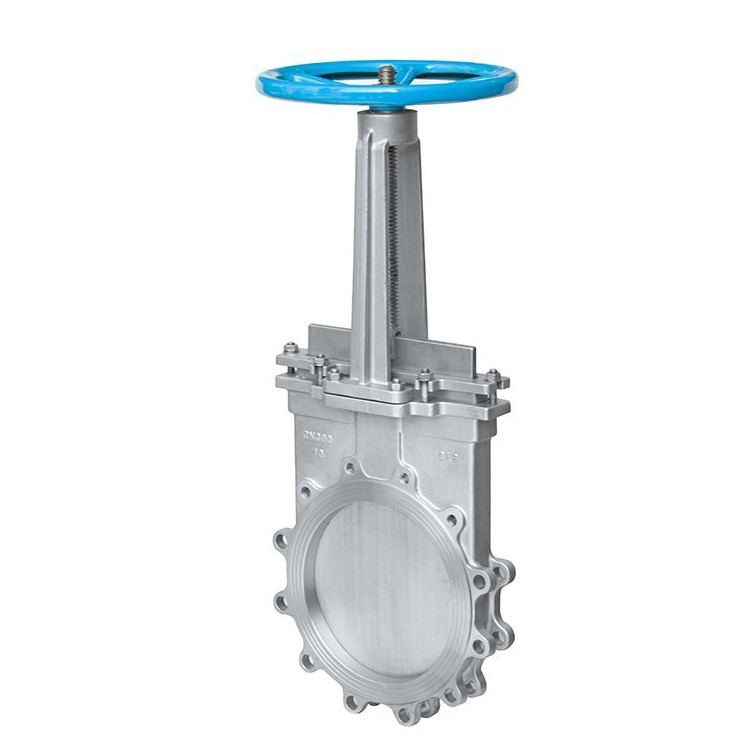
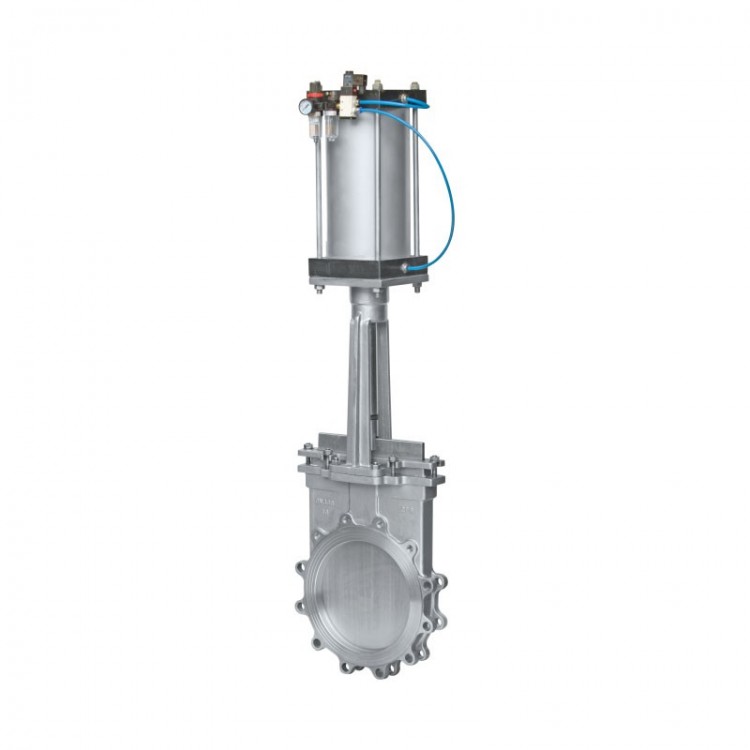
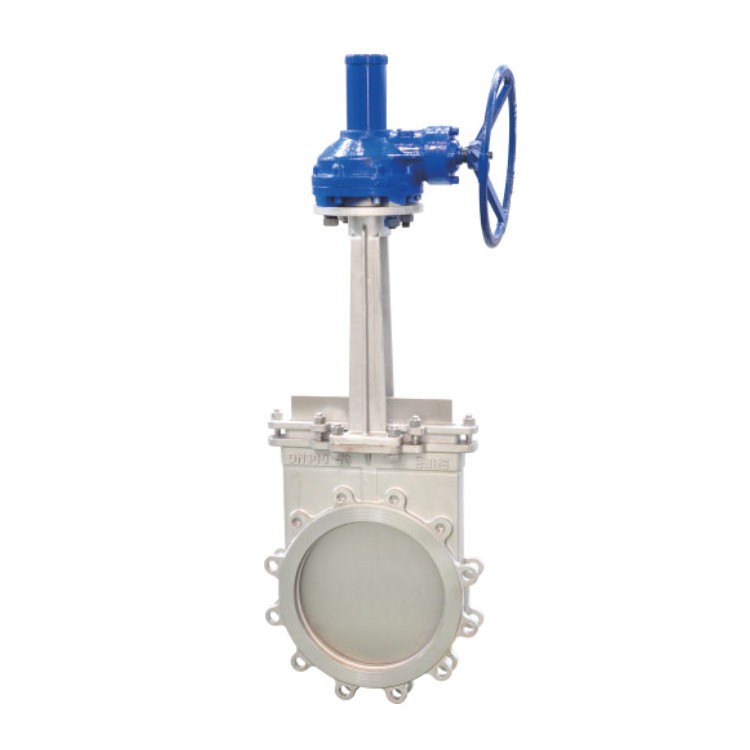

A manually operated bidirectional seal gate valve is a valve that achieves medium cutoff through the vertical movement of the gate plate, featuring bidirectional sealing capabilities, suitable for scenarios requiring bidirectional medium isolation. The following are its core features:
Working Principle
Operated manually (e.g., via handwheels), the valve plate moves vertically within the valve body via a valve rod, achieving full open or full close control. When closed, the sealing surface of the valve plate is tightly sealed against the valve seat, cutting off the medium; when open, the valve plate moves away from the valve seat, allowing the medium to pass through.
Structural Characteristics
Sealed Design: Utilizes a double-sealed structure, with sealing rings at both the valve body bottom and the flange connection to achieve bidirectional isolation of media.
Material Options: Carbon steel, stainless steel, or gray cast iron, suitable for various working conditions.
Applicable Medium: Suitable for sewage, pulp, chemical raw materials, mediums containing particles or fibers; not for use in flow regulation or throttling.
Technical Specifications
Nominal Diameter: DN50~DN800, Working Pressure: 0.6~1.6 MPa, Working Temperature: ≤100°C.
Sealing Materials: PTFE, rubber, or metal seals, with a temperature resistance range up to 180°C.
Installation & Maintenance
Ensure adequate drive space and regular inspections of the transmission mechanism and sealing performance; the valve body features a smooth design to minimize the risk of blockage.