















Introduction:
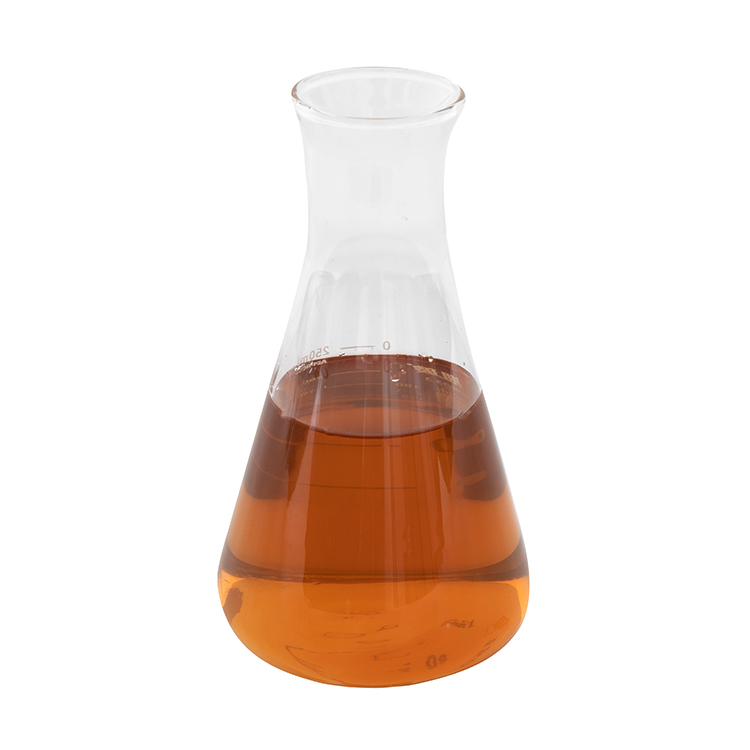
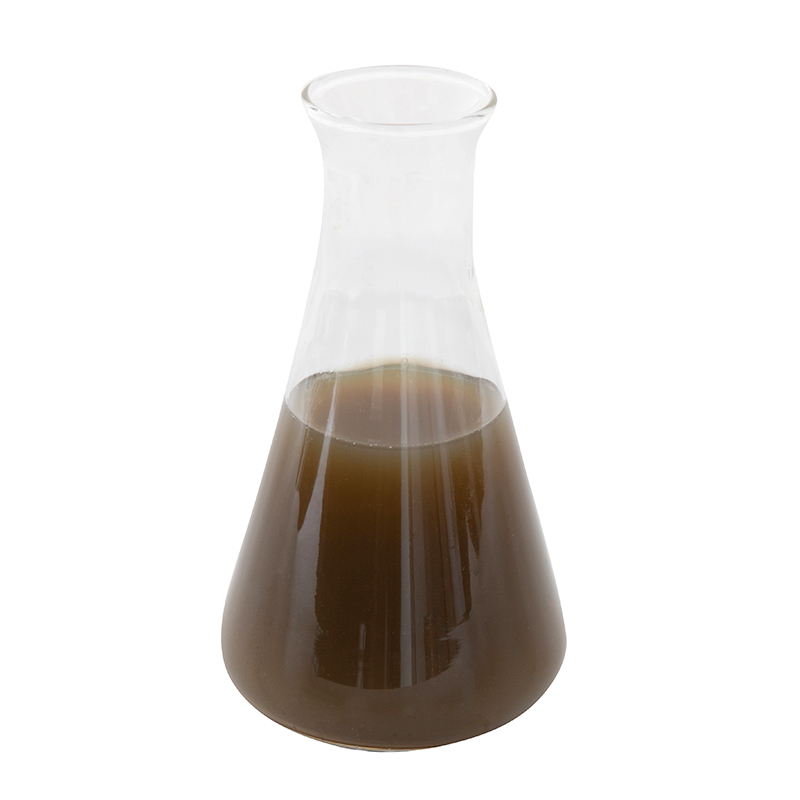
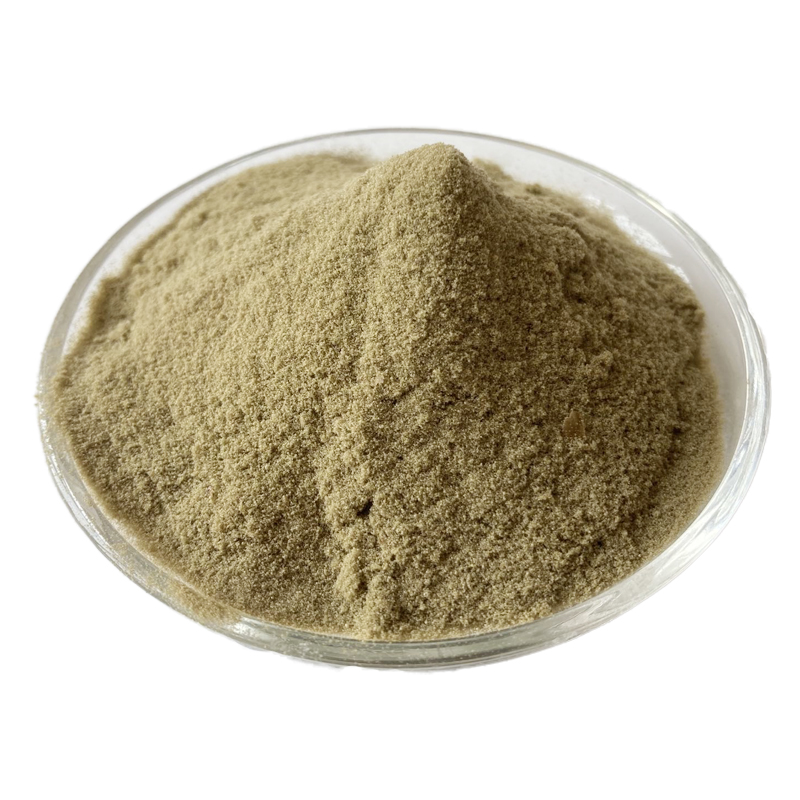
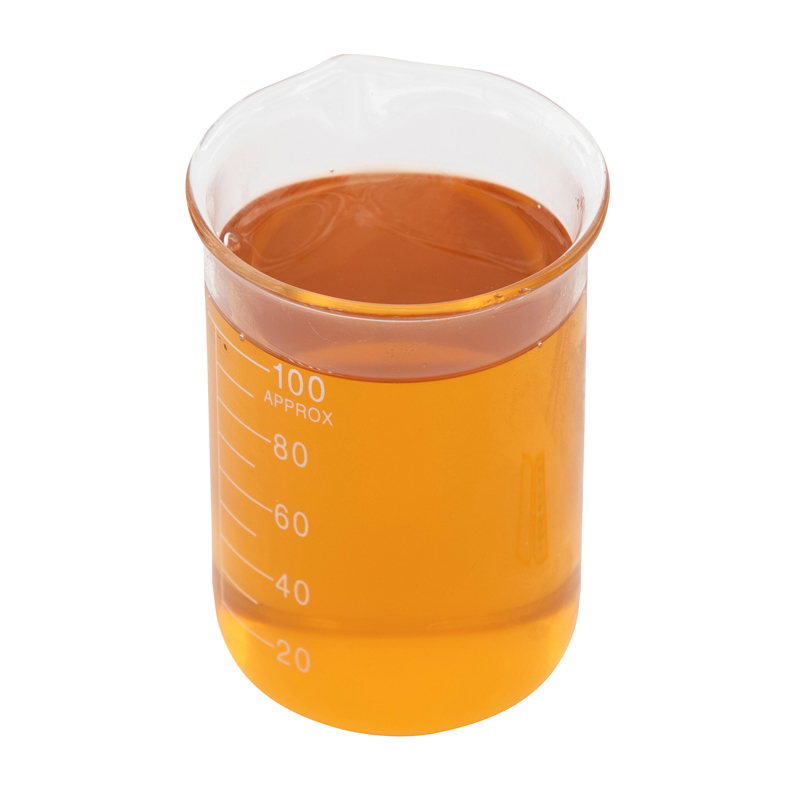
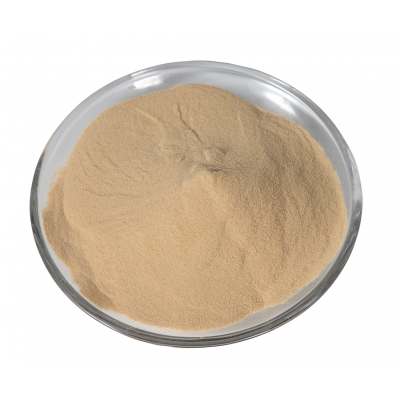
Fresh seaweed is processed into a pulp, with only the addition of cellulase and fucoidan lyase, fully enzymatically hydrolyzed at low temperatures. The liquid obtained after filtration is the enzymatic seaweed puree, and the clarified and transparent liquid obtained after further refined filtration is the enzymatic seaweed clear liquid.
Additionally, the company is set to launch pure enzymatic brown seaweed products, including enzymatic bladderwrack, enzymatic South African bark algae, and enzymatic Australian bull kelp.
Key Features:
The only domestically produced product using a pure enzymatic process; no additional ingredients outside of enzyme preparations are added during production.
Seaweed retains its natural active substances, rich in fucoidan, brown algae oligosaccharides, mannitol, betaine, plant growth regulators (cytokinin, gibberellin, auxin, and abscisic acid, etc.), and trace elements.
With years of in-depth understanding of seaweed, we have developed various application solutions that we are eager to share with our clients.
Technical Specifications:
Odor:Seaweed Fishiness
pH Level: 5
Brown seaweed oligosaccharides:20-25g/L
Brown Algae Oligosaccharide Degree of Polymerization:2-4
Seaweed Total Sugar:50-60g/L
Betaine (amino acid, amino-)Butyric acidAcetylcholine:8-10mg/L
Glycerol:15g/L
Corn Nucleotide 1.5 ppm
Gibberellic acid: 0.06 ppm
Seaweed Polyphenols 2 ppm
Cytokinins: 0.5 ppm
Indole-3-acetic acid 0.2 ppm
Function and Applications
The most important function of algae is its ability to resist stress. Under environmental pressures, it can buffer the changes in hormone environments within plants, ensuring crops can avoid or minimize damage caused by stress at critical physiological points, ultimately extending the growth cycle and increasing yields. When using algae, note the following points:
1. Seaweed itself does not possess any noticeable exaggerated functions like root explosion, fruit swelling, or color change. On the surface, its powerful effects are only evident under severe environmental stressors such as high temperatures, frost, drought, strong winds, high humidity, salt damage, or flooding.
2. The use of algae should be combined with trace elements as much as possible, ideally in chelated form. Among chelated trace elements, organic chelating agents are superior to inorganic chelating agents, and small-molecule chelating agents are better than large-molecule chelating agents.
3. The reason why the algae extracted by chemical methods is less effective lies in two aspects: first, the destruction of the algae's natural compounds (ingredients, ratios) by high concentrations of alkali; second, the brown algae oligosaccharides resulting from chemical cleavage lack unsaturated double bonds, rendering them completely inactive.
4. Algae application should be timed and dosed correctly. Algae can be used throughout the entire process, but applying it before critical growth stages of the crop yields superior results with greater efficiency. Additionally, concentrations that are too high or too low both affect its effectiveness.
Our Seaweed Derivative Products: Seaweed Chelated Calcium & Magnesium, Seaweed Boron, Trace Elements of Seaweed, etc.