









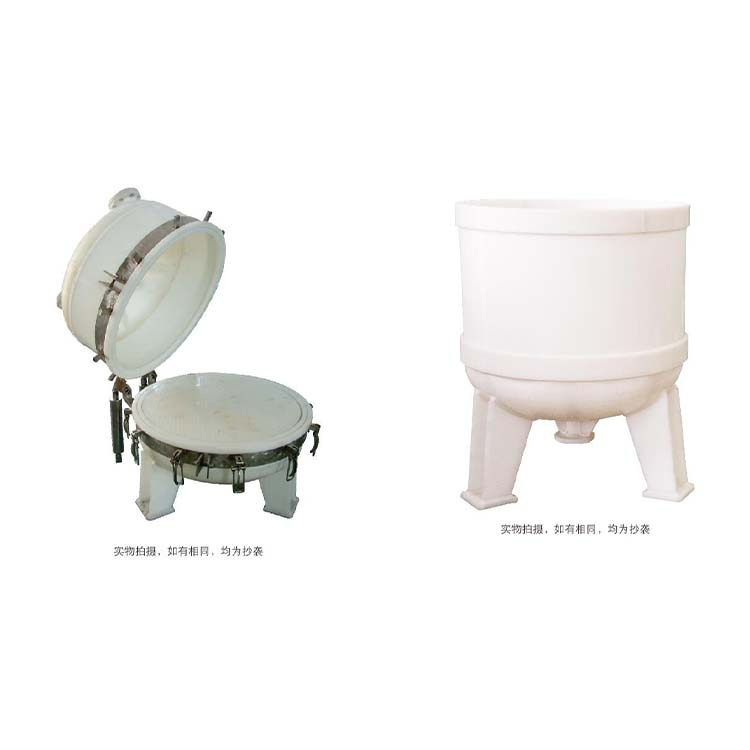
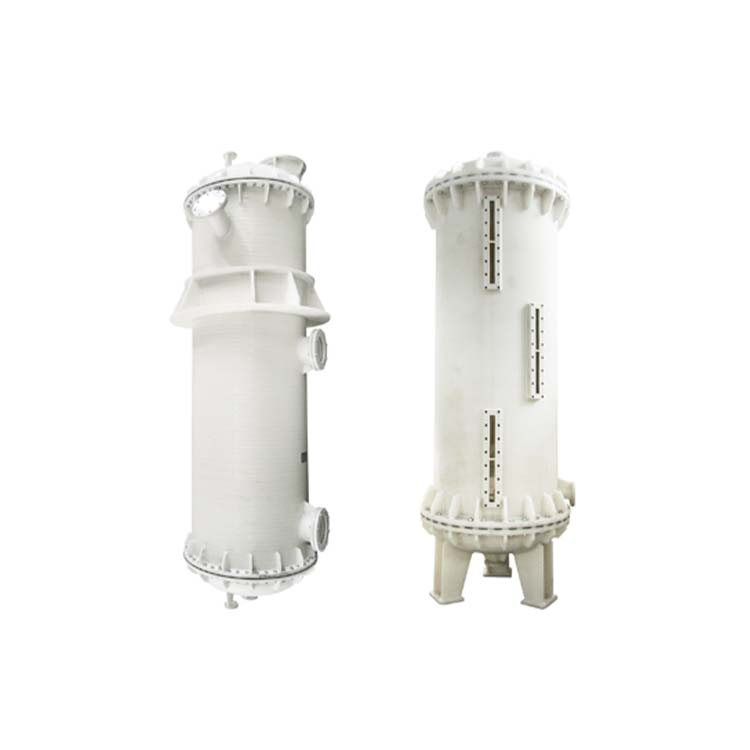
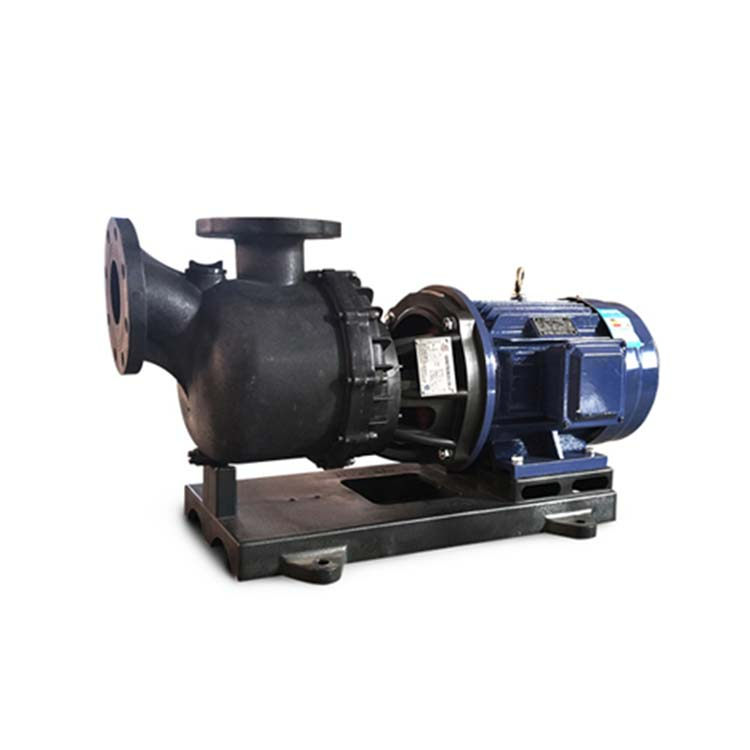
Overview:
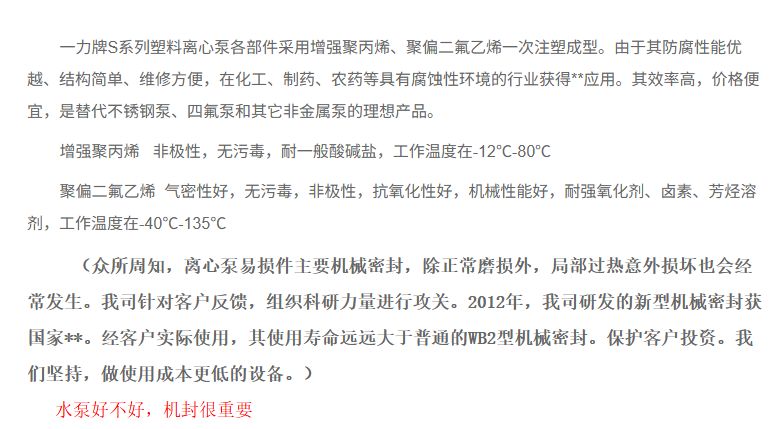
Model Description:
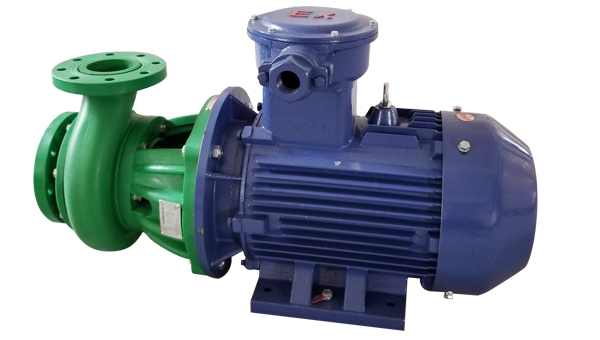
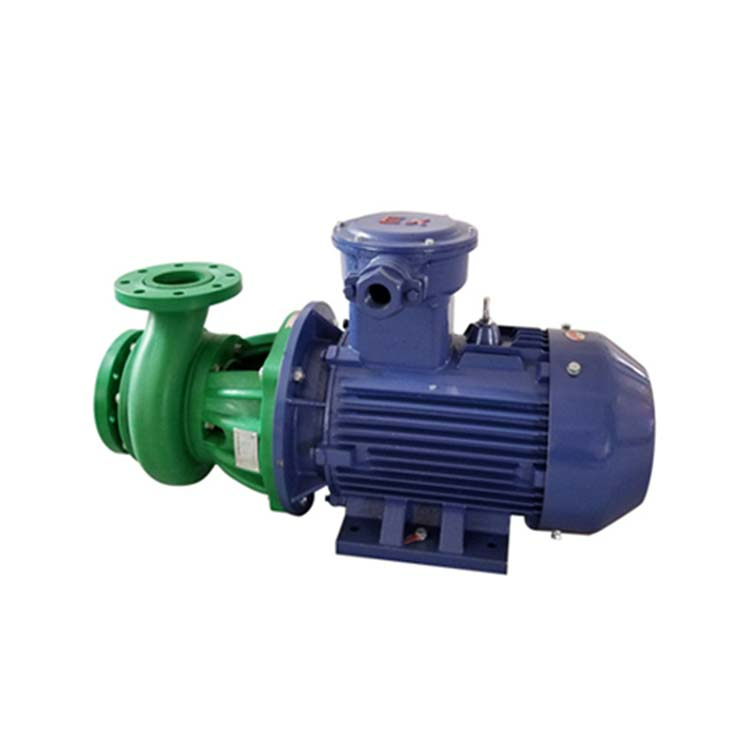
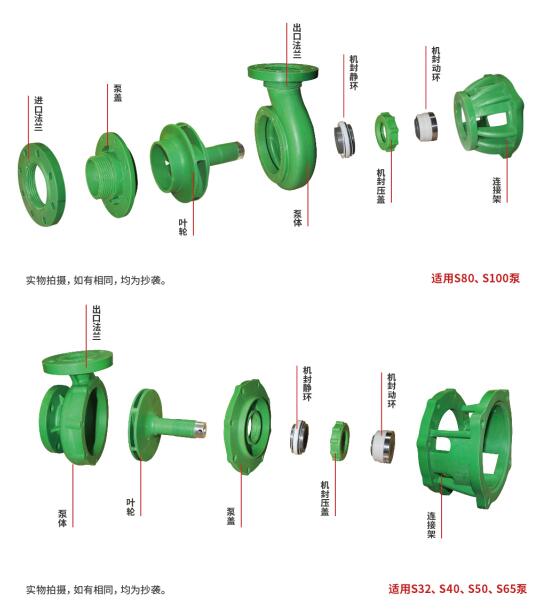
Centrifugal Pump Disassembly Diagram
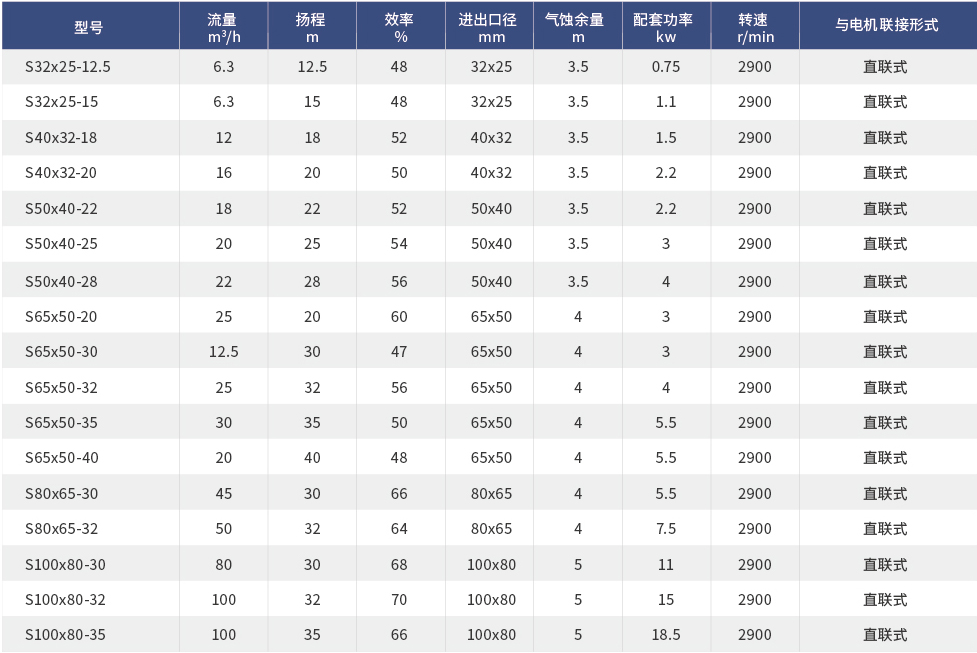
Specs and Application Range:
Product Highlights:
One: The arm is short. The longer the arm, the greater the impeller oscillation; the lower the pump efficiency, and the shorter the service life of the mechanical seal.
Secondly, **abandoning metal frames for RPP material, a second purchase will never be needed unless intentionally damaged.**
Three: **Mechanical Seals, featuring 3-6 times the heat exchange area of standard mechanical seals, offering increased durability.**
Four: **Mechanical Seal, with a unique anti-bubble device to prevent bubble accumulation on the seal surface, thereby avoiding abnormal damage to the pump.**
Other:
Chatterbox: Polypropylene chemical corrosion-resistant centrifugal pumps are widely used in the fields of corrosion prevention in chemicals, pesticides, pharmaceuticals, etc., due to their excellent corrosion resistance and low cost. However, you've probably encountered a situation like this: My equipment was working perfectly fine, and the water temperature wasn't too high, but suddenly, the mechanical seal burned out, the impeller melted, and the pump body or cover also melted away. In no time, a polypropylene centrifugal pump was destroyed, and a thousand or even several thousand yuan was gone. In this case, you might blame the staff for not taking good care of the equipment, but it's also very possible that they are being unjustly accused.
In the absence of dry friction caused by mechanical seal, a significant portion of this issue may be due to the vaporization of fluid within the pump under certain conditions (resulting in localized vacuum within the pump), or the presence of a high gas content in the suctioned fluid. This leads to the fluid blocking the cooling surface of the seal, causing localized dry friction during normal operation. Within just a few seconds, the seal, operating at 2900 RPM, rapidly heats up to 300-400 degrees Celsius or higher.
If you've encountered such issues while using, we recommend using our Yili brand polypropylene centrifugal pump. Our currently produced S40, S50, S80, and S100 series polypropylene centrifugal pumps are equipped with our self-developed mechanical seals. After being tested by multiple clients, they offer superior cooling performance and longer lifespan, significantly reducing the risk of inadequate cooling and damage to the equipment. (Pricing remains unchanged.)
**Principle of Mechanical Seal: 1. The contact area between the seal and the liquid is increased by 3-5 times. 2. The cooling part of the seal extends into the center of the pump body, not in the corner of the external pump body. 3. Local sharp angles to prevent bubble formation.**
Below is a case from one of our clients. Due to the transition period between old and new sealing devices, we partially used the old model on the equipment, which led to the issues mentioned above. After replacing the seals, the problem was resolved.