












Product Introduction:
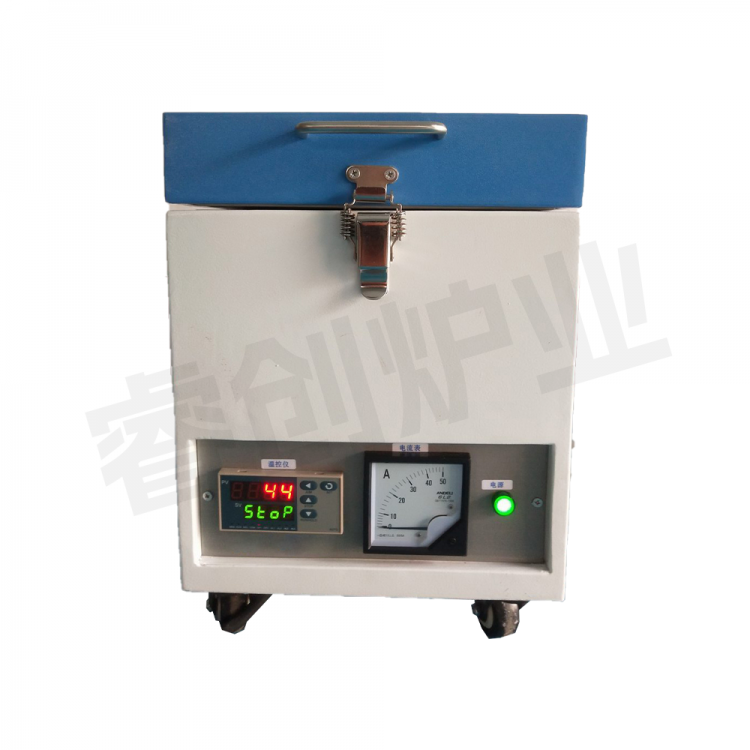
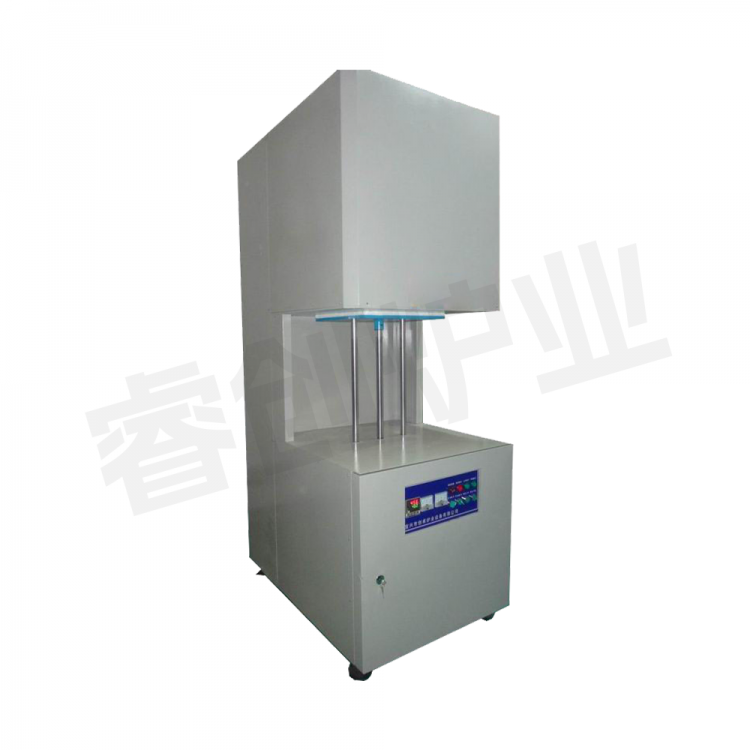
The well-type furnace is widely used in universities, research institutions, ceramics, new material development, and special materials. This equipment introduces advanced technology and is independently researched and produced for energy-saving and environmentally friendly new electric furnaces. It features scientifically and rationally designed technology, a beautiful and generous appearance, advanced and reasonable structure, simple and convenient operation. The outer shell is made of high-quality cold-rolled steel plates, precision machined on CNC machine tools, and processed with luxurious and beautiful two-color imported epoxy powder electrostatic spraying technology. It is resistant to high temperatures, corrosion, and color fading over time.
This furnace boasts even temperature distribution, with the surface temperature of the double-layer heat-insulating body close to room temperature, and features adjustable rates for heating, holding, and cooling. The furnace chamber is constructed using imported high-temperature composite fiber materials through CNC technology, offering strong resistance to thermal shock, excellent resistance to sudden temperature changes, good corrosion resistance, no collapse, crystallization, or spalling, no pollution, and a long service life.
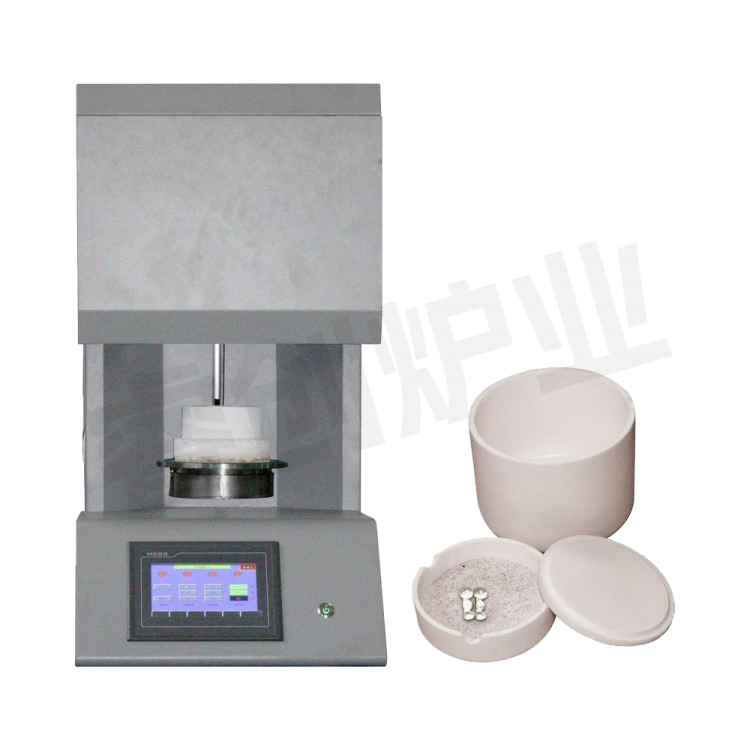
The control system features a touch screen PLC with PID adjustment, automatic control, and self-tuning capabilities. It offers 50-program steps and can be programmed for various heating, constant temperature, and cooling procedures, ensuring high temperature control accuracy.
Protective devices feature independent protection: (over-temperature, over-pressure, over-flow, un-mating, power failure, leakage, short circuit, etc.).
Additionally, through our independently developed control software, the electric furnaces can be connected to computers, allowing for remote control of single or multiple furnaces, starting and stopping the furnaces, setting temperature control programs, storing control programs, viewing historical curves, and printing historical curves.