














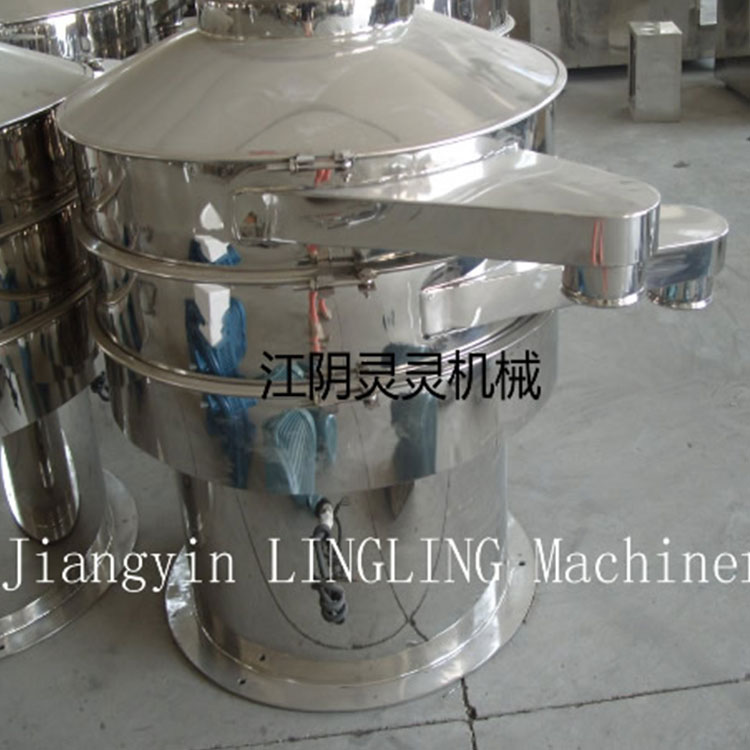
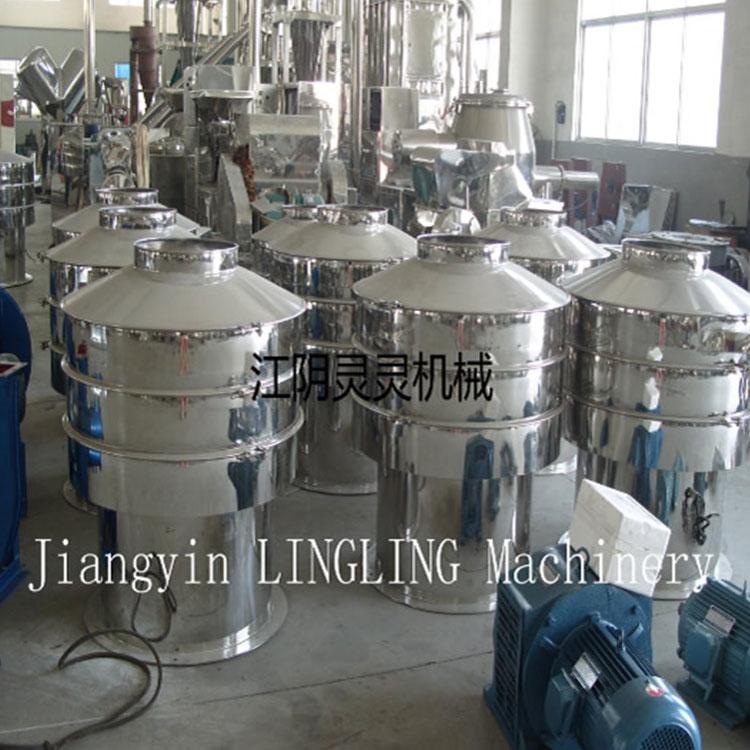
Primary Uses:
Suited for chemicals, food and spices, plastics, mining, pharmaceuticals, forestry and plywood, fertilizers, sugar, metallurgy, recycling industries, grain, and salt.
Features:
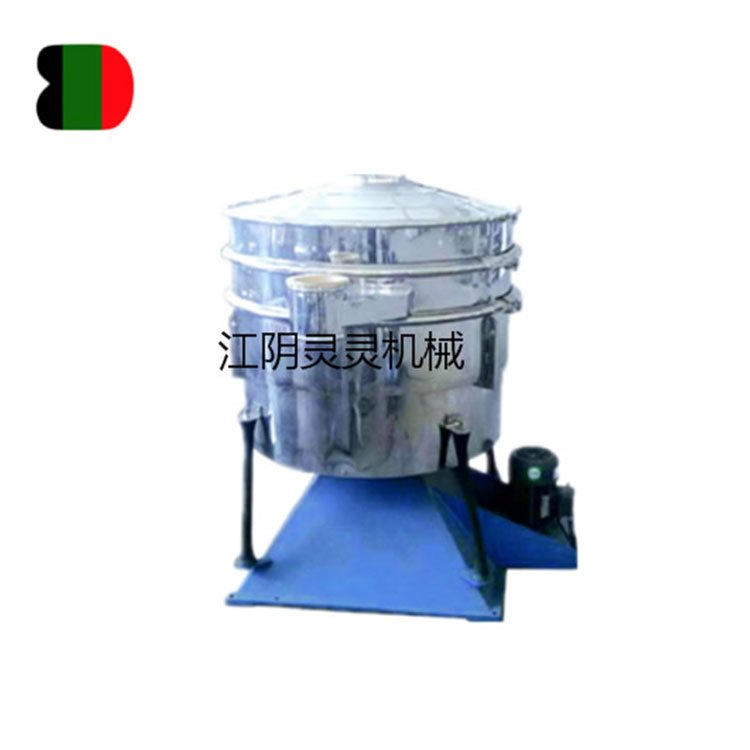
Screening for fine and ultra-fine powders, especially suitable for difficult-to-handle materials.
Efficiently mimicking manual sorting actions and processes, materials exhibit a spiral motion on the sieve surface, ensuring they traverse a relative path over a relative area, resulting in high sorting accuracy!
Soft rock screening, which does not damage the original particle structure of the material, is less likely to generate static electricity. It is a better choice for screening materials that are flammable, explosive, and prone to static electricity, and also effectively extends the service life of equipment components.
A variety of anti-clogging technologies are available, featuring five distinct cleaning methods. The mesh surface can be cleaned with a bouncing ball, a roller brush, a jet spray, an elastic scraper, or ultrasonic technology. The sieve holes remain unblocked, ensuring continuous separation.
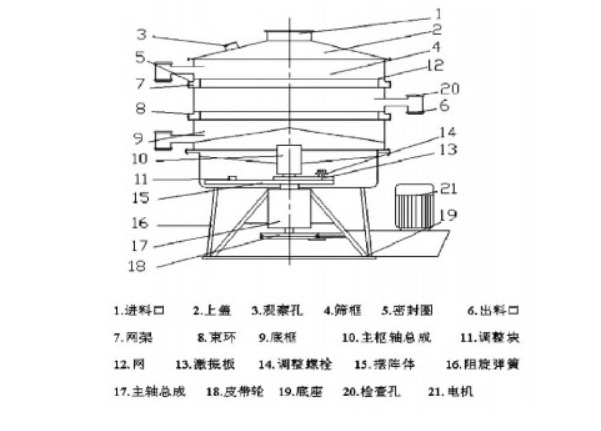
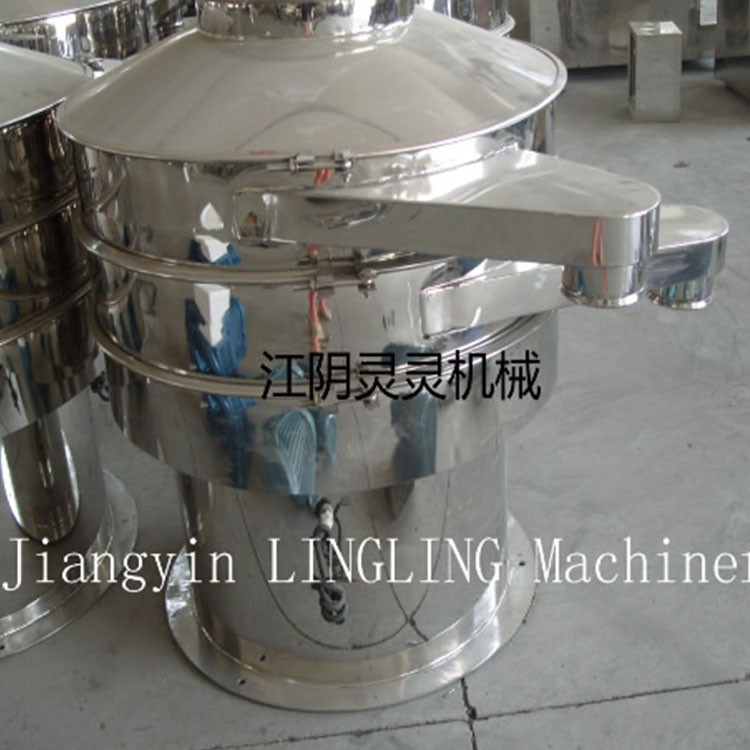
Circular interlocking assembly structure, easy to assemble and disassemble. The discharge port can be rotated 360 degrees freely.
The vertical acceleration value of the material particles is low, making the screen less prone to damage and extending the screen's lifespan.
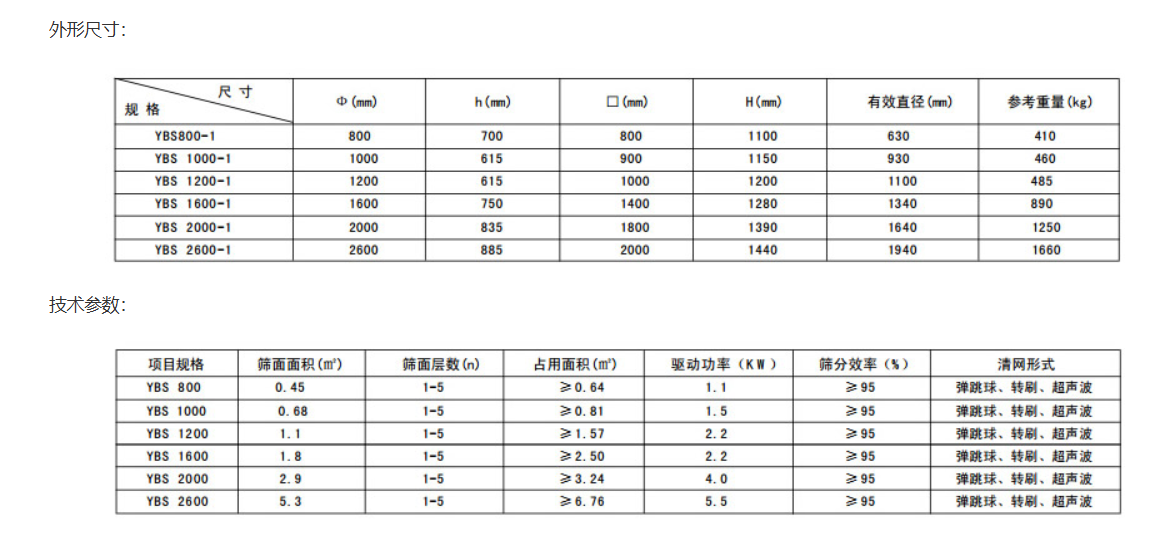
Low noise level up to 75dBa, fully enclosed operation, more environmentally friendly.
Utilizing a standard motor as the power source
Working Principle:
Basic rotational movement is similar to manual screening. Eccentricity is adjustable from 25 to 40mm, and the low-speed V-belt drive speed can be adjusted from 120 to 360 rpm. The dwell time for each product can be adjusted by the radial and angular tilt towards the drive axis of the oscillating screen. This creates a horizontal and vertical acceleration as the particles move, with particles close to the screen hole size successfully separated. Larger particles are transported to the outlet, which is controlled by an adjustable guiding device. This guiding device is another factor in controlling the material's dwell time, and this process is repeated between layers of screens.