Rigid frame engineering and steel structure construction;...



Product Recommendation
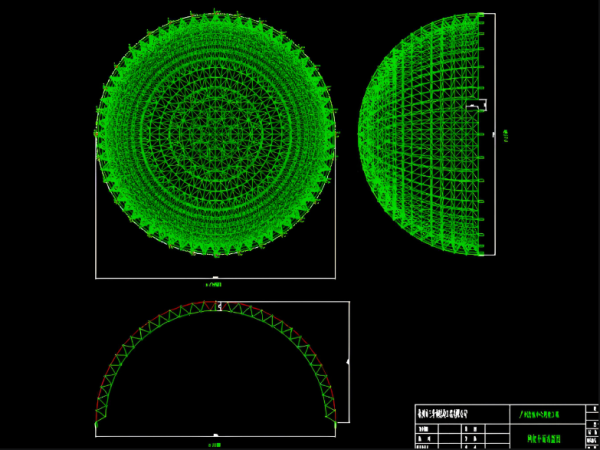
In environments like Xuzhou, which are prone to strong winds, the fabrication and installation of mesh structures face unique challenges. Wind load is a critical factor affecting the safety and stability of the mesh structure, thus, a series of measures must be taken during the design, fabrication, and construction processes to counteract the impact of windy conditions. The following will delve into the aspects of design optimization, material selection, fabrication techniques, construction management, and post-construction maintenance.Xuzhou Steel Structure FabricationHow to Tackle Windy Environments
Design Enhancement
Design is a crucial step in addressing multi-wind environments. In Xuzhou, the assessment and calculation of wind loads are particularly important. During the design process, local meteorological data must be integrated to accurately compute wind pressure distribution, ensuring that the grid structure can withstand wind loads.
Wind Load Calculation: Based on the "Code for Load of Building Structures" and wind speed data from the Xuzhou region, we calculate wind loads rationally. During the design process, factors such as wind direction, wind speed, and wind pressure coefficients must be considered to ensure the safety of the grid structure under different wind directions.
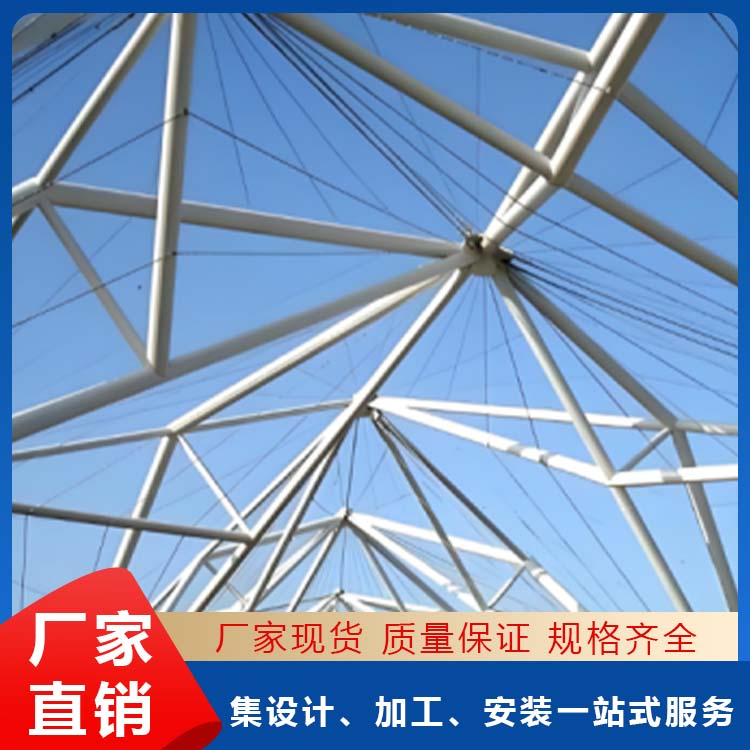
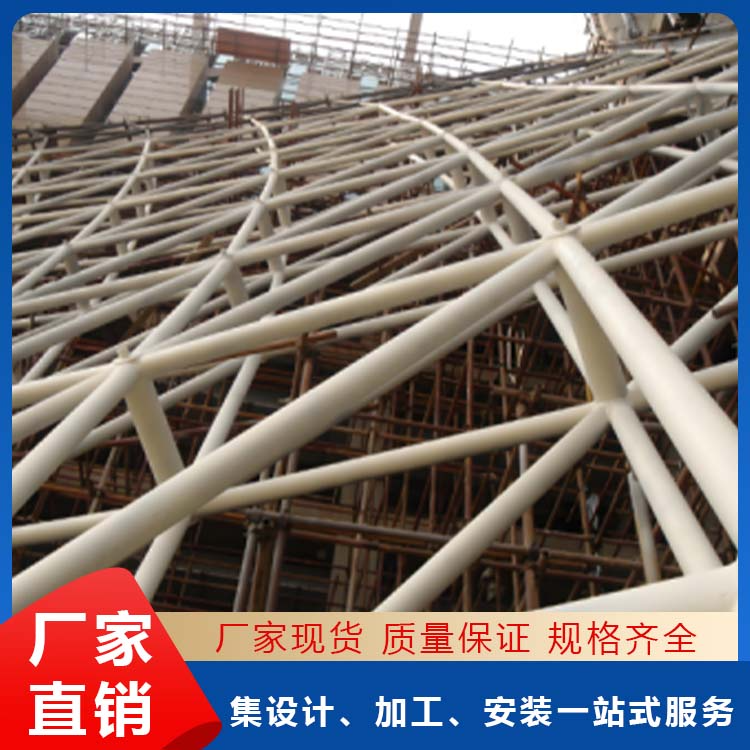
- Structural Optimization: Opting for wind-resistant truss structures, such as spatial trusses and double-layered meshes, which offer high rigidity and stability. These structures effectively distribute wind loads and minimize local stress concentration.
- Node Design: Strengthen node design to ensure sufficient strength and rigidity at connection points. Utilize high-tensile bolts or welding to prevent loosening or damage under wind load conditions.
2. Material Selection
The performance of materials directly affects the wind resistance of the grid structure. In windy environments, high-strength, corrosion-resistant, and fatigue-resistant materials should be selected.
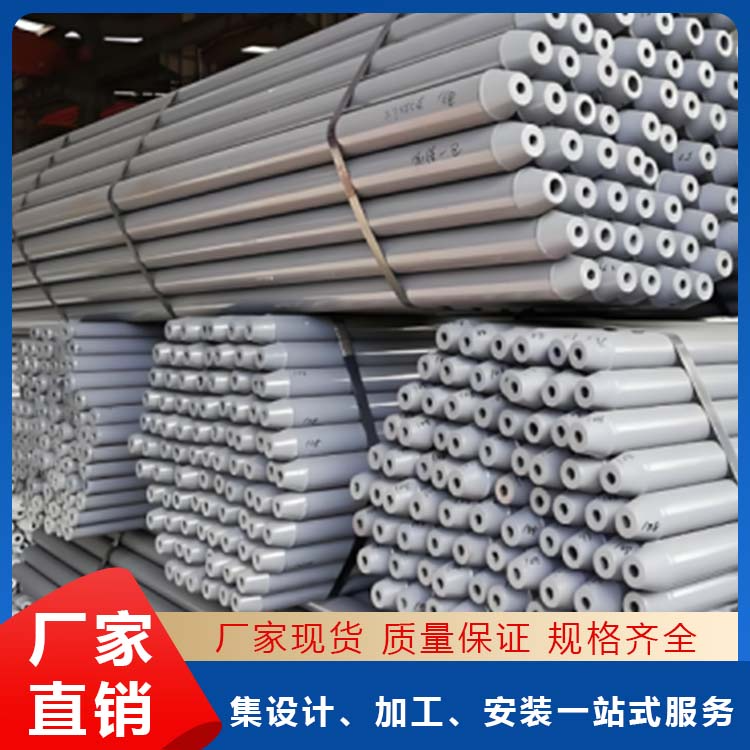
- Steel Selection: High-strength steel grades such as Q345B or Q420B are prioritized to enhance the overall load-bearing capacity of the grid structure. Additionally, the steel should possess good ductility and fatigue resistance to withstand the repetitive effects of wind loads.
- Corrosion Treatment: Due to the variable climate in Xuzhou, steel is prone to corrosion. Therefore, hot galvanizing or applying a corrosion-resistant coating to the steel is necessary to extend its service life and ensure the stability of the mesh structure under long-term wind loads.
Fastener Selection: Choose high-strength, corrosion-resistant materials for fasteners such as bolts and nuts to ensure they do not break or loosen under wind load.
3. Processing Technology
The precision of the manufacturing process directly impacts the quality and wind resistance of the truss structure. In windy environments, particular attention should be given to the following points during the manufacturing process:
Dimensional Precision Control: The dimensional accuracy of truss components directly affects the installation quality. During processing, strict control over the size tolerances of the components should be maintained to ensure tight connections between the components, reducing deformation and vibration under wind load.
- Welding Quality: Welding is a critical process in the fabrication of mesh structures. Weld joints should undergo non-destructive testing to ensure that the welding quality meets design requirements. Defects such as gas pockets and slag can reduce the structure's wind resistance, and they must be strictly avoided.
- Pre-assembly of Components: After processing, the components are pre-assembled to check the fit between them, ensuring smooth assembly and reducing the need for on-site adjustments.
Construction Management
Management measures during the construction process are equally crucial for the wind resistance of the truss structure. In windy environments, the following points should be particularly noted during construction:
- Construction Sequence: Arrange the construction sequence rationally, prioritizing the installation of major load-bearing components to ensure sufficient stability of the grid structure during construction. Avoid high-altitude operations during strong wind weather to ensure construction safety.
- Temporary Support: During the installation process, temporary supports should be set up to ensure the truss structure can withstand wind loads before it is fully installed. The temporary supports must have sufficient strength and rigidity to prevent structural instability due to wind loads.
- Construction Monitoring: During construction, we implement real-time monitoring of the deformation and stress in the grid structure to promptly identify and address any anomalies. Utilizing laser rangefinders, stress sensors, and other equipment ensures that construction quality meets design specifications.
5. Post-Maintenance
Long-term use of grid structures in windy environments is inseparable from regular maintenance and inspections. Scientific maintenance measures can ensure the safety and stability of the grid structure under wind loads.
Regular Inspections: Conduct regular checks on the grid structure, focusing on node connections, welds, and corrosion-resistant coatings, to identify and address potential issues promptly.
Corrosion Maintenance: Regularly maintain anti-corrosion coatings on steel, promptly repair damaged coatings, and prevent steel from losing strength due to corrosion.
Strengthening Measures: During the inspection, if any local components or joints are found to be insufficient in strength, timely strengthening measures should be implemented to ensure the overall stability of the truss structure.
Conclusion
In environments with strong winds like those in Xuzhou, the design and installation of mesh structures require comprehensive considerations across various aspects, including design, materials, manufacturing, construction, and maintenance. By optimizing design, selecting high-performance materials, strictly controlling manufacturing processes, enhancing construction management, and conducting regular maintenance, the wind resistance of the mesh structures can be effectively improved, ensuring their safety and stability in windy conditions. Only through scientific and systematic measures can the challenges posed by windy environments be addressed, ensuring the reliability and durability of the mesh structures over the long term.


www.114global.com © Zhongshang 114 Hebei Network Technology Co., Ltd.Address: Room 6009, Oriental New World Center, No.118 East Zhongshan Road, Qiaoxi District, Shijiazhuang City, Hebei ProvincePlatform Service Hotline: 4006299930