Rigid frame engineering and steel structure construction;...



Product Recommendation
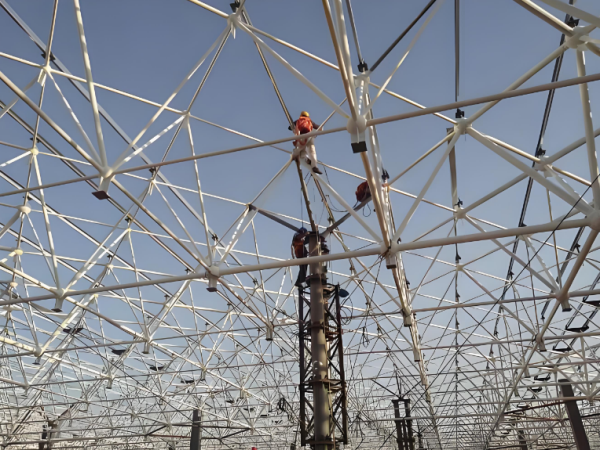
The grid structure is widely used in fields such as architecture, bridges, and sports venues, with its processing efficiency directly affecting project progress and costs. As one of China's key grid processing bases, improving the efficiency of grid processing in Xuzhou is of great significance for local enterprises and the industry's development. This article will explore how to enhance the efficiency of grid processing in Xuzhou from multiple aspects, including technology, management, equipment, and personnel training.
I. Process Optimization
Standardized Design
Standardized design is the foundation for improving the efficiency of grid fabrication. By establishing unified design specifications and standards, it reduces the need for repeated modifications and adjustments during the design process, shortening the design cycle. Moreover, standardized design also facilitates subsequent fabrication and installation, minimizing errors and rework.
2. Modular Production
Modular production involves breaking down the skeletal structure into multiple standard modules, which can be pre-fabricated in the factory and then assembled on-site. This approach reduces the workload on-site and enhances the efficiency of manufacturing and installation.
3. Automated Processing
Introducing automated processing equipment, such as CNC cutting machines and automatic welding robots, can significantly enhance processing accuracy and efficiency. These automated devices can work continuously, reducing human error and fatigue, while also boosting production speed.
Enhance Management Levels
Precision management
Through refined management, every step in the production process can be strictly controlled to ensure each step is carried out as planned. Refined management encompasses the formulation of production plans, material management, and tracking of production progress.
2. Information Management
By utilizing information management systems such as ERP (Enterprise Resource Planning) systems, real-time monitoring and management of the production process can be achieved. Through these systems, one can promptly obtain information on production progress, material inventory, and equipment status, facilitating quick decision-making and adjustments.
3. Supply Chain Management
Streamlining supply chain management to ensure timely availability of raw materials and components, thus avoiding production halts due to material shortages. Establishing long-term partnerships with suppliers to guarantee stable material supply and quality.
III. Introduction of Advanced Equipment
High-precision machining equipment
Introducing high-precision processing equipment, such as CNC cutting machines and laser cutters, enhances accuracy, reduces errors, and minimizes rework. These high-precision machines are also capable of processing complex grid structures to meet diverse design requirements.
2. Automated Welding Equipment
Automated welding equipment can significantly enhance welding efficiency and quality, reducing the labor intensity and errors associated with manual welding. Additionally, these devices enable continuous operation, thereby boosting production efficiency.
3. Smart Detection Equipment
Introducing intelligent detection equipment, such as ultrasonic and X-ray detectors, allows for rapid and accurate inspection of the processed truss structures, ensuring product quality and reducing the need for rework and scrapping.
Enhancing Staff Training
Skill Training
Regularly conduct skill training for employees to enhance their ability to operate equipment and process grid structures. Through the training, employees can master processing technologies and techniques, thereby improving work efficiency.
2. Safety Training
Safety is the foundation of production. Regular safety training ensures employees understand and comply with safety operational procedures, reducing safety incidents during production and avoiding production halts caused by accidents.
3. Team Collaboration
Enhance team collaboration training to improve communication and collaboration among employees, ensuring that all stages of the production process can work closely together, reducing inefficiencies caused by poor communication.
Five: Improve the production environment
Warehouse Layout
Strategically plan the workshop layout to ensure smooth flow between materials, equipment, and personnel, minimizing unnecessary handling and waiting times. A well-designed workshop layout enhances production efficiency and reduces waste during the manufacturing process.
2. Environmental Control
Maintain optimal environmental conditions such as temperature, humidity, and ventilation in the workshop to ensure equipment operates smoothly and minimize equipment failures and production delays caused by environmental factors.
3. 5S Management
Implementing the 5S management system (Sort, Set in Order, Shine, Standardize, Sustain) to maintain a clean and organized workshop, reducing inefficiencies caused by disorganized material storage and improper equipment maintenance.
Six: Technological Innovation and R&D
New Material Applications
Focusing on the research and application of new materials, such as high-strength steel and composite materials, can reduce the weight of grid structures, enhance their strength and durability, while also simplifying the processing complexity and shortening the time required.
2. New Process Development
Continuously developing new processing technologies, such as laser cutting and 3D printing, can enhance processing accuracy and efficiency, meeting the needs for complex grid structure fabrication.
3. Intelligent production
Exploring intelligent production technologies such as the Internet of Things, big data, and artificial intelligence can enable intelligent monitoring and optimization of the production process, enhancing efficiency and quality.
Section 7: Summary
To enhance the efficiency of Wuxiu's truss fabrication, efforts must be made across multiple fronts, including optimizing manufacturing processes, improving management levels, introducing advanced equipment, strengthening staff training, refining the production environment, and fostering technological innovation and R&D. By integrating these measures, the efficiency of truss fabrication can be significantly increased, production costs reduced, and the company's competitiveness enhanced. Simultaneously, the enterprise should continuously monitor industry trends and technological development, persistently innovating in technology and optimizing management to meet market demands and changes.


www.114global.com © Zhongshang 114 Hebei Network Technology Co., Ltd.Address: Room 6009, Oriental New World Center, No.118 East Zhongshan Road, Qiaoxi District, Shijiazhuang City, Hebei ProvincePlatform Service Hotline: 4006299930