

Product Details



价 格Negotiable
最小起订1 库存1003
 Business Card
Negotiable

Negotiable

Negotiable

Negotiable
 Meat Processing Wastewater Treatm
Negotiable
Meat Processing Wastewater Treatm
Negotiable
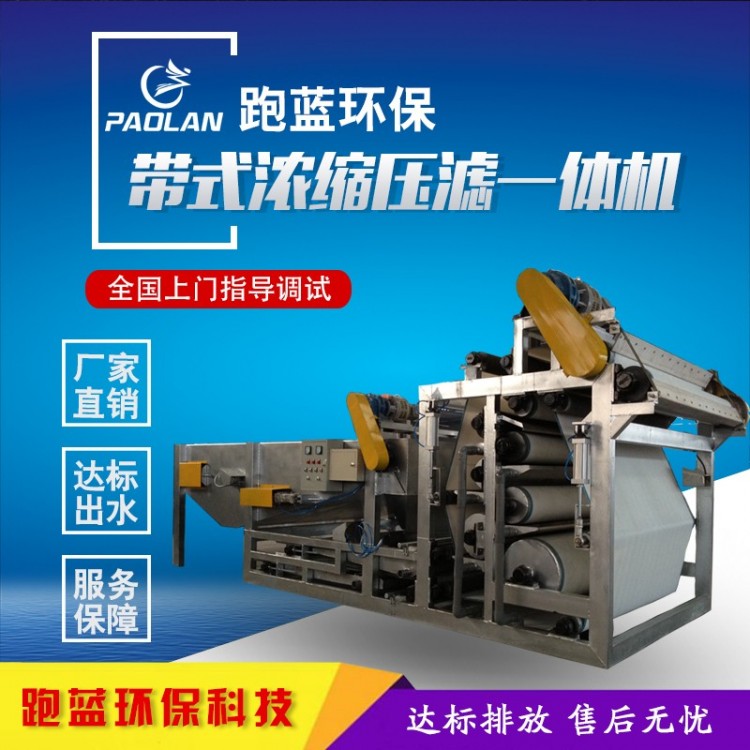 Belt-type Concentrated Press Filt
Negotiable
Belt-type Concentrated Press Filt
Negotiable
 Electrophoresis wastewater treatm
Negotiable
Electrophoresis wastewater treatm
Negotiable
 IC Anaerobic Reactor
Negotiable
Dyeing and Printing Wastewater Tr
Negotiable
Vortex Induced Gas Floating Machi
Negotiable
IC Anaerobic Reactor
Negotiable
Dyeing and Printing Wastewater Tr
Negotiable
Vortex Induced Gas Floating Machi
Negotiable
 Wastewater Treatment Equipment Ma
Negotiable
Wastewater Treatment Equipment Ma
Negotiable
 Integrated Automatic Dosage Feedi
Negotiable
Integrated Automatic Dosage Feedi
Negotiable
 Municipal wastewater treatment eq
Negotiable
Municipal wastewater treatment eq
Negotiable
 Periphery Transmission Sludge Suc
Negotiable
Periphery Transmission Sludge Suc
Negotiable

I. Overview
The Upflow Anaerobic Sludge Bed (UASB) reactor is an organic wastewater treatment technology developed and manufactured by our company, based on the digestion and absorption of domestic and international achievements. It has been successfully applied in various industrial wastewater treatments.
High-concentration organic wastewater, such as alcohol, molasses, citric acid, etc., medium-concentration wastewater, such as beer, slaughterhouse, soft drink, etc., and low-concentration wastewater, such as domestic sewage, etc.
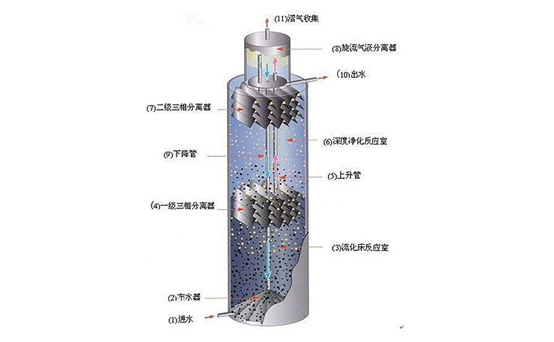
The UASB reactor effluent is introduced as evenly as possible to the bottom of the reactor, where it rises through a sludge bed containing granular or floc sludge. Anaerobic reactions occur during the contact between the effluent and sludge particles. The biogas produced anaerobically (mainly methane and carbon dioxide) causes internal circulation, which is beneficial for the formation and maintenance of granular sludge. Some of the gases formed in the sludge layer adhere to sludge particles, while others do not. Both adhered and non-adhered gases rise towards the top of the reactor. As they reach the surface, the sludge impacts the bottom of the three-phase reactor gas emitters, causing the adhered bubble sludge flocs to degas. After the bubbles are released, the sludge particles settle to the surface of the sludge bed, and both adhered and non-adhered gases are collected in the gas collection chamber of the three-phase separator at the reactor top.
II. Working Principle
The UASB reactor effluent is introduced as evenly as possible to the bottom of the reactor, where it rises through a sludge bed containing granular or floc sludge. Anaerobic reactions occur during the contact between the effluent and sludge particles. The biogas produced anaerobically (mainly methane and carbon dioxide) causes internal circulation, which is beneficial for the formation and maintenance of granular sludge. Some of the gases formed in the sludge layer adhere to sludge particles, while others do not. Both adhered and non-adhered gases rise towards the top of the reactor. As they rise, the sludge impacts the bottom of the three-phase reactor gas emitters, causing the adhered bubble sludge flocs to degas. After the bubbles are released, the sludge particles settle to the surface of the sludge bed, and both adhered and non-adhered gases are collected in the gas collection chamber of the three-phase separator at the reactor top. The baffle placed beneath the gaps in the gas collection chamber unit serves to protect the gas emitters and prevent biogas bubbles from entering the settling zone, otherwise, it would cause turbulence in the settling zone, hindering granular settlement. The liquid containing some residual solids and sludge particles passes through the separator gaps into the settling zone.
Due to the increased overflow area in the inclined wall sedimentation zone of the separator as it approaches the water surface, the upward flow velocity decreases near the discharge point. With the reduced flow velocity, sludge flocs can coagulate and settle in the sedimentation zone. To some extent, the accumulated sludge flocs on the three-phase separator will exceed the frictional force holding them on the inclined wall, causing them to slide back into the reaction zone, where they will react with the incoming organic matter.
Section 3: Equipment Diagram

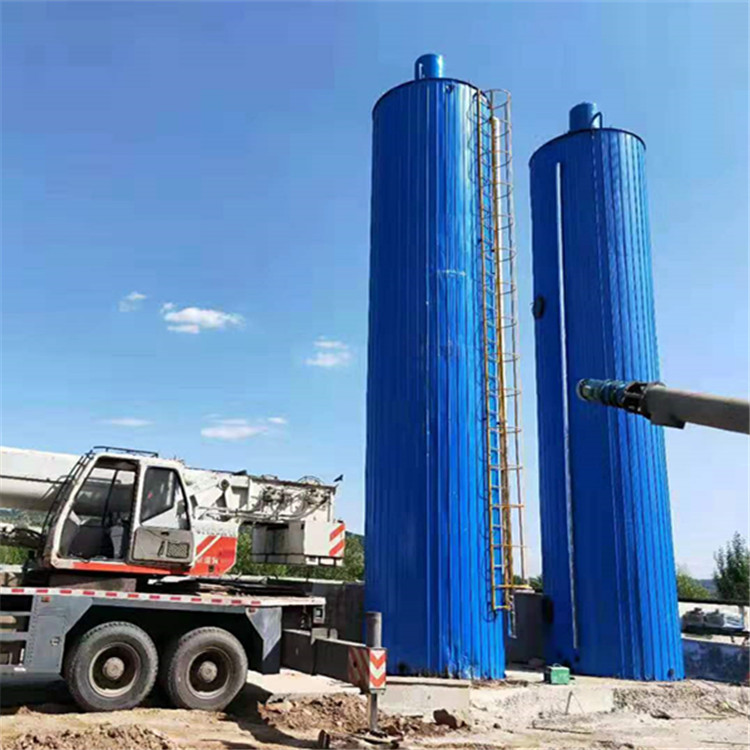
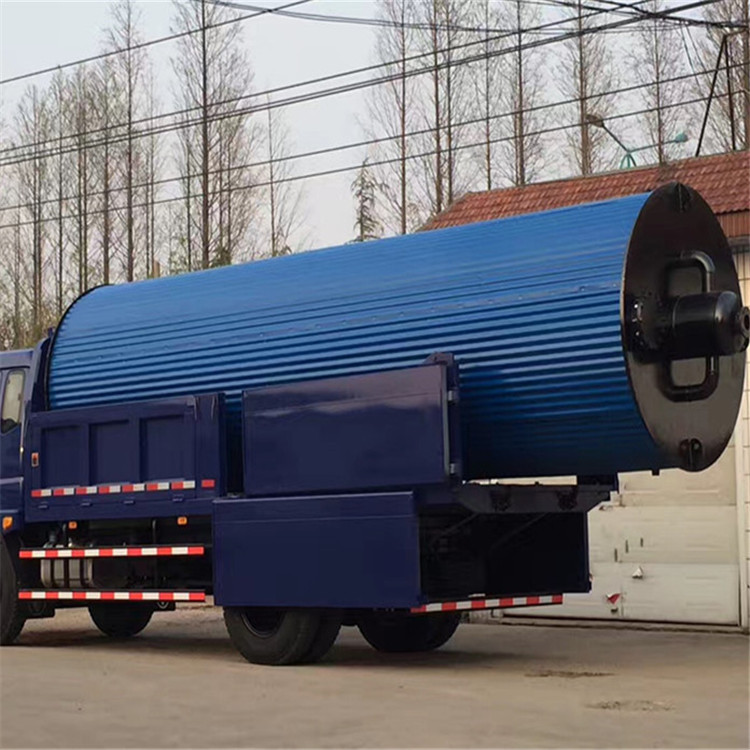
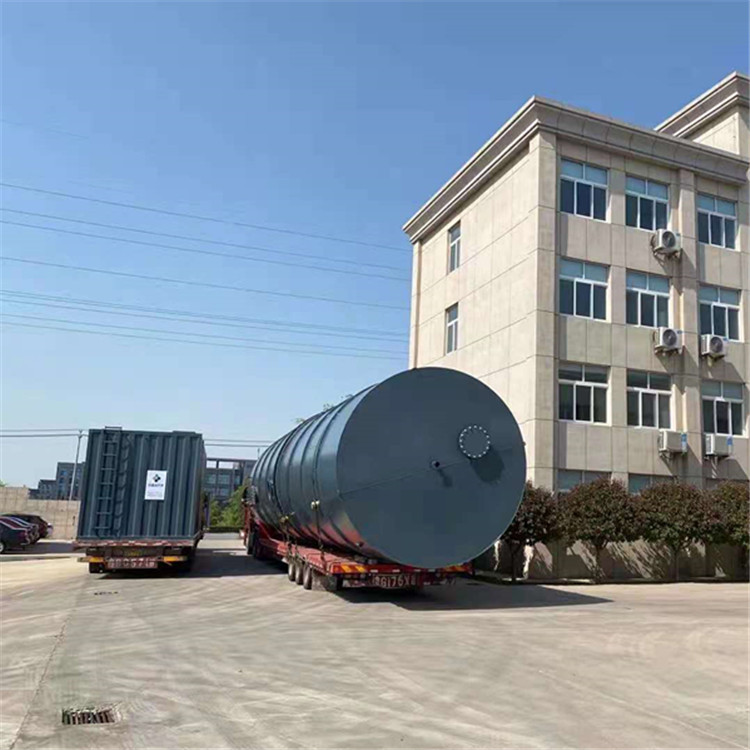
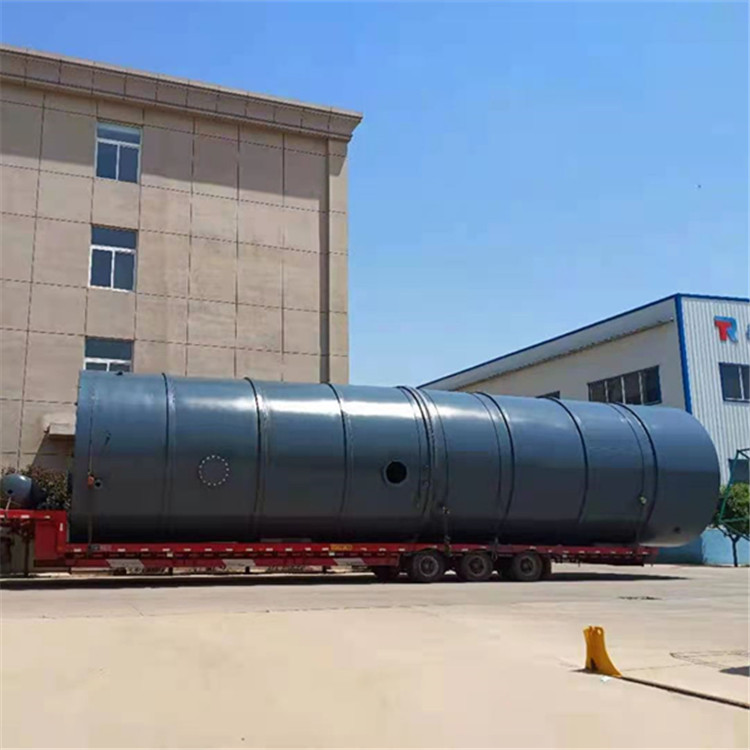
.jpg)

Phone Consultation