

Product Details



价 格Negotiable
最小起订0 Piece库存0 Piece
 Business Card
Negotiable
Negotiable

Negotiable

Negotiable
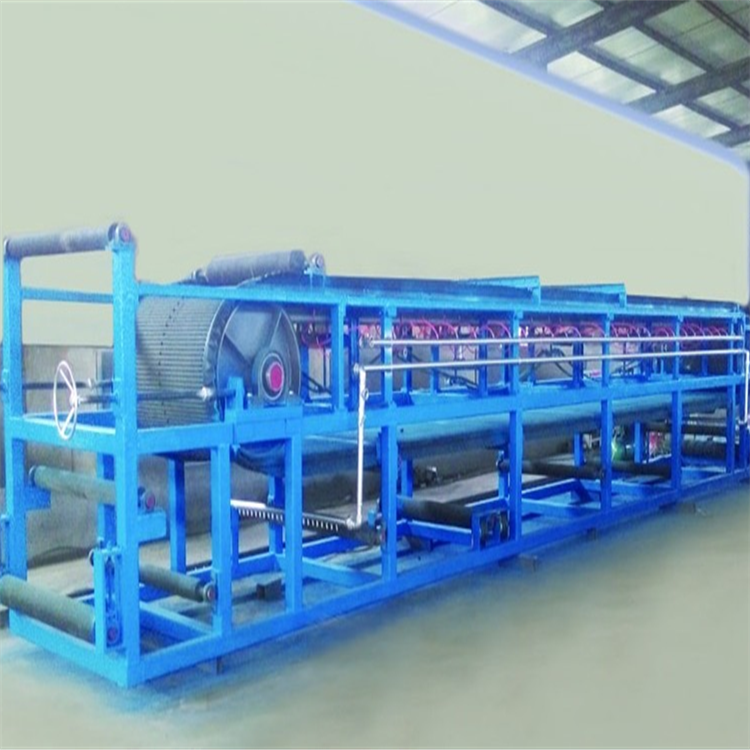 Vacuum Belt Filter Machine
Negotiable
Vacuum Belt Filter Machine
Negotiable
 Filter
Negotiable
Filter
Negotiable
 Integrated Wastewater Treatment E
Negotiable
Oiled Wastewater Treatment Equipm
Negotiable
Integrated Wastewater Treatment E
Negotiable
Oiled Wastewater Treatment Equipm
Negotiable
 Municipal wastewater treatment eq
Negotiable
Municipal wastewater treatment eq
Negotiable
 Integrated Automatic Dosage Feedi
Negotiable
Integrated Automatic Dosage Feedi
Negotiable
 Hospit al Wastewater Treatment Eq
Negotiable
Hospit al Wastewater Treatment Eq
Negotiable
 Rural wastewater treatment equipm
Negotiable
Rural wastewater treatment equipm
Negotiable
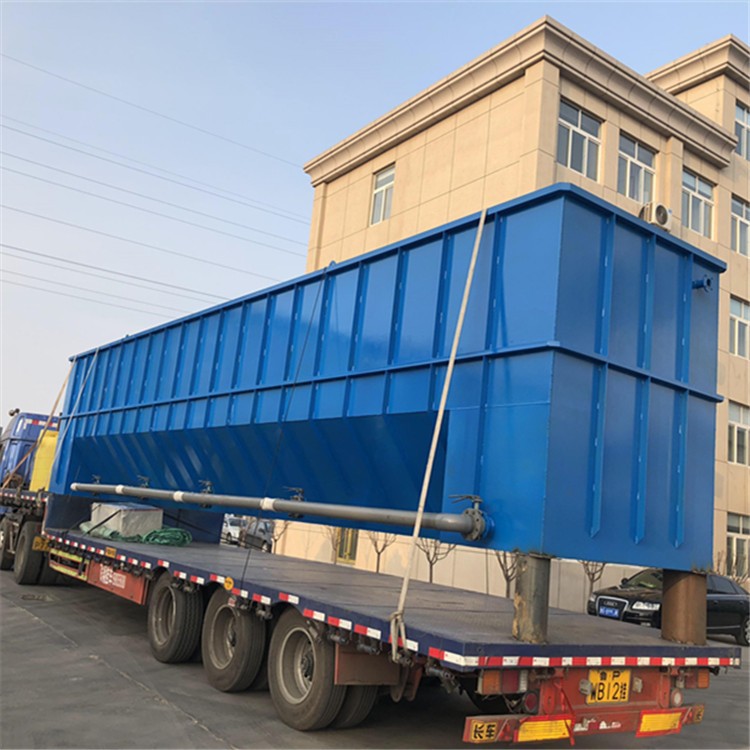 Tilted Tube Settler
Negotiable
Tilted Tube Settler
Negotiable
 UASB Anaerobic Reactor
Negotiable
UASB Anaerobic Reactor
Negotiable


Washing and Wastewater Treatment Equipment - Overview
Washing wastewater, primarily composed of soap, fats, synthetic detergents, cleaners, and trace amounts of harmful substances like bacteria and coliforms, has become a significant source of water pollution. The concentration of organic matter in washing wastewater varies greatly, with high turbidity and a BOD/COD ratio of around 0.45, indicating good biodegradability. The active ingredients in detergents are surfactants and builders, along with various auxiliary components such as bleaching agents. Surfactants are categorized into cationic, anionic, and non-ionic types based on their molecular structure and functional groups. The latter two are widely used in both industrial and domestic settings.
Cleaners are commonly used household detergents in daily life. For dishwashing cleaners, their basic function is to clean and maintain health. Currently, the main ingredient of dishwashing cleaners on the market is petroleum-based compounds, which are extremely difficult to degrade in the natural environment. With the huge amount being used now, the large volume of domestic wastewater generated from washing dishes will cause significant pollution to the ecological environment; moreover, there will inevitably be trace amounts of chemical residues on dishes during use. Over time, these residues can accumulate in the human body, posing adverse effects on health.
Wastewater Treatment Equipment - Analysis of Waste Water Pollution Sources
Washing wastewater, primarily composed of soap, fats, synthetic detergents, cleaning agents, and trace amounts of harmful substances like bacteria and coliforms, has become a significant source of water quality pollution. When discharged into water bodies, it depletes dissolved oxygen and exhibits slight toxicity to aquatic life, causing fish deformities. The phosphates present can lead to eutrophication of the water bodies.
Section 3: Process Description of Washing and Wastewater Treatment Equipment
1. Wastewater from washing is channeled into the wastewater treatment station, where it is filtered through格栅 to remove large particles of silt, debris, and household waste before entering the sand sedimentation pond. Prior to entering the pond, it first passes through a hair collector to remove a large amount of fibrous suspended matter. The clear water in the pond then flows into an integrated biochemical reactor, with the anaerobic zone serving to degrade large molecular organic matter and perform denitrification to eliminate NH3-N. The membrane-bioreactor section is an aerobic biochemical reactor. The water treated biologically and filtered through membranes then enters a dosing disinfection pond, where it is chlorinated for disinfection, and subsequently flows into a collection pond before being pumped to the points of use. To remove NH3-N from the water, a large proportion of the sludge from the aerobic biochemical zone is recycled back to the anaerobic biochemical zone.
2. MBR (Integrated Membrane-Bioreactor) Tank: Dissolved oxygen in the MBR tank exceeds 2.0 mg/L, sludge concentration ranges from 8000 mg/L to 12000 mg/L, with low sludge loading and high volume loading. The inherent functions of the MBR process ensure stable effluent quality meeting discharge standards.
3. Sludge Treatment:
The membrane-bioreactor technology employed features a low sludge load, coupled with sufficient aeration and a low organic concentration in this scheme, resulting in minimal residual sludge generation. This sludge can be recycled back to the anaerobic pond for digestion, thereby regulating the sludge concentration in the membrane bioreactor and treating the residual sludge. However, considering that some residual sludge may accumulate over long-term operation, a sludge treatment system has been set up. Sludge discharged from the MBR is transferred to a sludge concentration pond, dried and concentrated naturally, then pumped into a press filter using a screw pump, and finally transported out after being dried.



Phone Consultation