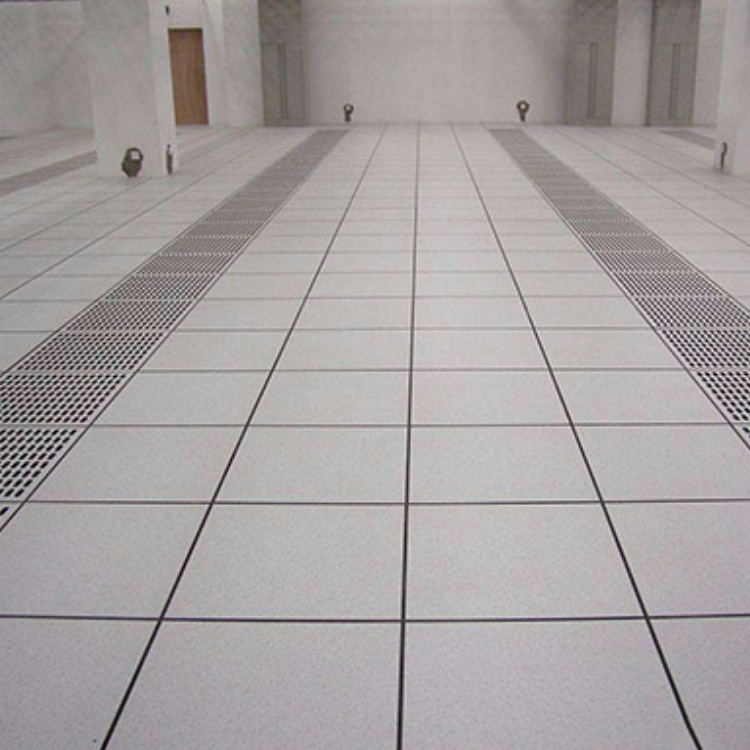
Epoxy Floor Coating Installation, Acid-Resistant Tiles, Vinyl Corrosion-Resistant Flooring
13052015888
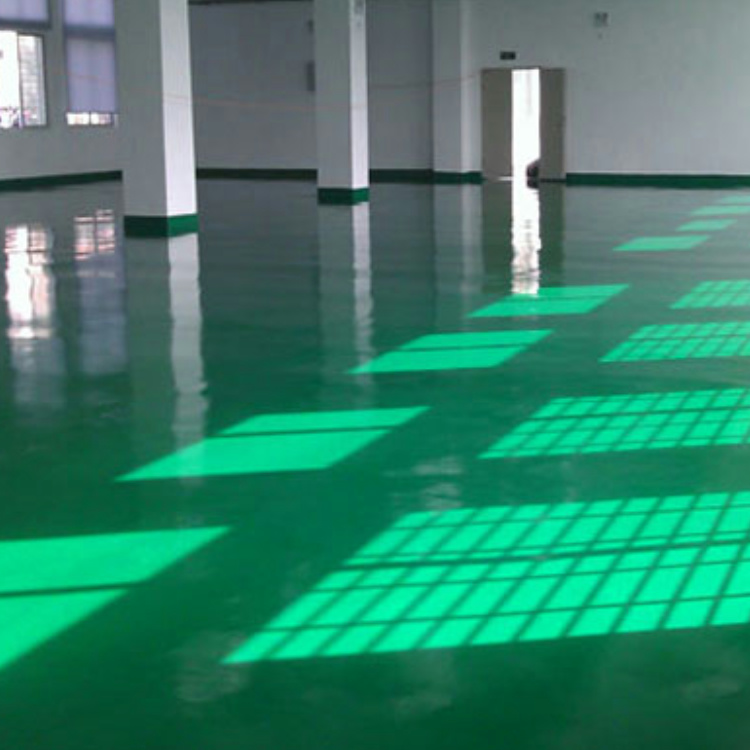
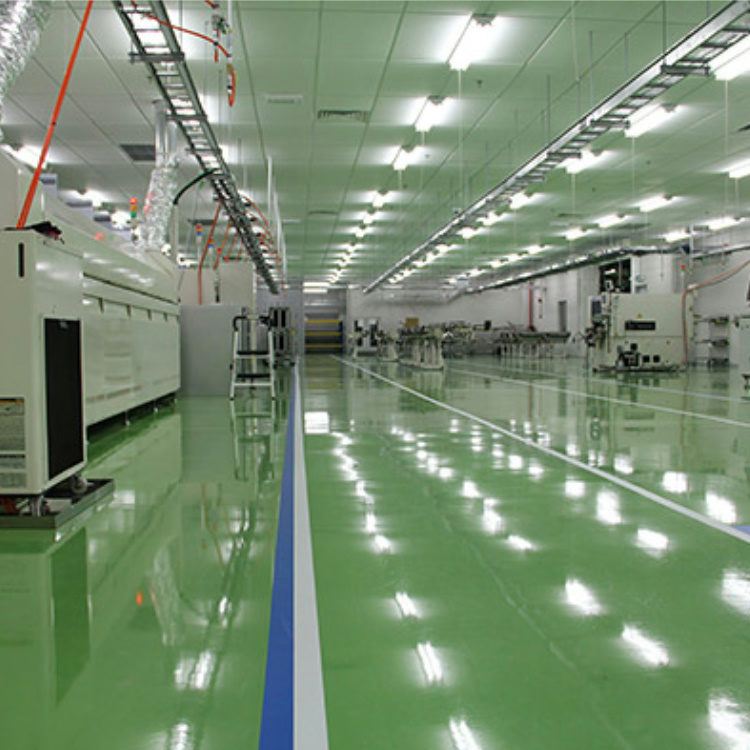
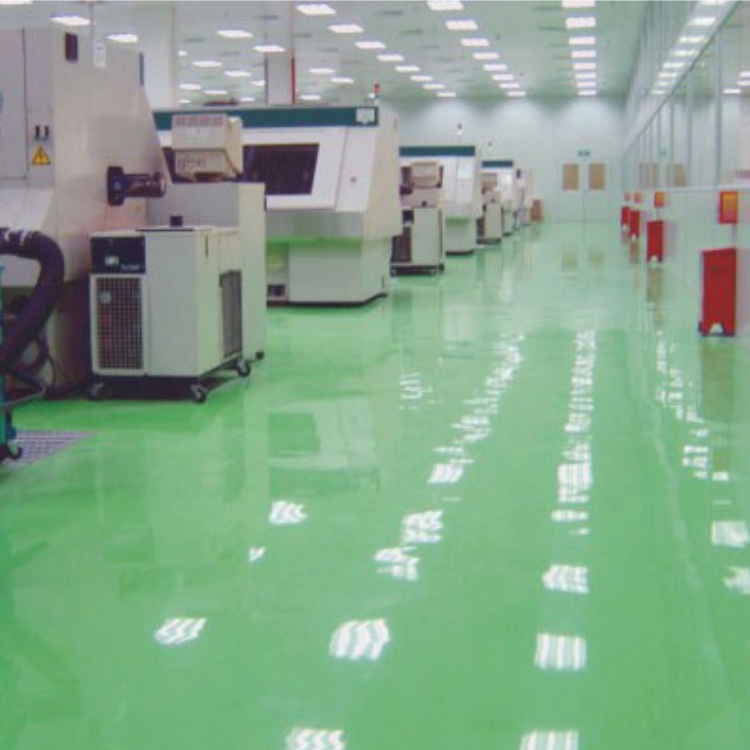
Epoxy flooring is a well-known term, and it can be seen in many places such as factories, parking lots, and laboratories. In fact, epoxy flooring boasts features like beauty, wear resistance, waterproofing, and corrosion resistance. What are the precautions to take during epoxy flooring installation, and what are the influencing factors?
Important Considerations for Epoxy Floor Coating Application
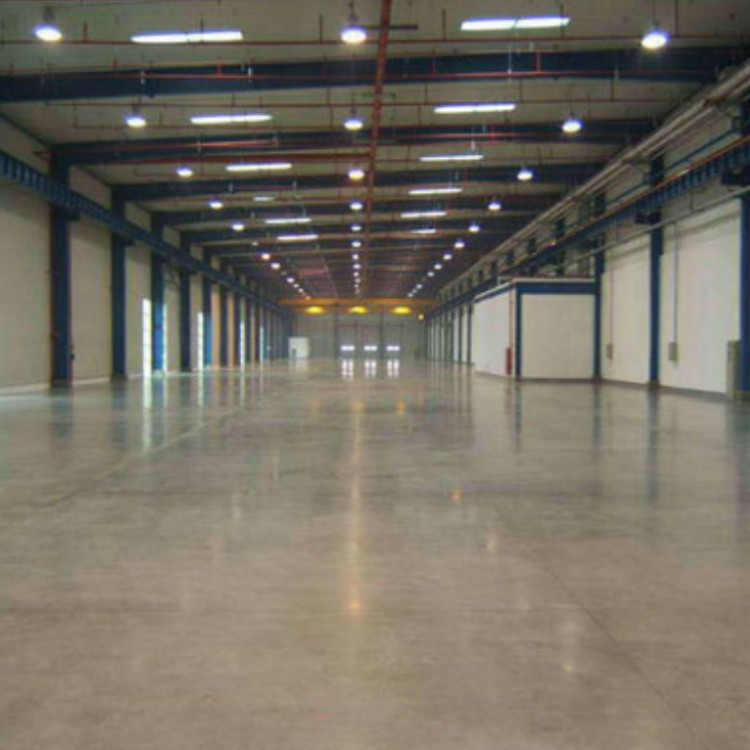
1. Newly poured concrete floor: Concrete is primarily composed of cement, sand, stone, lime, etc., characterized by high water absorption, strong alkalinity, and slow drying. The surface efflorescence and water absorption of freshly poured concrete are key factors affecting the quality of coating. Therefore, it requires a considerable drying time before coating, typically 28 days or more unless a special water-reducing agent is used, with the moisture content of the base surface to be less than 6%. Surface efflorescence must be removed, and neutralization treatment may be necessary. The concrete strength must reach C25 or higher. The flatness of the floor is checked using a 2-meter straightedge, with gaps not exceeding 3mm.
2. Used Ground: For worn-out surfaces, damaged areas should be repaired. If there are wax layers, oil contamination, chemical corrosion agents, or old coatings, appropriate methods should be employed for treatment.
3. Floor Paint Key Points: The self-leveling property mentioned in the floor paint primarily refers to the topcoat, while the primer and intermediate coats are similar to other types of floor paints. The self-leveling topcoat is crucial for both the appearance and performance of the epoxy self-leveling floor. The application of the self-leveling topcoat is mainly done using a trowel, gently moving the paint with the notched side of the trowel to create a slight momentum, allowing the self-leveling paint to flow evenly. During the application process, factors such as temperature, application methods, and techniques directly impact the quality of the epoxy self-leveling floor.
Floor Coating Application - Factors Influencing
Factors Affecting Floor Coating Temperature.
The temperature directly affects the leveling property of epoxy self-leveling floor paint. In high temperatures, the viscosity of the epoxy self-leveling floor paint decreases, becoming more like "water," and it cannot form thickness, leading to uneven ground coverage. In low temperatures, the viscosity of the epoxy self-leveling floor paint increases, causing a decrease in leveling property, significantly raising the difficulty of trowel application, and making it difficult to spread.
2. Factors affecting the construction methods of flooring.
Currently, the domestic self-leveling epoxy construction method primarily uses trowels for scraping. The advantage is that workers can generally start the construction after simple training. However, the drawback is the low construction efficiency, with an average worker able to cover only 300-500 square meters per day. Since floor paint has the characteristic of forming a single coating, for large-scale construction, it often requires more than a dozen workers to work simultaneously.
Physical Properties: Viscous liquid or solid. The relative molecular weight of the resin is below 500, making it a thick liquid at room temperature. When the relative molecular weight of the resin exceeds 500, it gradually transitions into a solid.
Solubility can dissolve in certain solvents, and the solubility of the resin decreases with the addition of molecular weight. Ketones, esters, ether alcohols, and halogenated hydrocarbons are solvents for epoxy resins, which have good solvating abilities for epoxies. Aromatic hydrocarbons and alcohols are not solvents for epoxy resins, but when combined, they can act as solvents for medium molecular weight resins. Together, epoxy floor paints often use solvents to reduce costs and improve film properties and application performance. When preparing solvents, the following issues should be noted:
Solvent Payability
High molecular weight resins are treated with ketones or ether alcohols; medium molecular weight resins can be used as solvents for aromatics and alcohols; low molecular weight resins can dissolve in aromatics, but aromatics and alcohols are used to enhance solubility. Solvent.
Application Method of Paint
The pre-evaporation rate of solvents used in paints should be slower to achieve the labor-saving effect of brushing and to ensure the brush marks on the film are even. The solvents for drying the paint should also be controlled early on to prevent rapid evaporation and the formation of a thin film.
Contact us

Service Hotline
13052015888
Company Telephone
13052015888

WeChat Number
18616126556

Address
288 Ningfu Road, 6th Floor, Building 1, Nanqiao Town, Fengxian District, Shanghai
www.114global.com © Zhongshang 114 Hebei Network Technology Co., Ltd.Address: Room 6009, Oriental New World Center, No.118 East Zhongshan Road, Qiaoxi District, Shijiazhuang City, Hebei ProvincePlatform Service Hotline: 4006299930