

Water Treatment Equipment, Wastewater Treatment Equipment...



Product Recommendation
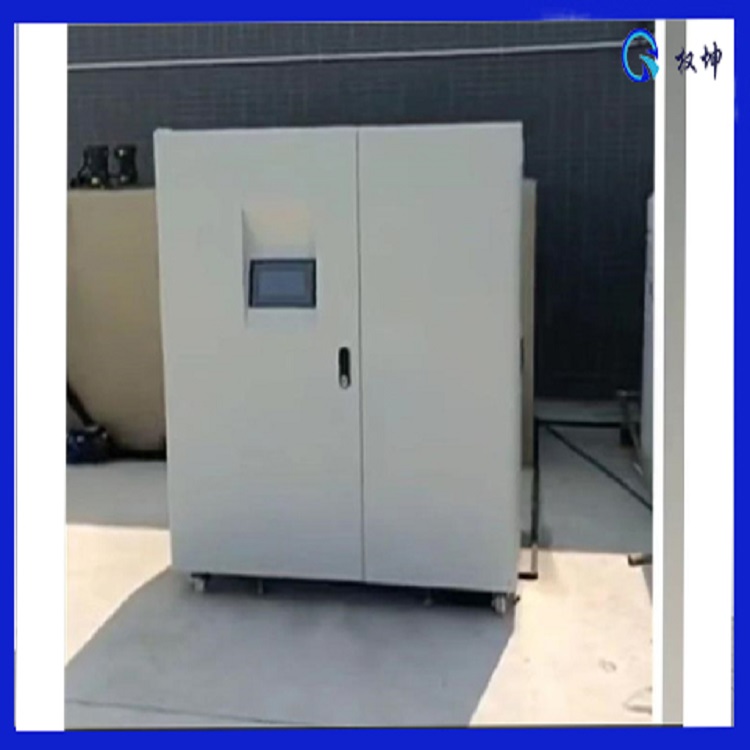
Quan Kun - Comprehensive Laboratory Waste Water Treatment Equipment - Remote Monitoring - Automated Control
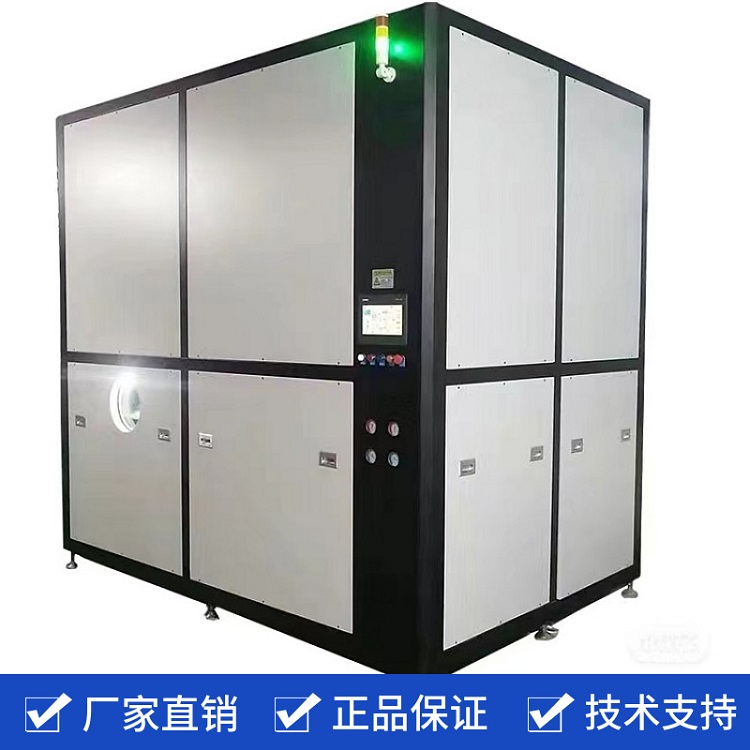
Sodium Chloride Wastewater Low-Temperature Evaporator - Intelligent Automatic - Quankun - Integrated Design
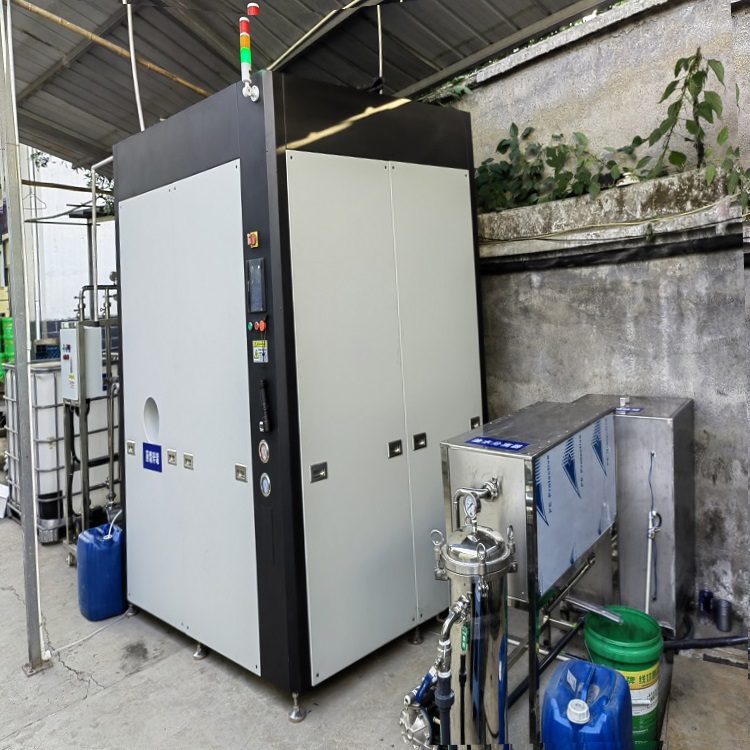
High-Concentration Oil Emulsion Waste Water Treatment Equipment - Quankun - Evaporator Unit - High Concentration Ratio
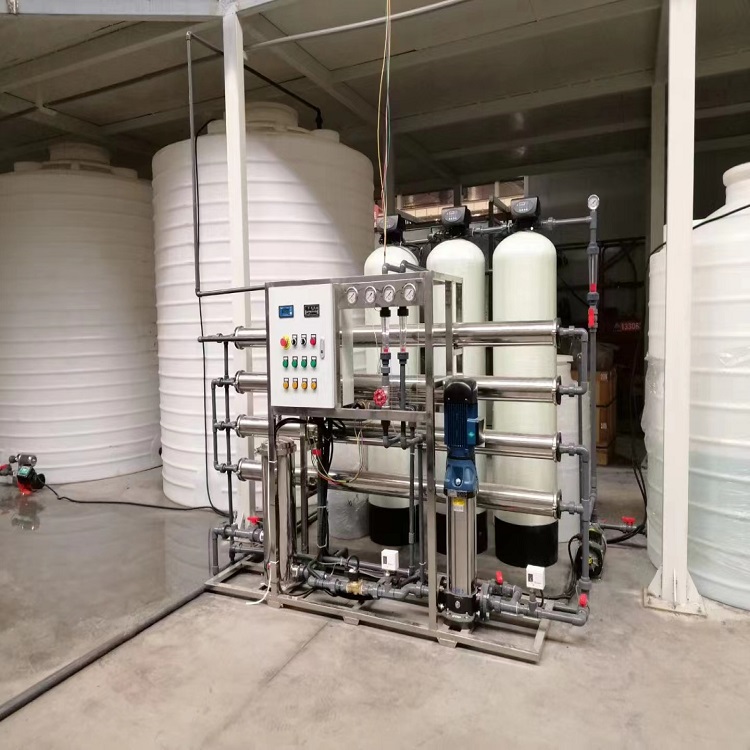
Industrial Pure Water Equipment EDI Ultra-Pure Water System Fully Automatic Control Quankun Environmental Protection
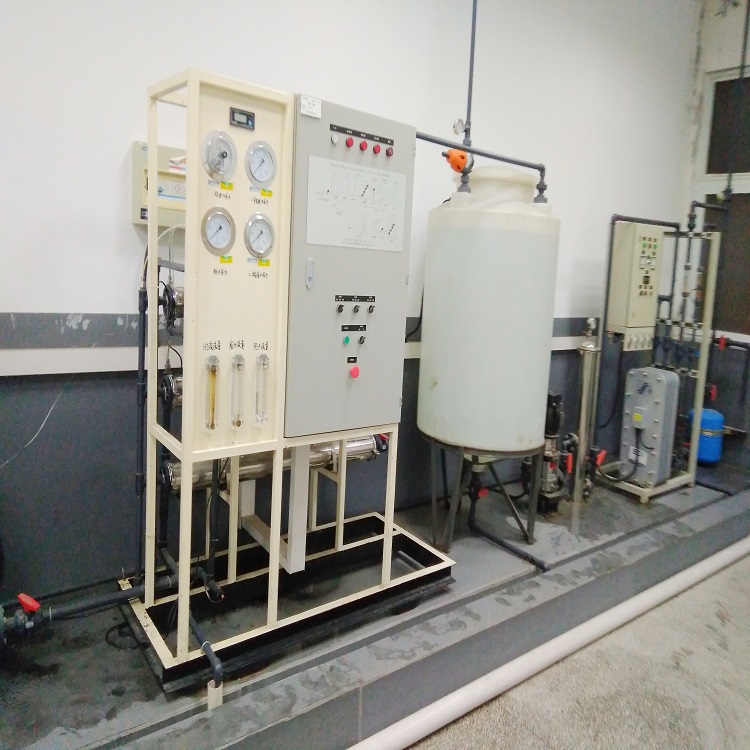
Shenzhen Industrial Ultra-Pure Water Equipment, equipped with EDI system, features low energy consumption and high degree of automation.
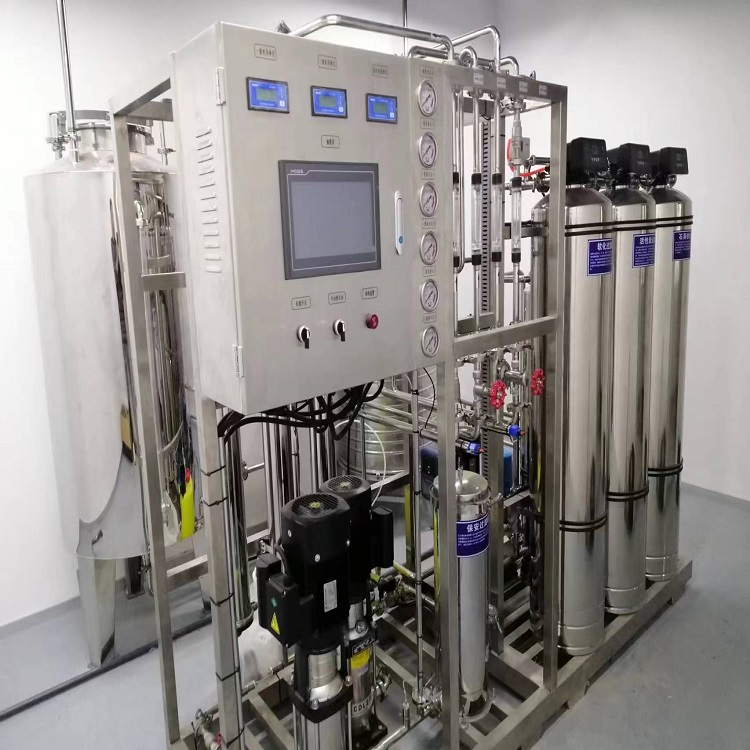
Shanghai industrial pure water production equipment reverse osmosis filtration system with high yield and customizable options, Quankun brand.
Laboratories, as crucial sites for modern research and disease diagnosis, generate vast amounts of wastewater daily. This wastewater contains not only conventional organic matter and inorganic salts but may also include pathogenic microorganisms, chemical reagent residues, radioactive isotopes, and other harmful substances. If not properly treated before being discharged, it can lead to severe environmental pollution and even threaten human health. Therefore, the application of medical laboratory wastewater treatment equipment is of paramount importance.
Laboratory wastewater treatment equipment can be broadly categorized into four major types: physical treatment equipment, chemical treatment equipment, biological treatment equipment, and combined process equipment.
1. Primarily including grates, equalization ponds, sedimentation ponds, and filtration units. The grates are used to remove large suspended solids from the wastewater; the equalization ponds are for homogenizing water quality and flow, ensuring stable operation of subsequent treatment processes; the sedimentation ponds separate suspended solids by gravity; the filtration units further remove fine suspended solids and some dissolved organic matter.
2. By leveraging the principles of chemical reactions, pollutants in wastewater are transformed into harmless or easily separable forms through the addition of chemicals such as coagulants, oxidizers, and neutralizers. Common chemical treatment equipment includes coagulation sedimentation tanks, acid-base neutralization tanks, and oxidation reaction tanks.
3. By harnessing the metabolic actions of microorganisms, organic matter in wastewater is converted into stable inorganic substances, while also removing nutrients such as nitrogen and phosphorus. The biological treatment equipment primarily includes activated sludge process, biofilm process (such as biological rotating disks, biological contact oxidation ponds), and anaerobic biological treatment systems.
In response to the complexity of wastewater from medical laboratories, a single treatment method often fails to meet discharge standards. Therefore, in practical applications, a strategy of combining multiple treatment technologies is commonly employed, such as the "physical-chemical-biological" process combination, to fully leverage the strengths of each treatment unit and achieve wastewater purification.
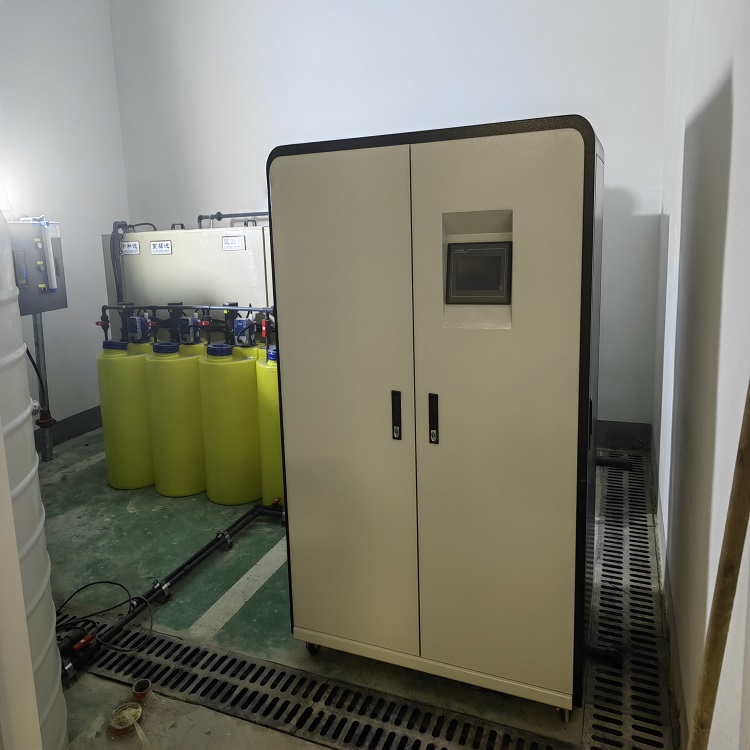
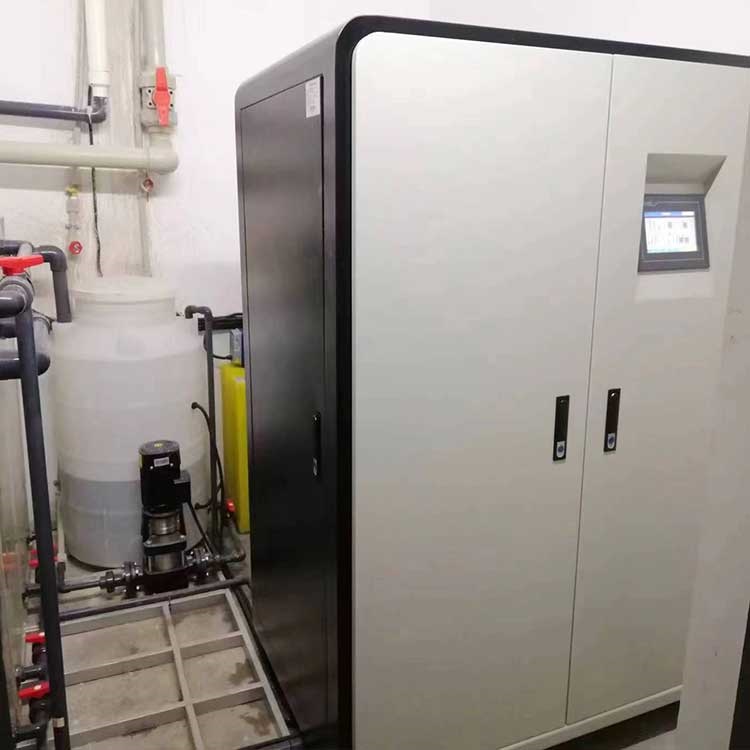
Our medical laboratory wastewater treatment equipment, featuring various types with distinct working principles and technical characteristics, all share the core objective of effectively removing pollutants from the wastewater.
The treatment process, relying on physical actions such as gravity sedimentation and screening, is relatively simple and energy-efficient; however, its effectiveness in removing soluble pollutants is limited.
Quickly and efficiently remove specific pollutants, such as heavy metal ions and organic pollutants, through chemical reactions; however, be mindful of the selection and dosage of chemical agents to avoid secondary pollution.
Utilizing the natural biodegradation capabilities of microorganisms, the treatment is cost-effective, environmentally friendly, and suitable for handling large volumes of low-concentration organic wastewater. However, the treatment cycle is lengthy and sensitive to fluctuations in water quality.
Combining the benefits of various treatment technologies such as physical, chemical, and biological processes, it efficiently handles complex wastewater compositions with high flexibility. However, the system is complex, presenting significant challenges in operation and management.
Cautionary Note:
The complex composition of laboratory wastewater necessitates the effective implementation of the pretreatment phase, which is crucial for subsequent treatment. It is essential to ensure the normal operation of pretreatment facilities such as格栅 and regulating pools to reduce the subsequent treatment load.
In the chemical treatment process, the selection of reagents should be based on the characteristics of the wastewater, with strict control over the dosage to prevent excessive use from deteriorating water quality or increasing treatment costs.
Biosystems are susceptible to factors such as temperature, pH levels, and dissolved oxygen, necessitating regular monitoring of water quality indices and adjusting operational parameters to maintain microbial activity.
Based on the laboratory scale, characteristics of the wastewater, and treatment requirements, select the appropriate treatment equipment, optimize the layout, and ensure a balance between treatment efficiency and economic benefits.
Adhere strictly to national environmental protection regulations during the process, and take necessary protective measures to prevent potential hazards such as wastewater leakage and harmful gas emissions.
Establish a comprehensive wastewater treatment monitoring system, regularly assess the treatment effectiveness, promptly adjust the treatment strategies, and ensure stable and compliant effluent quality.
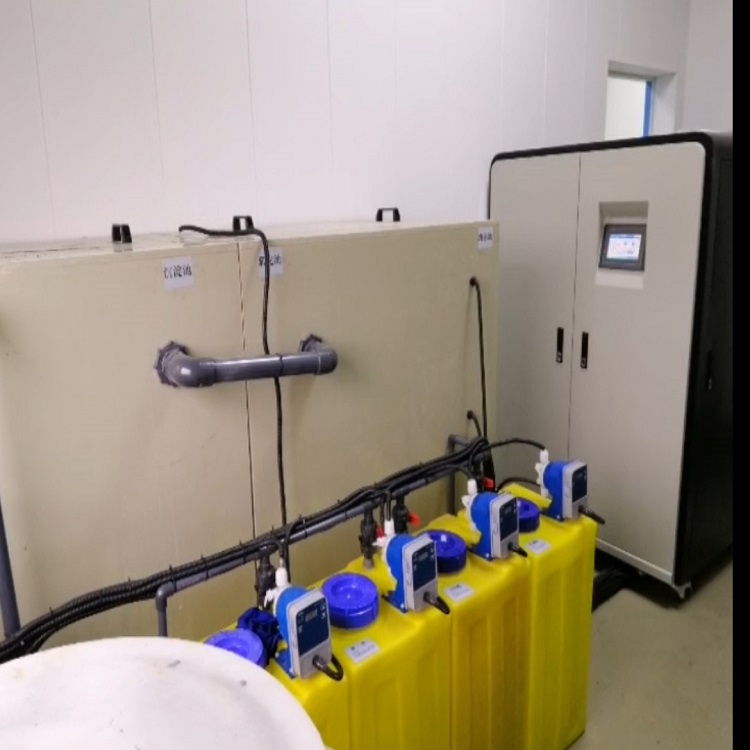
Wastewater treatment in the lab is a comprehensive engineering project, involving the integrated application of various treatment technologies. Selecting the treatment equipment rationally, designing the treatment process scientifically, and strictly managing the operations are crucial for achieving the standard discharge of wastewater.


www.114global.com © Zhongshang 114 Hebei Network Technology Co., Ltd.Address: Room 6009, Oriental New World Center, No.118 East Zhongshan Road, Qiaoxi District, Shijiazhuang City, Hebei ProvincePlatform Service Hotline: 4006299930