

Water Treatment Equipment, Wastewater Treatment Equipment...



Product Recommendation
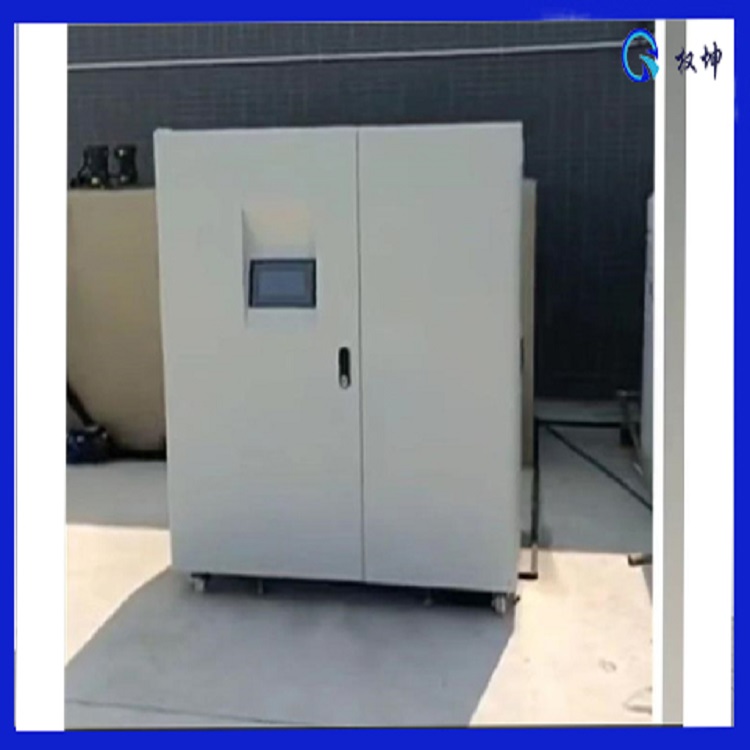
Quan Kun - Comprehensive Laboratory Waste Water Treatment Equipment - Remote Monitoring - Automated Control
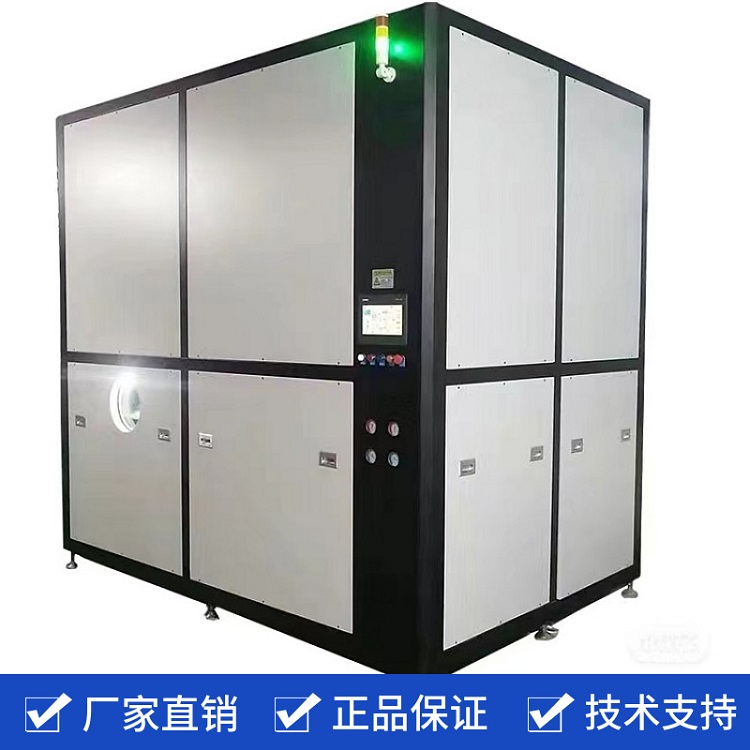
Sodium Chloride Wastewater Low-Temperature Evaporator - Intelligent Automatic - Quankun - Integrated Design
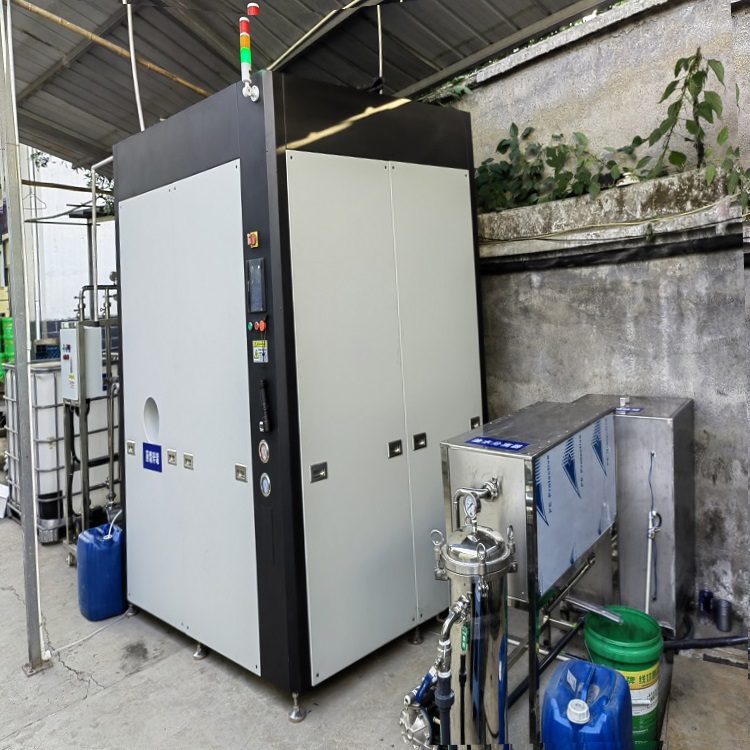
High-Concentration Oil Emulsion Waste Water Treatment Equipment - Quankun - Evaporator Unit - High Concentration Ratio
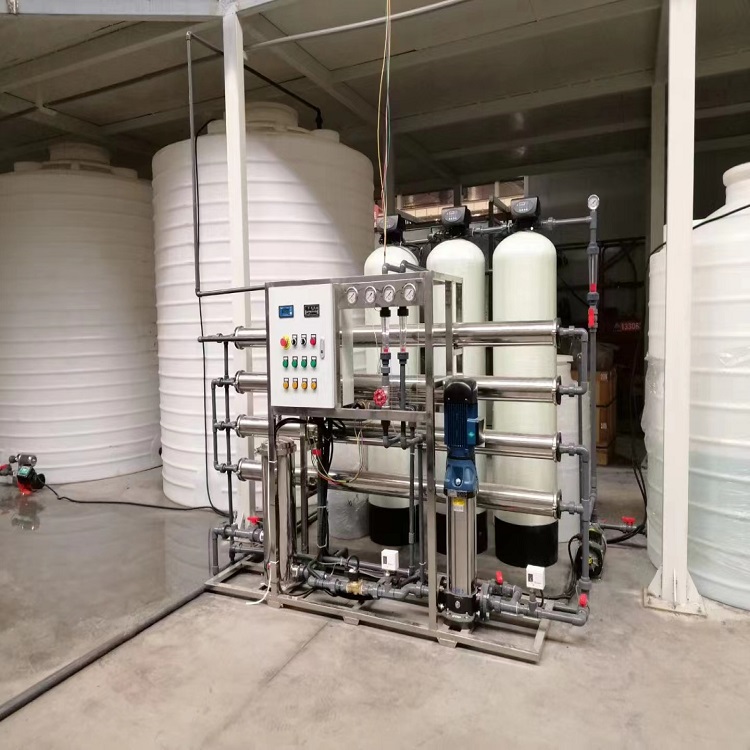
Industrial Pure Water Equipment EDI Ultra-Pure Water System Fully Automatic Control Quankun Environmental Protection
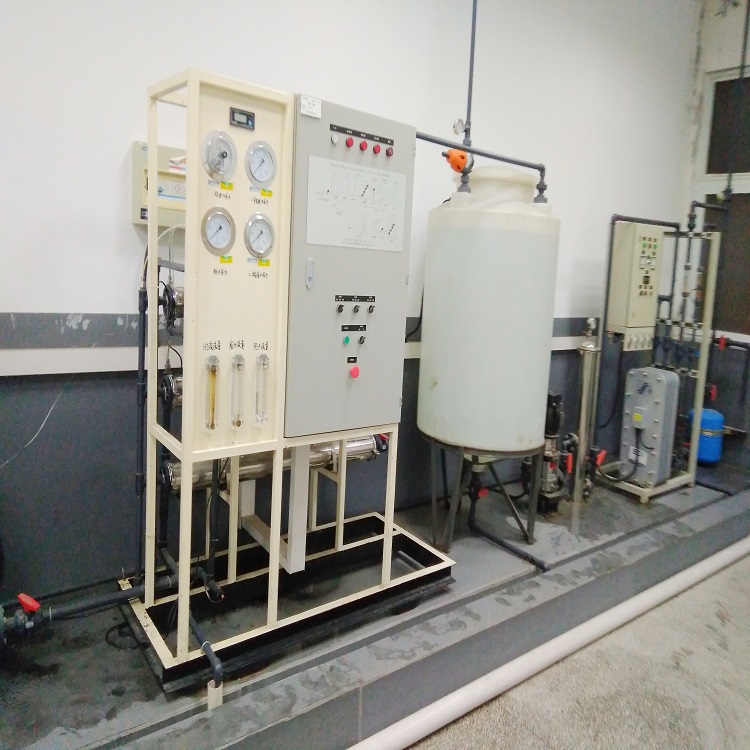
Shenzhen Industrial Ultra-Pure Water Equipment, equipped with EDI system, features low energy consumption and high degree of automation.
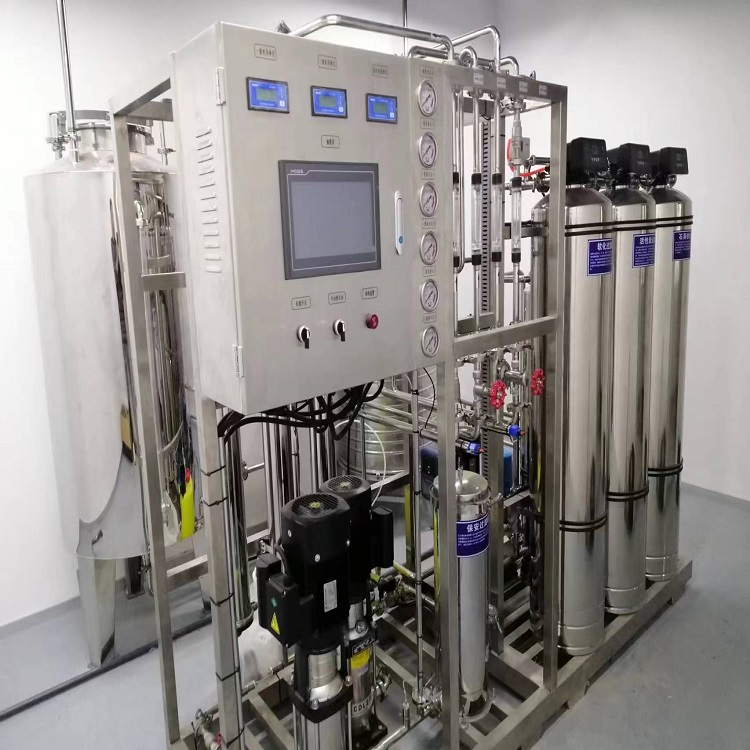
Shanghai industrial pure water production equipment reverse osmosis filtration system with high yield and customizable options, Quankun brand.
The laboratory wastewater treatment facility is an indispensable environmental protection facility in research institutions, medical facilities, and industrial enterprises, with its design and operation directly affecting environmental pollution prevention and ecological safety. As environmental regulations become increasingly stringent and public awareness of environmental protection grows, the application and management of laboratory wastewater treatment facilities become particularly crucial.
The wastewater composition in the lab is complex, potentially containing different pollutants such as heavy metals, organic solvents, pathogenic microorganisms, radioactive materials, etc. Therefore, it is necessary to categorize and collect the wastewater based on its properties and degree of contamination. For instance:
Organic wastewater, containing solvents like "jiachun," requires degradation through biochemical treatment or advanced oxidation techniques.
Heavy metal wastewater, such as lead, mercury, and cadmium, should be treated using chemical precipitation, ion exchange, or adsorption methods.
Pathogenic Microorganism Wastewater: Must be sterilized at high temperatures or chemically disinfected to ensure non-hazardous treatment.
Radioactive Waste: Must be collected separately and handled by professional agencies to prevent cross-contamination.
Categorizing waste not only enhances efficiency but also reduces processing costs and prevents interference between different types of pollutants.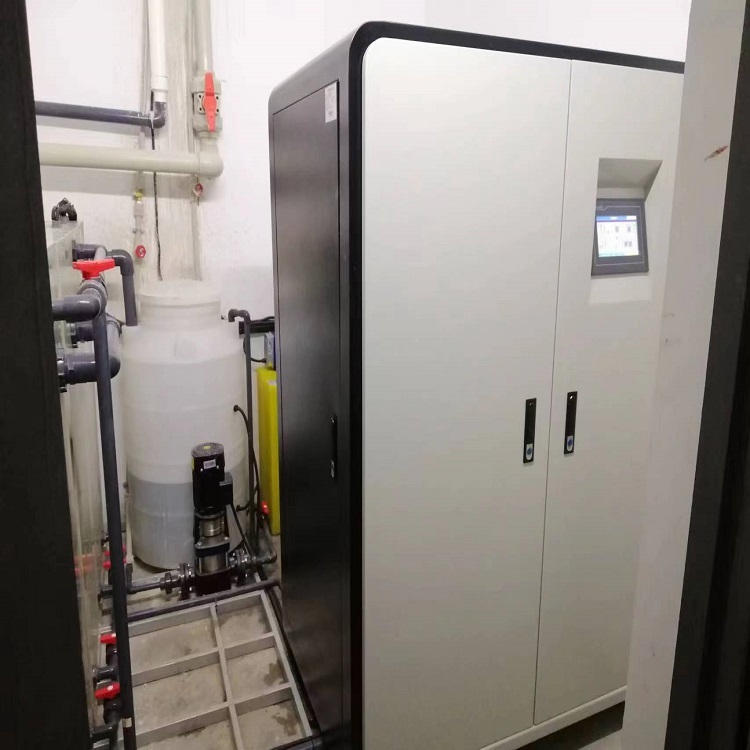
The design and operation of laboratory wastewater treatment systems must comply with national and local environmental protection regulations, such as the "Water Pollution Control Law" and "Technical Specification for Laboratory Wastewater Treatment." Key requirements include:
Anti-leakage Design: Equipment should be equipped with anti-corrosion and anti-leakage functions to prevent secondary pollution.
Emergency Measures: Equipped with overflow alarms and emergency shutdown devices, and conduct regular drills for emergency response plans.
Emission Standards: The treated water quality must meet the Comprehensive Wastewater Emission Standards (GB 8978-1996) or more stringent industry standards.
Additionally, the laboratory must regularly commission third-party testing agencies to monitor the effluent water quality and retain records for verification.
When selecting processing technologies, it's essential to align with the actual needs of the laboratory.
Compact Laboratory: Optional integrated wastewater treatment equipment, such as a Membrane Bioreactor (MBR) or electrochemical oxidation unit, featuring small footprint and high automation.
Major Research Institution: A combination process such as "coagulation-sedimentation-activated sludge process-activated carbon adsorption" can be adopted, using "pretreatment + biochemical treatment + deep treatment" techniques.
Special Wastewater: Wastewater containing cyanide or arsenic should be treated prioritly with targeted chemical oxidation or reduction methods.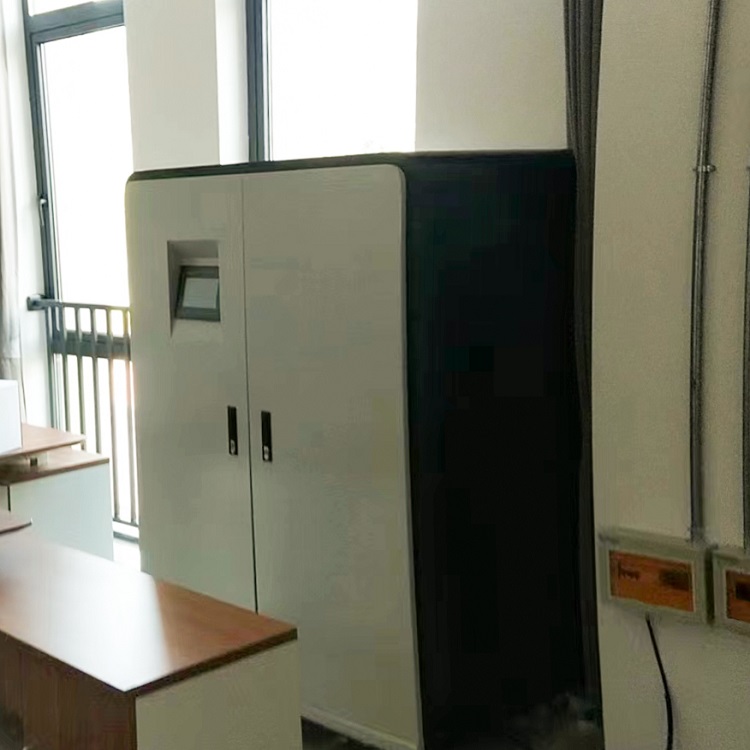
Ensure a balance between investment and operational costs while maintaining processing effectiveness.
Energy Efficiency Optimization: Choose low-energy consuming equipment (such as high-efficiency aeration systems) and utilize renewable energy sources like solar power.
Resource Recovery: Heavy metal wastewater can be recycled through electrolysis to recover metals; anaerobic treatment of organic wastewater can produce biogas.
Modular design: Facilitates future expansion or process adjustments, avoiding redundant investments.
Advanced equipment requires standardized management:
Regular Maintenance: Clean filter membranes, calibrate sensors, replace consumables (e.g., activated carbon).
Data Recording: Records key parameters such as pH, COD, heavy metal concentrations, and establishes operation logs.
Staff Training: Operators must be proficient in understanding equipment principles, troubleshooting, and safety precautions to prevent incorrect operations.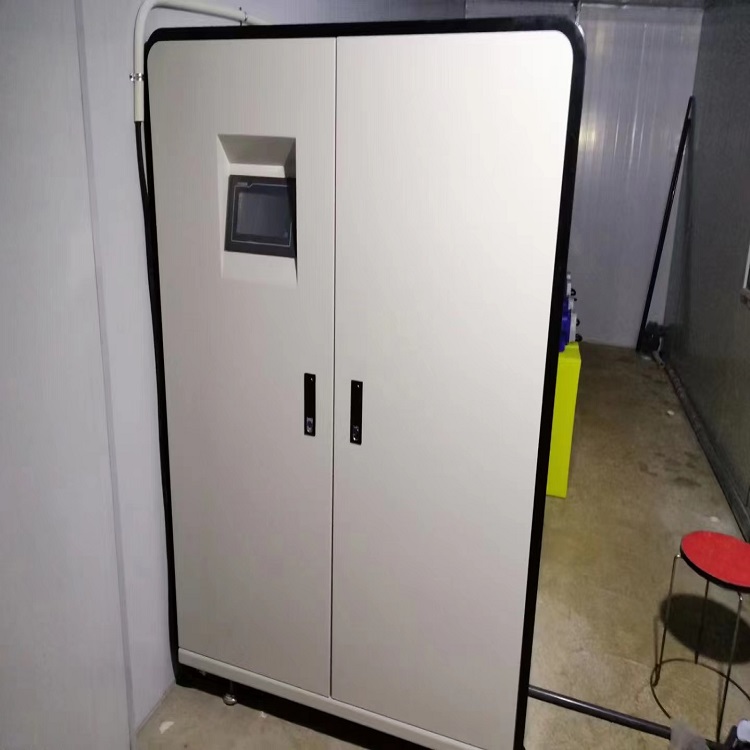 Special Event Precautions
High-salt wastewater: Requires desalination through evaporation and crystallization or reverse osmosis to avoid inhibiting microbial activity.
Toxic Substances: Wastes containing highly toxic substances, such as [specific substance], must be treated in closed systems to prevent any release.
Rain Season Precautions: Southern regions must guard against water backflow causing sewage overflow.
The rational application of laboratory wastewater treatment facilities is a crucial aspect of fulfilling environmental responsibility. Through scientific categorization, compliant design, technological optimization, and stringent management, not only can pollution be effectively controlled, but the laboratory's sustainable development capabilities can also be enhanced.


www.114global.com © Zhongshang 114 Hebei Network Technology Co., Ltd.Address: Room 6009, Oriental New World Center, No.118 East Zhongshan Road, Qiaoxi District, Shijiazhuang City, Hebei ProvincePlatform Service Hotline: 4006299930