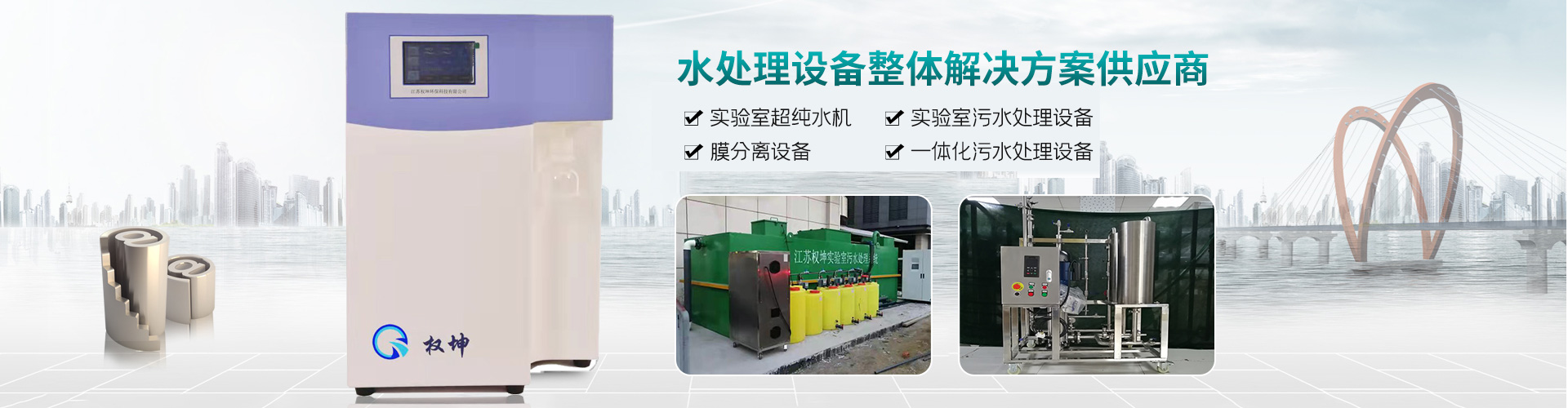

Water Treatment Equipment, Wastewater Treatment Equipment...



Product Recommendation
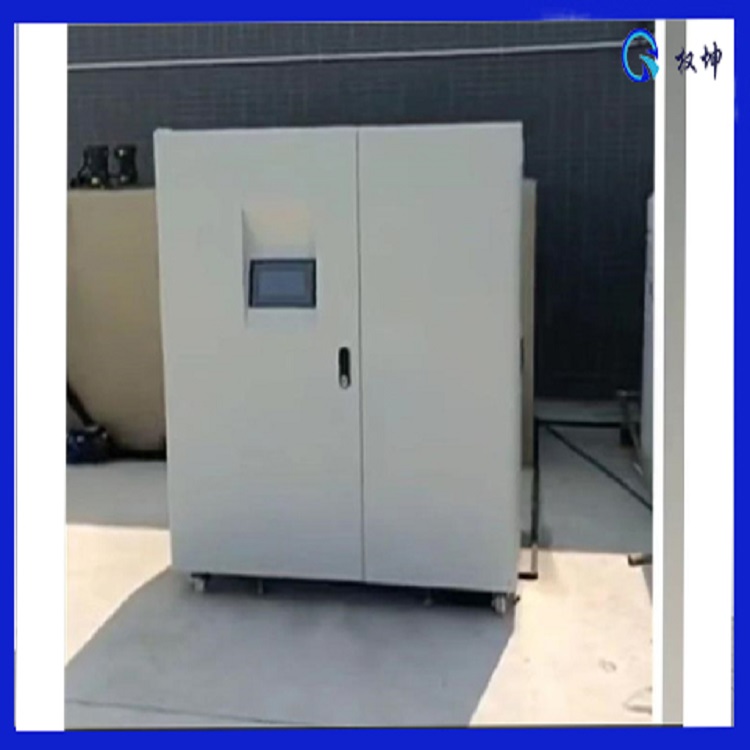
Quan Kun - Comprehensive Laboratory Waste Water Treatment Equipment - Remote Monitoring - Automated Control
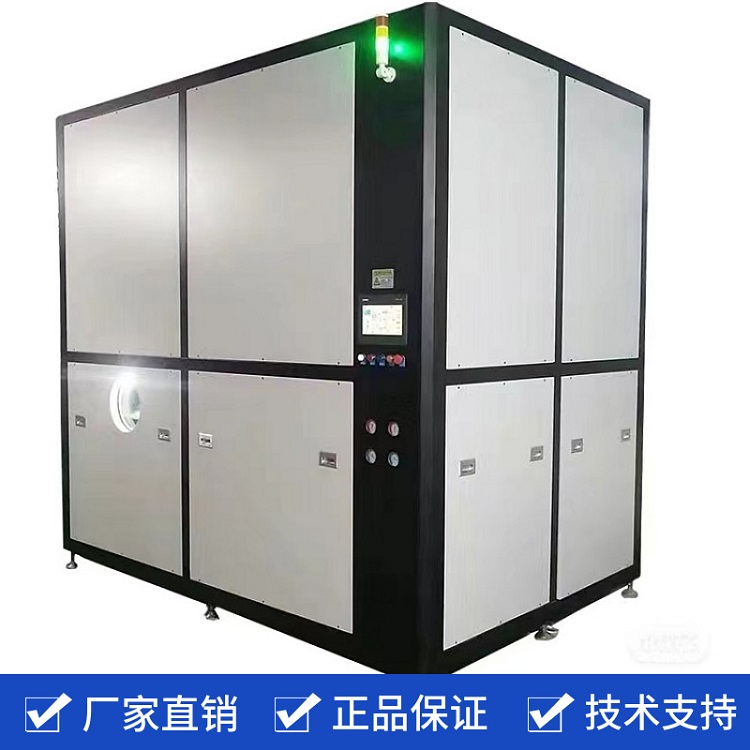
Sodium Chloride Wastewater Low-Temperature Evaporator - Intelligent Automatic - Quankun - Integrated Design
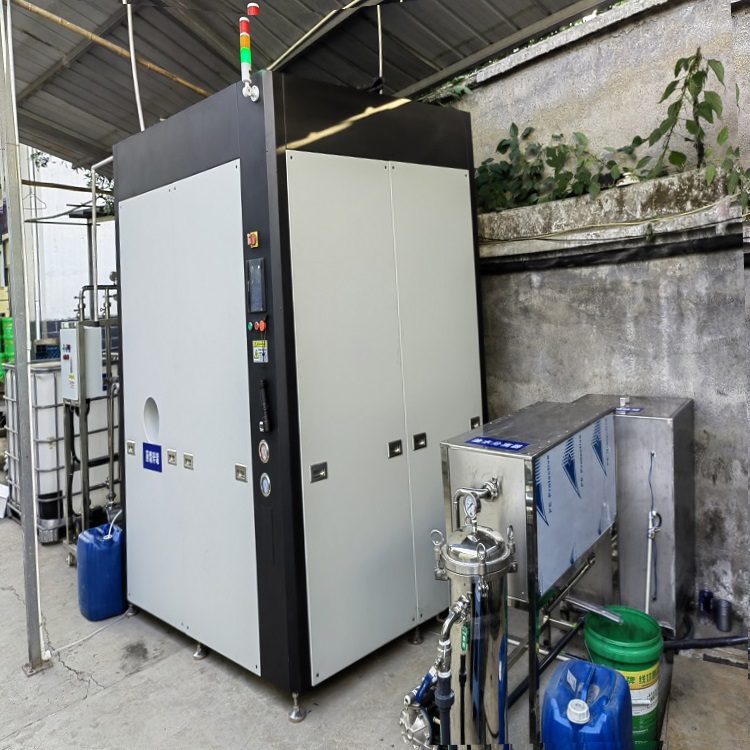
High-Concentration Oil Emulsion Waste Water Treatment Equipment - Quankun - Evaporator Unit - High Concentration Ratio
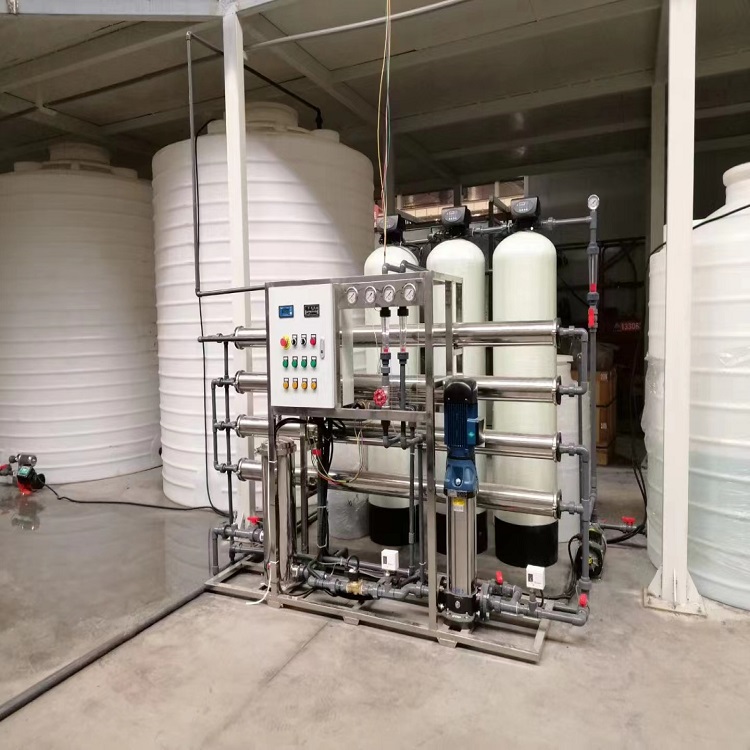
Industrial Pure Water Equipment EDI Ultra-Pure Water System Fully Automatic Control Quankun Environmental Protection
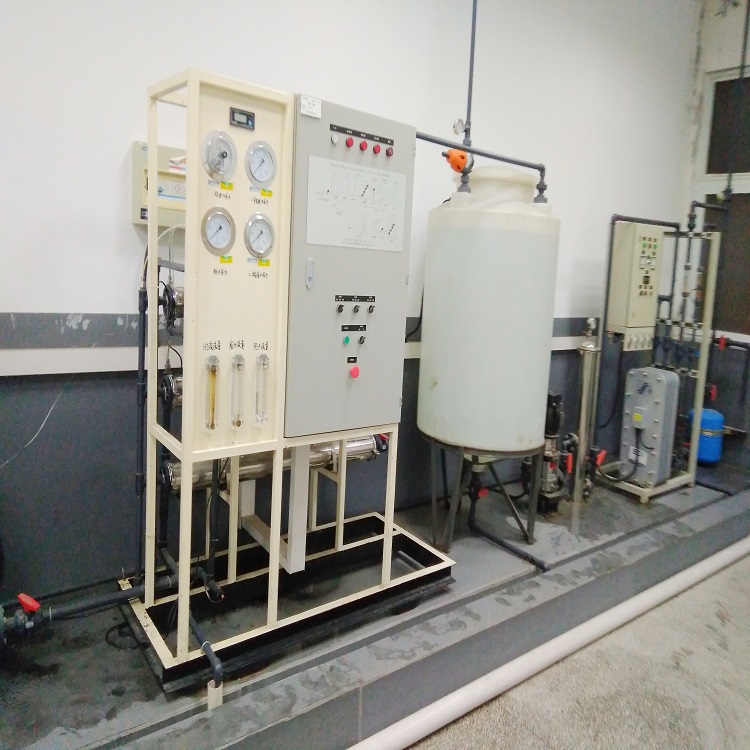
Shenzhen Industrial Ultra-Pure Water Equipment, equipped with EDI system, features low energy consumption and high degree of automation.
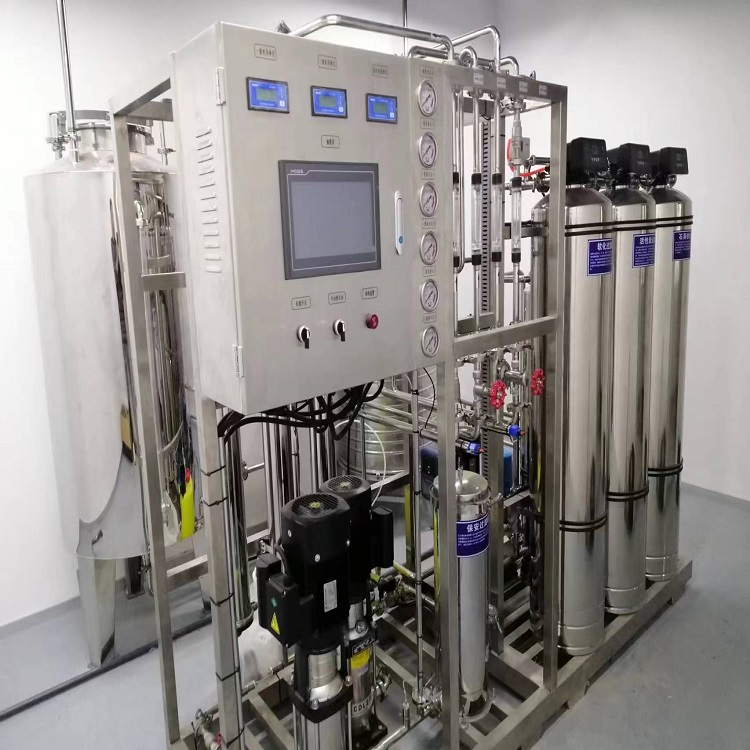
Shanghai industrial pure water production equipment reverse osmosis filtration system with high yield and customizable options, Quankun brand.
Ultrafiltration membranes are a core component of small-scale ultrafiltration experimental equipment, typically made from high molecular materials such as polysulfone. These materials offer excellent chemical stability and mechanical strength, capable of withstanding certain operating pressures. The pore size range of ultrafiltration membranes generally falls between 1-100 nanometers, with this precise pore structure enabling effective retention of large molecular substances (such as proteins, viruses, colloids, etc.) in solutions, while allowing water and small molecular solutes to pass through. In small-scale experimental equipment, ultrafiltration membranes are commonly available in various configurations, including flat, hollow fiber, and rolled, each with its unique fluid dynamic properties and application advantages.
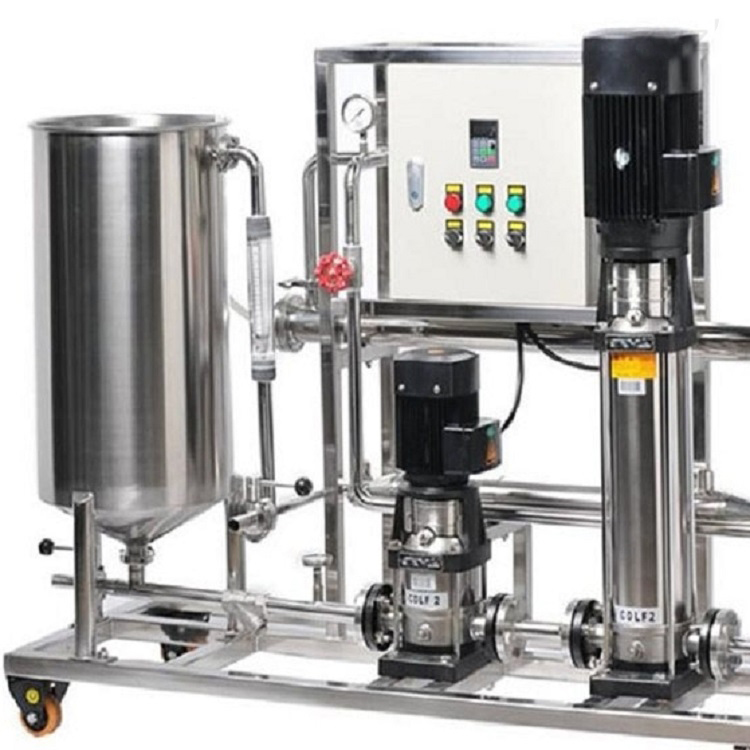
The operation of the small-scale ultrafiltration experimental equipment begins with the pressurized conveyance of the feed liquid. Lab settings typically employ peristaltic pumps or plunger pumps to provide a stable pressure, usually ranging from 0.1 to 0.5 MPa. As the solution flows through the surface of the ultrafiltration membrane under pressure, molecules and solvents smaller than the membrane pore size (referred to as permeate or filtrate) pass through the membrane to the other side, while substances larger than the membrane pore size (referred to as concentrate or retentate) are retained on the original side. This separation process does not involve phase change and has relatively low energy consumption, making it particularly suitable for the treatment of heat-sensitive substances in laboratories.
In small-scale ultrafiltration experimental equipment, membrane fouling is a critical issue to address. Due to the limited membrane area in small-scale experiments, pollutants are more prone to accumulate on the membrane surface, leading to a decrease in flux. To tackle this, experimental equipment is typically designed with tangential flow (crossflow filtration) mode, where the feed liquid flows parallel to the membrane surface, generating shear forces to minimize the deposition of pollutants on the membrane. Additionally, regular backwashing and chemical cleaning are essential for maintaining membrane performance. Laboratory equipment is usually equipped with corresponding cleaning systems, facilitating researchers in membrane maintenance.
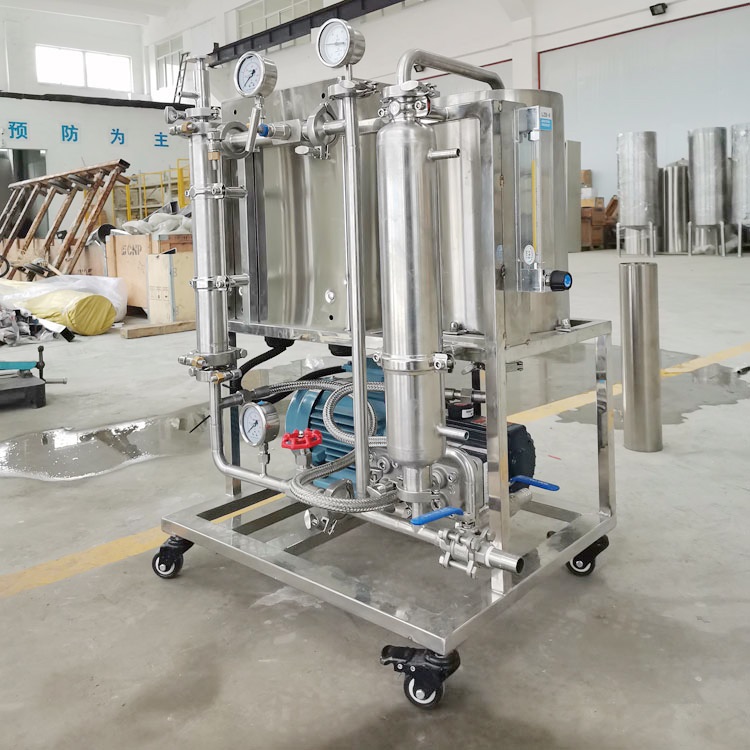
The operation parameters of small-scale ultrafiltration experimental equipment are crucial. Besides pressure, flow rate, temperature, pH value, and feedstock concentration all affect the separation efficiency. Laboratory equipment is typically equipped with precise flowmeters, pressure gauges, and temperature control systems, enabling researchers to optimize these parameters. For instance, increasing flow rate can enhance shear force on the membrane surface, reducing concentration polarization; adjusting pH value may alter the charge state of certain proteins, thereby affecting their interaction with the membrane. This fine-tuning capability makes small-scale ultrafiltration equipment an important tool in fields such as biological separation and sample preparation.
In laboratory applications, small ultrafiltration devices are commonly used for the concentration and desalination of protein solutions. For instance, during protein purification, ultrafiltration can rapidly remove small molecular salts from the buffer while retaining the target protein. The equipment is typically equipped with membranes of different molecular weight cut-offs, allowing researchers to select the appropriate membrane based on the size of the target molecule. The molecular weight cut-off refers to the molecular weight at which the membrane can retain over 90% of spherical proteins, with common specifications including 3kDa, 10kDa, 30kDa, and 100kDa, among others. Selecting the appropriate molecular weight cut-off is crucial for the separation efficiency.
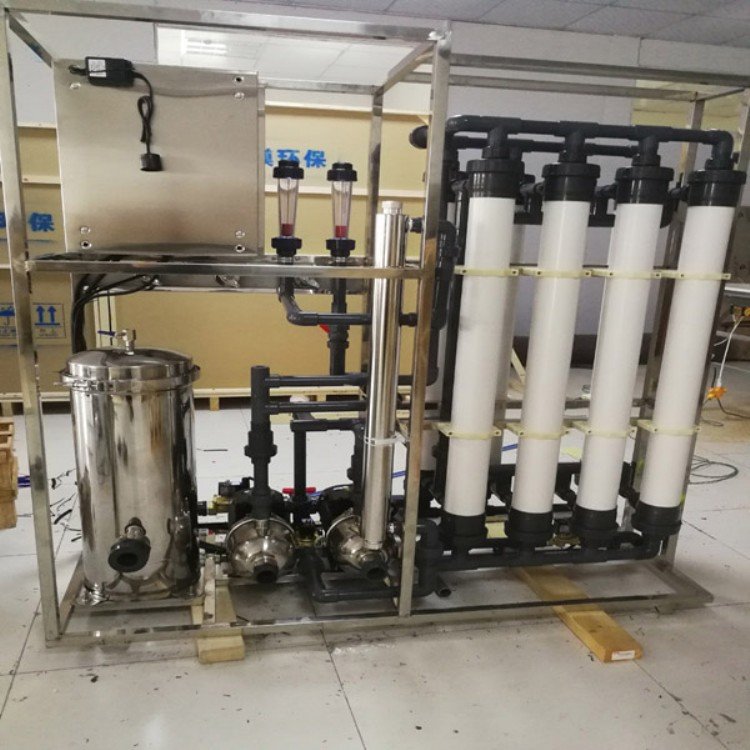
Small ultrafiltration experimental equipment is widely used in applications such as nanoparticle separation, virus concentration, and clarification of cell culture supernatant. In these applications, the hygienic design of the equipment is particularly important. Many laboratory ultrafiltration systems utilize hygienic interfaces and sterilizable materials to meet the sterile requirements of biological experiments. Additionally, some high-end experimental equipment integrates online monitoring systems, which can real-time detect the flux, turbidity, or concentration of specific components in the permeate, providing data support for process control.
Compared to traditional laboratory separation techniques (such as centrifugation and dialysis), the compact ultrafiltration equipment boasts advantages like ease of operation, short processing time, high recovery rates, and mild conditions. It doesn't require the addition of chemical reagents, thereby avoiding the risk of sample contamination; its modular design also allows for convenient replacement of membrane components, catering to various experimental needs. These features have led to the widespread application of compact ultrafiltration equipment in laboratories across biopharmaceuticals, food science, environmental monitoring, and other fields.


www.114global.com © Zhongshang 114 Hebei Network Technology Co., Ltd.Address: Room 6009, Oriental New World Center, No.118 East Zhongshan Road, Qiaoxi District, Shijiazhuang City, Hebei ProvincePlatform Service Hotline: 4006299930