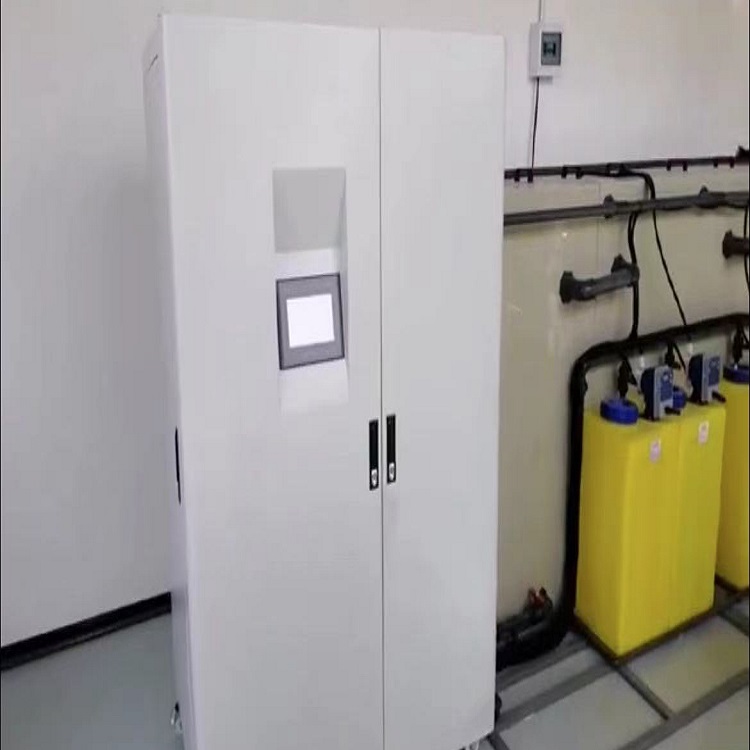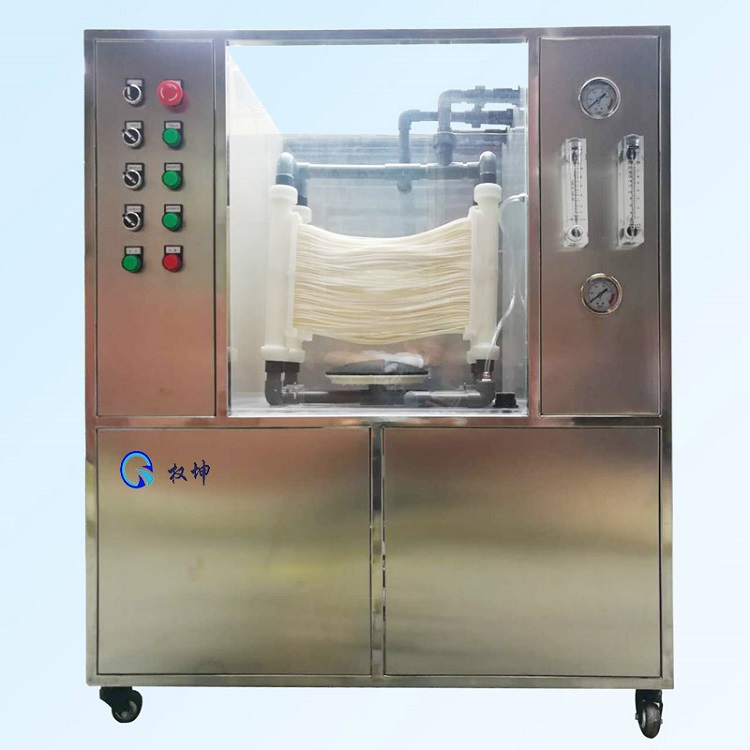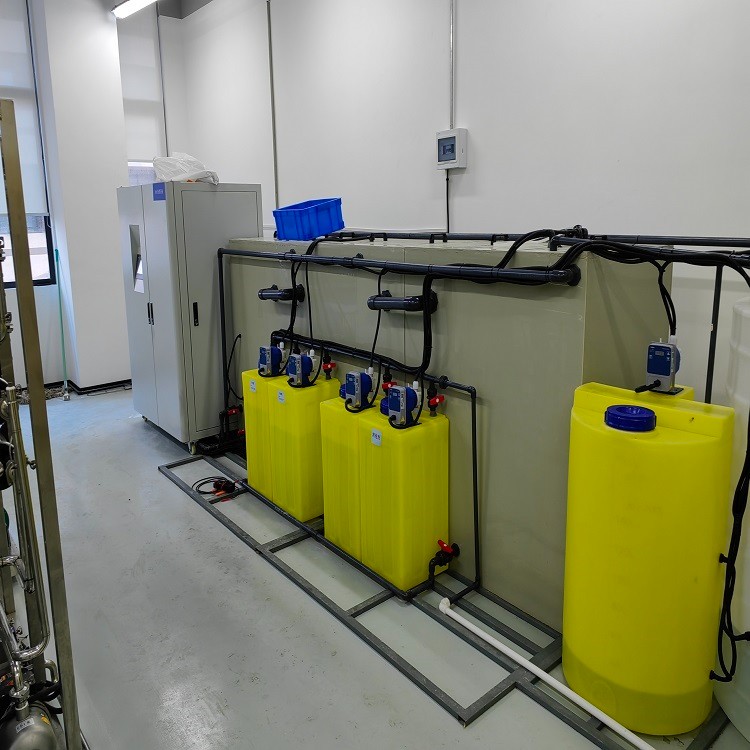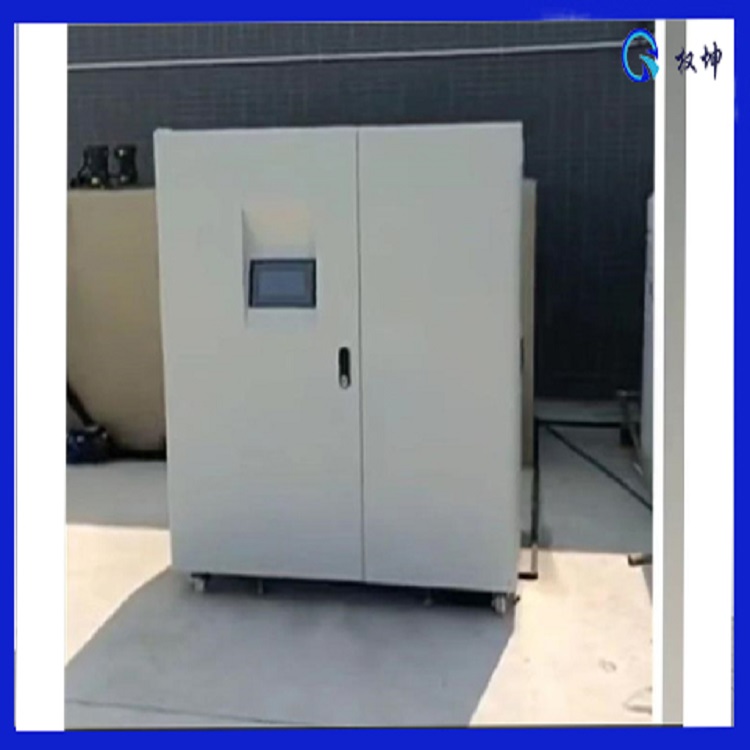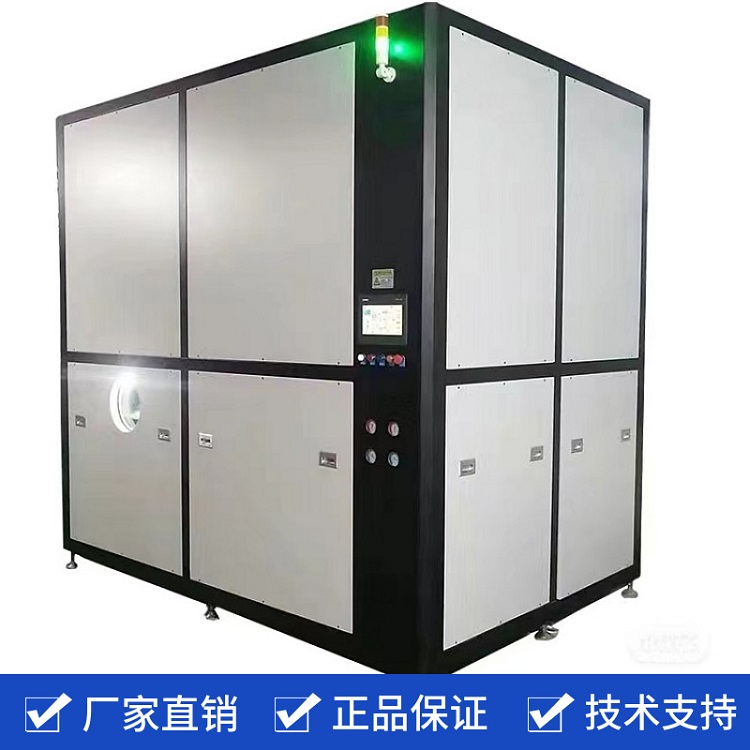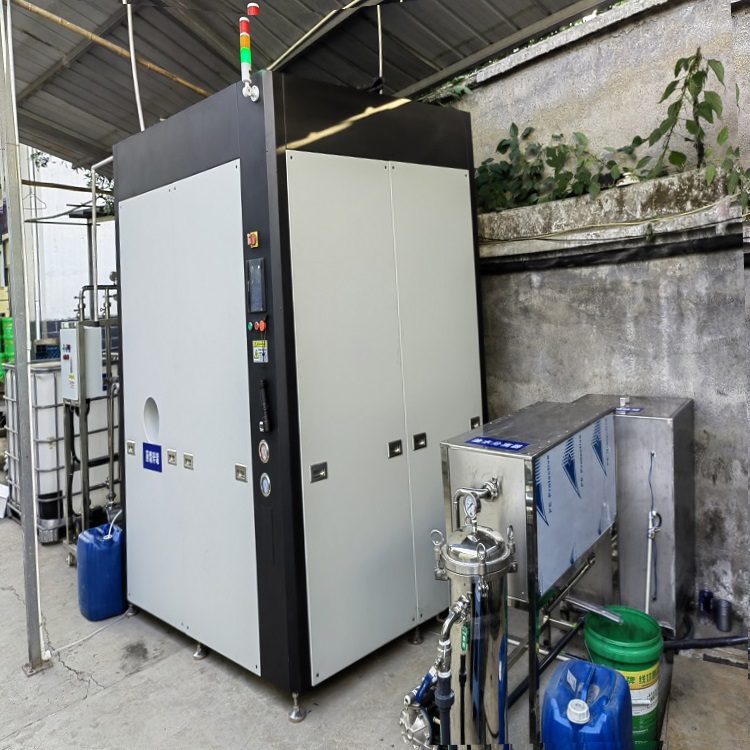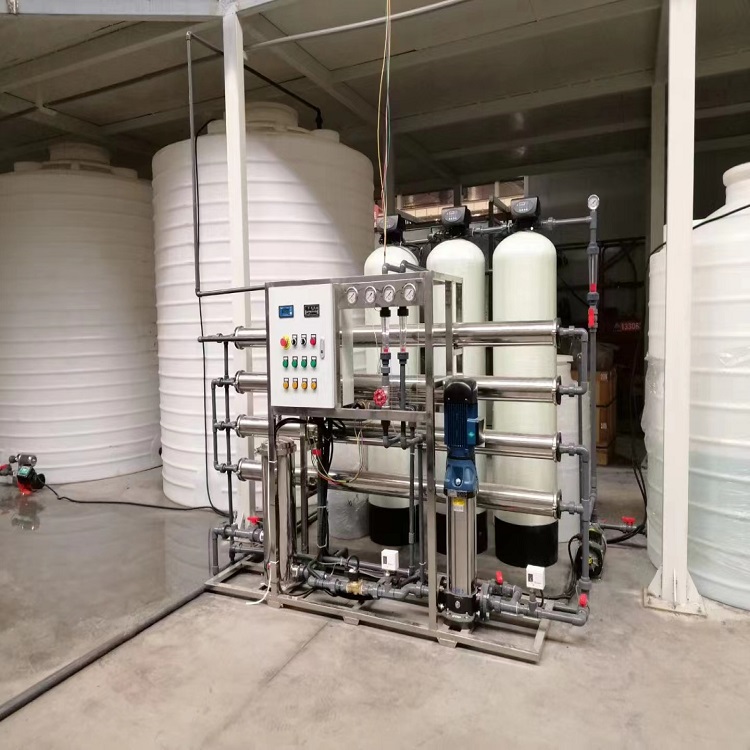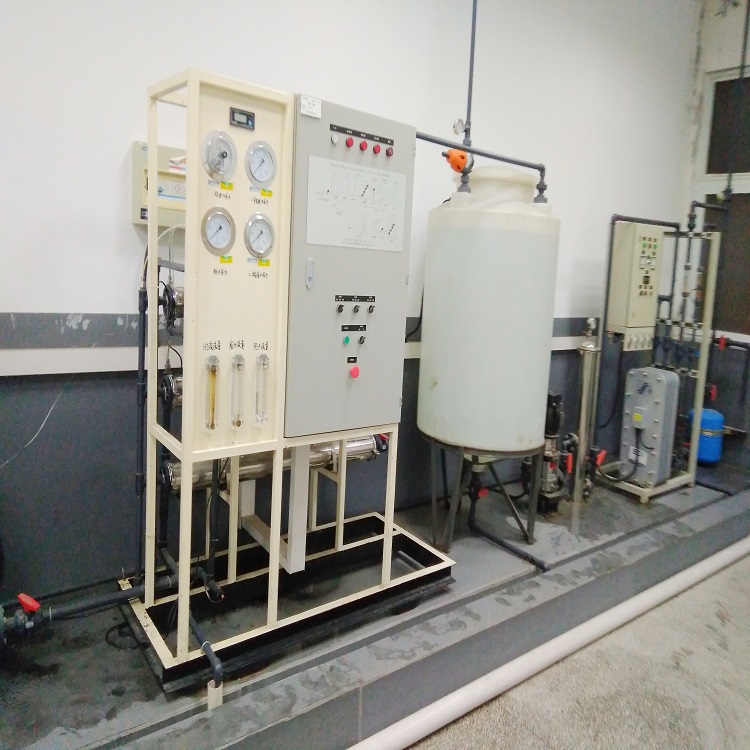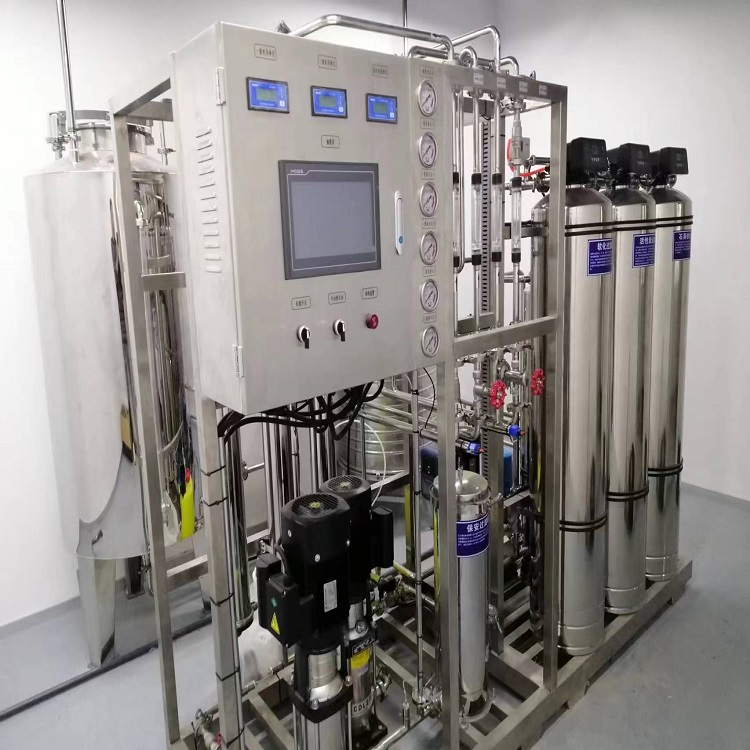


Laboratory wastewater treatment equipment typically follows a comprehensive approach combining physical, chemical, and biological treatment principles. Initially, physical methods such as grates and regulating pools are used to remove suspended solids and large particle impurities from the wastewater, ensuring the smooth progression of subsequent treatment processes. Subsequently, chemical methods like coagulation and precipitation, oxidation and reduction are employed to eliminate harmful components such as heavy metal ions and organic pollutants from the wastewater. Furthermore, through the metabolic actions of microorganisms in the bioreactor, organic matter is further degraded, enhancing the quality of the effluent.
1. In the physical treatment phase, gratings act as a first line of defense, effectively intercepting solid waste in the wastewater; the equalization tank serves to homogenize the flow of wastewater and regulate its quality, providing stable inflow conditions for subsequent treatment.
2. Chemical Treatment Phase: Use coagulants to aggregate colloidal particles in wastewater into larger ones, facilitating precipitation and removal; redox reactions are achieved by adding oxidants or reductants to alter the chemical properties of toxic and harmful substances in wastewater, converting them into harmless or low-toxicity substances.
3. Biological Treatment Phase: Utilizing the metabolic activities of aerobic or anaerobic microorganisms to decompose organic matter in wastewater into carbon dioxide, water, and biomass, achieving the harmless treatment of pollutants.

Technical Features of Laboratory Wastewater Treatment Equipment:
The modern laboratory wastewater treatment equipment utilizes advanced treatment processes and technologies, such as Membrane BioReactor (MBR) and Advanced Oxidation Process (AOP), to efficiently remove various pollutants from wastewater, ensuring that the effluent quality meets the standards.
Integrated control systems have automated the monitoring and management of the wastewater treatment process, reducing labor costs and enhancing efficiency.
Through optimized design, the laboratory wastewater treatment equipment minimizes land occupation while ensuring effective treatment, making it suitable for limited-space laboratory environments.
By employing energy-saving equipment and technologies such as variable frequency speed water pumps and high-efficiency energy-saving lighting, energy consumption is reduced. At the same time, resources are recycled by recovering and utilizing heat and water resources during the recycling process.

Selection Considerations for Laboratory Waste Water Treatment Equipment
Wastewater Characteristics: The composition of wastewater varies significantly among different laboratories, necessitating the selection of appropriate treatment processes and equipment based on the specific characteristics of the wastewater (such as pH value, COD, BOD5, ammonia nitrogen content, etc.).
2. Treatment Scale: Based on the laboratory's wastewater generation, determine the appropriate scale of treatment equipment to avoid waste of resources from over-sizing and ensure sufficient capacity to meet treatment demands.
Investment and operating costs: Considering factors such as equipment acquisition costs, installation fees, operational energy consumption, and maintenance costs, choose a cost-effective treatment solution.
4. Regulatory Compliance: Adhere to national and local regulations concerning wastewater discharge to ensure the selected equipment meets environmental standards and avoids legal risks.

www.114global.com © Zhongshang 114 Hebei Network Technology Co., Ltd.Address: Room 6009, Oriental New World Center, No.118 East Zhongshan Road, Qiaoxi District, Shijiazhuang City, Hebei ProvincePlatform Service Hotline: 4006299930