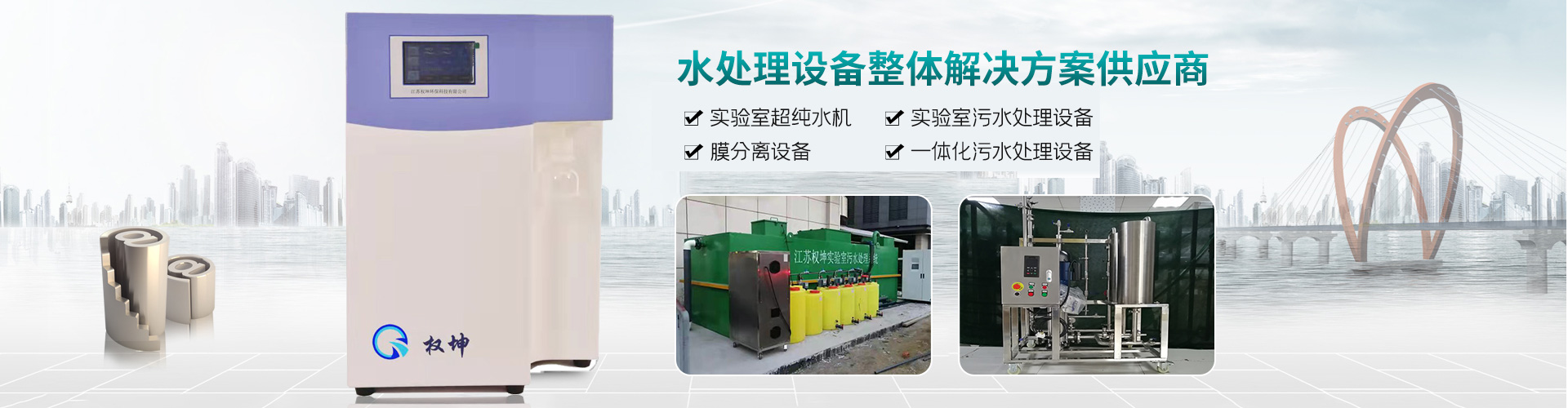

Water Treatment Equipment, Wastewater Treatment Equipment...



Product Recommendation
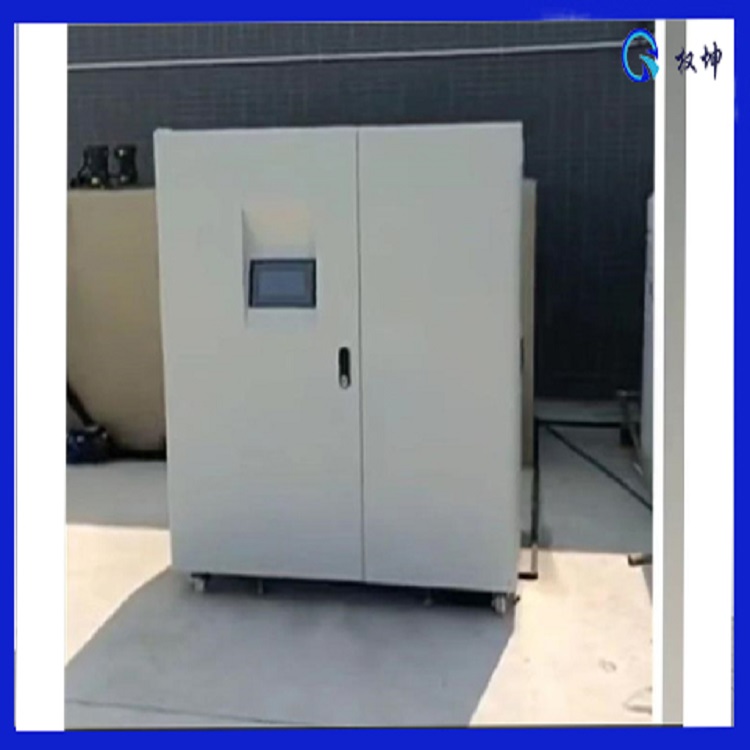
Quan Kun - Comprehensive Laboratory Waste Water Treatment Equipment - Remote Monitoring - Automated Control
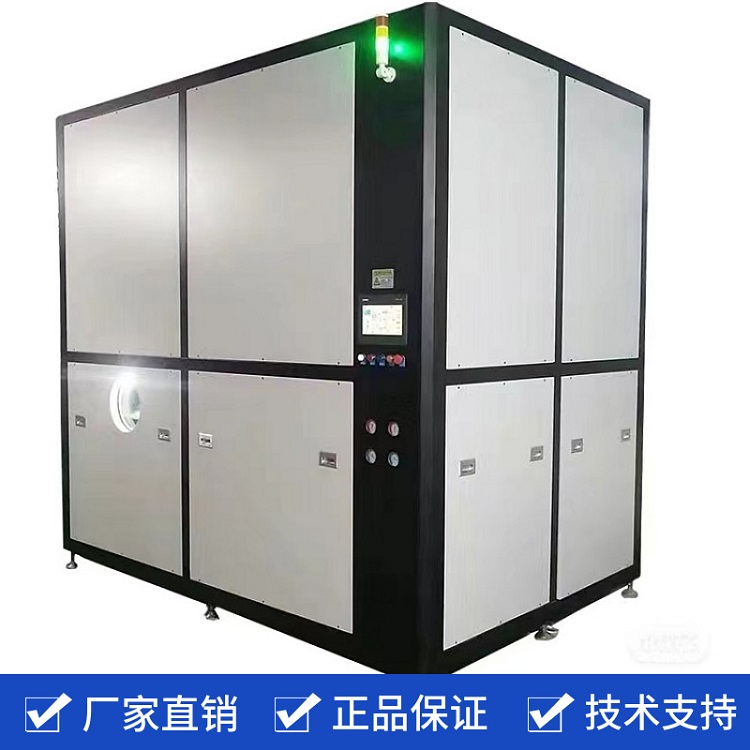
Sodium Chloride Wastewater Low-Temperature Evaporator - Intelligent Automatic - Quankun - Integrated Design
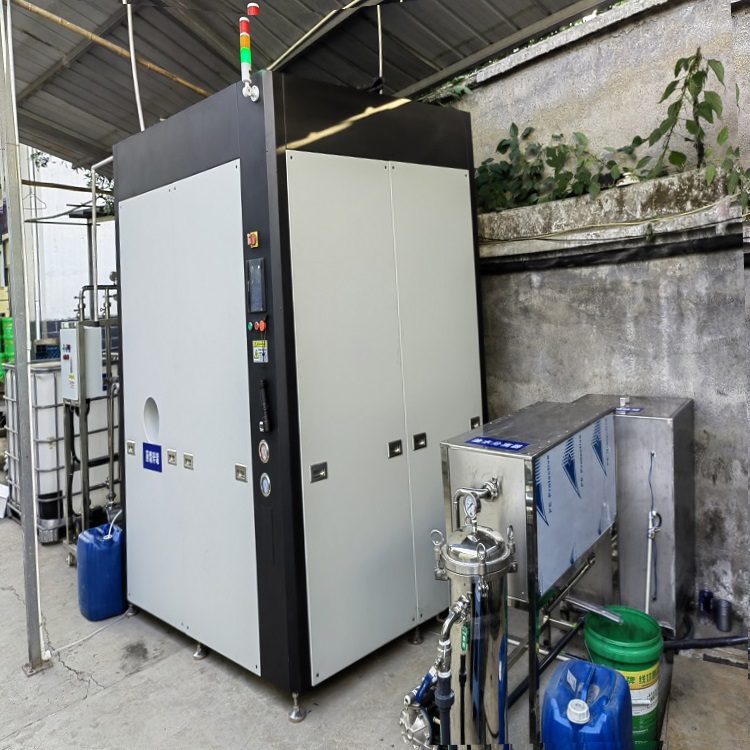
High-Concentration Oil Emulsion Waste Water Treatment Equipment - Quankun - Evaporator Unit - High Concentration Ratio
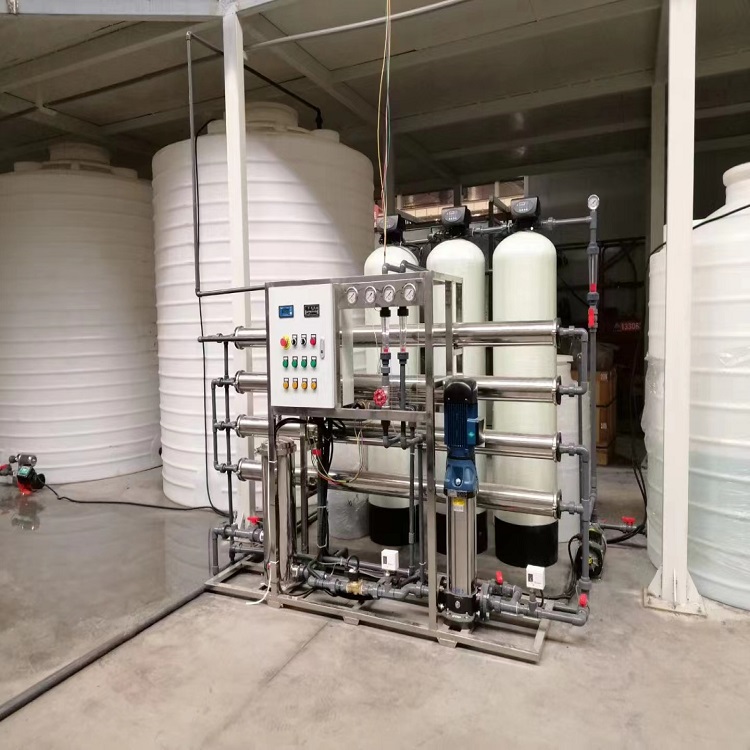
Industrial Pure Water Equipment EDI Ultra-Pure Water System Fully Automatic Control Quankun Environmental Protection
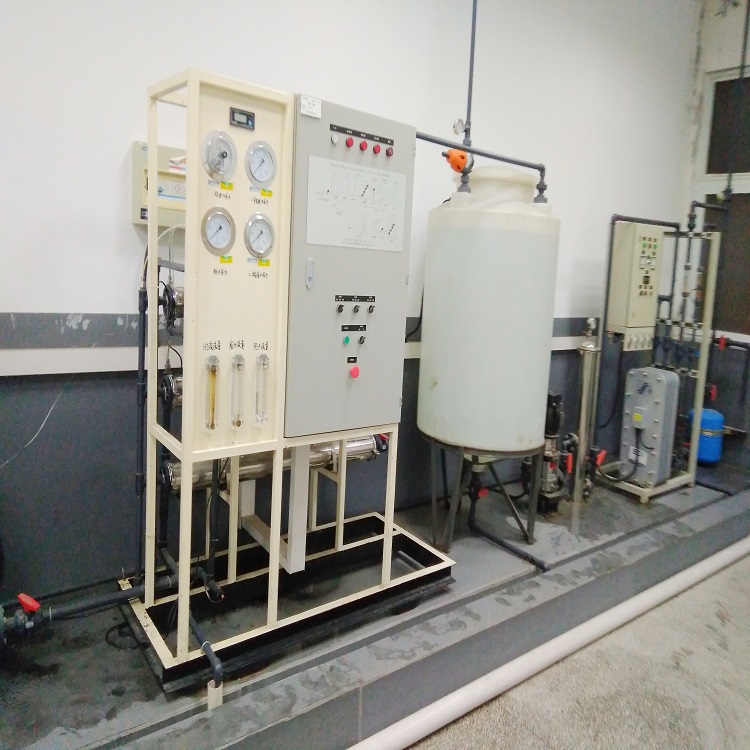
Shenzhen Industrial Ultra-Pure Water Equipment, equipped with EDI system, features low energy consumption and high degree of automation.
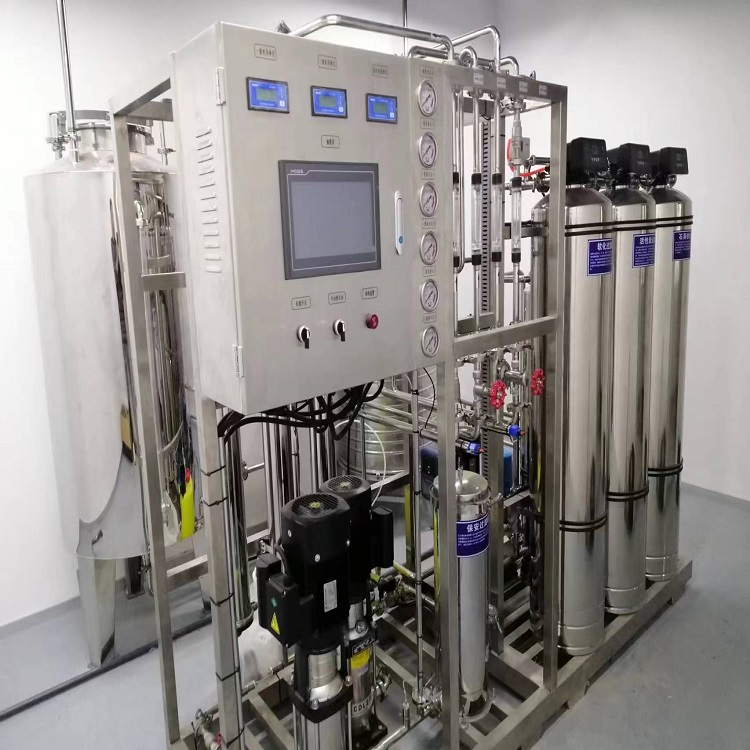
Shanghai industrial pure water production equipment reverse osmosis filtration system with high yield and customizable options, Quankun brand.
As the forefront of scientific research, biological laboratories generate a substantial amount of experimental wastewater daily. This wastewater not only contains conventional organic matter and inorganic salts but may also include pathogenic microorganisms, chemical reagent residues, radioactive isotopes, and other harmful substances. If not properly treated and discharged directly, it poses a severe threat to both the environment and human health. Therefore, wastewater treatment equipment for biological laboratories has become an indispensable part of ensuring laboratory safety and maintaining ecological balance.
The wastewater treatment equipment design for the biological laboratory is based on a variety of treatment technologies, primarily including physical, chemical, and biological processing. Physical treatment mainly removes suspended solids and particles from wastewater through methods such as filtration, sedimentation, and air flotation. Chemical treatment utilizes oxidation-reduction, neutralization, and coagulation reactions to remove or convert dissolved pollutants in wastewater. Biological treatment, on the other hand, utilizes the metabolic actions of microorganisms to convert organic matter into harmless substances like carbon dioxide and water, while certain microorganisms can also remove heavy metals and other toxic substances through biological adsorption and biodegradation.
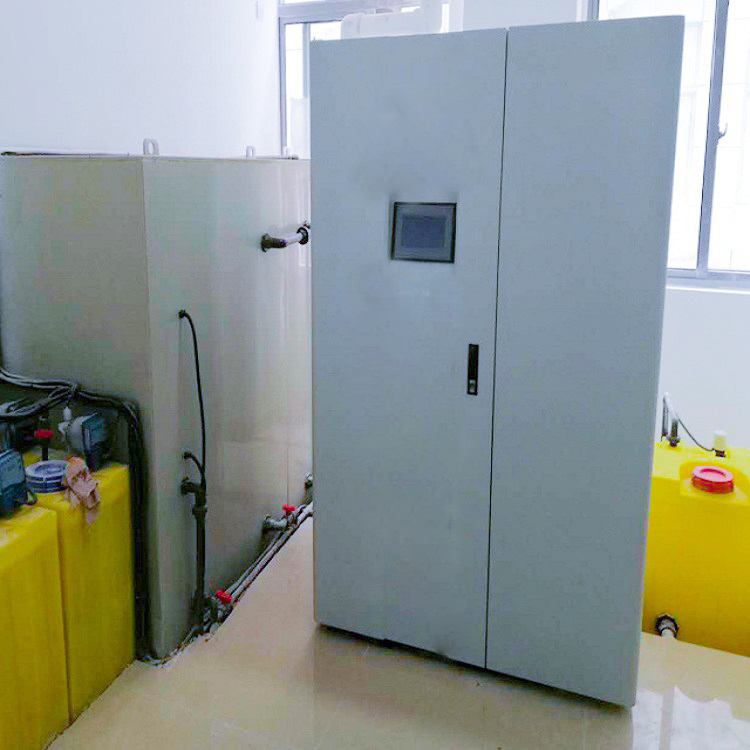
In practical applications, wastewater treatment equipment for biological laboratories typically employs a combination process. This involves optimizing and combining the aforementioned treatment technologies based on the characteristics of the wastewater quality to achieve purification effects. For instance, the pretreatment stage utilizes grates and regulating pools to remove large particles and balance water quality. Subsequently, coagulation and sedimentation are used to eliminate suspended solids and colloidal materials. Next, the biological reaction unit (such as activated sludge process or biofilm process) degrades organic matter. The disinfection unit then kills pathogenic microorganisms to ensure the effluent water quality meets standards.
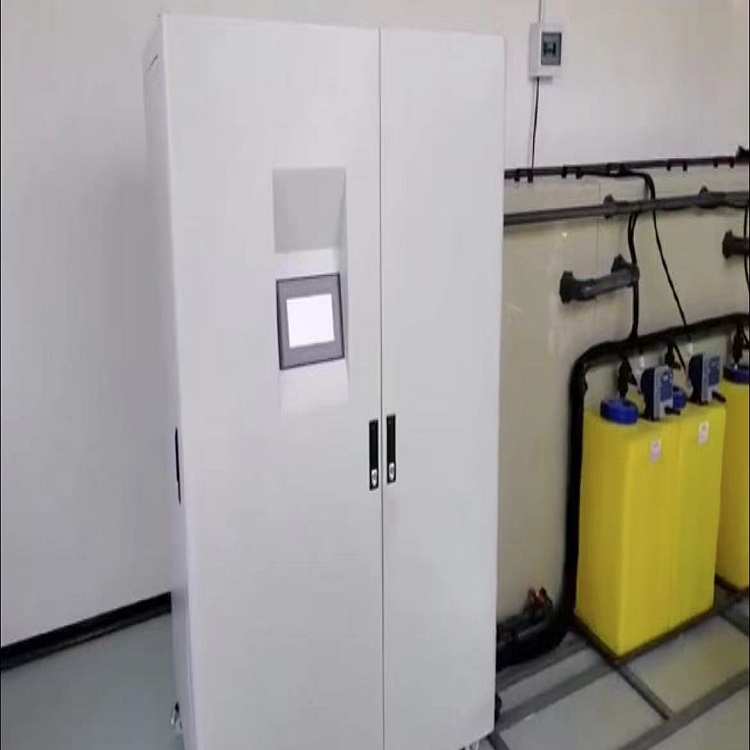
The selection of wastewater treatment equipment for biological laboratories requires a comprehensive consideration of factors such as laboratory scale, nature of wastewater, treatment efficiency, operating costs, land area, and maintenance management. Common types of equipment available in the market include:
Integrated Wastewater Treatment Equipment: Combines pre-treatment, biological treatment, and disinfection units into a compact structure with minimal footprint, suitable for small laboratories or spaces with limited space.
2. MBR (Membrane Bio-Reactor) Equipment: Combines biological treatment with membrane separation technology, capable of efficiently removing organic matter, ammonia nitrogen, and suspended solids. The effluent water quality is excellent, with a small footprint, but the initial investment is relatively high.
3. Floating Bed + Biofilter Combination Equipment: Designed for wastewater treatment containing high levels of oil or suspended solids. It first removes oils and light suspended solids through floating bed, followed by organic matter degradation in the biofilter, ensuring high treatment efficiency and stable operation.
4. Advanced Oxidation Process (AOP) Equipment: Utilizes strong oxidizers (such as ozone, Fenton's reagent, etc.) to oxidize and decompose refractory organic matter, suitable for treating wastewater containing high concentrations of refractory organic matter or special pollutants.
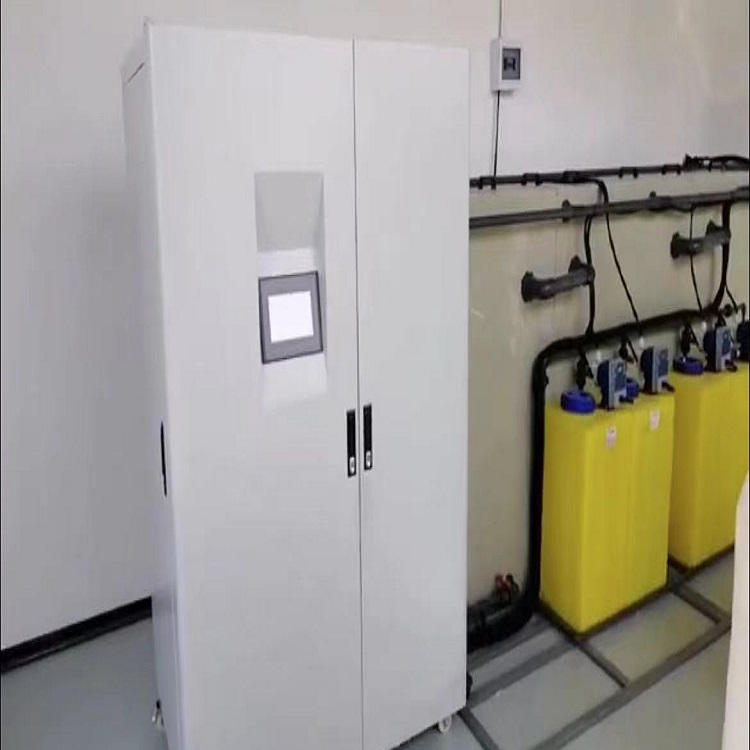
Evaluate the performance of biological laboratory wastewater treatment equipment, with primary focus on the following aspects:
Efficiency of Treatment: The removal rates for key indicators such as Chemical Oxygen Demand (COD), Biological Oxygen Demand (BOD5), ammonia nitrogen, and total phosphorus must meet national or local discharge standards.
Stability: The equipment should operate stably under varying water quality conditions, avoiding frequent malfunctions or downtime for maintenance.
Energy consumption and operational costs: Efficient equipment should be able to reduce energy consumption and operational costs while ensuring processing effectiveness, including power consumption, chemical costs, and maintenance expenses.
Automation Level: Modern wastewater treatment equipment commonly employs PLC (Programmable Logic Controller) for control, enabling remote monitoring, automatic adjustment, fault alarms, and other functions, enhancing management efficiency and safety.
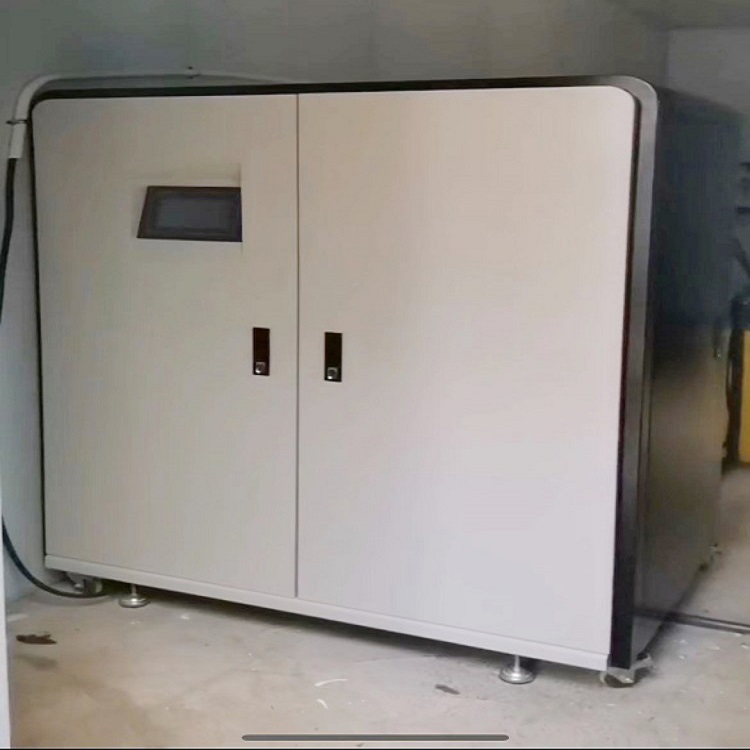
Wastewater treatment equipment for biological laboratories serves as a crucial tool for ensuring lab safety and maintaining ecological balance. Enhancing performance and technological innovation in this area will be a key direction for future development. By continuously optimizing design, improving treatment efficiency, reducing operating costs, and focusing on intelligent, resource-efficient, and environmentally friendly development, we will provide strong support for the sustainable development of biological laboratories.


www.114global.com © Zhongshang 114 Hebei Network Technology Co., Ltd.Address: Room 6009, Oriental New World Center, No.118 East Zhongshan Road, Qiaoxi District, Shijiazhuang City, Hebei ProvincePlatform Service Hotline: 4006299930