
Water Treatment Equipment, Wastewater Treatment Equipment...



Product Recommendation
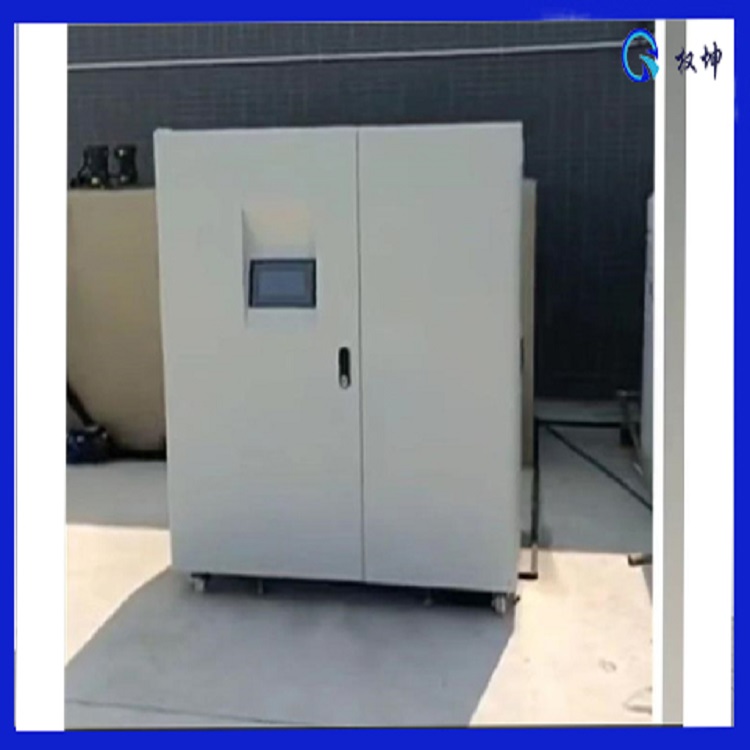
Quan Kun - Comprehensive Laboratory Waste Water Treatment Equipment - Remote Monitoring - Automated Control
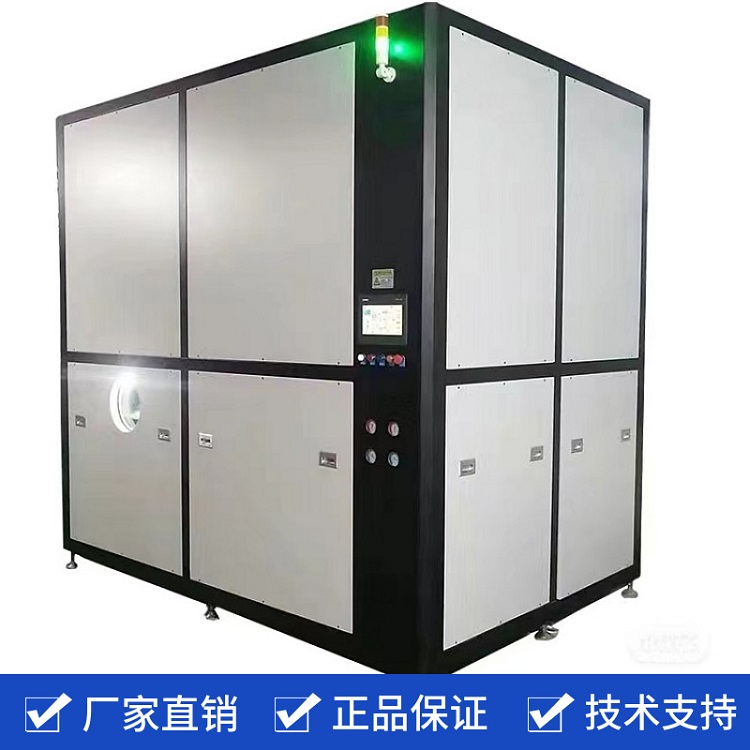
Sodium Chloride Wastewater Low-Temperature Evaporator - Intelligent Automatic - Quankun - Integrated Design
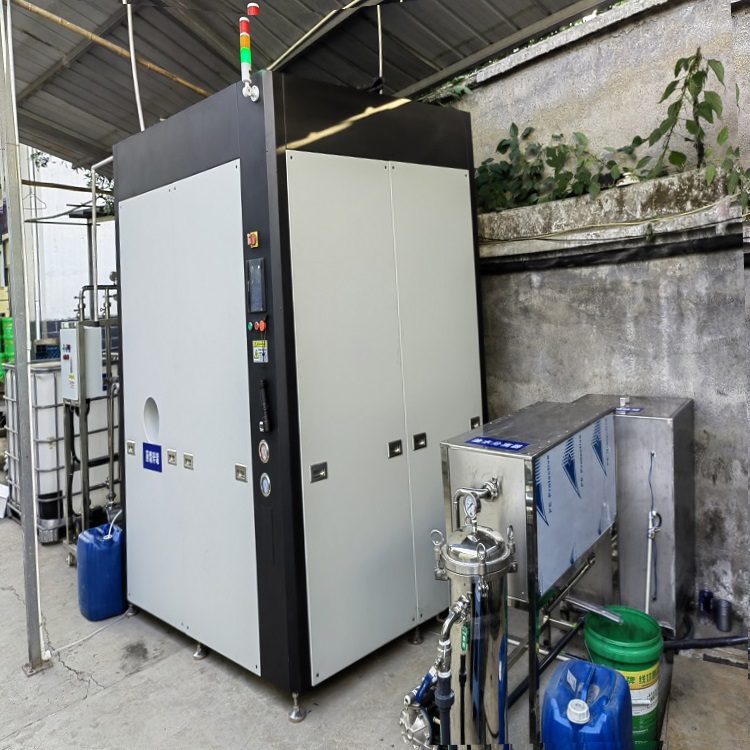
High-Concentration Oil Emulsion Waste Water Treatment Equipment - Quankun - Evaporator Unit - High Concentration Ratio
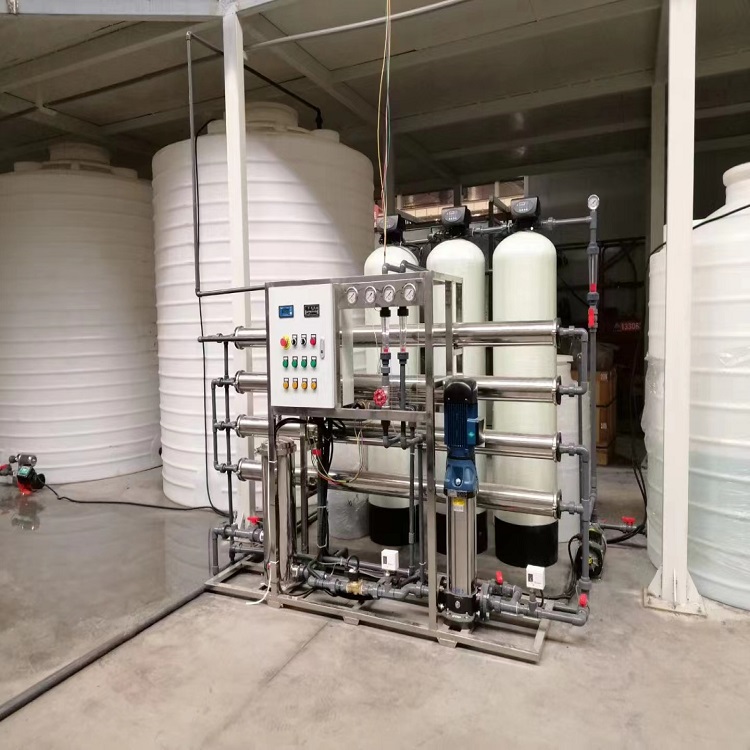
Industrial Pure Water Equipment EDI Ultra-Pure Water System Fully Automatic Control Quankun Environmental Protection
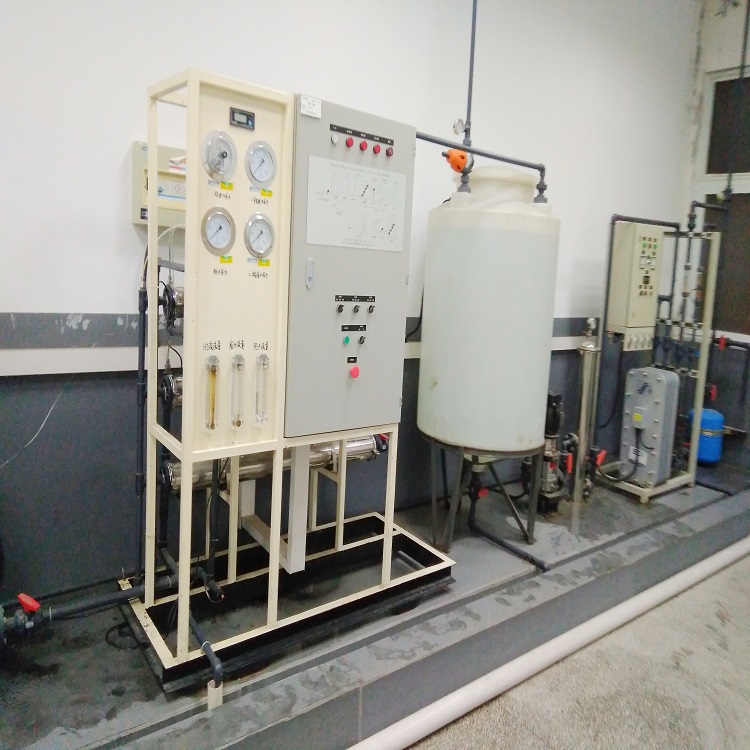
Shenzhen Industrial Ultra-Pure Water Equipment, equipped with EDI system, features low energy consumption and high degree of automation.
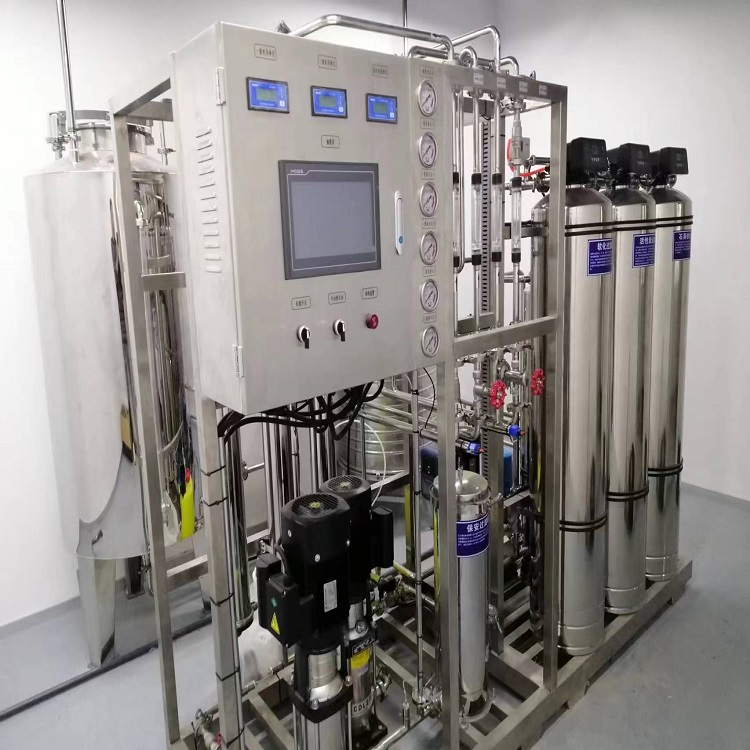
Shanghai industrial pure water production equipment reverse osmosis filtration system with high yield and customizable options, Quankun brand.
The low-temperature evaporator, as a core component of the refrigeration system, involves the integrated application of thermodynamics, fluid mechanics, and materials science in its working principle. This article will systematically elaborate on the operational mechanism of this equipment from four aspects: the basic classification of evaporators, the working process, key technical parameters, and typical application scenarios.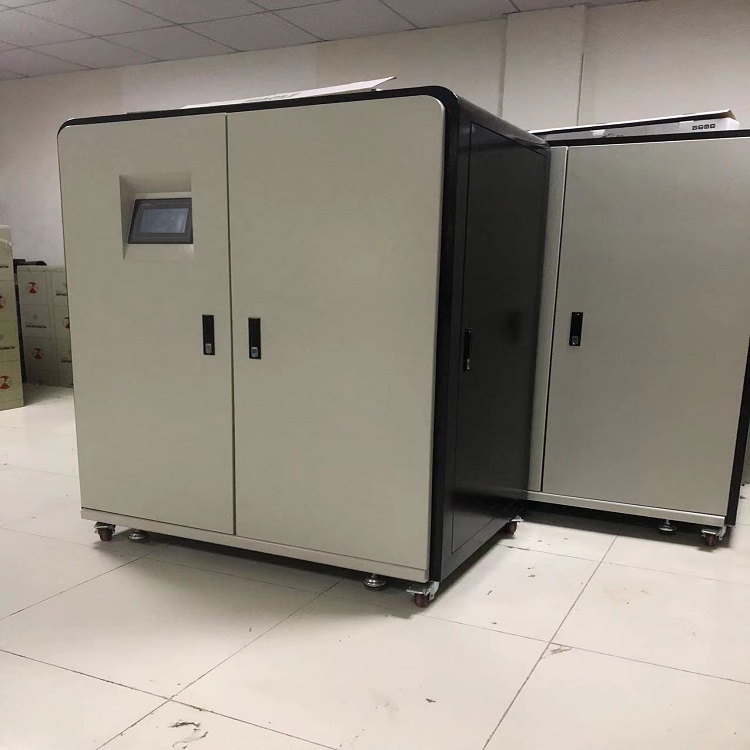 The low-temperature evaporators are mainly categorized into two types: direct expansion and flooded. In direct expansion evaporators, the refrigerant evaporates inside the tubes while absorbing heat from the surrounding cooling medium outside. A typical example is the finned-tube evaporator commonly used in cold storage. These evaporators feature copper tubes with aluminum fins, which increase the heat exchange area to enhance efficiency, and are suitable for temperature ranges from -40℃ to 10℃. On the other hand, flooded evaporators allow the refrigerant to boil in the shell side, while the tube side is filled with the cooling medium. They have a higher heat exchange coefficient but require a larger refrigerant charge, and are commonly found in industrial refrigeration systems.
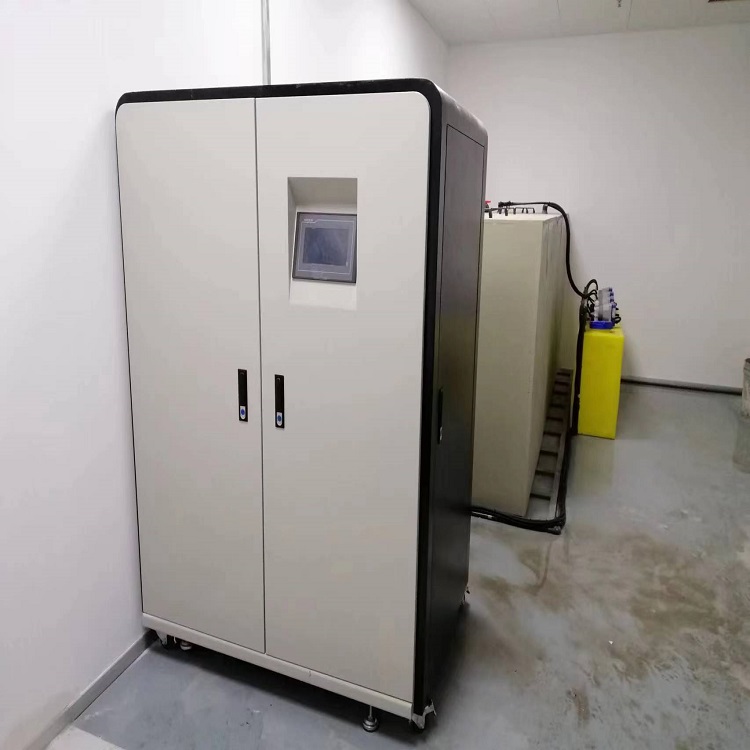 The multi-effect falling film evaporator is a special design type that achieves efficient heat transfer by uniformly distributing the liquid into a thin film along the heating surface. This structure allows for a low evaporation temperature difference of only 3-5°C, making it particularly suitable for the processing of heat-sensitive materials. A case study reported by NetEase News on a food processing company demonstrates that evaporators with falling film design consume over 30% less energy compared to traditional models.
The core working principle of the evaporator is based on the heat absorption during the phase change of the refrigerant. When the high-pressure liquid refrigerant is throttled through the expansion valve, it forms a low-temperature, low-pressure mixture of vapor and liquid, which then enters the evaporator.
Three critical stages exist during the phase change process: First, the nucleate boiling stage, where vaporization nuclei on the tube wall produce bubbles; followed by convective boiling, where the bubbles脱离 the wall surface, causing intense disturbances; and finally, superheated steam may form at the outlet section.
Key Parameters Analysis Affecting Efficiency
The Heat Transfer Temperature Difference: According to a report from NetEase Industry Coverage, a cold chain logistics company optimized the evaporation temperature difference from 8℃ to 5℃, thereby increasing the system's COP value by 12%. However, a too small temperature difference can lead to an increase in equipment volume, requiring a balance between investment and operating costs.
2. Refrigerant Flow Rate: Oil film accumulation affects heat transfer when the flow rate is below 0.4 m/s, and a significant pressure drop occurs when the flow rate exceeds 4 m/s.
3. Oil Return Characteristics: Full liquid evaporators require an oil separator, while film evaporators are more conducive to oil return due to the smaller refrigerant flow.
4. Frost Control: In low-temperature and high-humidity conditions, air-cooled evaporators can reach 30% of the initial heat exchange amount of frost within 3 hours. Frost removal methods such as bypassing hot gas or electric heating have their own pros and cons, and the choice depends on the operating environment.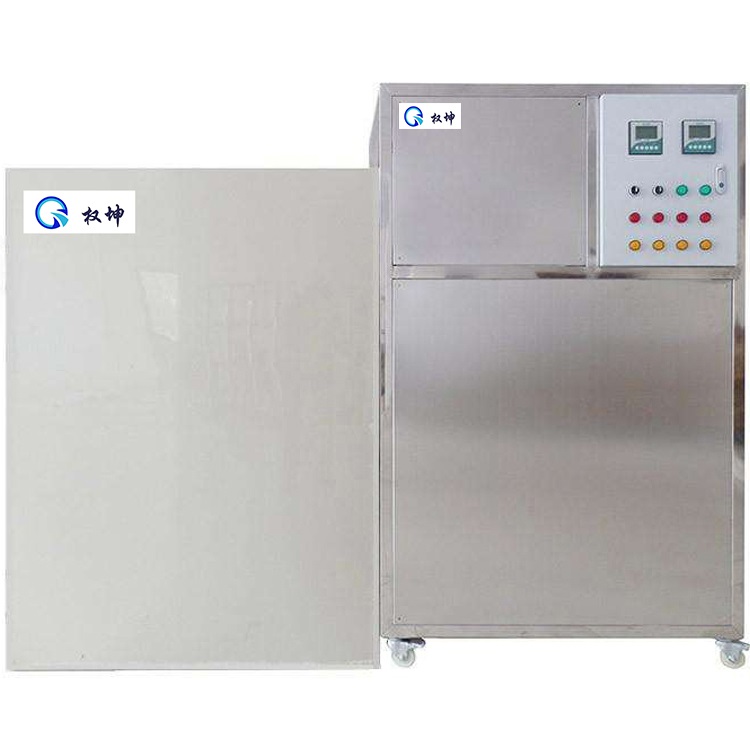 From thermodynamic principles to engineering practice, the continuous innovation of low-temperature evaporators exemplifies the industry truth that "details determine efficiency." As a refrigeration expert said in an interview, "A 1% improvement in evaporator performance can potentially save 3% of the entire system's energy." This magnifying effect makes technological innovation in evaporator technology a research focus in the refrigeration field.


www.114global.com © Zhongshang 114 Hebei Network Technology Co., Ltd.Address: Room 6009, Oriental New World Center, No.118 East Zhongshan Road, Qiaoxi District, Shijiazhuang City, Hebei ProvincePlatform Service Hotline: 4006299930