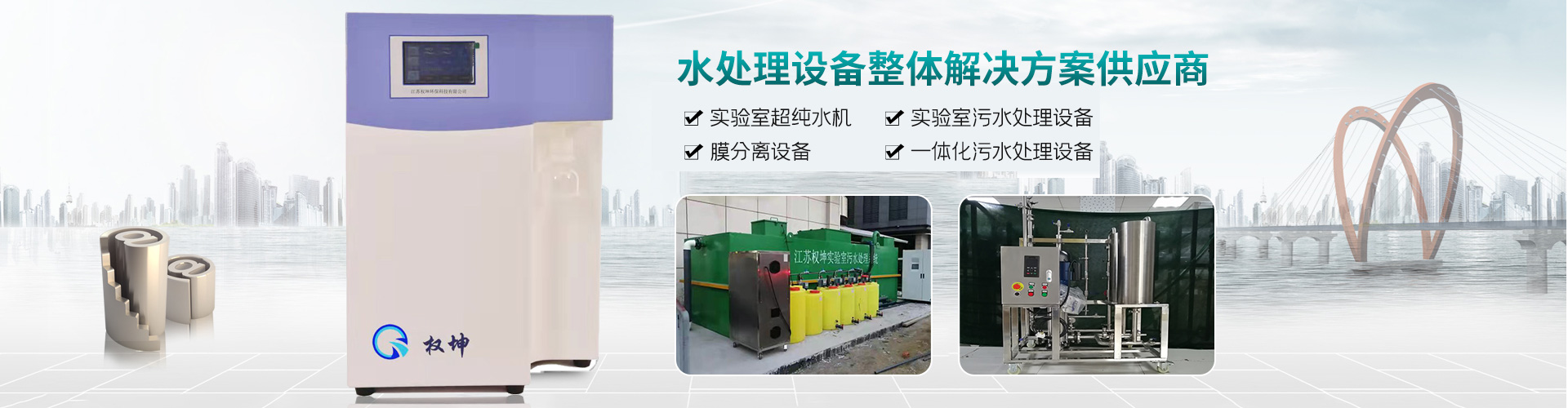

Water Treatment Equipment, Wastewater Treatment Equipment...



Product Recommendation
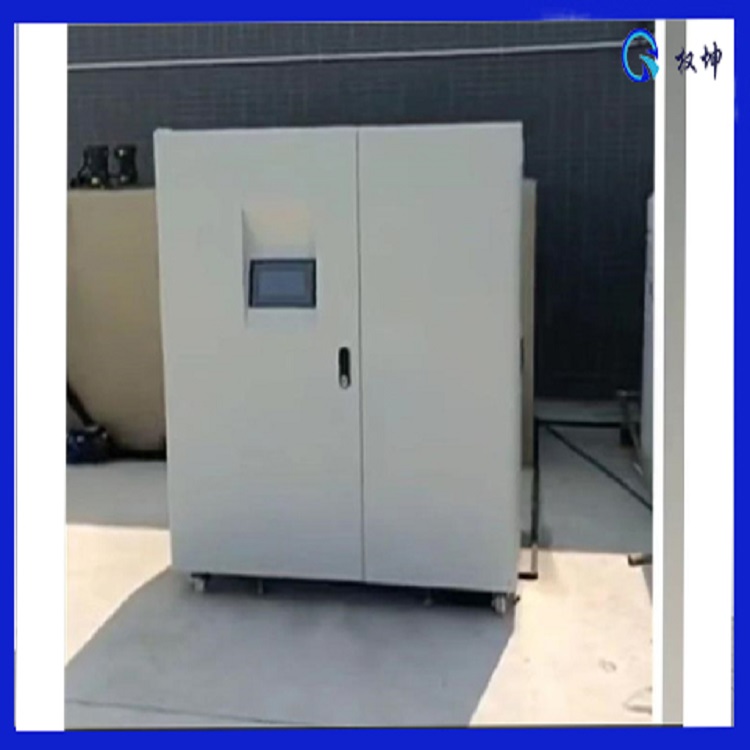
Quan Kun - Comprehensive Laboratory Waste Water Treatment Equipment - Remote Monitoring - Automated Control
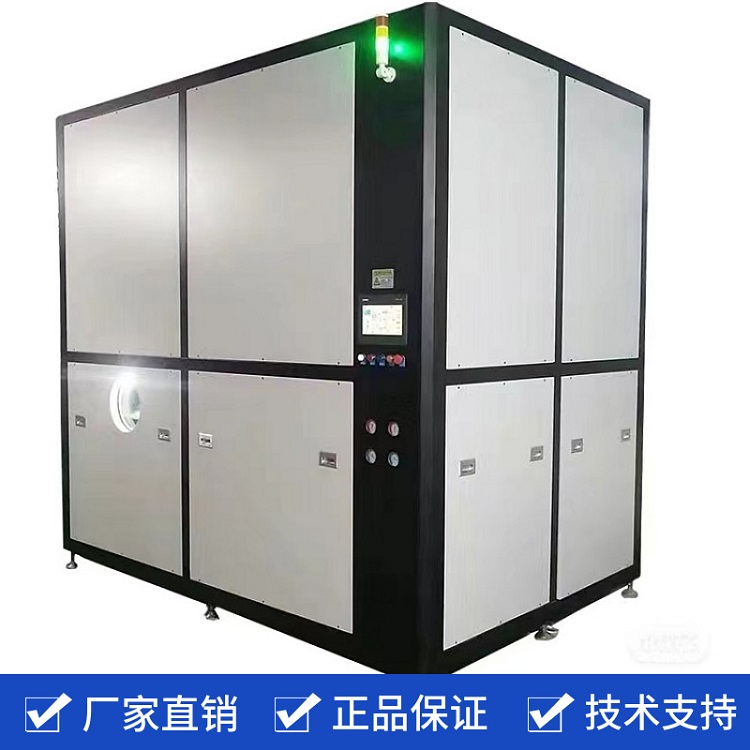
Sodium Chloride Wastewater Low-Temperature Evaporator - Intelligent Automatic - Quankun - Integrated Design
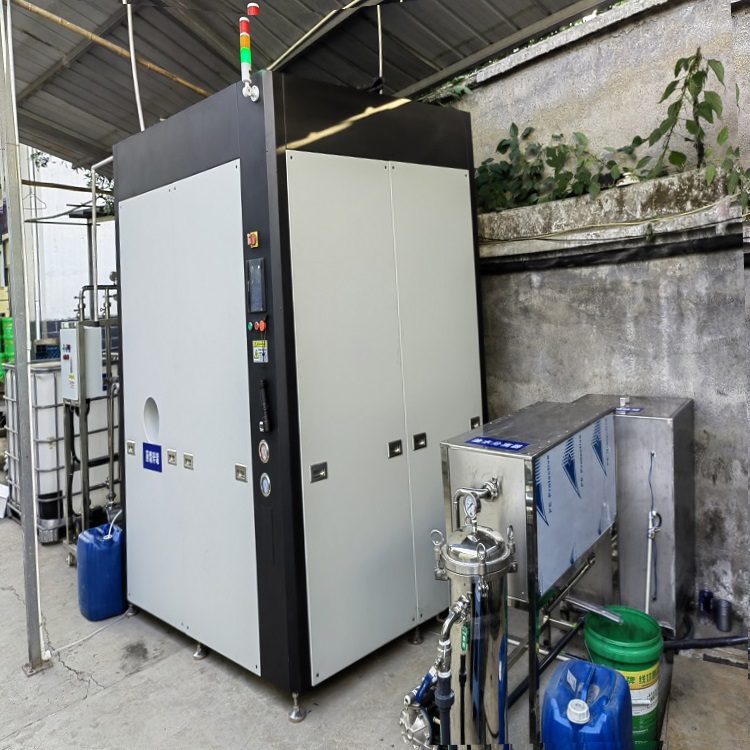
High-Concentration Oil Emulsion Waste Water Treatment Equipment - Quankun - Evaporator Unit - High Concentration Ratio
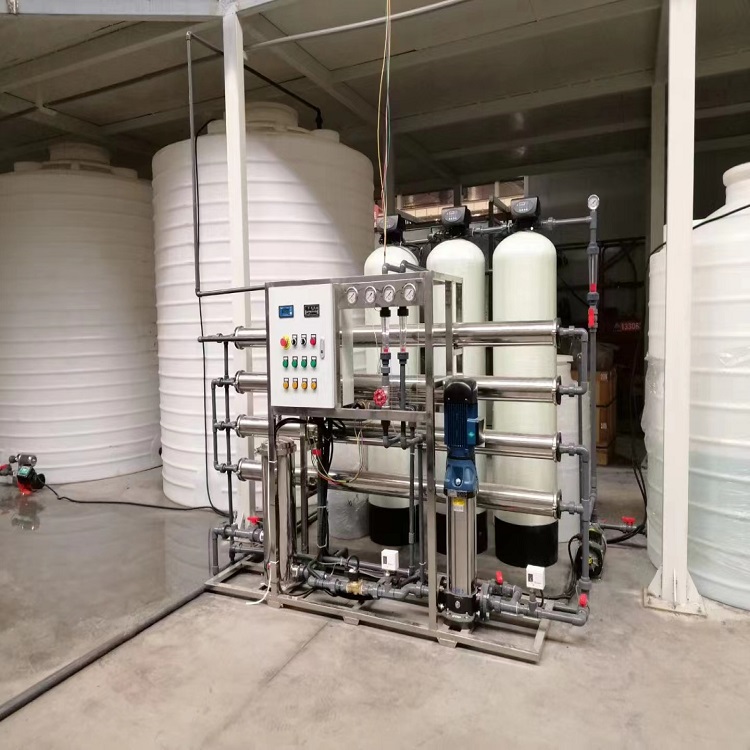
Industrial Pure Water Equipment EDI Ultra-Pure Water System Fully Automatic Control Quankun Environmental Protection
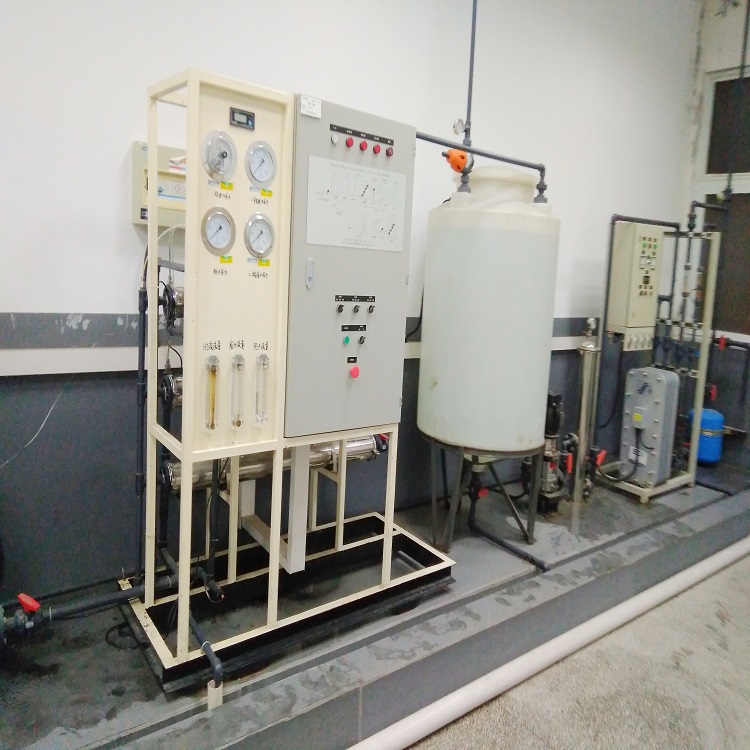
Shenzhen Industrial Ultra-Pure Water Equipment, equipped with EDI system, features low energy consumption and high degree of automation.
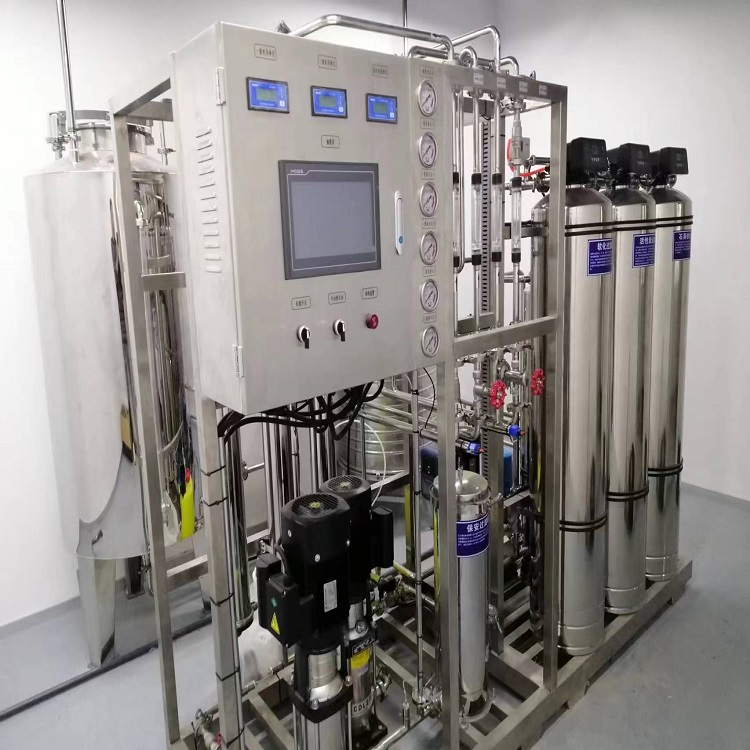
Shanghai industrial pure water production equipment reverse osmosis filtration system with high yield and customizable options, Quankun brand.
Pure water systems are indispensable key equipment in modern laboratories, industrial production, and medical fields, with their core objective being the removal of impurities from water through multiple purification processes to produce high-purity water that meets various industry standards. From basic reverse osmosis technology to advanced EDI modules, the structure and working principle of pure water systems reflect the integration of multidisciplinary technologies.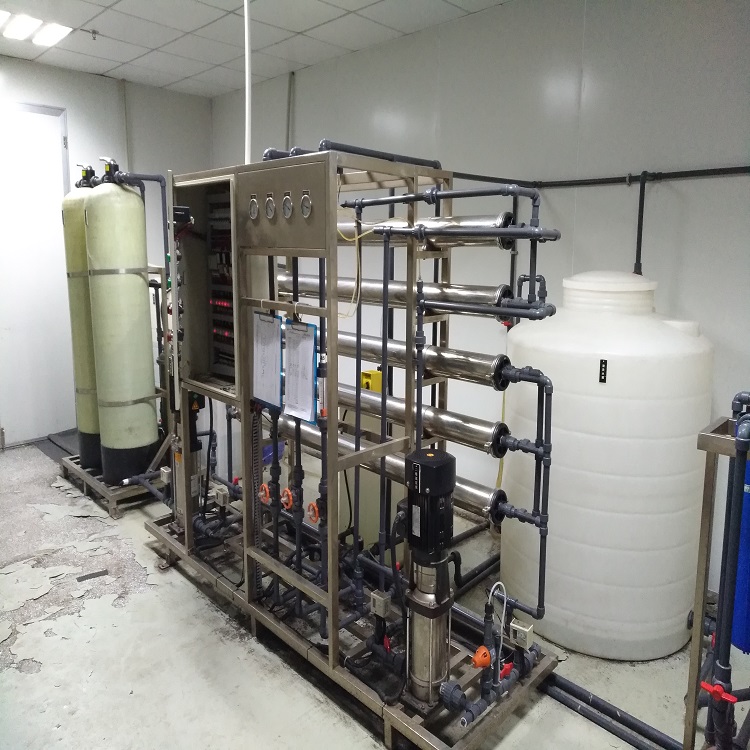
Core Process Principle of the Pure Water System
Pre-processing stage
Raw water (such as tap water) undergoes sand filtration, activated carbon adsorption, and softening treatment first. The sand filter intercepts suspended particles through a layer of quartz sand; activated carbon adsorbs residual chlorine and organic matter; the softening resin reduces the concentration of calcium and magnesium ions through ion exchange, preventing scaling of the subsequent reverse osmosis membrane. This stage can remove about 90% of colloidal and macromolecular pollutants, laying the foundation for deep purification.
2. Reverse Osmosis (RO) Technology
As the core component of the system, the Reverse Osmosis (RO) membrane utilizes the characteristics of semi-permeable membranes to achieve selective filtration at pressures ranging from 0.5 to 1 MPa. Water molecules pass through the polyamide film with a pore size of only 0.1 nanometers under pressure, while over 98% of dissolved salts, microorganisms, and organics are retained. Notably, the conductivity of RO-produced water can be reduced to between 5 and 20 μS/cm, yet a small amount of ions remains, requiring further purification.
3. Electrodeionization (EDI) Technology
The EDI module combines ion exchange with electric field action, adsorbing residual ions through packed mixed bed resin, while the resin is continuously regenerated under direct current. Anions and cations migrate to the electrodes and are discharged through the concentrated water chamber, achieving continuous water production without chemical regeneration. This technology can raise resistivity to 15-18.2 MΩ·cm, meeting ultra-pure water standards (such as ASTM Type I).
4. Terminal Refining Unit
Ultra-pure water systems are typically equipped with ultraviolet sterilization (254nm wavelength) and ultrafiltration (0.1μm pore size) components to completely inactivate microorganisms and retain pyrogens. Some high-end systems also integrate degassing membranes to remove dissolved CO₂ and other gases, ensuring water quality stability.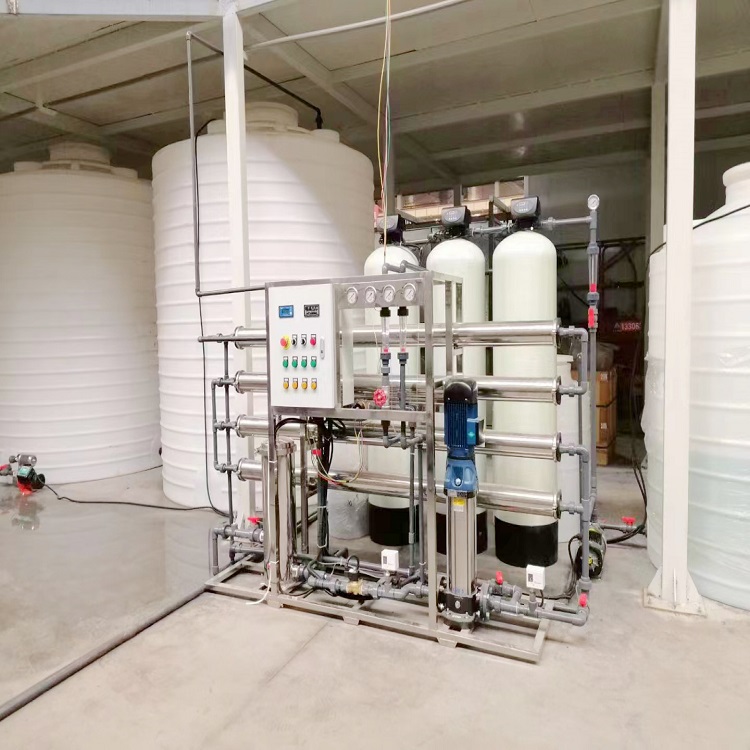 Part Two: System Structure Composition Analysis
Modular design architecture
Mechanical Filtration Unit: Comprises multi-stage in-series PP cotton filter cores (1-5μm), activated carbon tanks, and softeners, creating a gradient filtration barrier.
High-pressure pump units: Provide a constant pressure for RO membranes, usually equipped with variable-frequency control to accommodate water quality fluctuations.
The Membrane Stack System: The RO stage utilizes spiral wound membrane elements, while the EDI stage employs plate and frame membrane stacks, with a water production capacity of up to 0.5-20 tons per hour per cubic volume.
Intelligent Control System: Integrating PLC and sensor networks, it monitors 12 parameters such as TOC (Total Organic Carbon) and resistivity in real-time, achieving automatic flushing and fault warnings.
Loop Pipeline Design
To prevent water quality degradation, the ultra-pure water distribution system utilizes 316L stainless steel or PVDF piping and is designed in a closed-loop circulation mode, maintaining a flow rate of 1.5-3m/s to prevent microbial growth. Some systems also inject nitrogen to maintain positive pressure in the piping, thereby isolating air contamination.
3. Energy Recovery Unit
Industrial-grade systems are often equipped with pressure exchangers, which recover and utilize 60% of the excess pressure energy on the RO concentrate side, reducing energy consumption by over 30%.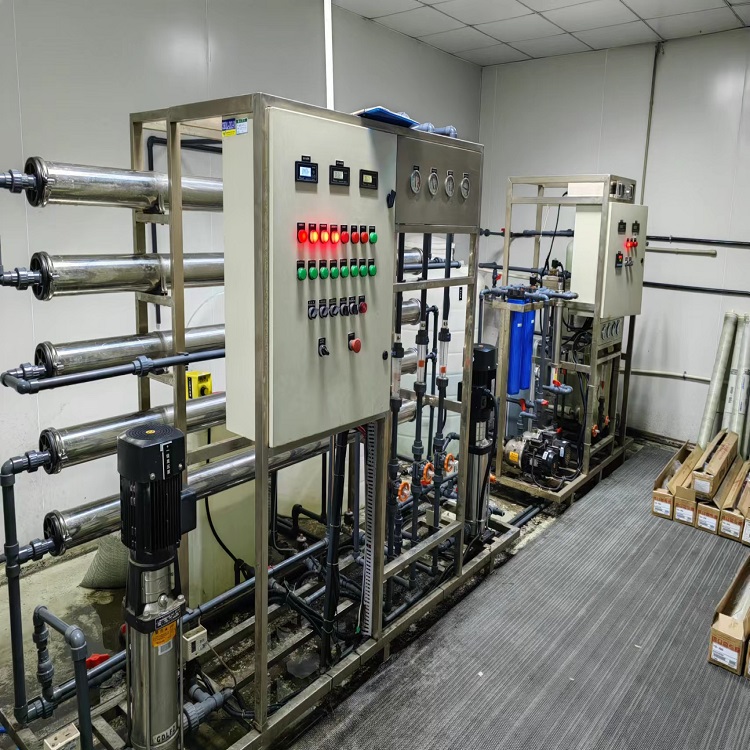 Section 3: Comparison of Application Scenarios
Laboratory-grade system
Emphasizing water quality accuracy (resistance rate ≥ 18.2MΩ·cm) and low flow stability (0.5-50L/min), typically equipped with multi-stage water storage tanks and nitrogen protection.
2. Industrial-grade equipment
With a core indicator of water production capacity reaching several tons per hour, the system employs a multi-RO membrane parallel design. The pure water system for the photovoltaic industry requires boron concentration <0.1 ppb, necessitating the addition of a selective ion exchange column.
3. Medical Pharmaceutical Systems
Meets USP/EP standards with a focus on microbiological control. Typical configurations include dual RO + dual EDI + multi-stage UV, with the steam-in-water system also required to maintain a circulation temperature above 80°C to inhibit endotoxin formation.
With the rising demand for ultra-pure water in industries such as semiconductor and biomedicine, pure water systems are evolving towards lower energy consumption and higher levels of automation. Over the next five years, adaptive purification systems with integrated AI algorithms and nanometer-level filtration technology could redefine industry standards. When selecting systems, users should conduct a comprehensive assessment based on actual water quality standards (such as GB/T 11446.1-2013 or ISO 3696), average daily water usage, and budget. Modular combination solutions may be adopted for water quality supply as needed.


www.114global.com © Zhongshang 114 Hebei Network Technology Co., Ltd.Address: Room 6009, Oriental New World Center, No.118 East Zhongshan Road, Qiaoxi District, Shijiazhuang City, Hebei ProvincePlatform Service Hotline: 4006299930