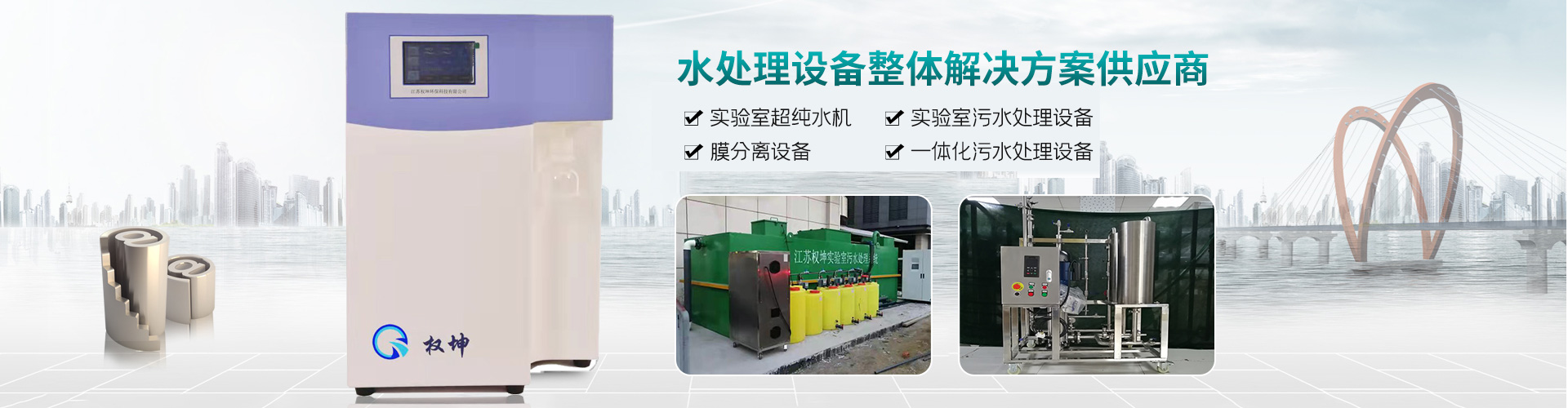

Water Treatment Equipment, Wastewater Treatment Equipment...



Product Recommendation
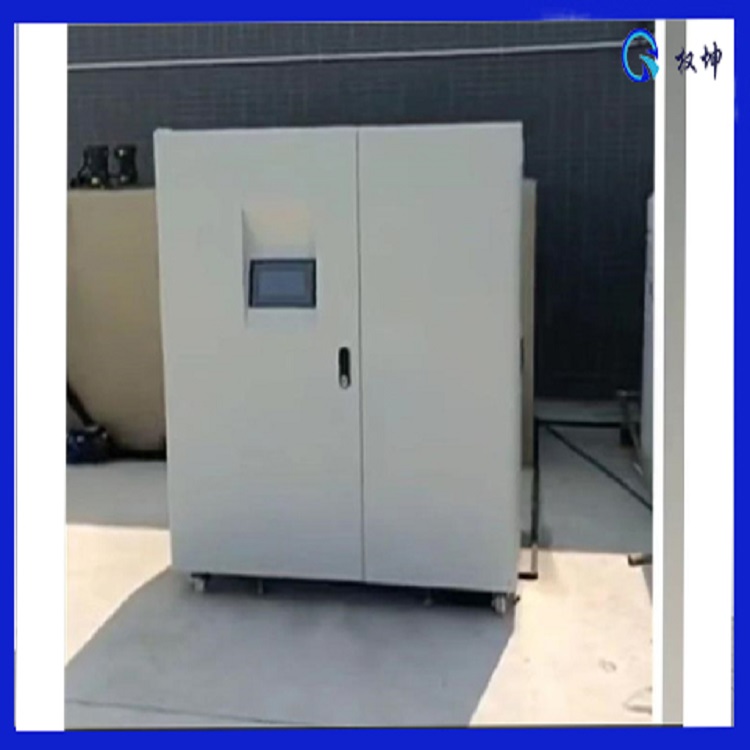
Quan Kun - Comprehensive Laboratory Waste Water Treatment Equipment - Remote Monitoring - Automated Control
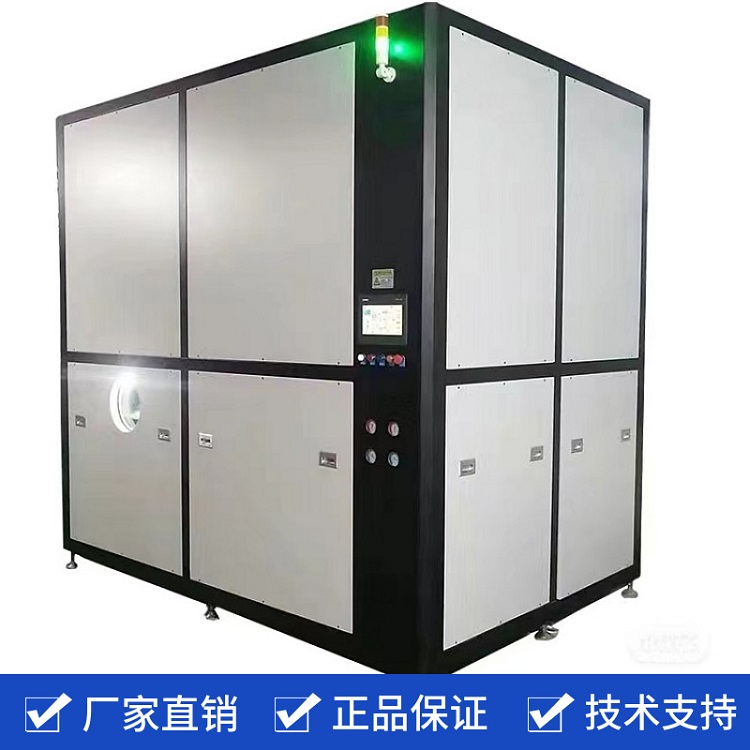
Sodium Chloride Wastewater Low-Temperature Evaporator - Intelligent Automatic - Quankun - Integrated Design
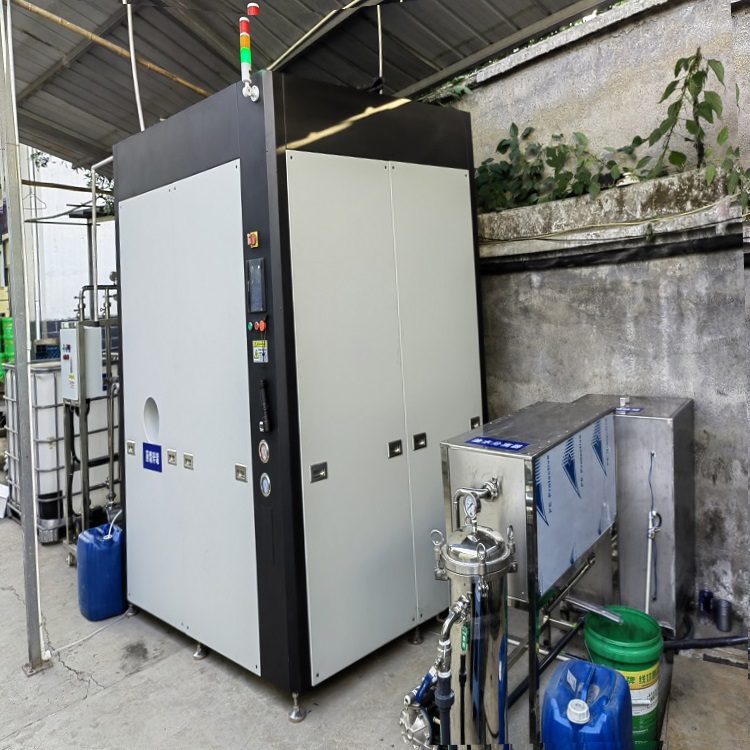
High-Concentration Oil Emulsion Waste Water Treatment Equipment - Quankun - Evaporator Unit - High Concentration Ratio
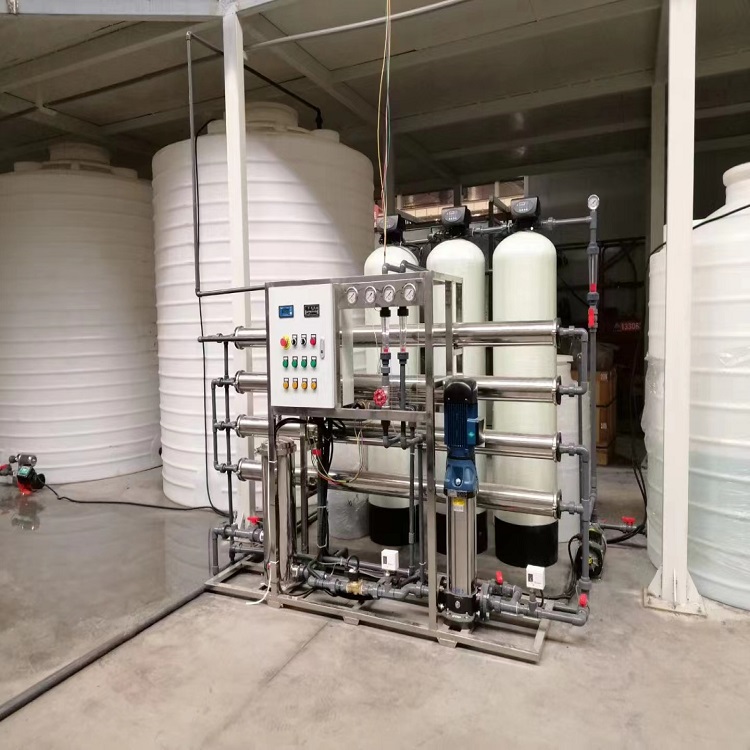
Industrial Pure Water Equipment EDI Ultra-Pure Water System Fully Automatic Control Quankun Environmental Protection
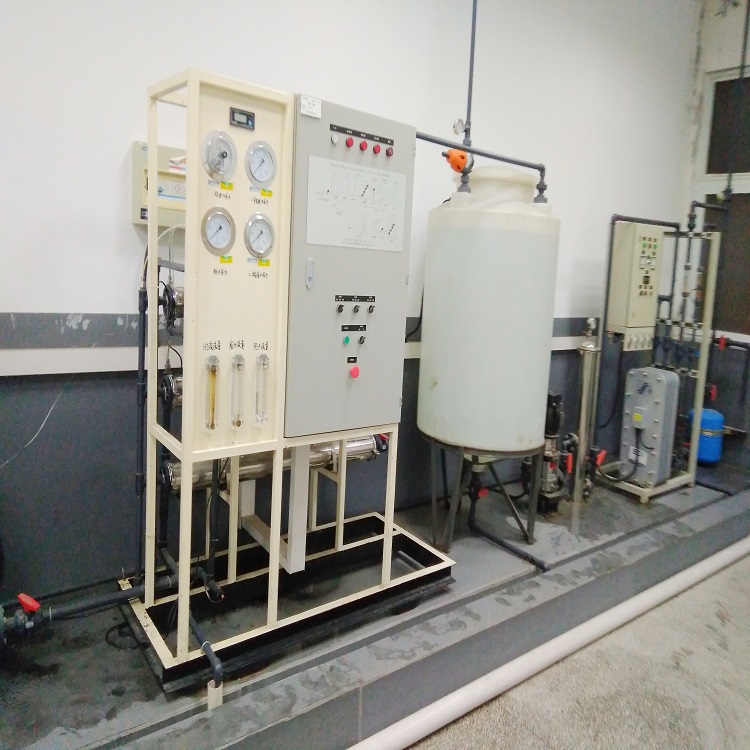
Shenzhen Industrial Ultra-Pure Water Equipment, equipped with EDI system, features low energy consumption and high degree of automation.
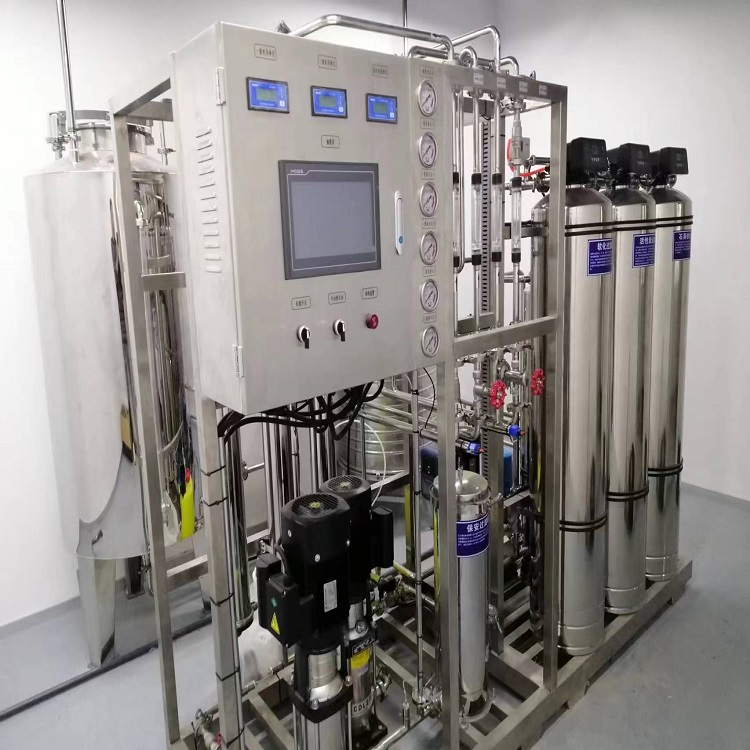
Shanghai industrial pure water production equipment reverse osmosis filtration system with high yield and customizable options, Quankun brand.
Medical ultra-pure water equipment is an indispensable key facility in the medical, pharmaceutical, and laboratory industries. Its core function is to remove all impurities from water through multiple purification processes, including ions, organic matter, microorganisms, and particulates, ultimately producing ultra-pure water with a resistivity of 18.2 MΩ·cm at 25°C. The working principle of these devices involves a comprehensive application of physical, chemical, and membrane separation technologies. Their technical route typically includes four stages: pretreatment, reverse osmosis (RO), electrodeionization (EDI), and final refined treatment. The following will detail the working process and technical principles.
Pre-treatment is the first line of defense in ultra-pure water production, designed to safeguard subsequent precision membrane components from contamination or clogging. This stage typically involves multi-media filtration, activated carbon adsorption, and softening treatment.
Multi-media Filtration: Retains suspended matter, colloids, and particles larger than 5μm in water through sand filters, PP cotton, and other filter materials, reducing water turbidity.
2. Activated Carbon Adsorption: Utilizing the high specific surface area of activated carbon to adsorb residual chlorine, organic matter, and some heavy metals, preventing chlorine oxidation from damaging the reverse osmosis membrane.
3. Softening Treatment: Utilizes sodium ion exchange resins to replace calcium and magnesium ions in the water, preventing subsequent RO membranes from failing due to scaling.
Pre-treated water must meet the standards of SDI (Pollutant Index) <5 and residual chlorine <0.1 mg/L to proceed to the core desalination stage.
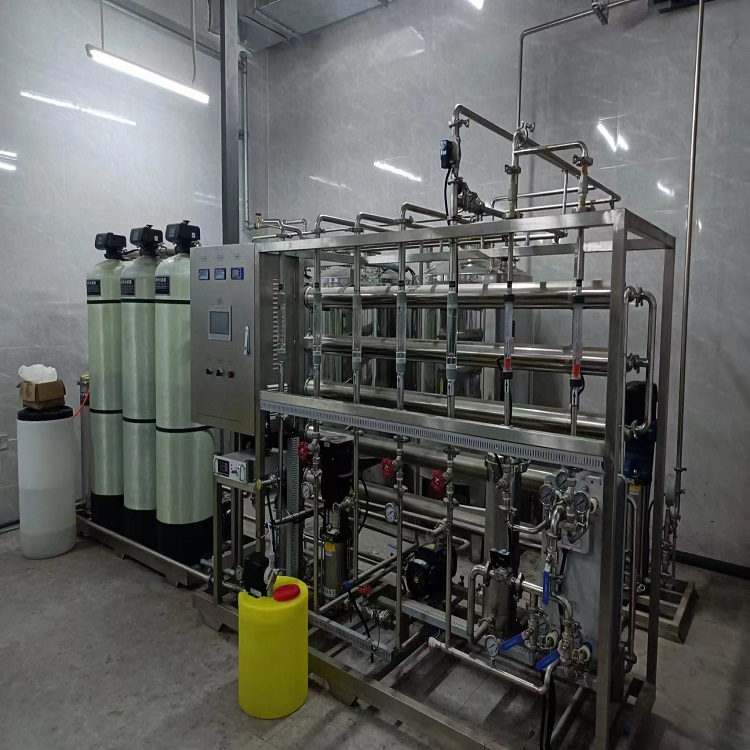
Reverse osmosis is the core process of medical ultra-pure water systems, which operates by forcing water molecules through a semi-permeable membrane (with a pore size of about 0.1nm), while dissolved salts, organic matter, and microorganisms are retained. The RO membrane can achieve a removal rate of 95%-99% for monovalent ions and a retention rate exceeding 99.5% for divalent ions and microorganisms.
The high-pressure pump's function: It provides a working pressure of 4-15 bar to overcome the osmotic pressure of water, driving pure water through the membrane layer.
Treated Water Discharge: Approximately 20%-40% of the incoming water becomes wastewater due to high concentrations of impurities, ensuring that no pollutants deposit on the membrane surface.
Water Quality: The RO water conductivity can be reduced to 1-10 μS/cm, yet there is still a small amount of ions remaining, requiring further purification.
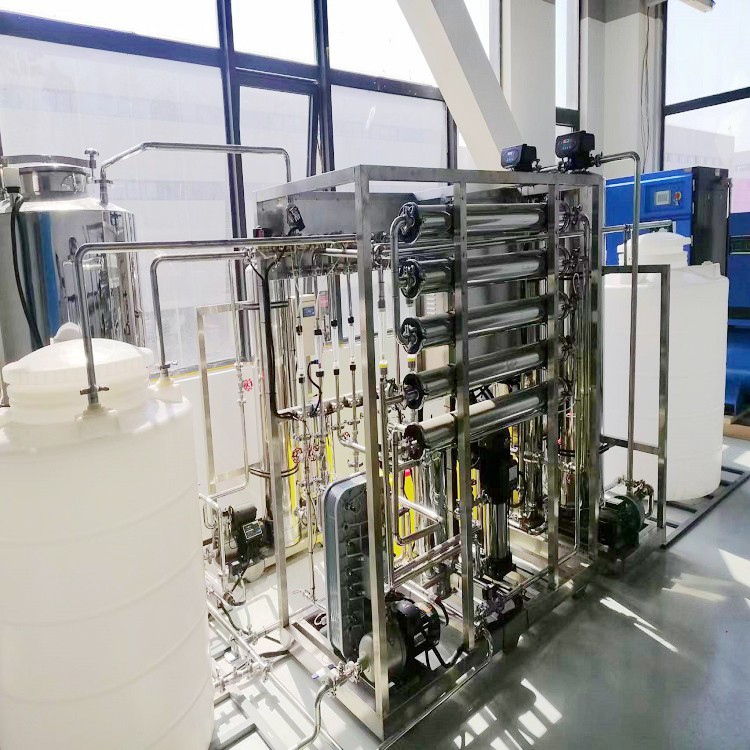
EDI technology combines the advantages of ion exchange and electro dialysis, driving ion migration through a direct current field to achieve continuous resin regeneration without the need for chemicals. Its core components include ion exchange resins, anion/cation exchange membranes, and electrodes.
Ion Migration: Under the influence of an electric field, residual Na⁺, Cl⁻ ions, etc., in water pass through a selective ion membrane into the concentrated water chamber for discharge.
Resin Regeneration: The H⁺ and OH⁻ produced by H₂O electrolysis continuously regenerate the resin, avoiding the need for frequent replacement of traditional mixed-bed resins.
3. Product Water Characteristics: The EDI output has a resistivity of up to 5-15 MΩ·cm, with low operation costs and no secondary pollution, making it an ideal choice for medical ultra-pure water.
To meet the stringent requirements of the medical field for ultra-pure water (such as Pharmacopoeia CP/USP standards), the terminal refined treatment typically includes the following steps:
Ultraviolet Sterilization: 254nm UV lamps disrupt microorganism DNA, ensuring a sterile state.
Ultrafiltration (UF): Retains particles, pyrogens, and bacterial fragments larger than 0.01 μm.
Polished Mixed Bed: Filled with nuclear-grade resin, it deeply removes trace ions, stabilizing resistivity at 18.2 MΩ·cm.
Nitrogen Sealing Storage: Utilizes inert gas to protect water tanks, preventing CO₂ dissolution in air from degrading water quality.
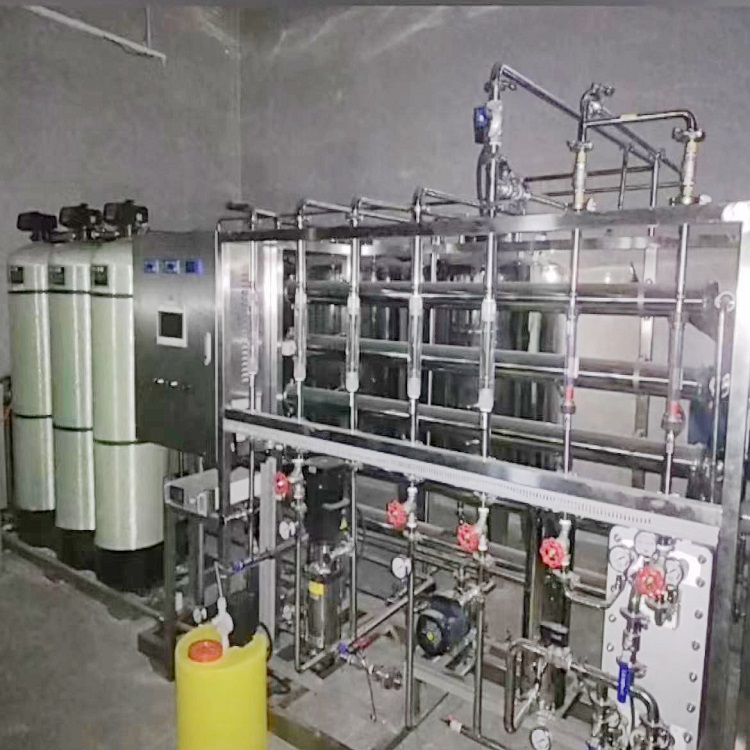
Medical ultra-pure water equipment is widely used in hemodialysis, injection preparation, and gene sequencing, but faces the following technical challenges:
Microbial Control: Strict monitoring of endotoxin levels is required (<0.25 EU/ml).
Material Compatibility: Pipelines and tanks must be made of 316L stainless steel or PVDF, etc., inert materials.
Energy Efficiency Optimization: Reducing electricity consumption in the RO process through energy recovery systems.


www.114global.com © Zhongshang 114 Hebei Network Technology Co., Ltd.Address: Room 6009, Oriental New World Center, No.118 East Zhongshan Road, Qiaoxi District, Shijiazhuang City, Hebei ProvincePlatform Service Hotline: 4006299930