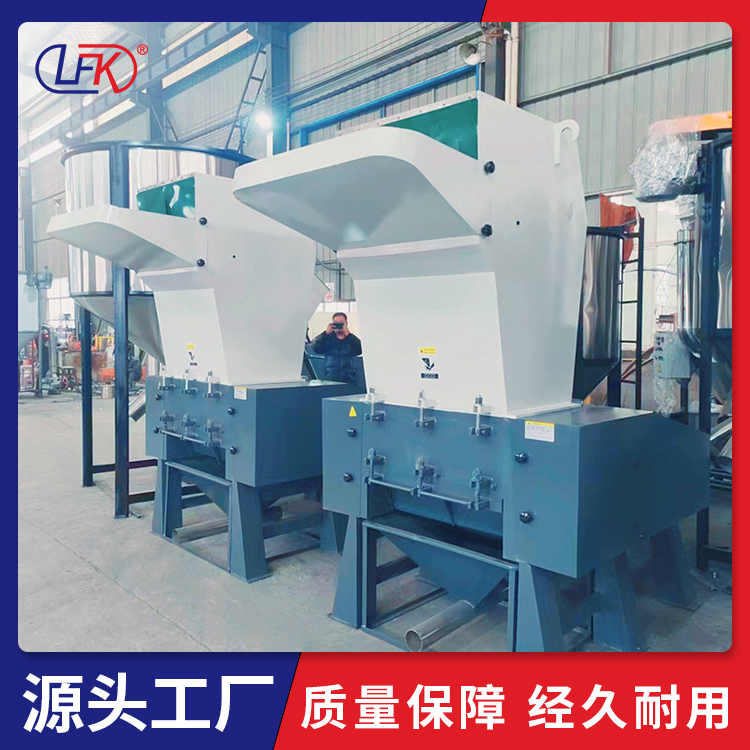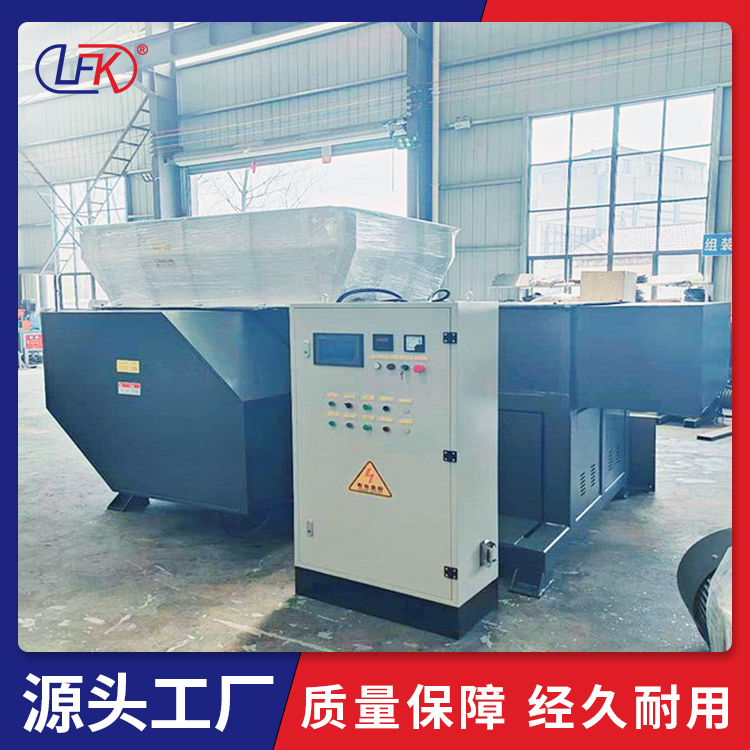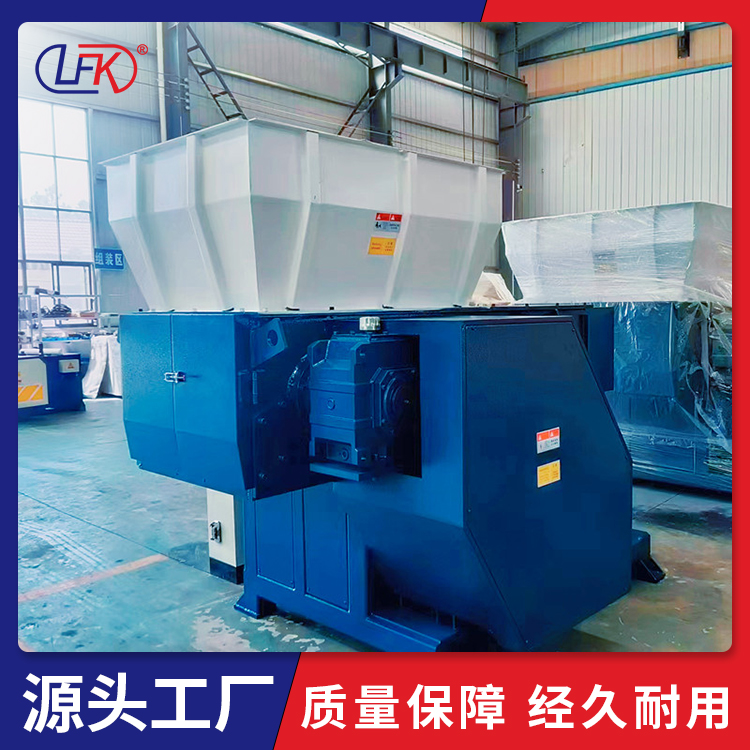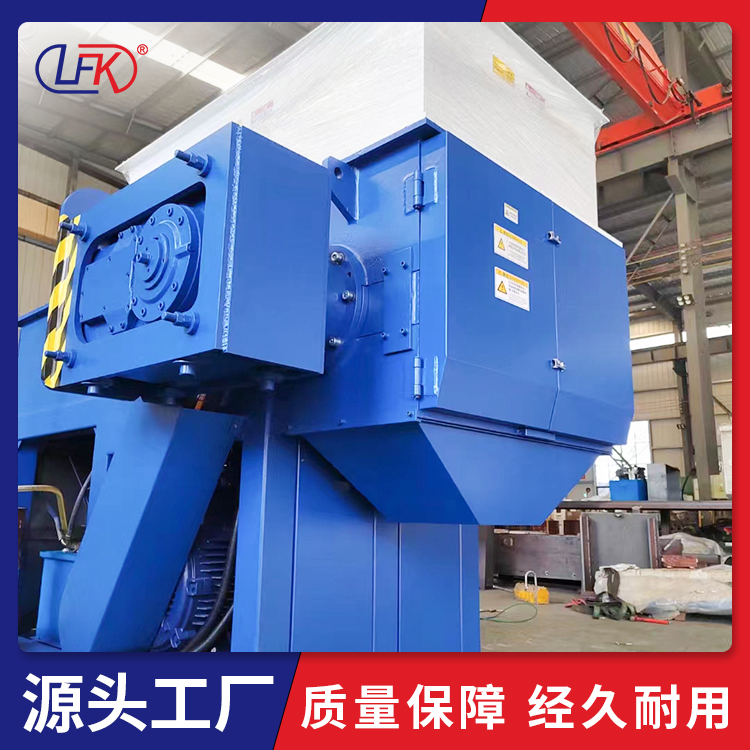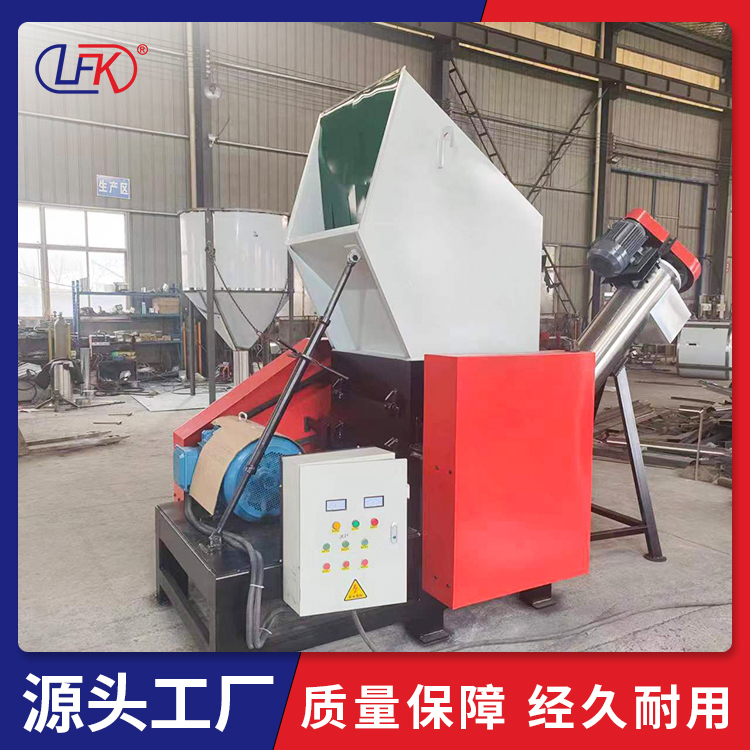

Single-Axis Shredder, Tire Shredder, Heavy-Duty Crusher, Plastic Shredder, Mini Shredder, Film Shredder
13626806370
On April 29th, the newly revised "Law of the People's Republic of China on the Prevention and Control of Environmental Pollution by Solid Wastes" (hereinafter referred to as the New Waste Law) was reviewed and passed, and will be implemented as of September 1, 2020. The New Waste Law has added numerous specific provisions regarding construction waste, clarifying the content related to the prevention and control of construction waste pollution.
01
Added three aspects, corresponding to three distinct new changes
To enhance the source control of construction waste and effectively reduce the generation and discharge of waste during construction projects, strengthen the binding regulatory requirements for the responsibility of waste generators, and promote the adoption of advanced technologies, processes, equipment, and management measures by construction entities, the new Waste Management Law primarily revises and innovates in the following aspects: to improve the legal system and strengthen top-level design.
The new waste management law will treat "construction waste" as a separate category for management.
The new Waste Management Law separates "construction waste" from "domestic waste" within the existing waste classification, treating it as a distinct category. Previously, solid wastes were categorized into three main types: "domestic waste," "industrial solid waste," and "hazardous waste," with "construction waste" being a subcategory of "domestic waste." The revised law now divides solid wastes into five categories: "industrial solid waste," "domestic waste," "construction waste," "agricultural solid waste," and "hazardous waste," placing "construction waste" on par with "domestic waste." This change facilitates independent management of "construction waste" across various sectors.
Secondly, the new Waste Law legally requires the establishment of "government-version" classification, utilization, and management systems, referred to as "two systems and one framework," for construction waste management by local people's governments at or above the county level and their competent departments.
The new waste law mandates that local people's governments at or above the county level strengthen the prevention and control of environmental pollution from construction waste, establish a classification system for the treatment of construction waste; and develop a work plan for preventing environmental pollution from construction waste, including source reduction, classification treatment, layout and construction of disposal facilities and places. The state encourages the use of advanced technologies, processes, equipment, and management measures to promote source reduction of construction waste, establish a recycling and utilization system for construction waste, and promote the application of comprehensive utilization products derived from construction waste. The environmental health authorities at or above the county level are responsible for the prevention and control of environmental pollution from construction waste, establish a comprehensive management system for the entire process of construction waste, regulate the generation, collection, storage, transportation, utilization, and disposal of construction waste, promote comprehensive utilization, strengthen the construction of disposal facilities and places, ensure safety in disposal, and prevent environmental pollution.
In summary, upon the implementation of the new Waste Law, local people's governments at or above the county level shall establish two systems, namely, the "Government Version" of the "Building Waste Classification, Utilization, and Management System" and the "Building Waste Whole-process Management System," as well as one system, the "Building Waste Recycling and Utilization System." The government is the primary subject of environmental protection responsibility and will legally and forcibly promote the classification, recycling, and whole-process management of building waste.
The new Waste Law legally mandates that construction companies must "prepare and file a construction waste disposal plan."
The new Waste Law mandates that construction units must develop a waste management plan for construction debris, implement pollution prevention measures, and report to the environmental health departments of local people's governments at or above the county level. They should promptly remove and dispose of solid waste generated during construction projects in accordance with the regulations of the environmental health departments. Construction units are prohibited from arbitrarily dumping, scattering, or stockpiling construction debris generated during the construction process.
In summary, with the implementation of the new Waste Law, construction units will legally be required to "compile and file waste management plans" under the systems and frameworks of county-level and above government for managing construction waste. This will inevitably push construction units to establish two systems and one process: the "Construction Site Waste Sorting and Management System," the "Construction Waste Life Cycle Management System," and the "Construction Waste Recycling and Utilization Process."
02
New influences will arise in the planning, reduction, and enforcement of "construction waste."
China has lacked a专项 plan for land use for facilities involved in the transportation and centralized disposal of construction waste, making it difficult to implement such projects. During the country's peak construction period, construction units have been focused on进度 and quality, largely neglecting the reduction of construction waste at the source on construction sites, leading to a significant amount of waste being transported to rural areas for landfilling, resulting in the "waste surrounding the city." Additionally, both local governments and construction units have not given enough importance to the prevention and control of construction waste pollution. The new Law on Solid Waste, with its stringent legal provisions, will have a positive impact in three aspects.
Firstly, it will generate positive new impacts on promoting "construction waste planning" and resolving the "land bottleneck for construction waste facilities."
The new solid waste law mandates that relevant departments under the State Council and local people's governments at or above the county level, as well as their respective departments, should integrate the construction needs for solid waste transfer and centralized disposal facilities, including those for domestic waste, construction waste, and hazardous waste, into the formulation of territorial space planning and related special plans. This will ensure land allocation for such facilities, addressing the bottleneck issue of land for construction waste disposal facilities from the top-level design perspective.
Secondly, it will have a positive new impact on promoting the reduction of "construction waste" and solving the issue of "construction waste encircling cities."
To implement the spirit of the new Waste Law, the Ministry of Housing and Urban-Rural Development issued the "Guiding Opinions on Promoting the Reduction of Construction Waste" on May 8, 2020. It sets specific "quantitative" requirements for the "recycling and utilization" and post-discharge control limits of construction waste at construction sites: by the end of 2020, the preliminary mechanism for reducing construction waste in various regions is established. By the end of 2025, the mechanism for reducing construction waste in each region is further improved, with the discharge of construction waste (excluding construction sludge and mud) at new construction sites not exceeding 300 tons per 100,000 square meters, and the discharge of construction waste (excluding construction sludge and mud) at prefabricated construction sites not exceeding 200 tons per 100,000 square meters.
This objective is proposed based on a comprehensive consideration of the actual situation and future development expectations in China's construction industry. According to estimates by authoritative agencies, the current emission of construction waste per square meter of new construction projects in China (excluding construction sludge and slurry) is approximately 500 to 600 tons. By implementing a series of technical and management measures, the corresponding construction waste emission control targets can be achieved.
The "Opinion" clearly defines the overall requirements, main objectives, and specific measures for reducing construction waste, which will promote the source reduction of construction waste in the current and upcoming periods, and advance the green development of urban and rural construction.
The third is that it will produce a positive new impact on the strict enforcement of preventing and controlling construction waste pollution.
The new Waste Law stipulates that for construction units violating this law, failing to compile and file a waste disposal plan for construction debris, or failing to promptly remove solid waste generated during construction; or for unauthorized dumping, spreading, or stacking construction debris generated during the construction process, or failing to utilize or dispose of the solid waste generated during construction in accordance with regulations, fines of between 100,000 and 1 million yuan will be imposed. The severity of the penalties is unprecedented and will substantially promote the prevention and control of construction waste pollution.
03
Achieve the goals of reduction, resource utilization, and non-hazardous treatment.
According to estimates by relevant authorities, by 2020, the total storage of construction waste had reached approximately 20 billion tons, with an annual increase of around 3.5 billion tons. This accounts for about 40% of the total urban solid waste, making it the largest and most concentrated type of solid waste emitted by cities in China.
Currently, in our country, construction waste is primarily handled through methods such as exporting, landfilling, and open-air disposal. This not only occupies a large amount of land resources but also generates harmful components and gases, leading to pollution of groundwater, soil, and air, posing threats to the ecological environment and public health. It also poses serious safety hazards, as evidenced by the "Guangming Landslide Incident" in Shenzhen on December 20, 2015, which resulted in the deaths of 74 people.
The new Waste Law elevates the management of environmental pollution prevention and safety隐患 prevention for construction waste to a new level, which is bound to promote the gradual establishment of the system and framework for "construction waste classification, recycling, and whole-process management" in our country. This will transition construction waste from previous uncontrolled management to "classification, recycling, and whole-process controllable management," aiming for reduction, resource utilization, and harmless treatment. It will establish a mechanism for reducing construction waste, drive a transformation in the organizational model of engineering construction, and prevent and reduce the generation of construction waste at the source. This will effectively decrease the waste emissions throughout the life cycle of the project, continuously advancing the sustainable development of engineering construction and the improvement of urban and rural living environments.
Contact us

Service Hotline
13776658704
Company Telephone
13626806370

Address
Ma'anshan City, Baojiang District, Xinshi Industrial Park, 118-9
www.114global.com © Zhongshang 114 Hebei Network Technology Co., Ltd.Address: Room 6009, Oriental New World Center, No.118 East Zhongshan Road, Qiaoxi District, Shijiazhuang City, Hebei ProvincePlatform Service Hotline: 4006299930