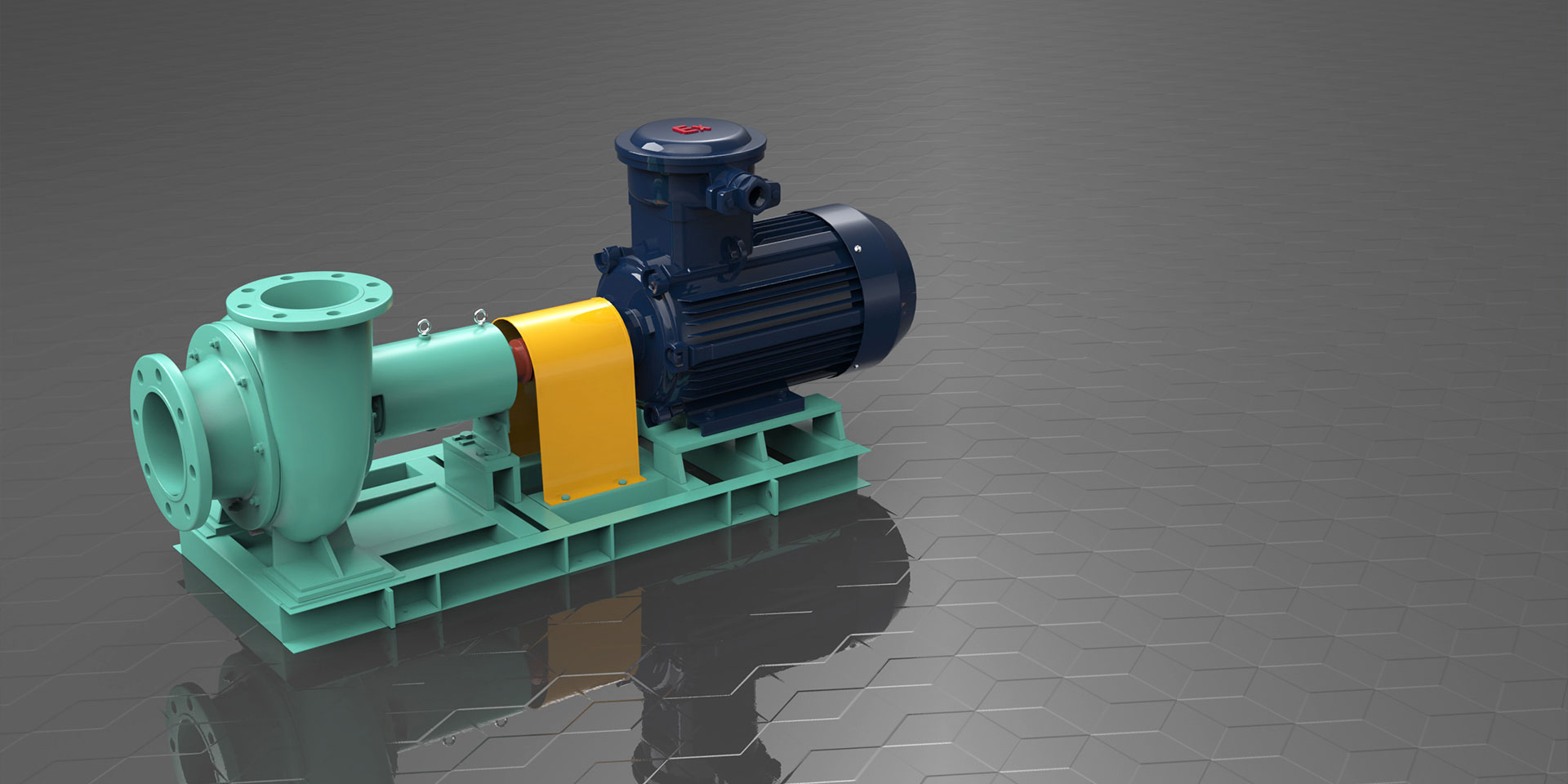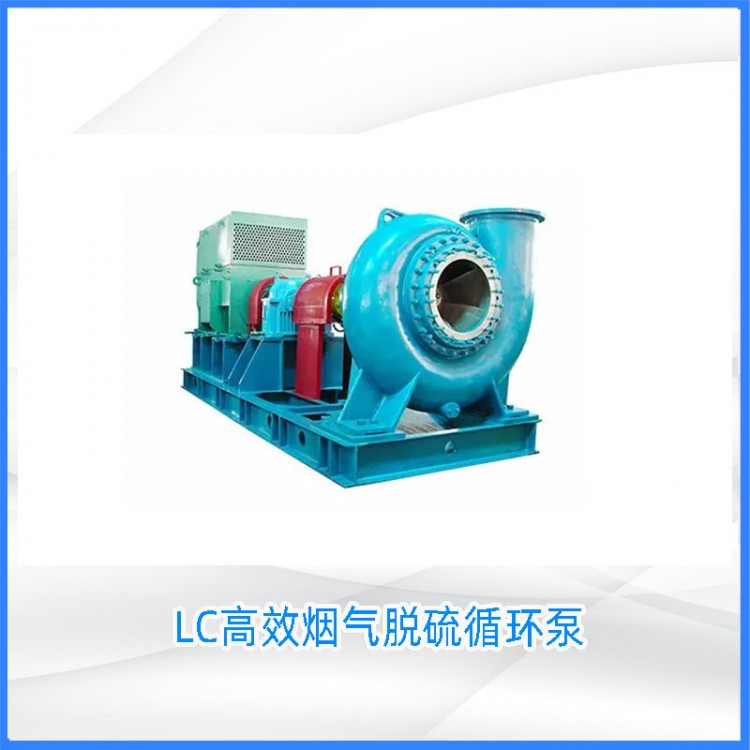

The company's leading products include 26 series and 460 ...

Slurry PumpThere are three main causes for the failure of mechanical seals:
(1) Sealing face opened
During the repair of mechanical seals,85% of seal failures are not caused by wear, but rather they leak before wear occurs.
Upon opening the sealing surface, solid particles in the medium are forced into the sealing surface under the action of liquid pressure. After the sealing surface is closed, these solid particles become embedded in the surface of the soft ring (usually the right ink ring), effectively turning intoThe abrasive wheel can damage the surface of the hard ring.
Due to the tension of the sliding ring or rubber ring on the shaft (shaft sleeve), when the shaft moves, the sliding ring fails to fit properly in time, causing the sealing surface to open. The subsequent delayed closure of the sealing surface allows solid particles to enter the sealing surface.
Solid particles also exist between the shaft (shaft sleeve) and sliding components, affecting the sliding of the rubber ring or sliding ring (relative to the dynamic sealing point, a common failure). Additionally, the medium will produce crystalline substances at the friction area between the rubber ring and the shaft (shaft sleeve), and solid matter will also accumulate at the spring, all of which will cause the sealing surface to open.

(Overheating
Due to heat generation on the sealing surface, the rubber O-rings should be used at temperatures below the specified design standard. The service temperature for fluoroelastomers and polysiloxane isAt 216°C, nitrile rubber can be used up to 162°C. Although both can withstand high temperatures, the rubber rings are at risk of continued vulcanization due to the higher heat generated at the sealing surface, which can lead to loss of elasticity and leakage. (Consider cold brittleness in the cold zone.)
Media between sealed surfaces can also crystallize due to heat, such as carbon precipitation, causing sliding components to stick and sealing surfaces to condense. Moreover, some polymers can carbonize due to overheating, while certain fluids may lose lubricity or even ignite due to excessive heat.
Overheating not only alters the medium's condition but also accelerates its corrosion rate. It can cause deformation of metal parts, cracking of alloy surfaces, and certain plated layer fissures. Design should opt for balanced-type mechanical seals to reduce pressure and prevent overheating.
(3) Overolerance
Accurate assembly tolerances are essential for installing mechanical seals. The shaft (shaft sleeve) must have the appropriate surface roughness and correct dimensions; however, manufacturers seldom provide tolerance data, which is crucial for the installation process.
The dimensions and geometric tolerances of mechanical seals must comply with the drawing specifications; any deviation may lead to premature seal failure.


www.114global.com © Zhongshang 114 Hebei Network Technology Co., Ltd.Address: Room 6009, Oriental New World Center, No.118 East Zhongshan Road, Qiaoxi District, Shijiazhuang City, Hebei ProvincePlatform Service Hotline: 4006299930