Chemical Equipment Maintenance, Chemical Equipment, Parts...



Product Recommendation
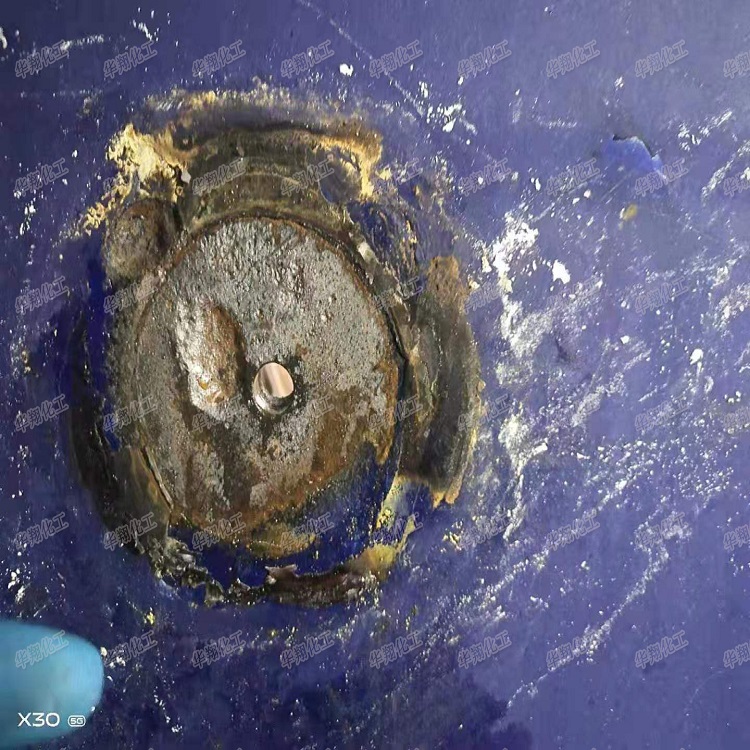
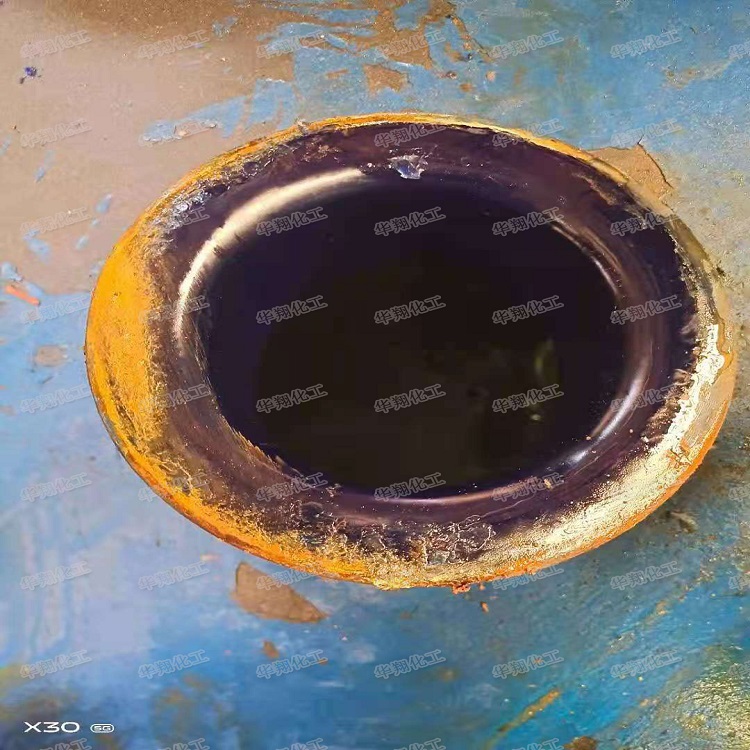
Enamel reactor enamel damage can be caused by various factors, generally including mechanical damage, impact from working temperatures, processing stress damage, and static puncture.
In cases of mechanical damage, porcelain has poor impact resistance, and any metal or hard object collision can lead to porcelain chipping. Therefore, it is crucial to avoid any metal or hard objects falling into the pot during use. Prevent blockages by using a plastic rod for clearing, and always cover the pot during maintenance checks.
In terms of working temperature impact, the enamel-lined reactor is fired at a high temperature of 900°C, and the porcelain enamel bonds with the steel plate upon cooling. Due to the differing linear expansion coefficients and elongation rates of the porcelain enamel and steel plate, cooling results in compressive stress in the porcelain enamel and tensile stress in the steel plate, which can lead to porcelain cracking during temperature changes. Therefore, when using the enamel-lined reactor, it is necessary to avoid rapid temperature changes, and the heating and cooling processes should be slow and uniform, with staged cooling.
Extrusion stress damage is caused by the large internal stresses generated during the rolling, stamping, and welding processes. These stresses should be completely eliminated before the enameling process, otherwise, it can lead to porcelain cracking. To prevent porcelain cracking, heat treatment or aging treatment can be applied to the blank.
Static puncture occurs when the vigorous friction between suspended particles and enameled surfaces generates a significant amount of static charge during the stirring of a suspension, leading to pitting of the enameled surface. Therefore, the stirring speed should not be too fast.
Hydrogen evolution corrosion occurs when the jacket of an enamel-lined kettle becomes scaled and rusty after use. When using acidic descaling agents or when the cooling fluid in the jacket is overly acidic, it can lead to hydrogen evolution corrosion in the metal. To prevent corrosion, a buffer should be added during cleaning to remove scale, and high-quality cleaning agents with low corrosion rates should be used.
Inadequate base materials can lead to reduced porcelain bonding strength and increased risk of porcelain cracking if high-carbon, high-sulfur steel is used for the blank. Therefore, selecting steel with low carbon and sulfur content for the blank can effectively prevent porcelain cracking.
Poor quality of enamel firing; if the rust removal and dust prevention during the enameling process do not meet standards, the bonding between the base glaze and the substrate is poor; or by reducing the number of firing cycles and increasing the thickness of each layer, excessive internal forces are created, affecting the lifespan of the enamel pot. Strict adherence to manufacturing procedures is essential to ensure the quality of the enamel pot.
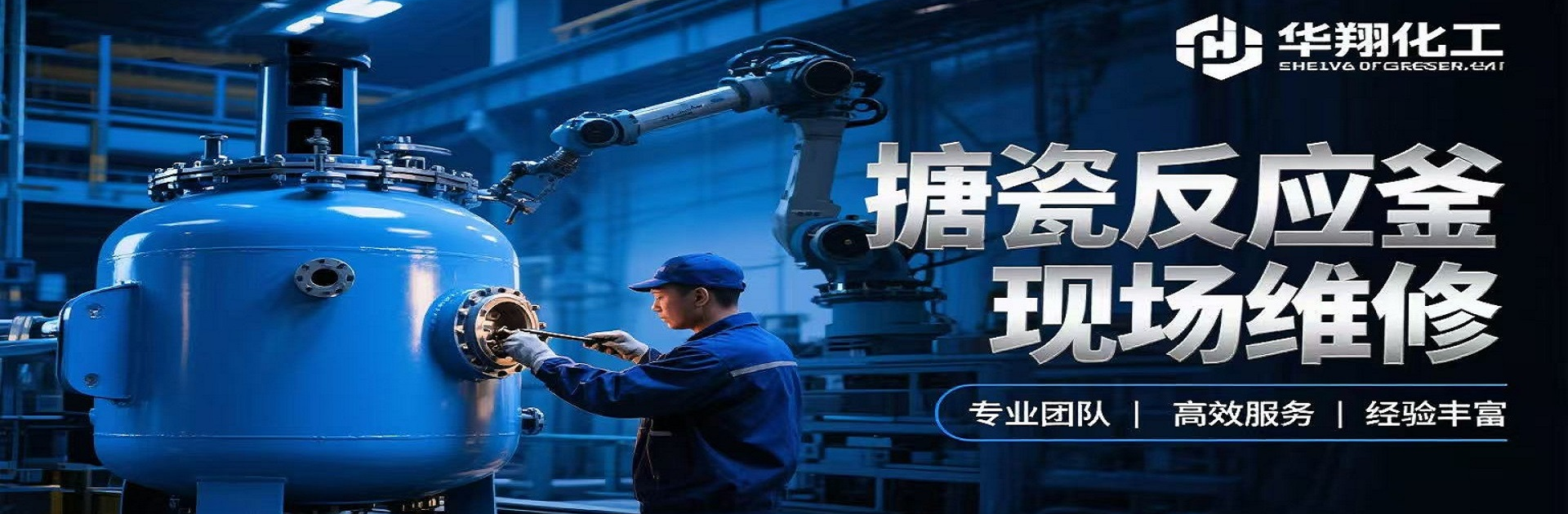
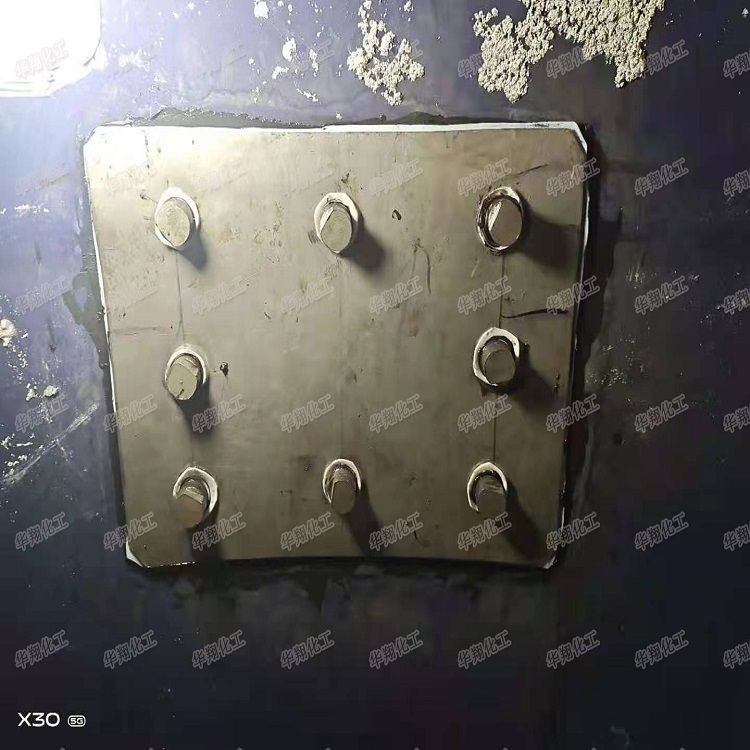
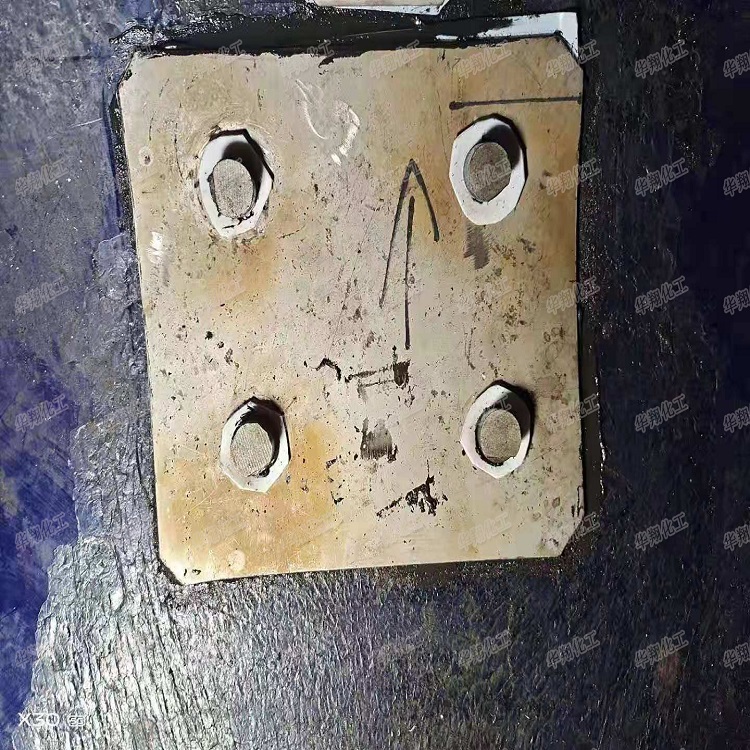
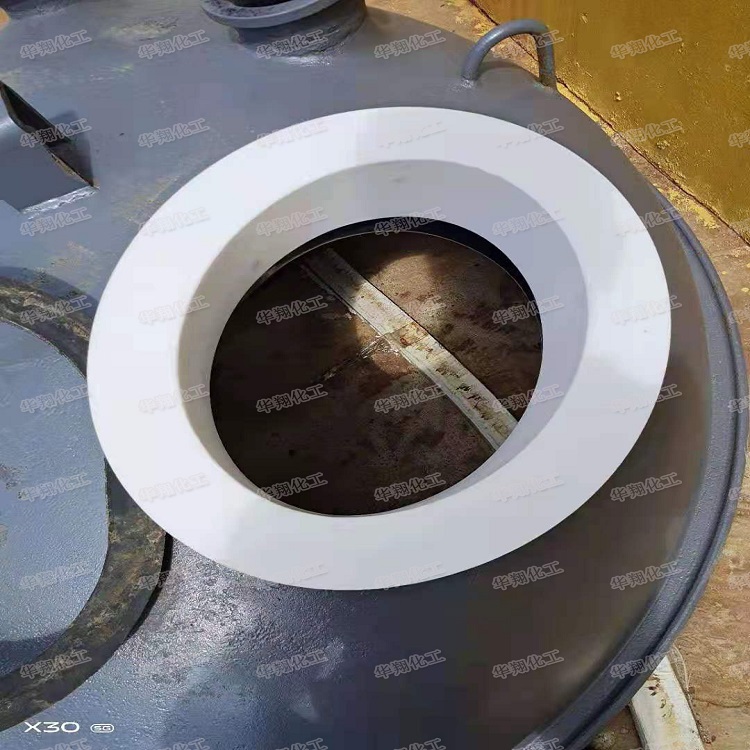
For the rapid on-site repair of enamel-lined reactor failures, high polymer composite materials can be utilized. This method is simple to operate, cost-effective, and reliable, requiring no equipment disassembly. The repaired unit can be put back into use within 24 hours, suitable for local damage repairs.
High-performance composite materials boast exceptional adhesive strength and excellent compressive resistance, allowing for non-disassembly and non-machining repairs with unlimited thickness. They can absorb equipment impacts and vibrations, preventing further wear. This repair method is gradually replacing traditional methods in the maintenance of enamelled reactors.
For the repair of local wall damage in enamelled reactors, a high molecular compound field repair agent can be used. This agent is based on high molecular polymer, alloy steel powder, or abrasion-resistant ceramic powder, supplemented with a hardener. Compared to common resin repair agents, high molecular compound materials offer greater bonding strength and corrosion resistance, and can penetrate into the metal to form a tight composite material protective layer. This repair agent boasts high chemical stability and excellent physical and mechanical properties, suitable for repairing chemical enamelled equipment. It saves non-ferrous metals, features simple maintenance processes, low costs, short repair times, and is resistant to corrosion and abrasion, making it a valuable option for discussion.
In daily maintenance, establish a robust system of periodic inspections and routine maintenance. Regularly check the enamelled reactor, paying attention to the examination of transmission parts, seals, and agitators. For debris on the enamelling layer, use tools with good flexibility for cleaning. Conduct a thorough check of the agitator, ensuring the tightness of screws and other connecting devices to prevent agitator malfunctions.


www.114global.com © Zhongshang 114 Hebei Network Technology Co., Ltd.Address: Room 6009, Oriental New World Center, No.118 East Zhongshan Road, Qiaoxi District, Shijiazhuang City, Hebei ProvincePlatform Service Hotline: 4006299930