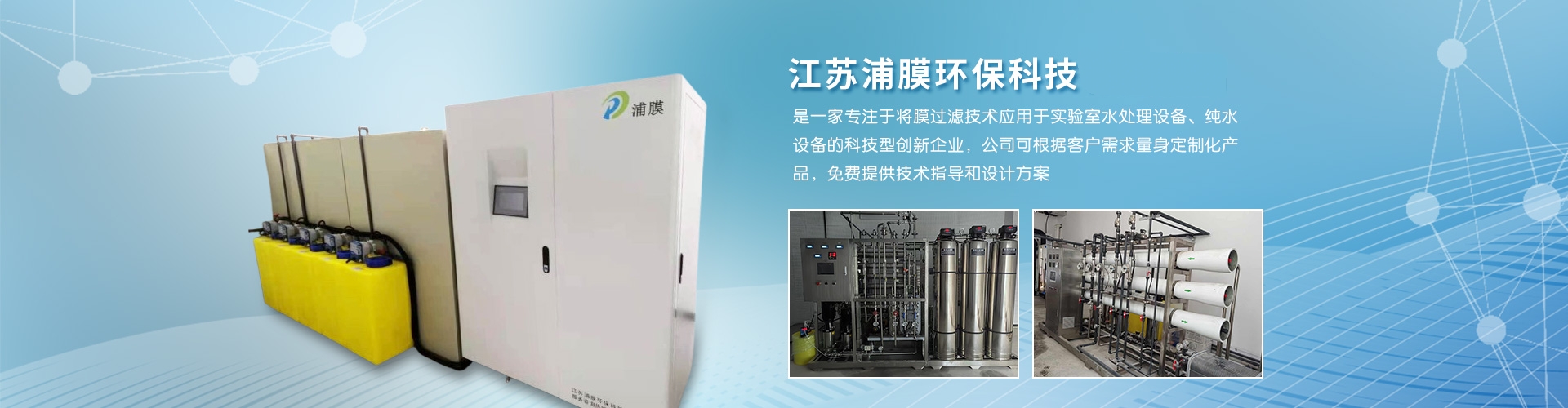
Main Business: Production and Sales of Laboratory Wastewater Treatment Equipment, Pure Water Equipment, and Ultra-Pure Water Machines
15895807977


Product Recommendation
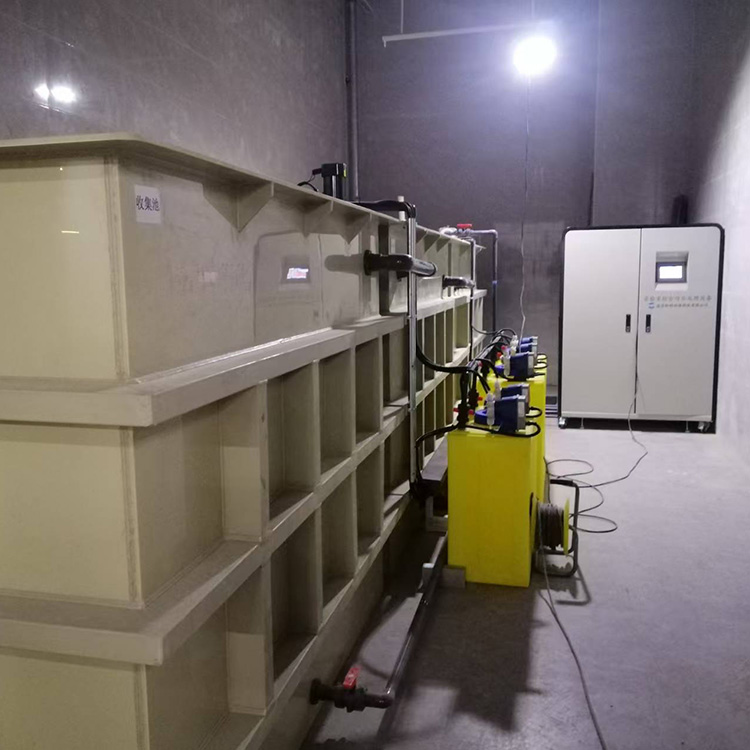
Integrated Membrane Bioreactor Comprehensive Wastewater Treatment Equipment, Laboratory Waste Liquid Treatment Unit
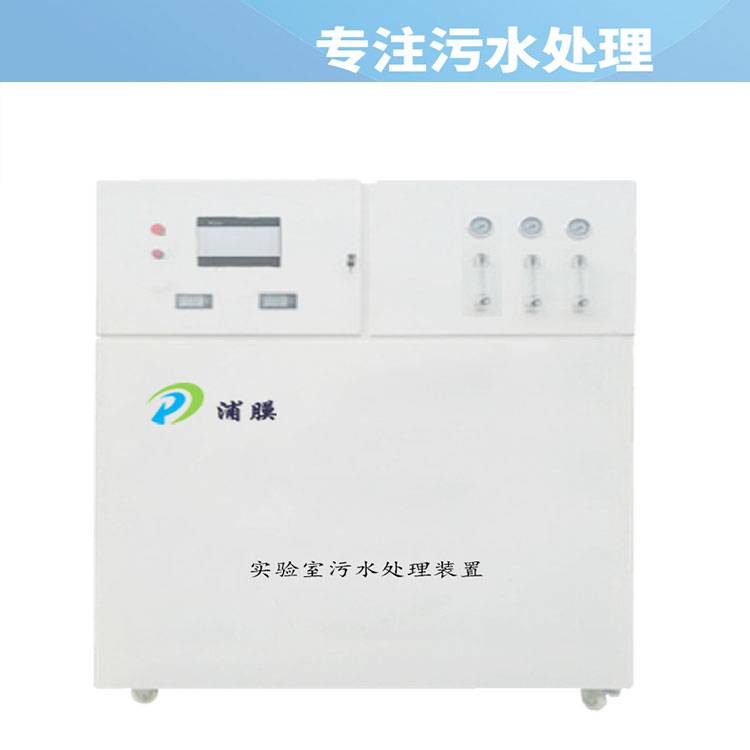
Pump Membrane, Chlorine Dioxide Generator, Small Sewage Disinfection and Filtration Unit
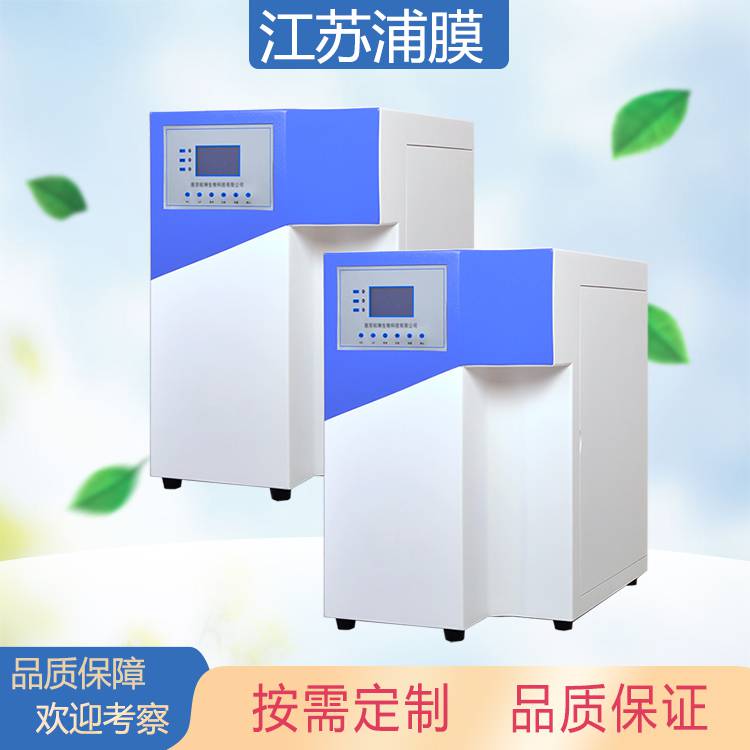
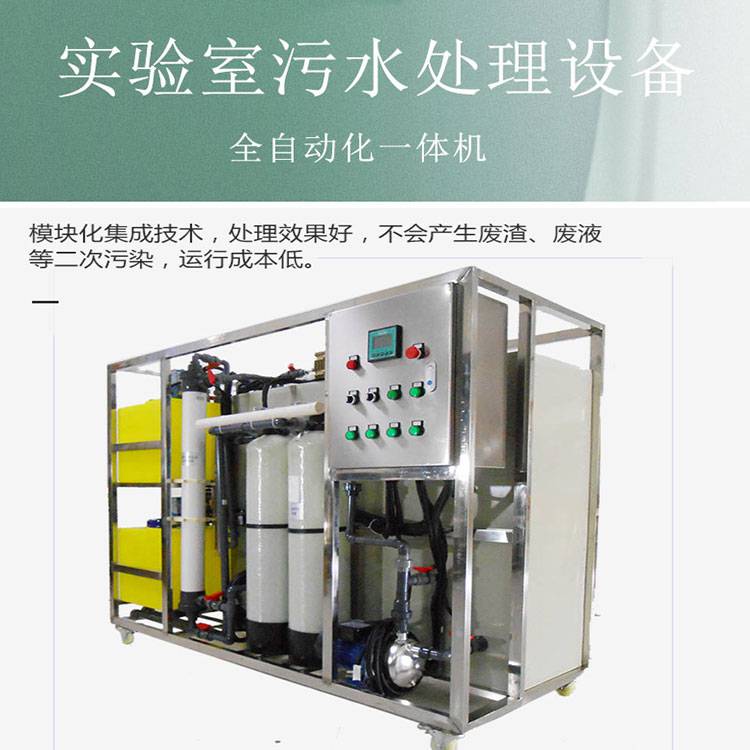
Pu膜Environmental Protection Lab Benchtop Ultra Pure Water System, Vertical Ultra Pure Water Equipment, Industrial Pure Water System
During normal operation of the pressure filter, operators are prohibited from inserting their feet, hands, or head between the filter plates or observing the belt conveyor or middle trough from the open plate gap. It is forbidden to place tools on the lifting hook架 or the handles of the filter plates. Do not press the switches when there are people on the frame, top of the machine, or the main beam. The hydraulic part of the pressure filter must be equipped with an electric contact pressure gauge. High heels and barefoot work are prohibited, and it is strictly forbidden to insert the head or hands into the filter plate gap during unloading. Operating buttons must not be handled with gloves, and unloading should only be done with wooden shovels (bamboo strips). Check if the operation buttons are smooth and reliable, and if the unloader is synchronized before starting work. Before starting, check for any debris in the filter plate gap and check for creases in the filter cloth; clean them up promptly if found.
During the pressure filtration process, monitor the filtrate flowing out. If damage is detected, note the serial number and promptly repair or replace the filter cloth. Pay attention to check for any deformation or cracking of the filter plates; replace them immediately upon discovery. When replacing filter plates, first remove the filtrate water spout. According to regulations, rinse the filter cloth to enhance its permeability, thereby improving pressure filtration efficiency. Before parking, stop feeding first and empty all materials inside the pressure filter before proceeding to stop. Absolutely do not park with materials. After releasing the plate frames, ensure that one plate's渣is removed completely before using a plastic spatula to clear any remaining waste. Then, proceed to clean the other plate. Absolutely refrain from leaving any residual waste.
After removing the dregs, ensure that the channels are clear during the cleaning of the plate frames and filter cloths; no residues should adhere to the sealing surfaces or feed channels. When installing the plates, the frames should move on the main beam without collision or striking, applying even force to prevent damaging the handles and the sealing surfaces. Replace any damaged filter cloths promptly; when installing, they must be flat and not folded to prevent damage or leakage when the frame is tightened. Store the disassembled frames flat to prevent bending or deformation. The sealing surfaces of the filter plates must be clean and free of creases; the plates should be aligned vertically and neatly on the main beam, with no one side forward or backward, otherwise, do not initiate the clamping action. It is strictly prohibited to stick one's head or limbs into the space between the filter plates during the dreg removal process. Replace and clean any turbid water and damaged filter cloths promptly, dry them, stack them neatly, and wait for unified disposal. Maintain the filter cloths without any folds or creases, keeping the surface of the filter plates smooth and flat. Handle the handles of the filter plates gently, ensuring that the plates are aligned and not deviating from the center line during clamping.

Cost Comparison with Other Filter Presses
Investment Cost:
For a wastewater treatment plant with a raw water requirement of 2,000 m3/day and a dry sludge production capacity of 8 to 10 t/d, the sludge-to-water concentrate at a solid content of approximately 3% (varies by industry and treatment process) would amount to around 300 m3/day of sludge water. A single LW355 centrifuge can meet the production needs, as it is designed for a processing capacity of 4 to 15 m3/h, with a factory price of about 100,000 USD per unit. A 1-meter belt filter press costs at least tens of thousands, with a processing capacity of around 4 to 12 m3/h. An automatic plate press with a surface area of 120 m2 is priced near 100,000 USD, with a processing capacity of approximately 3 to 10 m3/h.
2. Operating Costs:
Flocculant consumption volume
In the centrifuge, due to the strong centrifugal force field, even fine sludge can be separated from water, thus requiring less flocculant dosage. Typically, the dosage for sludge dewatering is around 1.2 kg/tds, with a sludge recovery rate exceeding 95%, and the moisture content of the dewatered sludge cake is between 65% to 80%. On the other hand, to increase processing capacity, the filter belt of the belt filter cannot be woven too densely. To prevent fine sludge from slipping through, a higher dosage of flocculant is needed to form larger sludge flocs. Generally, the dosage for sludge dewatering is greater than 3 kg/tds, with a sludge recovery rate of about 90%, and the moisture content of the dewatered sludge cake is around 80%.
The dosage of the centrifugal dewatering machine is significantly less than that of the belt filter press. Moreover, the卧螺离心脱水machine uses lower molecular weight chemicals at a lower cost, while the belt filter press uses chemicals with a higher molecular weight at a higher price. A one-meter belt filter press typically consumes between 4 to 5 kilograms of chemicals in an 8-hour workday; a 355 model卧螺离心脱水machine, on the other hand, uses between 2 to 3 kilograms of chemicals in the same period, depending on the sludge. Centrifugal machines can achieve good treatment effects without any chemicals for many materials; for instance: pulp, wool spinning, acetylene gas slag, human and animal excrement, and mining tailings, which are coarse particles prone to settling. No flocculants are needed, unlike the belt filter press; this greatly reduces the cost of chemical addition and treatment.
b. Electricity and water consumption
Centrifuges consume up to three to four kilowatts more electricity than belt machines during operation, amounting to an additional 30 yuan per day based on an 8-hour workday. Moreover, centrifuges do not require water rinsing throughout the entire dewatering process; only a small amount of water is needed to rinse the interior during shutdown. In contrast, a 1-meter belt filter press requires 60 to 70 cubic meters of water daily for belt backwashing. This backwashing water is then recycled to the sedimentation pond for reprocessing, adding at least 150 yuan to the daily cost at a treatment cost of 2.5 yuan per cubic meter. Using tap water for backwashing would increase costs further. Compared to this, the savings would be 120 yuan per day, totaling at least 40,000 yuan annually. Plate and frame filter presses need to clean the filter cloth after treating sludge, as not doing so can affect processing efficiency, increase processing time, and waste time and effort.
c. Labor consumption
Screw centrifuges feature low labor intensity, high automation, and simple operation, allowing one person to manage 2 to 3 units simultaneously. Belt filter presses are complex to operate, requiring skilled operators, with typically 1 to 2 workers managing 1 to 2 units. Plate and frame filter presses are easy to operate but have high labor intensity and poor working conditions, usually requiring 2 workers to manage 1 to 2 units, with higher demands for operator benefits. At a rate of 80 RMB per person per day, the screw centrifuge costs 80 RMB per unit per day, the belt filter press 160 RMB per unit per day, and the plate and frame filter press 100 to 160 RMB per unit per day.
3. Maintenance Costs:
The worm screw centrifuge has few wear parts, only the V-belt and bearings might need replacement, and such replacements cost just a few hundred yuan. The belt filter press, however, has numerous wear parts. Due to its open operation, the shaft, gears, bearings, and filter belts are severely corroded and worn by the waste water, leading to frequent damage. Repairs and replacements can cost several thousand, even tens of thousands of yuan. The plate and frame filter press' filter cloth may also tear, and a replacement will cost several thousand yuan as well.
Contact us

Service Hotline
15895807977
Company Telephone
15895807977

Address
609 Xiaoshan Road
www.114global.com © Zhongshang 114 Hebei Network Technology Co., Ltd.Address: Room 6009, Oriental New World Center, No.118 East Zhongshan Road, Qiaoxi District, Shijiazhuang City, Hebei ProvincePlatform Service Hotline: 4006299930