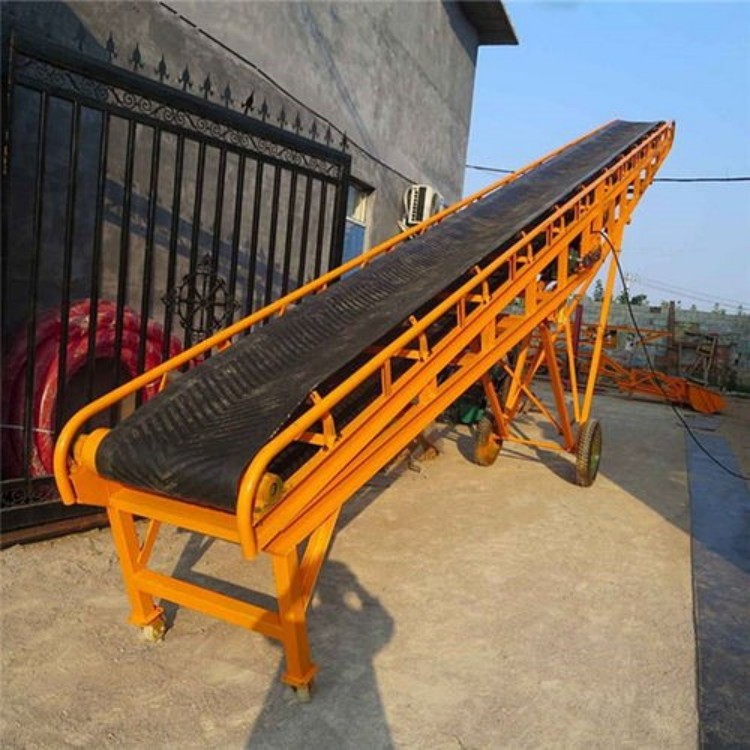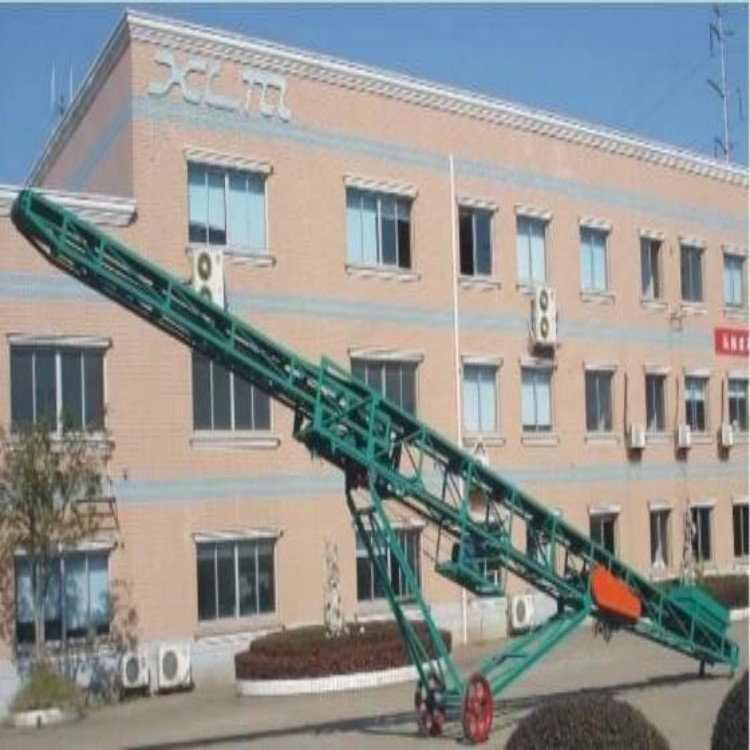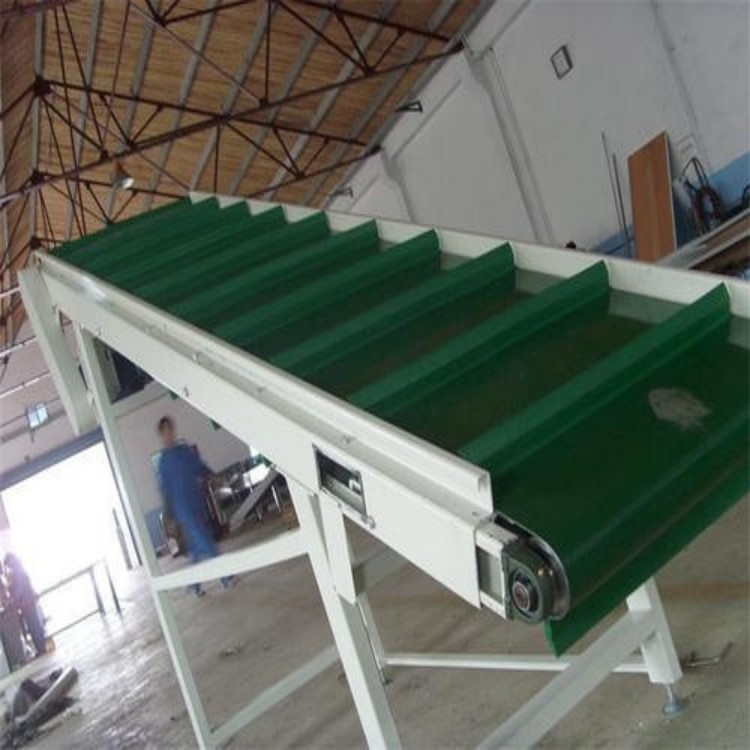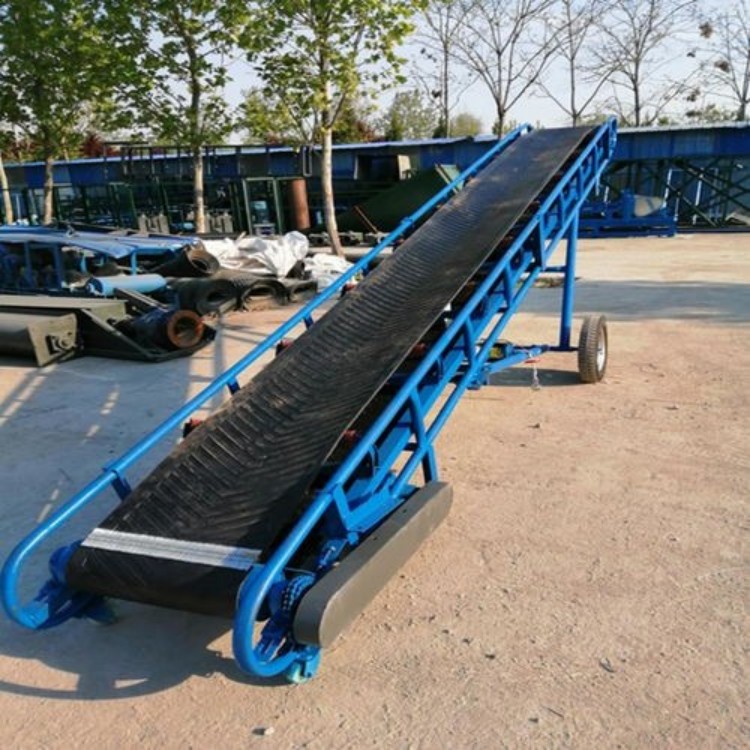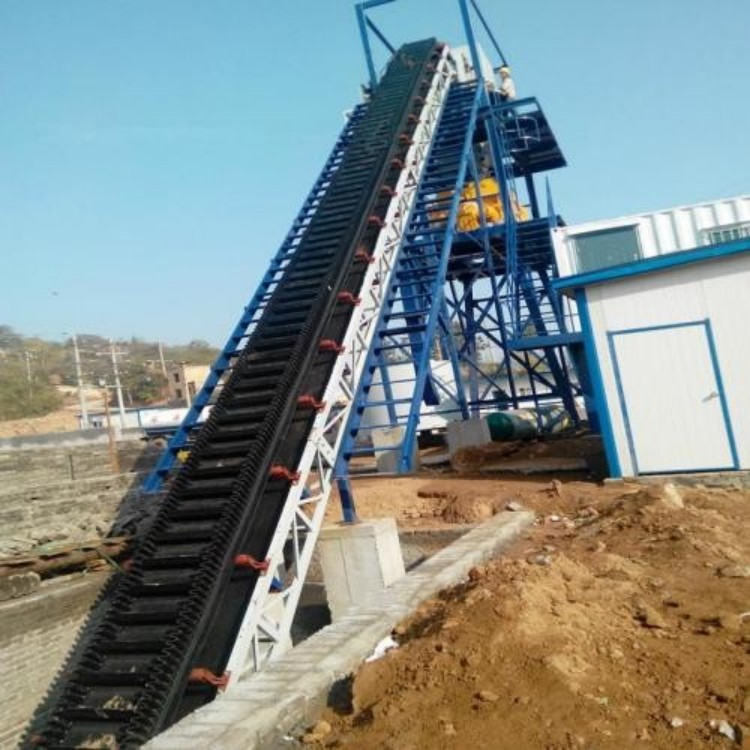
Conveyor belts, belt conveyors, screw conveyors, conveyor...

It's widely known that the tensioning device of a belt conveyor is quite important. Today's article will discuss its tensioning device, and since different tensioning devices have varying structures, they can be selected based on different working environments.
1. Spiral tensioning device
The structure is simple, but the tensioning stroke is too short, suitable only for short-distance conveyors. Generally, it is chosen when the conveyor length is less than 80 meters. The drawback is that it cannot automatically tension when the belt elongates on its own.
2. Gravity Tensioning Device
It is a simple and versatile tensioning device. It utilizes a weight hammer for automatic tensioning, ensuring a constant and unchanging tension under various operating conditions due to the hammer's self-weight. It can automatically compensate for the elongation of the belt. Its features include a consistent tension force and variable tension displacement, making it suitable for fixed long-distance conveyors, with the advantage of high safety and reliability.
3. Fixed Winch Tensioning Device
The tensioning device utilizes a small winch, which is typically powered by a worm gear reducer to drive the drum, thereby winding and twisting the steel rope to tighten the belt. The advantage of this tensioning device is its compact size and high tension force, making it widely used in underground belt conveyors.
4. Automatic Tensioning Device
The automatic tensioning device not only adjusts the tension automatically based on the traction force of the active drum but also compensates for the elongation of the belt. Composed of a motor, brake, reducer, and wire rope drum, the device utilizes a high-tension tensioning mechanism to tighten the conveyor belt. It is also equipped with a tension sensor to measure the belt tension. When the belt tension varies and exceeds the normal operating range of the conveyor, the automatic tensioning device acts swiftly to adjust the belt tension, ensuring the smooth operation of the conveyor. When used in conjunction with a self-moving tail, the automatic tensioning device allows for the movement of the tail and the expansion/contraction of the conveyor belt without shutting down the conveyor, significantly enhancing the efficiency of the conveying process.
The tensioning devices for belt conveyors typically include the following four types, but each has different applicable ranges. Therefore, users should choose according to their own conditions to enhance efficiency.


www.114global.com © Zhongshang 114 Hebei Network Technology Co., Ltd.Address: Room 6009, Oriental New World Center, No.118 East Zhongshan Road, Qiaoxi District, Shijiazhuang City, Hebei ProvincePlatform Service Hotline: 4006299930