Manufacturing Process and Applications of Dust Filter Cartridges_News Center Co., Ltd._Langfang Kanghua Filtration Technology Co., Ltd._Zhongshang 114 Industry Resources Network 
在线客服 在线客服邀请中...
关闭

您好,现在客服正邀请与您通话,请留下您的联系方式,客服将尽快与您取得联系。

 点击提交代表您同意《服务条款》《隐私政策》
Langfang Kanghua Filtration Technology Co., Ltd.

Hydraulic Filter Cartridges, Oil Filter Cartridges, Stain...

24-hour Service Hotline
13831636063
Current Location:Home>News Center Co., Ltd.>Manufacturing Process and Applications of Dust Filter Cartridges

    Manufacturing Process and Applications of Dust Filter Cartridges

    2025-08-21

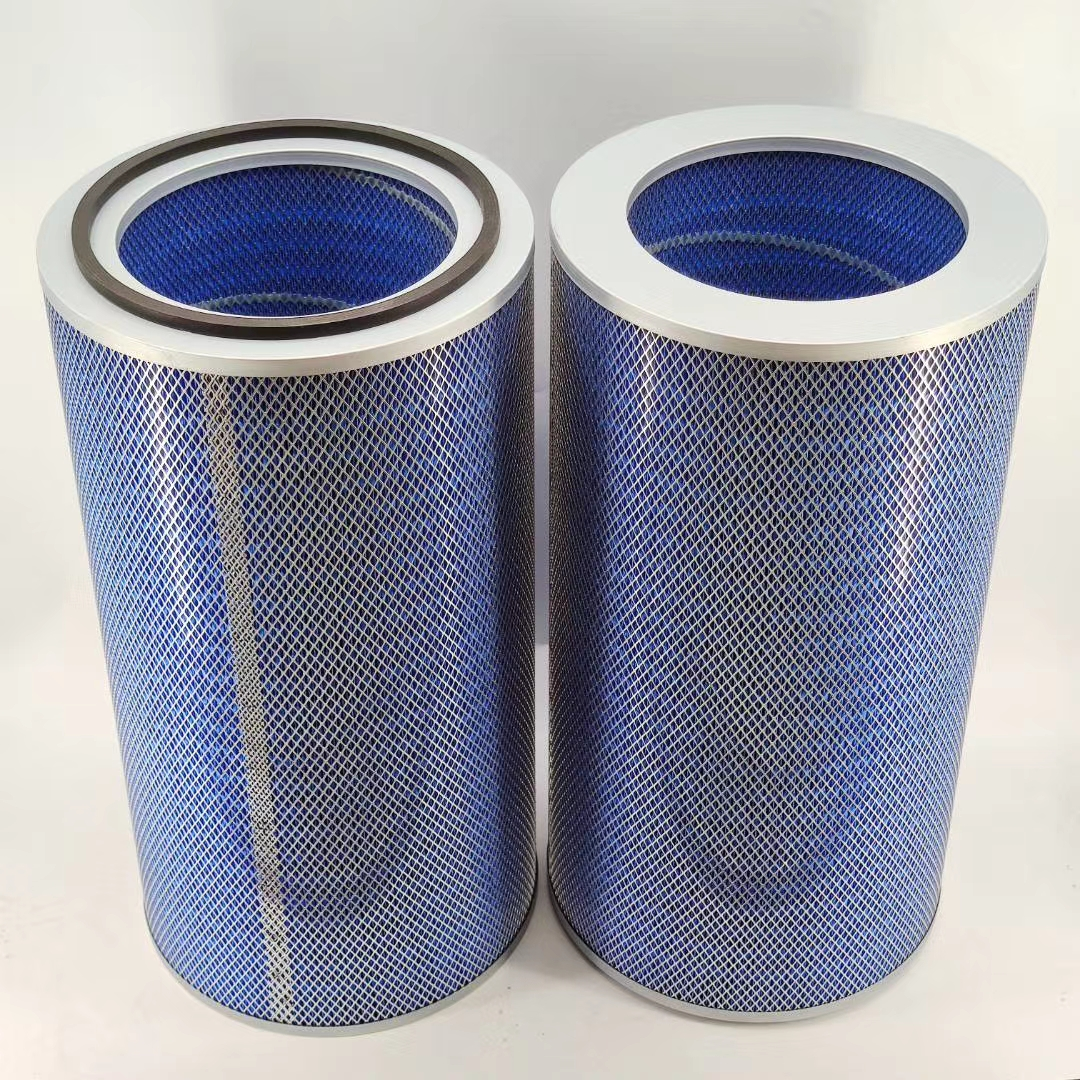
    Dust removal filters are a core component in industrial dust removal systems, with their manufacturing process and material selection directly determining filtration efficiency, lifespan, and application scenarios. This article will briefly introduce their manufacturing process and extensive applications.

    One, Manufacturing Process

    The manufacturing process of dust filter cores varies, primarily based on the required tolerance environment (such as high temperature, corrosion) and filtration accuracy.

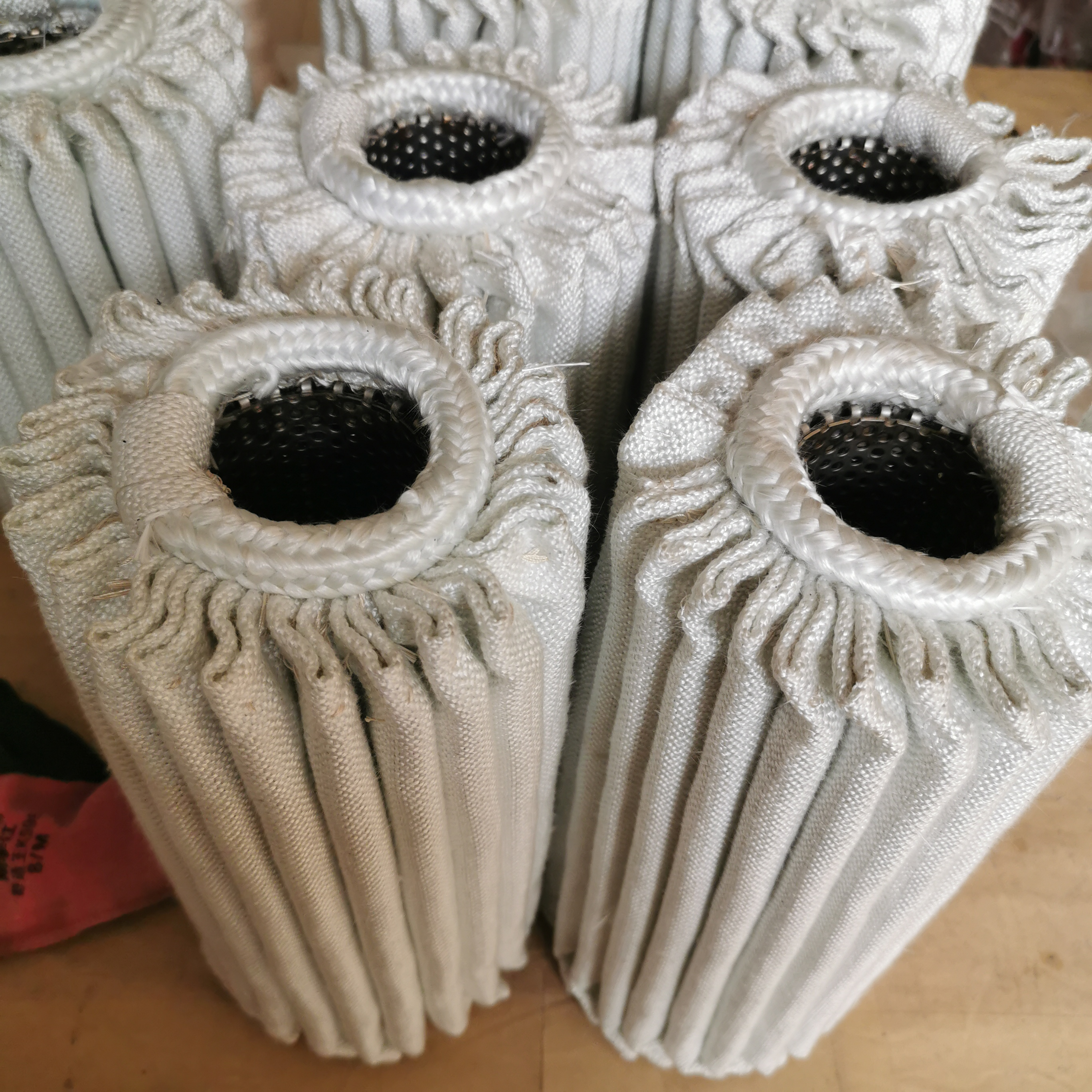
    1. Material Selection and Processing: The base materials for filter cores are diverse, including polyester fibers, polytetrafluoroethylene (PTFE), glass fibers, metal fibers (such as aluminum alloy), or ceramic materials, etc. These materials require pretreatment, such as PTFE fibers needing to undergo drawing, degassing, twisting, and expansion to enhance their stability; when preparing high-temperature ceramic filter cores, the raw materials (such as alumina, quartz powder) need to be mixed and processed.
    2. Forming and Sintering:
    • Non-metallic Materials: Such as ceramic filter cores, often using hot pressing molding.1Or isostatic pressing3Technology-wise, for the preparation of gradient-pored ceramic filter elements, the inner and outer layer powders are sequentially molded and subjected to isostatic pressing under varying pressures to produce green bodies with a double-layer structure. After drying, the green bodies are then sintered at high temperatures (e.g., 1150-1250°C) to solidify and achieve the required strength.
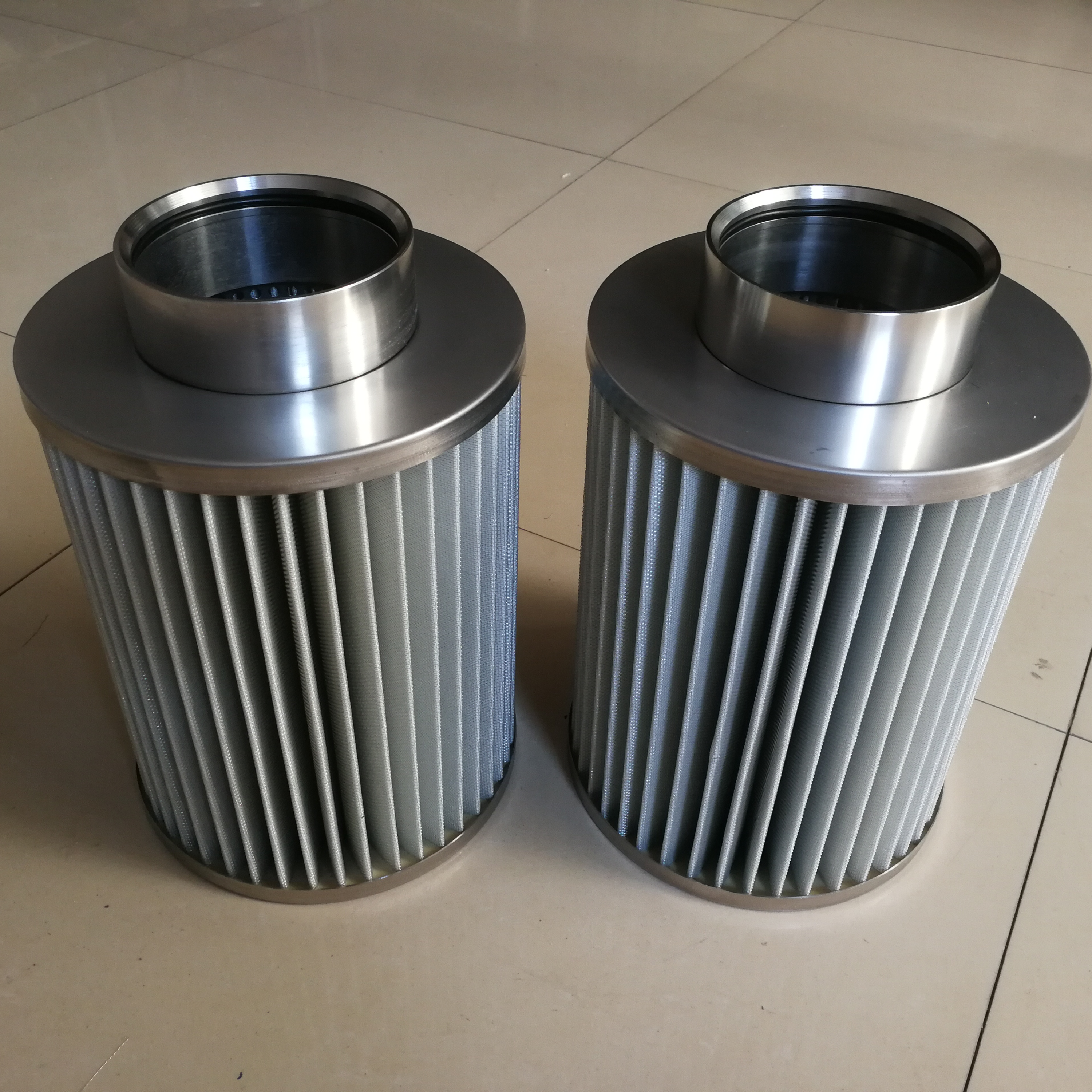
    • Metal Materials: Copper powder sintered filter cores, where spherical bronze-tin alloy powder is filled into a mold and then sintered directly in a high-temperature furnace under a reducing atmosphere. After demolding upon cooling, the finished product is obtained.5
    1. Special Treatment and Post-Processing: To enhance performance, subsequent processing is often carried out. For example, PTFE filter media is subjected to heat setting, heat pressing, and deep impregnation treatments to improve its antioxidant, oil and water-resistant, wear-resistant, and smooth surface properties.9During the preparation of ceramic filter cores, pore-forming agents are added or special processes (such as starch-loaded yttria) are employed.1Regulate porosity and thermal expansion coefficients. Creasing processes may be applied as needed (such as star-shaped creases to increase filter area), as well as stitching (such as triple-seam stitching for dust bags).9Or install metal supports.

    Part Two: Main Applications

    The dust filter core, with its high-efficiency filtration capabilities, is widely used in various fields that require air purification and dust treatment.

    1. Industrial Dust Removal: This is the core application field of dust removal filter cores. Used in dust removal systems of factories such as cement, steel, power, casting, and chemical industries, they filter out dust and smoke produced during the production process, protect equipment from wear and blockage, extend the service life of the equipment, and ensure the health of workers. For instance, they are particularly important in stages such as carbon black production, sandblasting, metal polishing, and welding fume collection.
    2. Air Purification: Our central air conditioning (HVAC) systems, air purifiers, for commercial buildings, factory workshops, and homes effectively remove allergens like pollen, mold spores, and fine particles from the air, enhancing indoor air quality.
    3. Specific Processes and Recycling: In industries with high air cleanliness requirements such as coating painting, food and pharmaceuticals, powder recycling (e.g., pigments, plastic powders), and grain processing, dust filter cores ensure product quality and clean production environments, as well as the recovery of useful materials.
    4. High-Temperature and Corrosive Environments: PTFE filter media, ceramic filter cores, and metal filter cores (such as aluminum alloyed iron) are commonly used in harsh flue gas filtration conditions, such as waste incineration, coal-fired boilers, and chemical waste gas treatment, due to their high-temperature and corrosion-resistant properties.

    Conclusion

    The manufacturing of dust filter cores is a process that merges material science with precision engineering, designed to meet the demands for efficient and stable filtration in various environments. Its wide applications not only protect production equipment and enhance product quality but also play a crucial role in improving work environments and safeguarding atmospheric environments. It is an indispensable component in many industrial production and purification facilities.


Contact us

Langfang Kanghua Filtration Technology Co., Ltd.
Service Hotline 13831636063
Company Phone
Company Address No Chinese content provided.

Message Consultation

 Click OK to indicate that you agree to《Service terms》《Privacy policy》

www.114global.com © Zhongshang 114 Hebei Network Technology Co., Ltd.Address: Room 6009, Oriental New World Center, No.118 East Zhongshan Road, Qiaoxi District, Shijiazhuang City, Hebei ProvincePlatform Service Hotline: 4006299930

 Click OK to indicate that you agree to《Service terms》《Privacy policy》