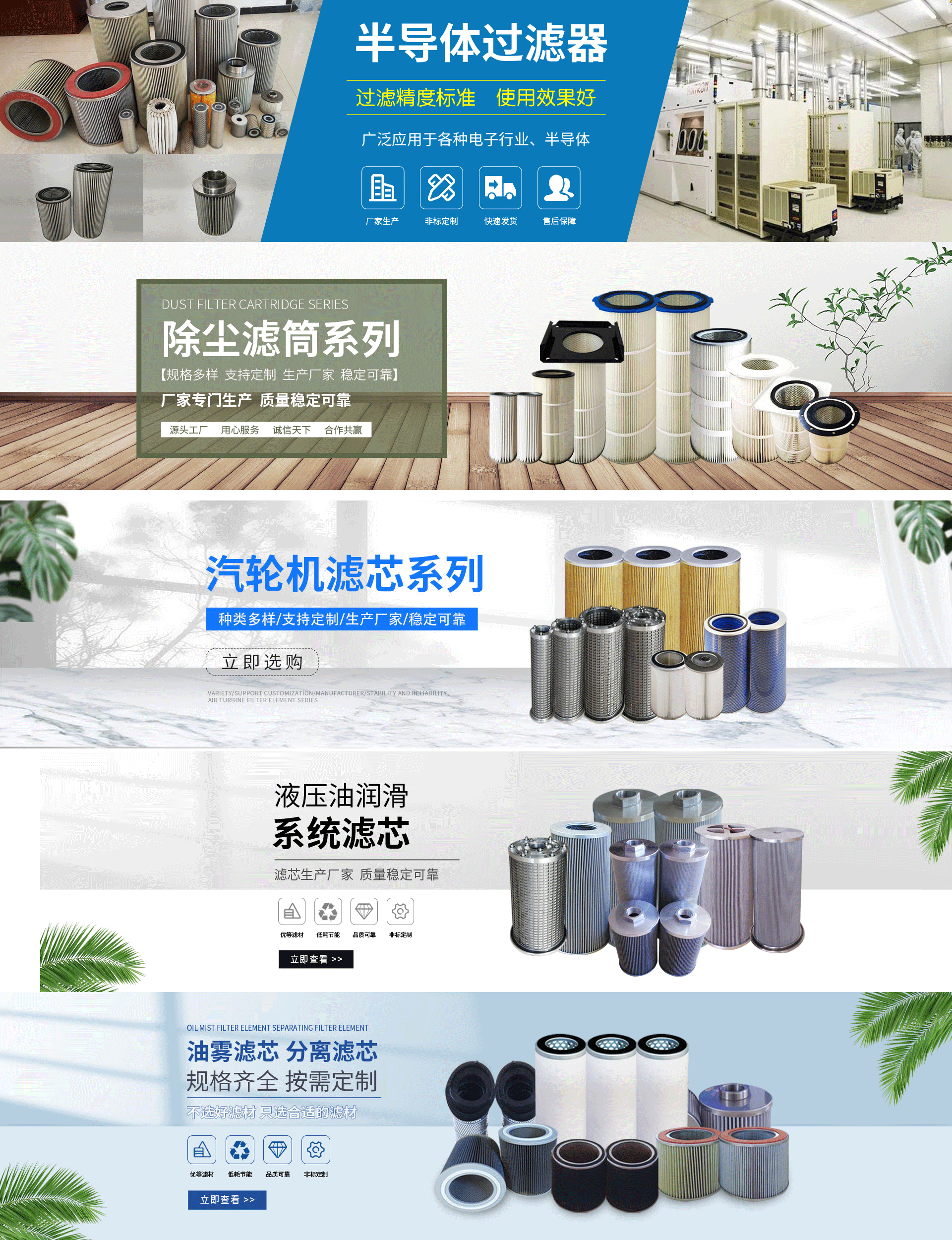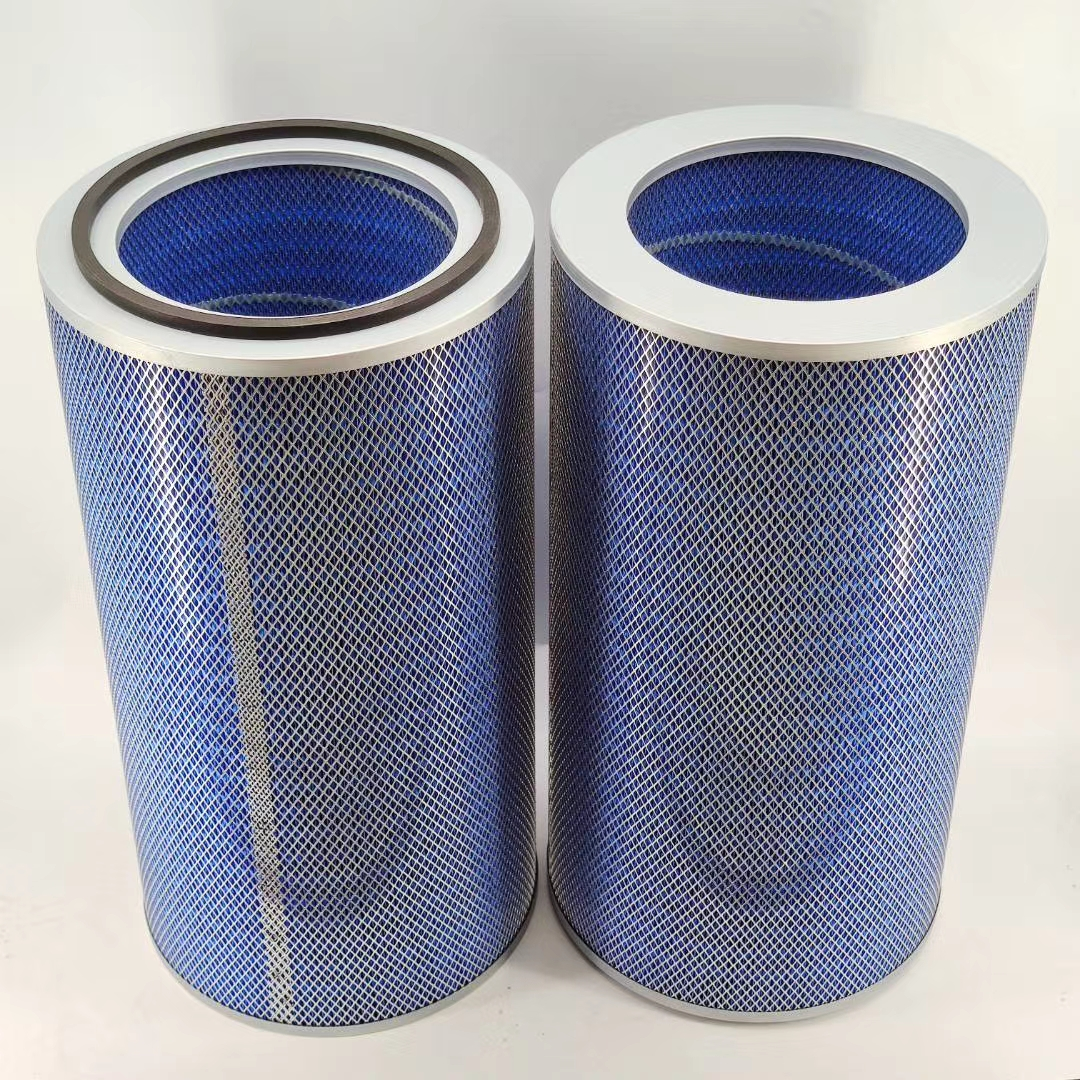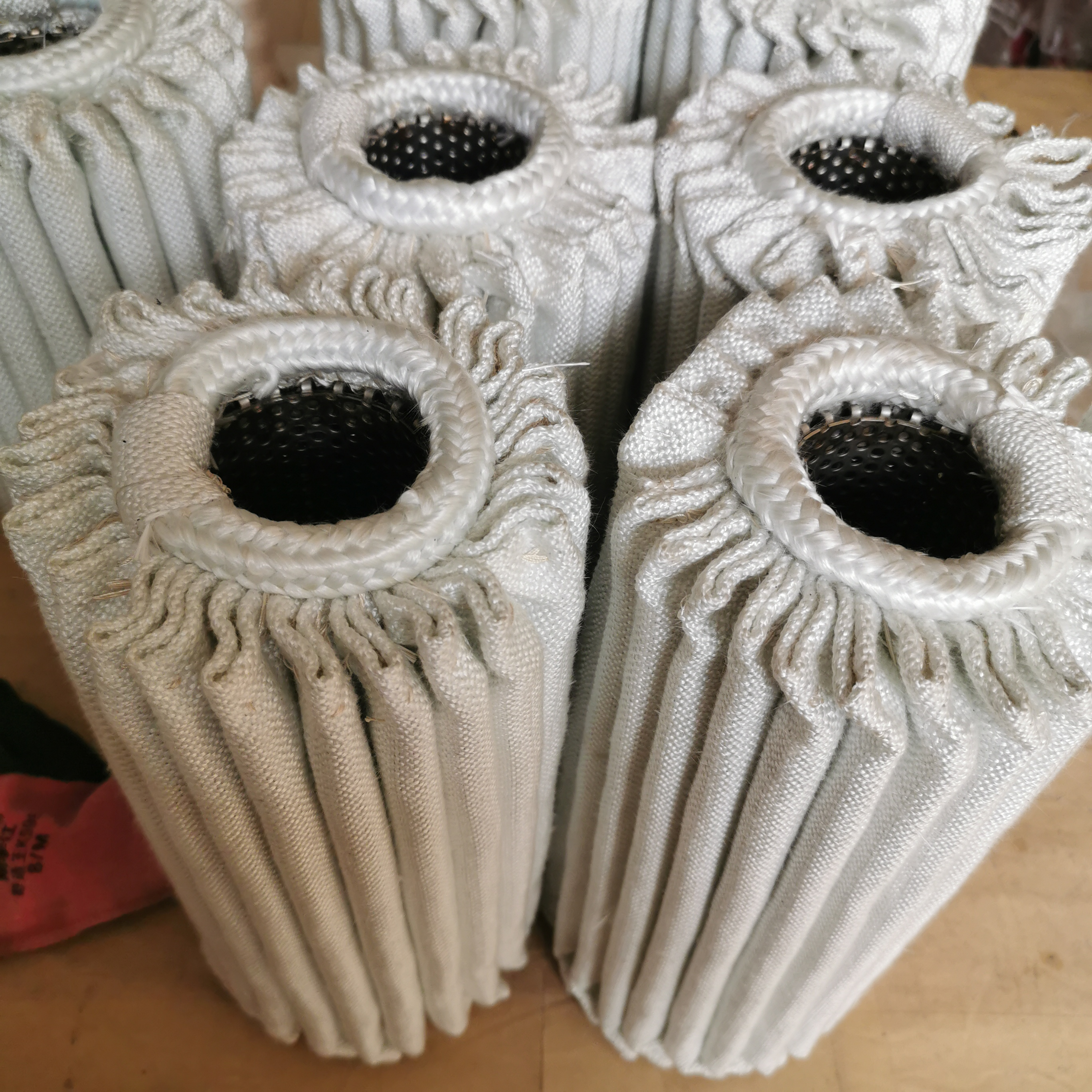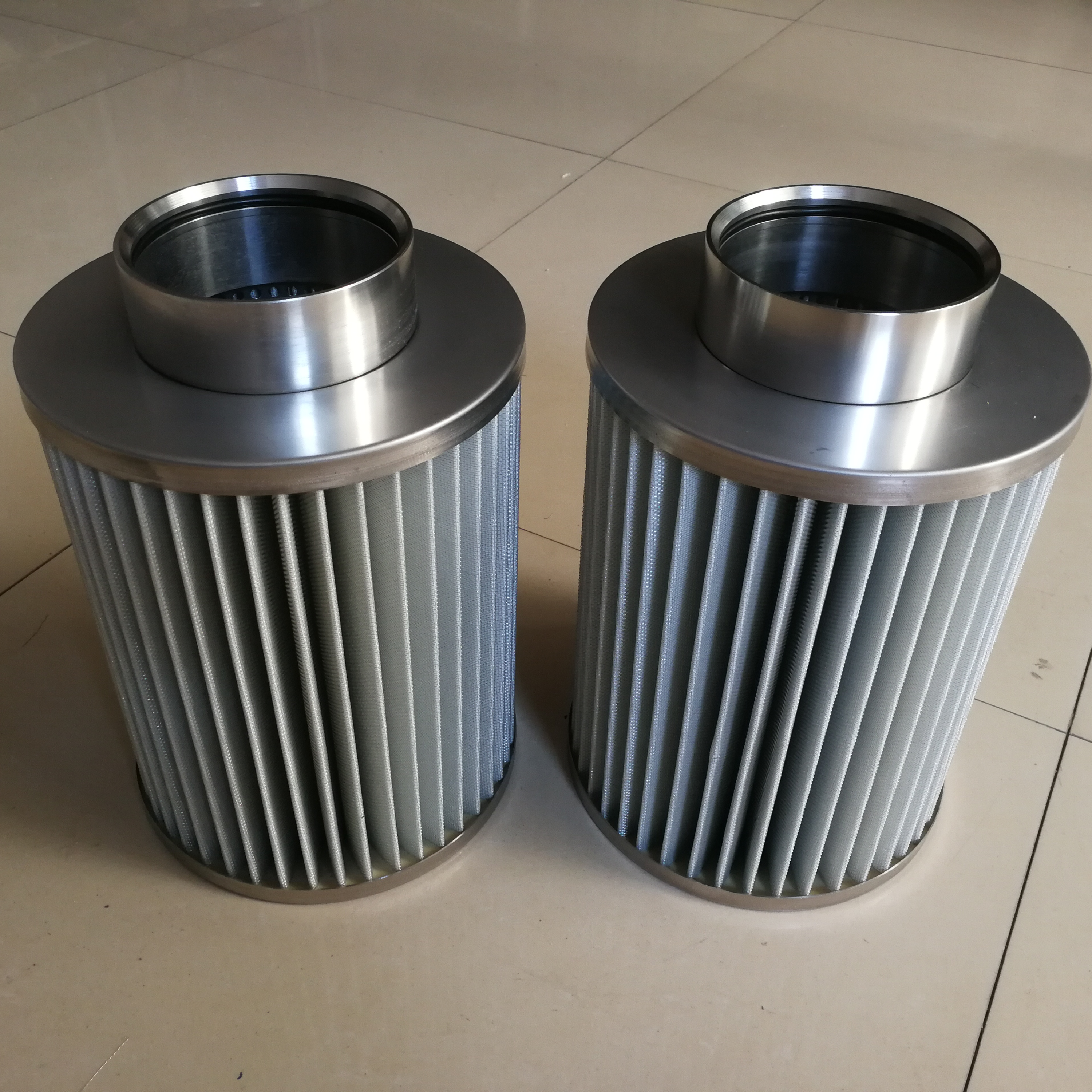
Hydraulic Filter Cartridges, Oil Filter Cartridges, Stain...

The wafer manufacturing process is advancing towards 3nm and beyond, raising the requirements for filter cores from "micron-level" to "nanometer-level." The curtain has just been lifted on this precision purification revolution.
Semiconductor filter cores, as indispensable "purification guardians" in the chip manufacturing process, directly impact the yield of wafers. As semiconductor technology approaches the physical limits, filter core technology is undergoing a profound transformation.
The future development will focus on enhanced filtration accuracy, intelligent functionality, and the reshaping of the global supply chain.
After semiconductor manufacturing enters the 3nm node, particles ≥0.1μm in process gases can lead to a surge of over 30% in wafer defect rates.2。
This places nearly stringent requirements on the filter core precision. The company has launched a 2nm HAPES filter core.61.5nm Gas Filter5Filters for lithography down to sub-1nm (angstrom) scale10。
These filter cores utilize a gradient pore size design.2Our new nanocomposite materials effectively intercept almost all impurity particles, safeguarding the manufacturing of advanced process chips.
The future semiconductor filter cores are no longer just simple passive filtering components. Smart filtering units with built-in sensors and edge computing modules are becoming increasingly prevalent, offering real-time differential pressure monitoring, life prediction, and automatic switching functions.
Internet of Things technology has made "Smart Filtration Systems" possible, enabling core life prediction and remote maintenance, helping customers reduce equipment downtime by up to 60%.
This predictive maintenance not only prevents unexpected downtime but also optimizes replacement cycles through data, thereby reducing overall operational costs.
Innovation in filter core materials is the foundation for performance enhancement. Nanofiber membranes, graphene composite filter materials.1And new materials such as metal sintering materials are being widely applied.
For instance, the nanometer-scale metal sintered filter with a gradient aperture design achieves ultra-high precision retention rates through its unique structure (e.g., 5μm outer layer → 1μm transition layer → 0.05μm functional layer).
These materials not only enhance filtration precision and efficiency but also bolster the chemical resistance and durability of the filter cores, enabling them to withstand high pressure and sudden pressure fluctuations.
Amidst increasingly stringent global environmental regulations and the "dual carbon" goals, the green, low-carbon nature of semiconductor filter cores, as well as their resource recycling, have become significant trends.
Manufacturers are placing greater emphasis on the environmental impact of products throughout their entire lifecycle, including reducing energy consumption and pollutant emissions during production.
The company has also achieved a remarkable 90%+ wastewater reuse rate through innovative technologies such as the silicon-containing wastewater resource recovery system, significantly reducing the costs and environmental impact of wastewater treatment for wafer fabs.
Geopolitical factors are accelerating the localization of the semiconductor filter core supply chain. The high-end filter market has long been dominated by companies like U.S.-based Pall and Japan's Entegris.
Chinese manufacturers like Hengge Technology, Kebeit, Feichao, and others are breaking through technologically through independent innovation, gradually breaking the foreign monopoly, reducing product prices by 40%, and significantly shortening delivery cycles.
"The 'In Region, for Region' strategy has become a shared choice for global giants and local enterprises alike, aiming to better serve local markets and ensure supply chain security.
As semiconductor technology advances to 3nm, 2nm, and even more advanced nodes, the evolution of filter cores will not cease. Nanometer filtration, intelligent sensing, material science breakthroughs, and green manufacturing will become mainstream.
The competition in filter core technology is not just a race in precision, but also a comprehensive contest of reliability, intelligence, and sustainability. Companies that can integrate material innovation, intelligent technology, and provide stable and reliable products will dominate the market competition in the future.
The rise of domestic supply chains will make the global semiconductor industry ecosystem more diverse and resilient.


www.114global.com © Zhongshang 114 Hebei Network Technology Co., Ltd.Address: Room 6009, Oriental New World Center, No.118 East Zhongshan Road, Qiaoxi District, Shijiazhuang City, Hebei ProvincePlatform Service Hotline: 4006299930