










详情描述
Before using the ductwork production line, carefully read the user manual and other relevant materials to operate the ductwork production line correctly, and pay attention to the following points:
1. Machine tool operators and maintenance personnel are individuals who possess the relevant machine tool knowledge or have undergone technical training, and operate the machine tools in accordance with the operation procedures and regulations.
2. Unauthorized personnel must not open the electrical cabinet door. Ensure the main power switch of the machine tool is turned off before opening the door. Only maintenance personnel are permitted to open the cabinet door for electrical inspections.
3. Besides certain user-modifiable parameters for customer use, other system parameters, spindle parameters, servo parameters, etc., cannot be altered by users without authorization. Otherwise, it may cause injuries to the operator, equipment, workpieces, and personal safety.
4. After modifying parameters, conduct an empty run on the machine tool without loading raw materials by means of machine locking and single-program segment operation to ensure normal operation before using raw materials for production.
5. The PLC program for the machine tool is designed specifically to meet the machine's requirements and does not require any modifications. Incorrect modifications may cause damage to the machine tool and even harm the operator.
6. Prolonged continuous operation of the machine may affect the lifespan of the electrical system and certain mechanical components, thereby impacting the accuracy of the machine tool. It is recommended that the continuous working time not exceed 8 hours.
7. All connectors and joints on the duct production line are not to be handled with live power, as doing so could result in severe consequences.

事项 to note when using the ductwork production line:
1. Prior to construction, all types of pipelines should be drawn on a single plan view and marked with different colored pens. At each intersection, check for any discrepancies in elevation, identify and resolve them promptly.
2. To reduce investment, save space, and lower the ceiling height, some pipes that do not require a gradient can be laid through beams, such as water supply pipes and fire sprinkler main pipes.
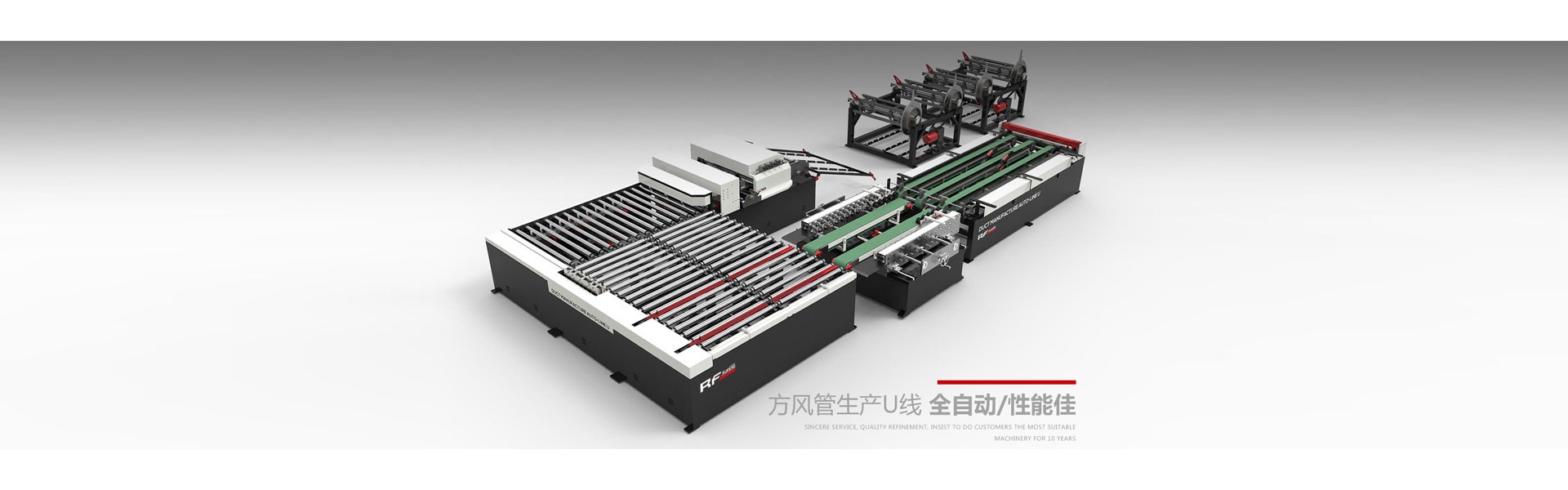
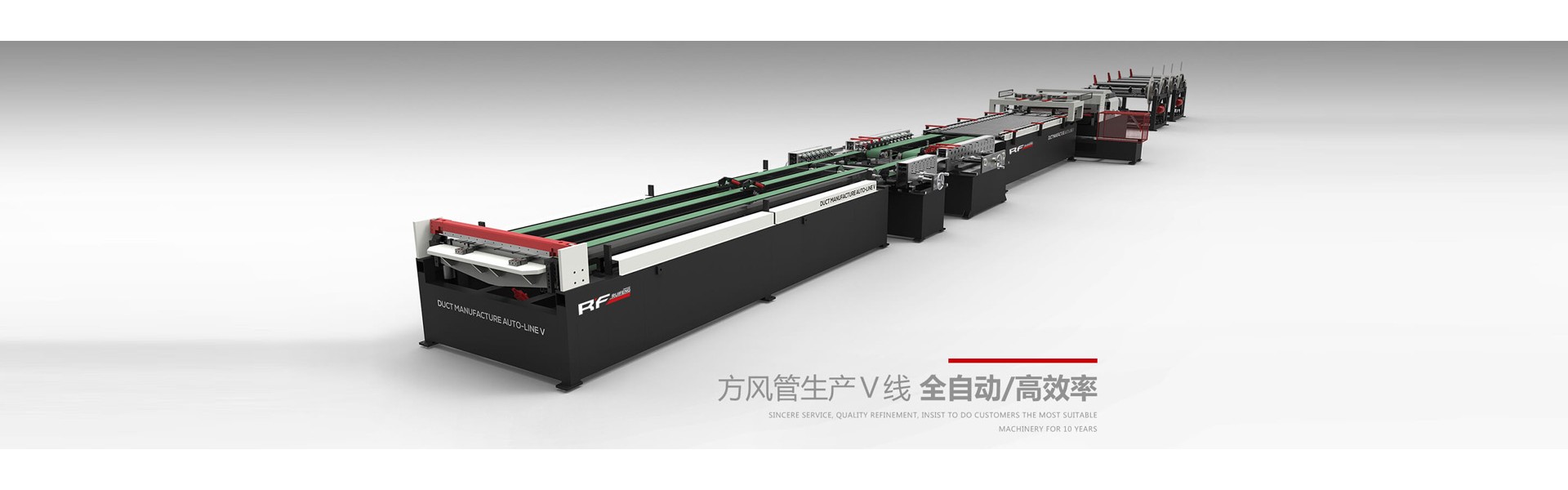
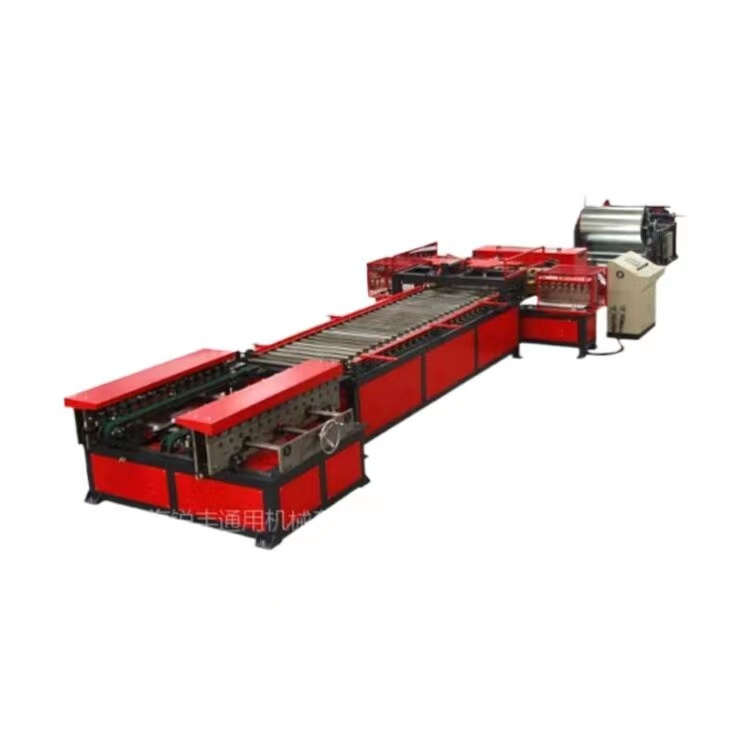
A complete ductwork production line should achieve the following functions:
1. Coiling material selection, cutting function; can choose 2-6 different thicknesses or materials of coil.
2. Tightening and flattening feature; this function adjusts the process before rolling material is processed, to prevent waste generation.
3. Drilling, chamfering, and slotting functions; this feature allows for the creation of installation holes in ducts, avoiding the inconvenience of drilling later on.
4. Cut-off function; this feature detaches the sheet material from the coil for further processing.
5. Transmission Function; facilitates the automatic processing for the next operation of rolled materials.
6. Bite edge; this feature enables the edge pressing operation of sheet materials to create combined angles.
7. Common-plate Flange Formation; This feature is a crucial step in manufacturing double-sided common-plate flanges.
8. Bending and forming; one process completed, the rectangular duct with common flange has been formed.
How to Conduct Daily Maintenance on the Duct Production Line:
1. Choose machine hoisting for the transportation of ductwork production line; if manual handling is absolutely necessary, do not exert excessive force to avoid damaging the equipment.
2. Regularly applying a moderate amount of lubricant to the drive gears of the duct production line can reduce wear during machine operation.
3. Keep the surface of the duct production line clean at all times, and apply rust-proof oil to the surface when it's not in use for a long period.
4. Regularly inspect the air duct production line for operational issues and promptly correct any problems to prevent accidents.
5. Typically, the maintenance cycle for a ductwork production line is every six months, involving disassembling the machinery and equipment for inspection and maintenance.


