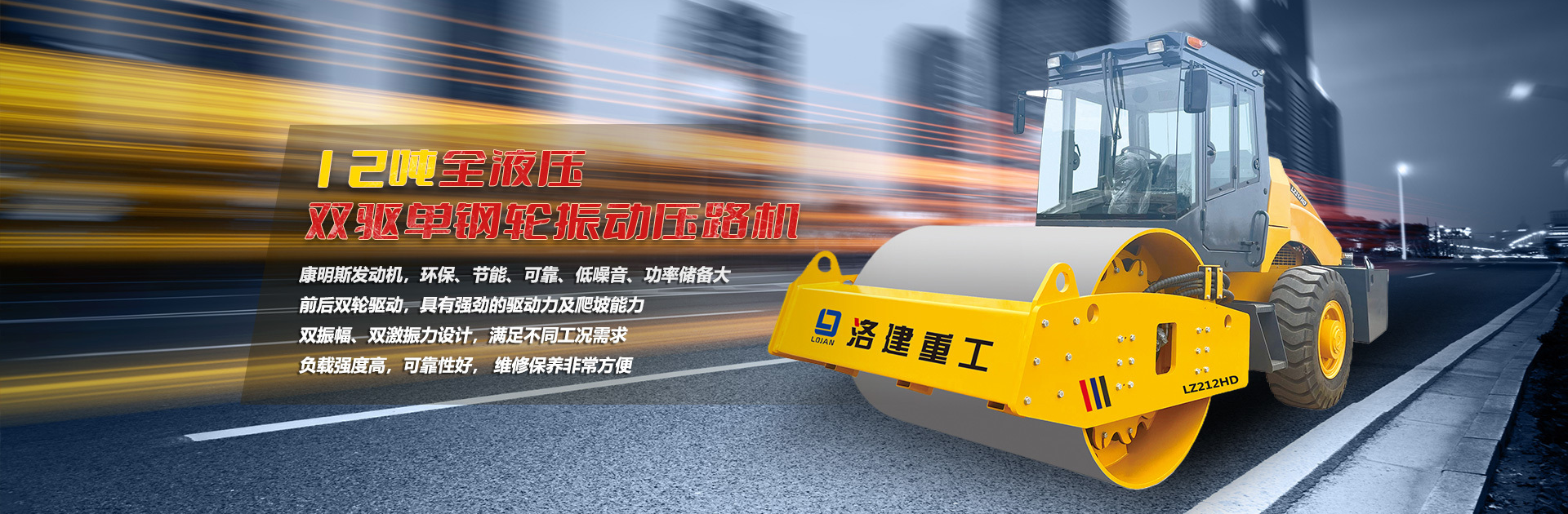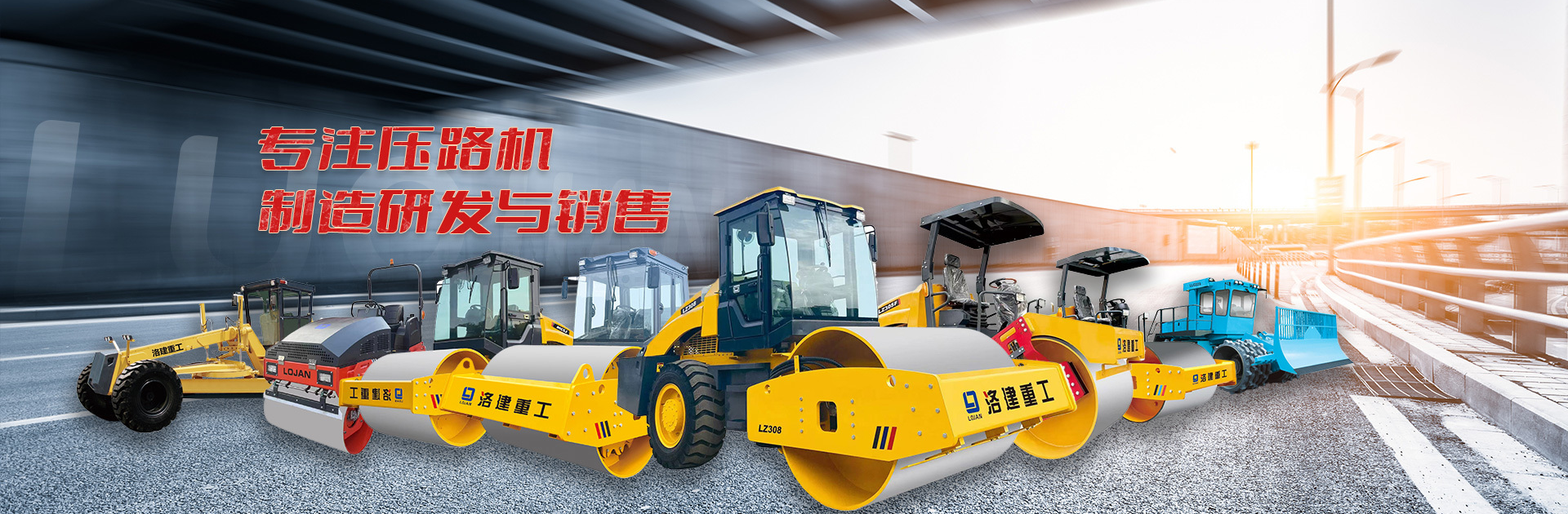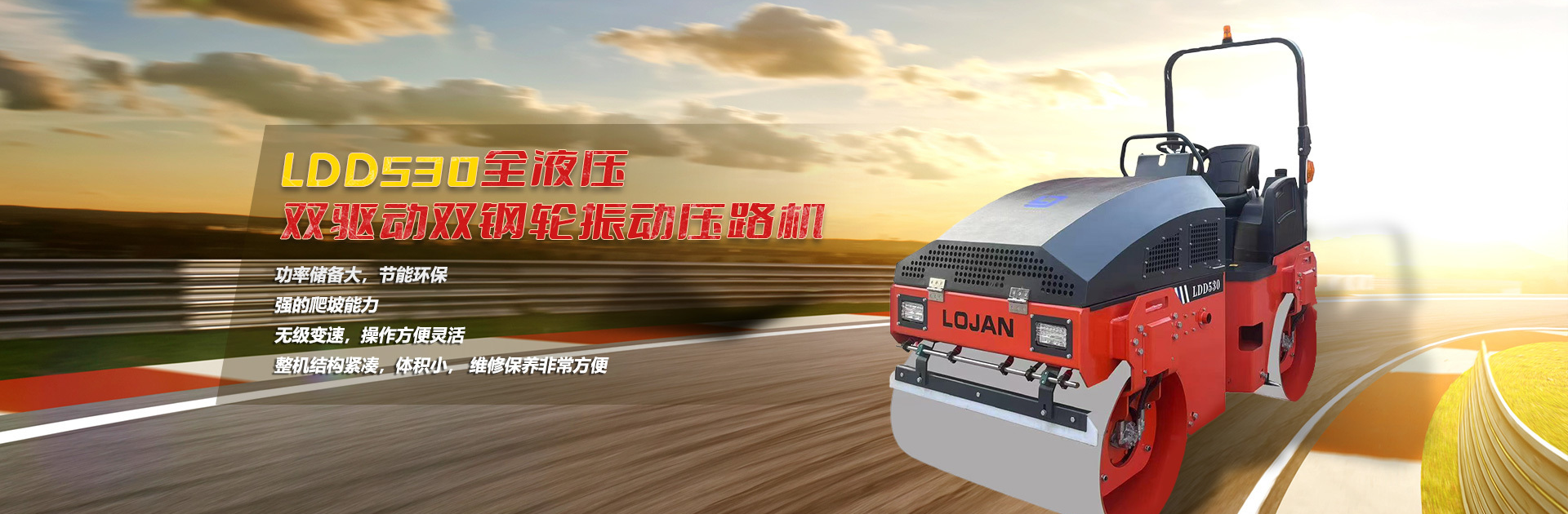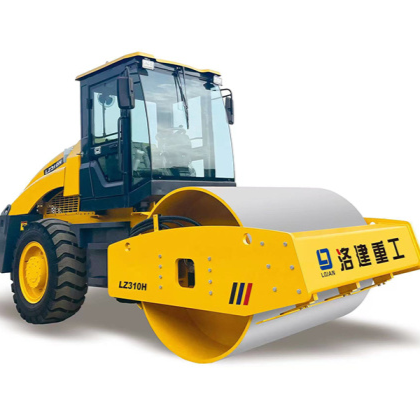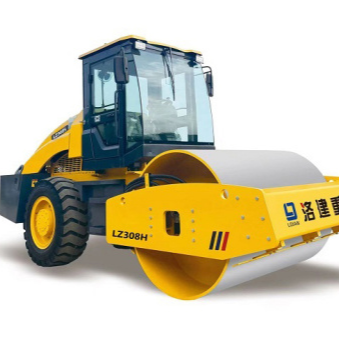


Luoyang CompactorManufacturers believe that rollers are primarily used for compacting subgrades, road surfaces, embankments, cofferdams, and construction foundations in highway, railway, airport, water conservancy, and civil engineering projects. Small rollers are suitable for compacting narrow spaces. Compaction involves repositioning, through rolling and impacting, the soil, sand, and asphalt mixture particles by overcoming their friction and cohesion, bringing them closer together, squeezing out moisture and air, and increasing the friction and cohesion between the particles, resulting in denser material after compaction.
Luoyang roller manufacturer believes that compaction involves four processes: rearrangement, filling, separation, and consolidation. This means that larger particles are repositioned to reduce gaps between them, smaller particles fill the gaps between larger ones, and water and air in the gaps are expelled. Under external force, particles break down, leading to further filling. The types of pressing forces include static pressure, impact force, vibration force, oscillating force, and frictional force. Machines capable of generating these compaction forces are rollers.
Luoyang roller manufacturer believes that there are mainly three types of rollers: steel drum rollers, rubber tire rollers, and vibrating steel drum rollers. Currently, the latter two types of rollers are most commonly used in construction. The main purposes of the drum are two-fold: to meet the specified density requirements and to flatten the road surface.
Luoyang roller manufacturer believes that compaction includes three forms: primary, intermediate, and final. The final compaction, which removes the roller marks and is a crucial step to maintain the road level, is typically done with steel-wheel rollers. Of course, if the primary compaction meets the density requirements, intermediate compaction is not necessary. However, on-site, most projects still follow these three steps. Generally, steel-roller primary compaction is used, but it can lead to phenomena like lateral movement of the material in front of the roller under pressure, potentially causing cracks after compaction. Tires are also used for primary compaction, but due to the high temperature at this stage, the mixture easily sticks to the tires, making it difficult to remove the marks, thus requiring many intermediate passes with tire rollers.
Luoyang Roller Manufacturer Highlights Operation Precautions for Road Rollers:
After the operation, the roller should be started before the earthquake, the internal combustion engine should be set to medium speed, and then adjusted to high speed.
2. Shut off the engine when shifting gears or reversing, and reduce the engine RPM when shifting gears.
No compactors are permitted to vibrate on hard surfaces.
When compacting soft subgrade, perform 1 to 2 passes without vibration before using vibration.
5. The Luoyang roller manufacturer believes that the vibration frequency should be consistent during compaction. For adjustable vibration rollers, the vibration frequency should be adjusted before operation, and it should not be adjusted during non-earthquake conditions.
6. Adjustments to the reversing clutch, impact clutch, and brake should be made after the main clutch is disengaged.
www.114global.com © Zhongshang 114 Hebei Network Technology Co., Ltd.Address: Room 6009, Oriental New World Center, No.118 East Zhongshan Road, Qiaoxi District, Shijiazhuang City, Hebei ProvincePlatform Service Hotline: 4006299930