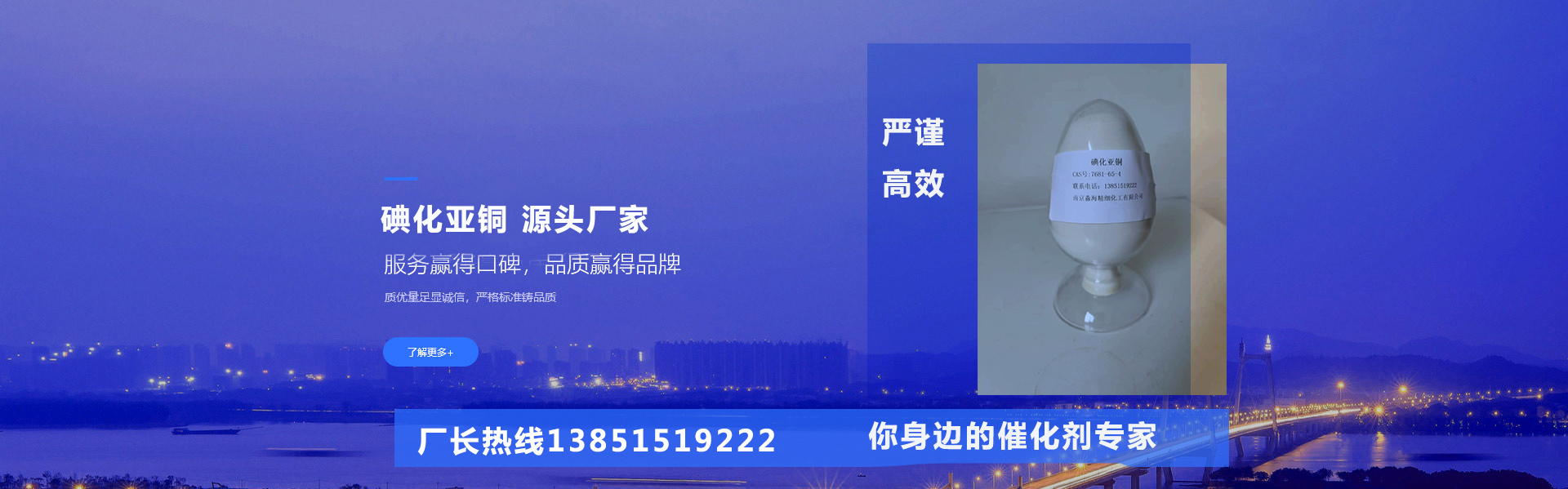
Copper(I) Iodide
13851519222
By implementing an integrated energy system optimization technology solution, energy consumption has continuously decreased in the first five months of 2014, setting new monthly energy consumption records, achieving a win-win situation of economic and environmental benefits.
From January to May this year, the company has maintained a comprehensive energy consumption of less than 70 kg standard oil equivalent per ton, reaching a historic low of 60.68 kg standard oil equivalent per ton in May, achieving a consecutive five-month decline. The fuel consumption decreased by 12.27 million cubic meters compared to the same period last year, resulting in an increase of 33.86 million yuan in efficiency and a reduction of 23.1 thousand tons of carbon dioxide emissions. This is just the effect of a partial project implementation of the energy system integration and optimization plan.
In recent years, Miao Hai Company has been innovating, pooling wisdom, and delving deep into the topic of energy consumption. Energy-saving and consumption-reduction efforts should not merely target the current situation or optimize a few high-energy-consuming units; they must be long-term and top-down, focusing on system integration and optimization. In October 2012, the workshop welcomed new faces as they reviewed DCS screens to record a wealth of production data. These were domestic energy optimization experts invited by the company to collect basic data for laboratory simulation and modeling. Through scientific analysis of over 30 units and systems, these research experts will assess the company's energy consumption in production.
In 2013, after nearly half a year of data collection and simulation analysis, the optimization team, in collaboration with energy optimization experts, combined practical experience to propose a series of technical solutions including total energy planning, inter-unit heat integration, internal energy optimization, full-plant low-temperature waste heat utilization, and steam system operation optimization. This led to the completion of energy modeling, integration, and optimization research and development for 30 units and systems across the company, as well as the energy plant and residential areas.
To ensure optimal energy system performance, the production and operation department conducted process simulations of the units' operation, continuously modifying and improving energy-saving retrofitting plans. During the 2013 major overhaul of the units, the preferred solutions were implemented, including energy-saving technology upgrades for heating furnaces, optimization of the south distillation and coking heat exchange network, conversion of south distillation overhead gas to heat exchange, and changing the heat source of the coking unit's stripping tower from wax oil to diesel, among other optimization projects.
Following the optimization, the units were put into operation, and compared to the same period last year, the energy consumption of 8 refining units such as heavy oil catalytic cracking, gas fractionation, and gasoline hydroprocessing, as well as 3 chemical units including continuous reforming, coking, and aromatics extraction, showed significant reductions. Among the 27 heating furnaces, 22 achieved an efficiency of over 90%, and 16 had exhaust gas temperatures reaching 140 degrees Celsius, improving the overall operation level of the heating furnaces. The steam system, while balancing the full-plant demand, ensured that low-pressure steam was not vented, resulting in a 5.25 kg standard oil/ton decrease in steam energy consumption compared to the previous year.
"The original unit's heat exchange final temperature for desalter oil was 292 degrees Celsius, but now it reaches 310 degrees Celsius, never achieving such excellent results. This saves fuel, money, and is environmentally friendly."
"Burners utilizing flue gas recirculation technology reduce flame temperature and lean combustion, thereby lowering nitrogen oxide emissions. This results in nitrogen oxide levels far below national standards, optimizing performance while also yielding excellent environmental benefits."
Contact us

Service Hotline
18951645562
Company Telephone
13851519222

Address
No. 523 Ningliu Road, Changlu Street, Jiangbei New Area, Nanjing City, Jiangsu Province
www.114global.com © Zhongshang 114 Hebei Network Technology Co., Ltd.Address: Room 6009, Oriental New World Center, No.118 East Zhongshan Road, Qiaoxi District, Shijiazhuang City, Hebei ProvincePlatform Service Hotline: 4006299930