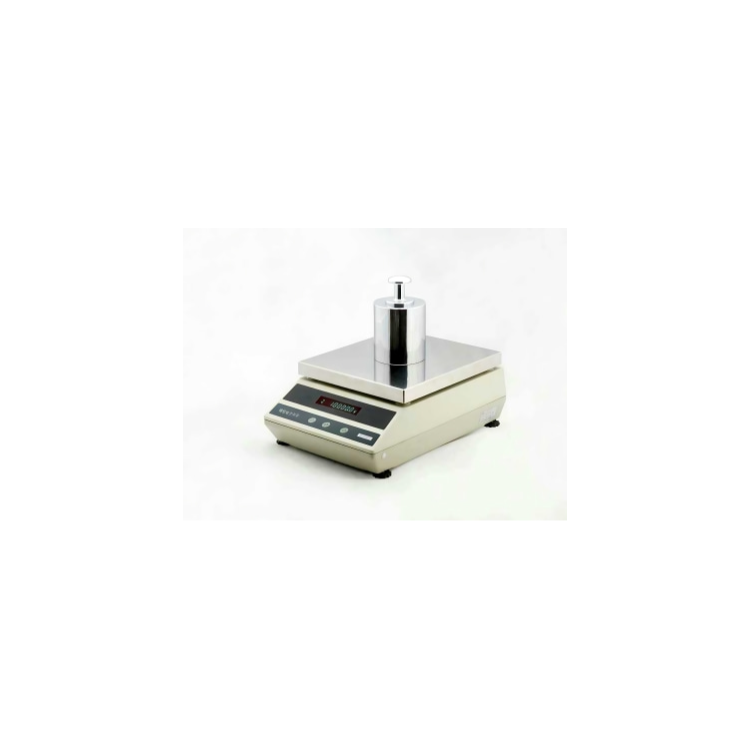

Manufacturer of precision electronic balances!

Precision Grade and Range Characteristics
.
Precision Variance
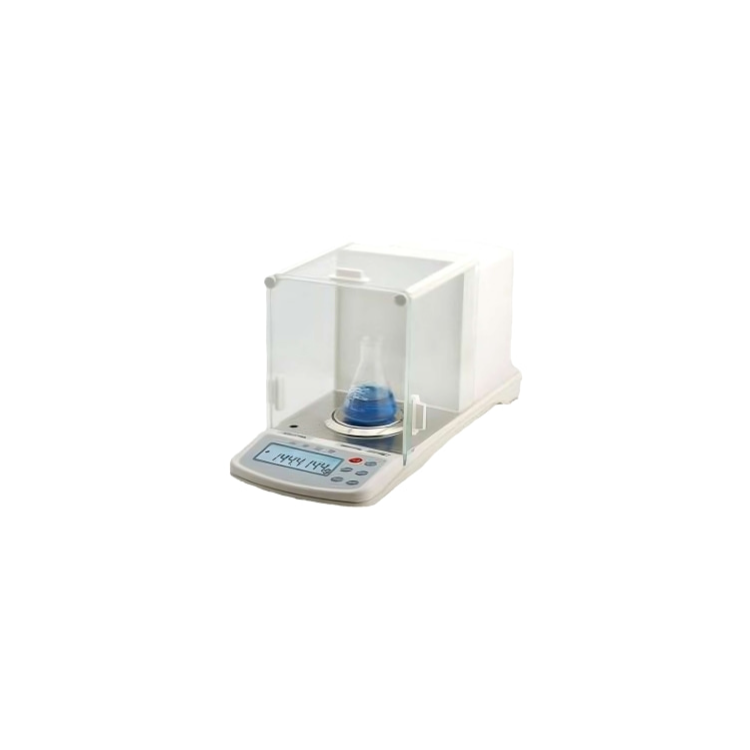
The resolution of the one-millionth fraction balance has been achieved.0.001mg, or 0.000001g, while a common balance with a 1mg (0.001g) graduation is 1mg (0.001g) for the thousandth, and 0.1mg (0.0001g) for the ten-thousandth. Its sensitivity is 100 to 1,000 times that of a regular balance.
Range
A millionth of a day balance is typically used to weigh onlyFor 2-5g, strict control of sample weight is required; standard balances have a wider measurement range, such as a 1/100,000 balance can weigh up to 320g, and a 1/1000 balance can reach 1200g.
Technical Performance Requirements
Stability and Anti-Interference Ability
The 1-in-a-million balance requires long-term stability (minimal impact from environmental temperature fluctuations) and immediate stability (values stabilize immediately after placing the sample), being highly sensitive to external disturbances such as air currents and vibrations. It is typically equipped with multi-layer windshields and high-precision anti-vibration systems. Standard balances have a higher tolerance for such disturbances.
Linear Accuracy and Repeatability
One-millionth balance requires minimal deviation between displayed and actual values across the entire weighing rangeCompareSmall (Linear accuracy exceeds)The precision of the analytical balance is up to 0.002%, and the fluctuation when re-weighing the same sample must be kept within the graduation range; the linear error and repeatability requirements for a common balance are relatively lenient.
Section III: Application Scenario Differences
High-end Research and Specialized Industries
The one-millionth-of-a-gram balance is used for microsample analysis, such as nanomaterial weighing and trace drug purity testing (e.g., determining the active ingredients of anticancer drugs), while standard balances are suitable for routine laboratory weighing (e.g., chemical reagent preparation) or industrial applications (e.g., bulk raw material weighing).
Instrumentation配套需求
One in a million days is as common as high-performance liquid chromatography (HPLC)HPLC, mass spectrometry, and other analytical instrument accessories require coordination with other precision instruments; standard balances are often used independently.
Design and Maintenance Complexity
Sensor and Calibration Technology
With electromagnetic force sensors and fully automatic calibration technology, some models support real-time temperature compensation; standard balances largely rely on manual or semi-automatic calibration.For instance, a millionth-gram balance may require multiple calibrations daily to maintain accuracy.
Environmental Requirements
Be required to be in a temperature and humidity controlled laboratory (temperature fluctuationsThe machine operates in conditions of ≤1℃/h temperature drop and ≤60% humidity; a standard balance is sufficient for regular laboratory environments.
V. Cost and Maintenance Investment
Cost of Equipment Procurement
The price of a millionth of a balance is typically one-tenth that of a thousandth of a balance.Prices for high-end models can reach one million yuan, with a tenfold increase, while standard balances are priced between several thousand to tens of thousands.
Supplies and Maintenance
Specialty anti-static trays and precision weights require regular replacement, and calibration cycles are shorter (such as weekly), resulting in significantly higher maintenance costs compared to standard balances.


www.114global.com © Zhongshang 114 Hebei Network Technology Co., Ltd.Address: Room 6009, Oriental New World Center, No.118 East Zhongshan Road, Qiaoxi District, Shijiazhuang City, Hebei ProvincePlatform Service Hotline: 4006299930