What are the standards for testing cleanroom air pollutants?_News Center Co., Ltd._Jiangsu Shuangquan Environmental Testing Service Co., Ltd._Zhongshang 114 Industry Resources Network
Jiangsu Shuangquan Environmental Testing Service Co., Ltd.

Cleanroom, Purification Plant, Sterile Laboratory, Cleanr...

24-hour Service Hotline
15861352996
Current Location:Home>News Center Co., Ltd.>What are the standards for testing cleanroom air pollutants?

    What are the standards for testing cleanroom air pollutants?

    2025-05-12

    The standards for testing cleanroom air pollutants mainly include the following aspects:

    Part 1: Airborne Particle Concentration

    Particle concentration in air suspension is a core item for cleanroom inspection, requiring specialized equipment like particle counters for measurement. Different cleanroom levels have varying requirements for particle concentration. Specifically, air suspension particle concentration in cleanrooms can be tested according to relevant standards such as ISO 14644 or GB/T 29469, to determine if the cleanliness level meets the required standards.

    Microbial Contamination

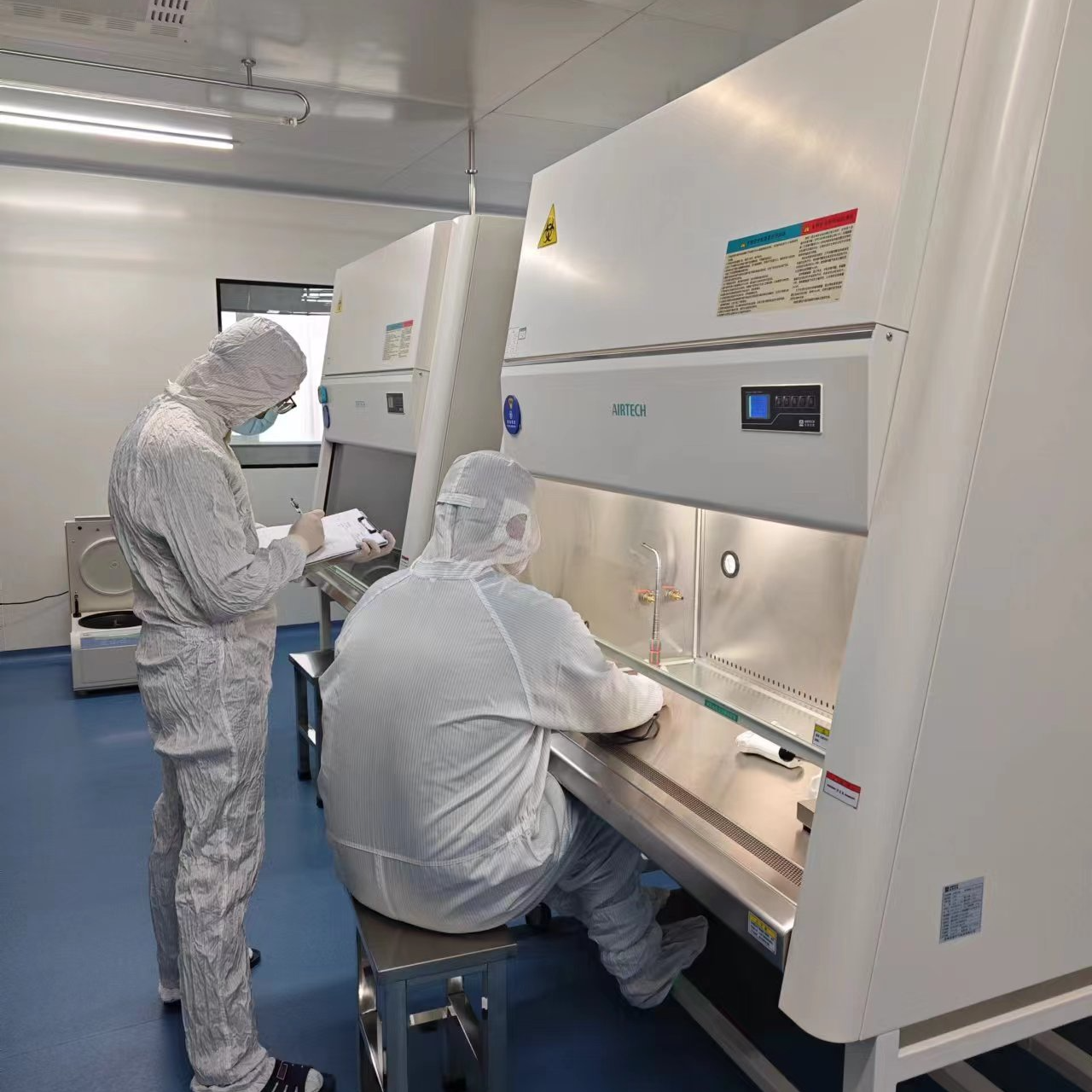
    Microbial testing is essential for cleanrooms used in biotechnology or for controlling microbial contamination. This typically involves the detection of airborne and settled bacteria. Airborne bacteria sampling requires a specialized air sampler, while settled bacteria are detected through sedimentation methods or culture media. These tests ensure the biological safety of the cleanroom and prevent contamination by microorganisms during production or research processes.

    III. Temperature and Humidity Control

    The temperature and humidity within the cleanroom must be maintained within specific ranges to meet process requirements and ensure staff comfort. Typically, the temperature is often controlled at 18.26°C, humidity is usually around 40%The standard can be appropriately adjusted according to the specific cleanroom application and process requirements.

    Four: Pressure Difference

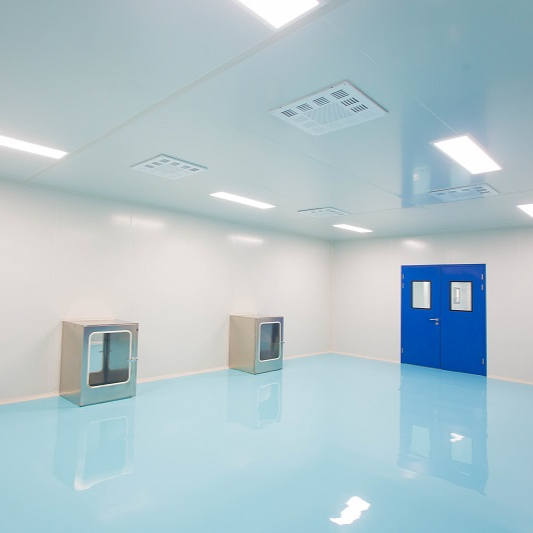
    Cleanrooms must maintain a certain pressure differential between the cleanroom and the external environment or adjacent areas to prevent the intrusion of contaminants. The positive pressure differential is typically maintained between 5~10 Pa, but the specific value should be determined based on the cleanroom's purpose and process requirements. By measuring the pressure differential between the cleanroom and the external or adjacent areas, one can assess its ability to prevent contamination.

    V. Airflow Speed and Direction

    Cleanroom air distribution must be even to ensure rapid expulsion of contaminants. The wind speed typically required is between 0.3 to 0.5 meters per second, though specific values must be determined based on the cleanliness level and design requirements of the cleanroom. Additionally, the direction of the airflow must be tested to ensure it meets design specifications and effectively removes contaminants from the cleanroom.

    Section 6: Noise and Vibration

    In processes sensitive to noise and vibration, the noise and vibration levels in cleanrooms must also be kept within a certain range. This typically requires the use of sound level meters and vibration measurement devices to ensure that the noise and vibration levels in cleanrooms do not interfere with the production or research processes.

    Section 7: Other Parameters

    In addition to the aforementioned main parameters, other parameters may need to be tested based on the specific application and process requirements of the cleanroom. For instance, for cleanrooms requiring control of harmful gases, gas concentration may need to be tested; for those requiring control of static electricity, static potential may need to be measured, etc.

    In summary, the standards for detecting air pollutants in cleanrooms encompass various aspects, including airborne particle concentrations, microbial contamination, temperature and humidity control, pressure differentials, airflow velocity and direction, noise, and vibration. The establishment and enforcement of these standards are crucial for ensuring the performance and safety of cleanrooms.


Contact us

  • Company Name

    Jiangsu Shuangquan Environmental Testing Service Co., Ltd.

  • Service Hotline

    15861352996

  • Company Phone

    15861352996

  • Company Address

    97 Dingxing Road, 4th Floor, Building 1, Guangling District, Yangzhou City

www.114global.com © Zhongshang 114 Hebei Network Technology Co., Ltd.Address: Room 6009, Oriental New World Center, No.118 East Zhongshan Road, Qiaoxi District, Shijiazhuang City, Hebei ProvincePlatform Service Hotline: 4006299930