
Focused on the research, development, and production of e...

I. Basic Principle
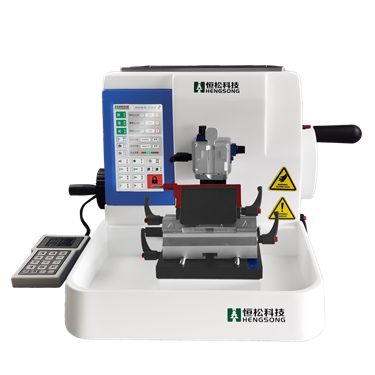
Frozen sections are rapid tissue sections obtained by cutting frozen tissue to the desired thickness (5-20μm) within a constant-temperature freezer (-15 to -23°C). The rapid freezing of tissue samples transforms water into ice, with the solid ice within the tissue acting as an embedding medium for sectioning. Frozen section slices are commonly used in immunofluorescence (IF) experiments. They are primarily employed for the rapid on-site diagnosis of lesions during surgery, to understand the extent of the lesion, and for enzymatic immunocytochemistry and immunofluorescence studies. They are also used to stain lipids and certain carbohydrates in tissues, and are applicable to general basic biological research.
II. Basic Organizational Handling Procedures
Fresh Organizational Structure Established
(Wash: Clean the tissue thoroughly using PBS; )
(2) Fixed: At 4℃ using 4%FormaldehydeSecure the tissue on the shaker for 2-4 hours (based on the size of the tissue, avoid securing the tissue for more than 24 hours, as tissue antigens may be masked or destroyed).
(3) Sucrose Sedimentation: Utilize 30% sucrose for sedimentation of tissue at 4°C for 2H (aiming to reduce tissue moisture, preventing ice crystals from damaging cells).
(Note: During the practical process, (2) and (3) can be ignored directly. (2) can be performed after the frozen sections are completed. Furthermore, some experiments cannot be conducted.)FormaldehydeBe prepared in advance, as it is fixed.
2. Organize embedding and preservation
(1)OCT Embedding Organization: Place the tissue in a well-labeled embedding box, then cover the entire tissue with pre-cooled OCT.
(2)Freezing Organization: Contacting the bottom of the container containing the organized samples with liquid nitrogen allows for rapid (10-20 seconds) freezing of the tissue, with the purpose of rapid freezing being to prevent the formation of ice crystals within the cells.
(3)Organized Storage: Typically, reserve frozen samples in a -80℃ refrigerator for backup.
Section III: Frozen Slices
Pintuo Preparation: Add OCT to the surface of Pintuo (2-3mm), then place it in a 4℃ cold treatment for 10 minutes for standby.
(2) Fixed Tissue on Petri Dish: Place the embedded tissue stored at -80℃ horizontally on a petri dish, and then position it on the specimen stage of the cryostat microtome.
(3) Organ Preparation Re-warming: Place the prepared tissue from step (2) onto the stage or cryostat shelf of the cryostat for re-warming for 30 minutes (if the specimen is too cold, the sections will curl; if too hot, it will stick to the blade).
(4) Pontoon Assembly: Transporting the flat topper to the organizational fixed station (rotary microtome).
(5) Blade Installation: Install the blade at an angle of 5-7° and secure it properly.
(6) Photo Editing: Begin with thicker cuts during the initial slicing process, then switch to lower thickness slices after the cutting blade is organized.
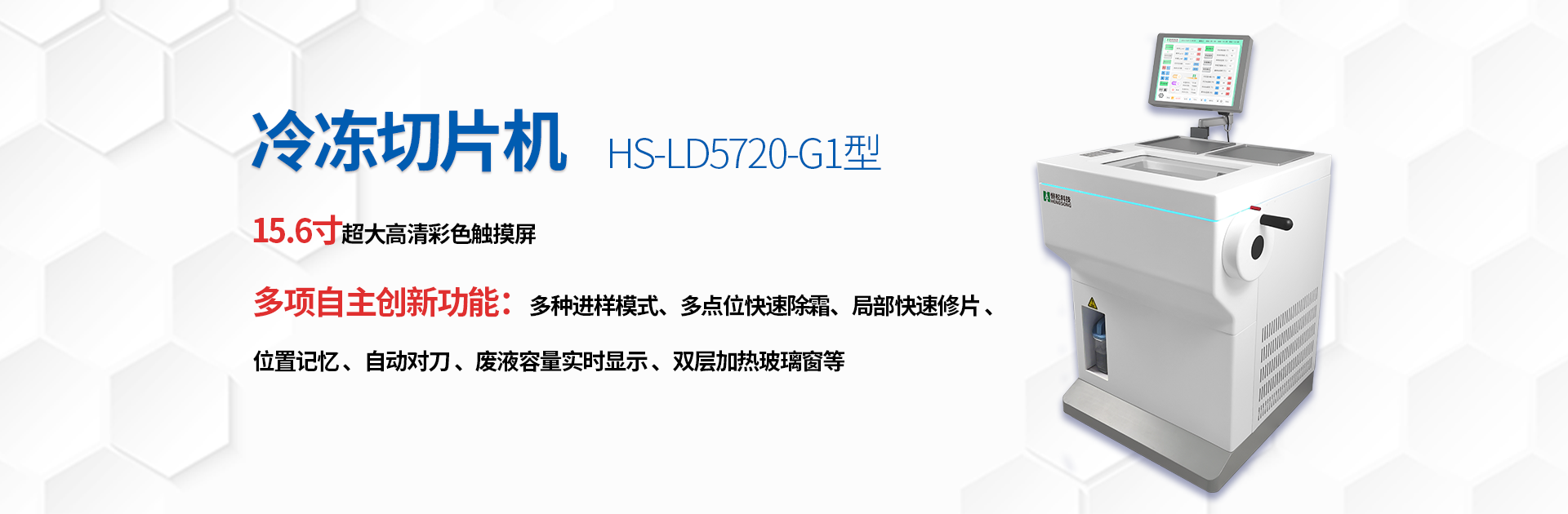
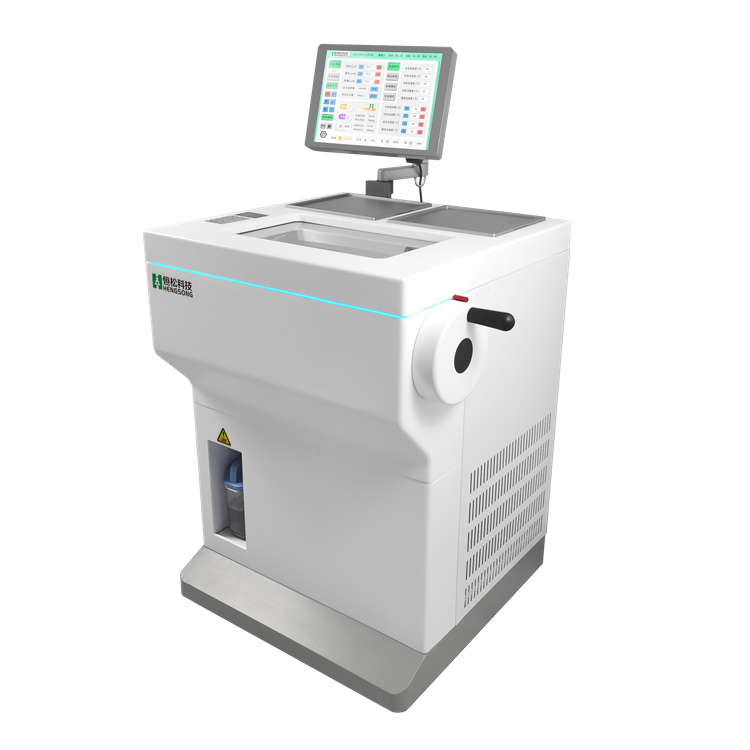
(7) Slicing: Currently, the loading platform of the frozen section microtome includes two types. One is similar to paraffin section loading platform, which requires using a brush to pick up the slices and then transfer them to the glass slide. The other type allows slices to enter the loading platform directly, and again, a brush is used to transfer the slices to the glass slide.
Step 8: Room Temperature Re-warming of Tissue Sections: Place the slides containing tissue sections in a 30-37°C environment for 30 minutes to re-warm before proceeding with subsequent experiments.
Please Note
The key to increasing the success rate of frozen sections lies in understanding their basic principles and precautions. It's a matter of practice and skill, requiring time and effort to master. To enhance the success rate of tissue slicing, pay attention to the following:
(1) Carefully read the instructions before using various reagent consumables, particularly the precautions mentioned.
(2) Tissue Fixation: Fixation is completed by immersion in a 10% solution at room temperature for 4 to 8 hours. It is generally believed that the volume of the fixation agent should be 50 times larger than the size of the immersed tissue. Avoid fixing the tissue for more than 24 hours, as tissue antigens may be obscured or destroyed.
(3) Generally, impregnation fixation is a common method of fixation, except for lung, spleen, and embryonic tissue, which are immersed in fixation.
(4) The temperature of the low-temperature thermostat is between -15°C and -23°C. If the specimen is too cold, the sections will curl. If it's too hot, it will stick to the blade.
Step the sections onto histological slides coated with gelatin to enhance tissue adhesion, as the slides have been pre-coated with gelatin.
(6) Slides should be rewarmed to 30-37 °C, typically for 30 minutes.
(7) Quick-freezing is crucial; methods like liquid nitrogen and dry ice can reduce the likelihood of destructive ice crystal formation within cells.


www.114global.com © Zhongshang 114 Hebei Network Technology Co., Ltd.Address: Room 6009, Oriental New World Center, No.118 East Zhongshan Road, Qiaoxi District, Shijiazhuang City, Hebei ProvincePlatform Service Hotline: 4006299930