Specializing in filter presses, chemical pumps, fire pump...



Product Recommendation
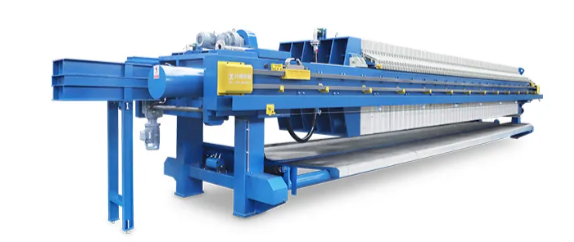
The press filter, as a core solid-liquid separation equipment in the industrial field, its operational stability and service life directly depend on the level of refinement in daily maintenance and care. Scientific maintenance not only reduces equipment downtime due to failures and lowers the cost of spare parts replacement but also ensures that filtration efficiency and filter cake quality remain in an ideal state. This article starts with the core components such as filter cloth, filter plate, hydraulic system, and electrical system, outlining a comprehensive and practical set of daily maintenance and care tips to help extend the overall service life of the press filter.
I. Maintenance and Care of Filter Fabrics: The Core Guarantee for Filtration Efficiency
Filter cloth is the core medium for solid-liquid separation in pressure filters, with its cleanliness and integrity directly affecting the filtration effect and being one of the most easily damaged parts. Daily maintenance should focus on three key tasks: cleaning, inspection, and replacement. After each filtration cycle and cake discharge, it is crucial to promptly clean the filter cloth surface of any remaining cake particles. A high-pressure water jet can be used for cleaning, but water pressure should be controlled to prevent direct impact on the filter cloth, which could cause damage. For sticky material residues, use a mild cleaning agent for soaking before rinsing and strictly avoid using sharp tools to scrape the filter cloth surface. Additionally, regular inspections should be conducted for any tears, holes, or frayed edges in the filter cloth. Minor tears can be promptly repaired with specialized adhesive, while larger ones necessitate immediate replacement with a filter cloth of the same model. Furthermore, proper storage is essential to prevent moisture and dust, avoiding material aging due to long-term exposure to sunlight. Spare filter cloths should be stored in a dry, well-ventilated warehouse, neatly arranged by size.
Two: Filter Plate Maintenance and Care: The Key Support for Sealing Performance
Filter plates are the core components of the filter chamber, their flatness and sealing integrity determine whether material leakage occurs during the filtration process. Daily maintenance should focus on preventing collisions, corrosion, and ensuring cleanliness. During the opening and closing of the filter plates, ensure the equipment operates smoothly and strictly prohibit rough handling or external force impacts to prevent cracks or deformations. For polypropylene filter plates, avoid contact with high-temperature materials or sharp hard objects to prevent material aging or scratches. After each filtration, clean the feed channels and drain holes on the surface of the filter plates to ensure that the channels are clear of obstructions. Check the cleanliness of the sealing surface of the filter plates as well; if there is any material residue, wipe it clean immediately to avoid particles affecting the sealing effect between plates. In case of minor cracks on the filter plates, repair them promptly with specialized repair agents. Cracks that are severe or deformations require replacement; operation with faults is strictly prohibited as it can exacerbate material leakage and even damage other filter plates.
Hydraulic System Maintenance and Care: The Stable Foundation of Equipment Power
The hydraulic system serves as the power source for driving the clamping and releasing of the filter plates, with its operational status directly affecting the efficiency of the equipment's opening and closing. The key to maintenance lies in the management of hydraulic oil and the detection of leaks in components. It is essential to regularly check the hydraulic oil level in the oil tank, ensuring it remains between the upper and lower marks on the oil gauge. In case of low oil levels, promptly replenish with the same type of hydraulic oil, and strictly prohibit the mixing of different types of hydraulic oil. Additionally, it is necessary to regularly replace the hydraulic oil and filters. Generally, new equipment requires the first oil change after 3 months of operation, followed by replacements every 6 to 12 months. Filters should be replaced simultaneously with the hydraulic oil to prevent impurities from entering the hydraulic pump and cylinder, causing wear to the components. Daily, inspect for any oil leakage at the joints of the hydraulic pipeline, and if leakage is detected, tighten the joints or replace the seals promptly. Regularly clean impurities from the oil tank and pipelines to maintain the cleanliness of the oil. Furthermore, pay attention to the operating temperature of the hydraulic system. If the oil temperature is too high, check if the cooling system is functioning properly to avoid high temperatures reducing the viscosity of the hydraulic oil, which can affect the stability of the system's pressure.
Four: Maintenance and Care of Electrical Control Systems: The "Brain" of Equipment Operation护航
Electrical control systems serve as the command center of filter presses, encompassing components such as PLC control cabinets, motors, sensors, and operation panels. Routine maintenance should prioritize moisture and dust prevention, as well as electrical line inspections. Regularly clean the dust inside the control cabinet using dry compressed air to prevent dust buildup that could lead to short circuits or poor contact; keep the cabinet doors closed to prevent damp air from entering, especially in humid production environments. Place desiccants inside the cabinet to reduce humidity. Periodically check the motor's operating status by listening for any unusual noises and feeling the motor housing for excessive heat. If abnormal noises or temperatures are detected, immediately shut down and inspect for issues like bearing wear or phase failure. Additionally, inspect the sensitivity of all sensors, such as pressure and position sensors, to ensure accurate signal transmission and prevent equipment malfunctions due to sensor failures. Regularly wipe the buttons and display screen of the operation panel to keep the surface clean. If buttons become sticky or malfunction, replace them promptly.
Five: Daily inspections and regular maintenance of the complete machine: The key to preventing problems before they arise.
In addition to the specialized maintenance of core components, daily inspections and regular maintenance of the entire machine are indispensable. Before daily startup, check that all bolts at the connection points of the equipment are securely fastened, and there are no loose or fallen bolts; inspect the tension of conveyor belts, chains, and other transmission components, adjusting promptly if they are too loose to prevent slippage. During operation, constantly monitor the running status, listen for any abnormal noises, and check for leaks of materials or oil. If any issues are found, immediately stop the machine for handling, and strictly prohibit operation with faults. Regularly lubricate and maintain the transmission components of the equipment, such as chains and bearings, by adding the appropriate type of lubricating oil or grease as specified in the manual. The lubrication cycle is generally once a month to ensure smooth operation of the transmission components and reduce mechanical wear. Furthermore, establish a comprehensive maintenance record, detailing the time, content, and part models replaced for each maintenance. Through data analysis, understand the operating patterns of the equipment, anticipate potential faults in advance, and achieve a shift from "post-maintenance" to "preventive maintenance."
Section 6: Additional Maintenance Points for Special Operating Conditions
For press filters handling corrosive and high-temperature materials, targeted maintenance and care are essential. When dealing with corrosive materials, in addition to using filter plates and fabrics made of corrosion-resistant materials, it is also necessary to regularly apply anti-corrosion treatments to the metal components of the equipment, such as applying anti-rust paint or grease. When handling high-temperature materials, regular inspections of the filter plates and sealing components' heat resistance are required, with timely replacement of parts that have aged due to high temperatures. Additionally, strengthen the cooling of the hydraulic system to prevent oil temperatures from rising excessively and affecting equipment operation.
In summary, the daily maintenance and care of the pressure filter is a systematic task that must be integrated throughout the entire lifecycle of the equipment. Only by implementing meticulous maintenance at every component and operational stage can the lifespan of the equipment be maximized, ensuring continuous and stable production.


www.114global.com © Zhongshang 114 Hebei Network Technology Co., Ltd.Address: Room 6009, Oriental New World Center, No.118 East Zhongshan Road, Qiaoxi District, Shijiazhuang City, Hebei ProvincePlatform Service Hotline: 4006299930