Ceramic Membranes, Ceramic Membrane Equipment, Nanofiltra...

Organic reactions, as the foundation of the chemical industry, hold a pivotal position in modern industrial development.
However, organic reactions cannot proceed independently; a third medium, a catalyst, is required during the reaction process. The application of organic catalysts such as carboxylic acids, sulfonic acids, and non-metals is relatively widespread in numerous organic reactions. As the reaction progresses, the activity of the catalyst gradually decreases. When the catalyst's activity is insufficient to meet the reaction's needs after a certain period of use or due to improper operation leading to premature deactivation, it is necessary to regenerate or replace the catalyst. The disposal of deactivated catalysts that cannot be regenerated has become a major challenge for many chemical companies today.
Currently, the conventional method for handling such organic waste catalysts involves high-temperature treatment in a rotary kiln, which recovers the remaining raw materials and substances under high temperatures. However, the waste catalysts processed by this method often contain residual acidic gases, which not only have a strong刺激性 odor but also possess corrosive properties, still classifying them as hazardous solid waste with significant environmental pollution.
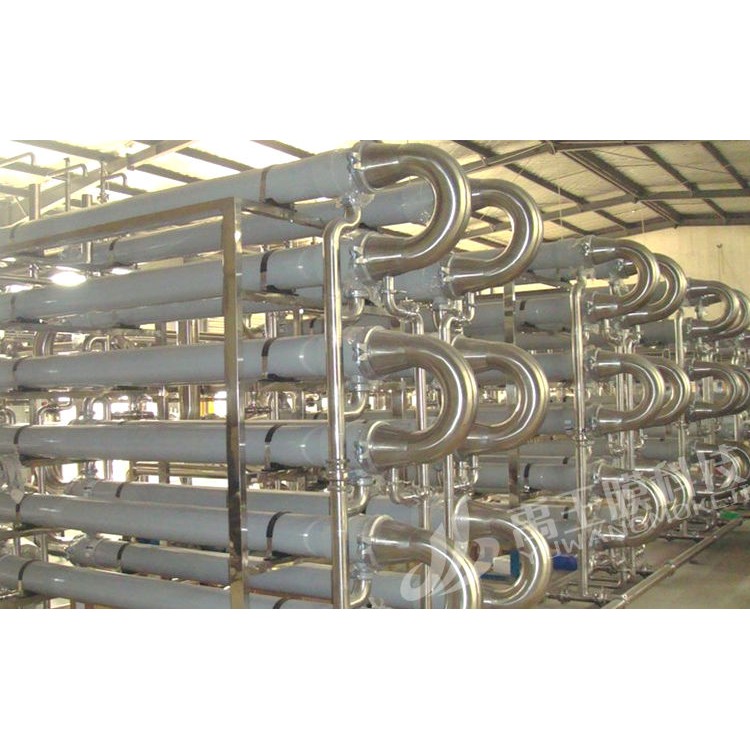
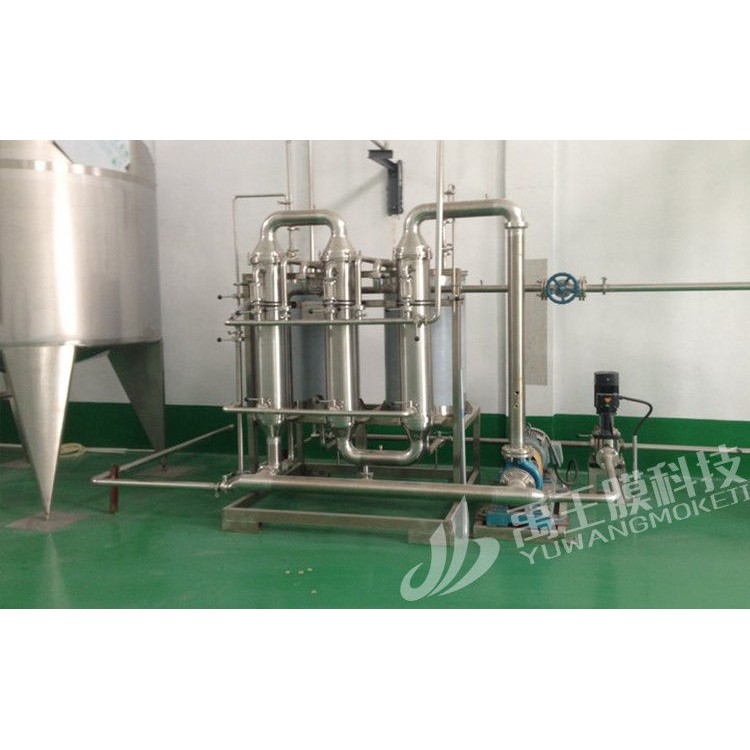
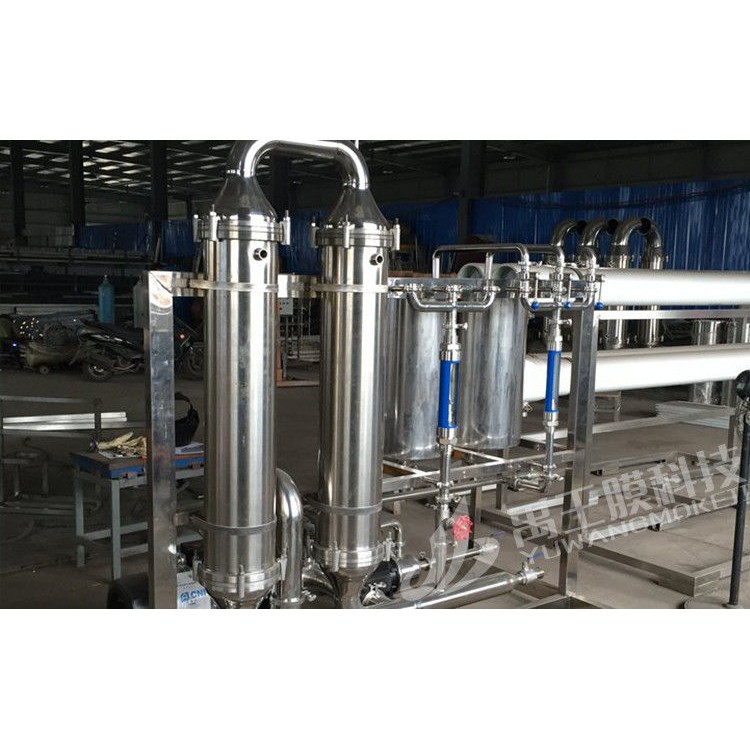
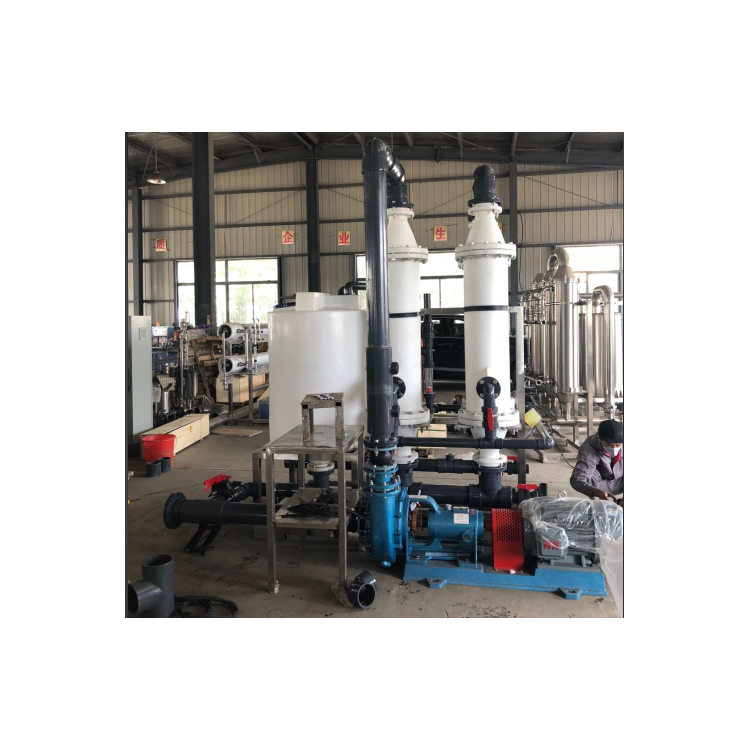
The separation process of ceramic membranes involves mixing with reactants to form a membrane reactor. Reactants are continuously added to the reactor, and the product and catalyst are pumped into the ceramic membrane under pressure. The product permeates through the membrane surface, while the nano-catalyst is retained and returned to the reactor to continue catalyzing. Therefore, the reaction process and membrane separation form a closed-loop circuit, not only obtaining the product but also completely recycling the expensive catalyst. Specific features include:
The membrane has a high retention rate for strong alkali and strong acid nanocatalysts, with long-term stable and reliable performance.
2. Compact design, small footprint, long membrane lifespan, reversible, easy to clean and regenerate.
3. Automatic control, easy operation, low labor and maintenance costs.
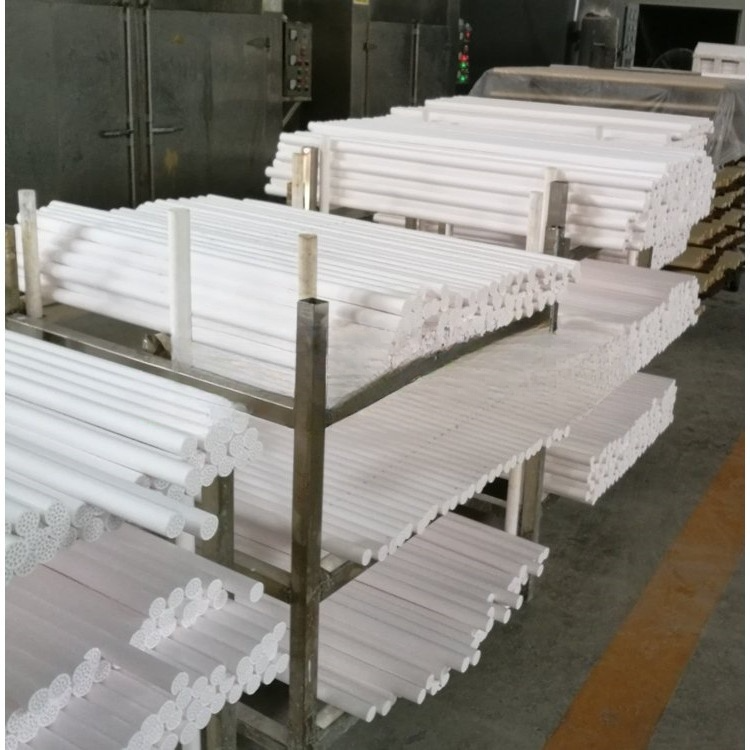
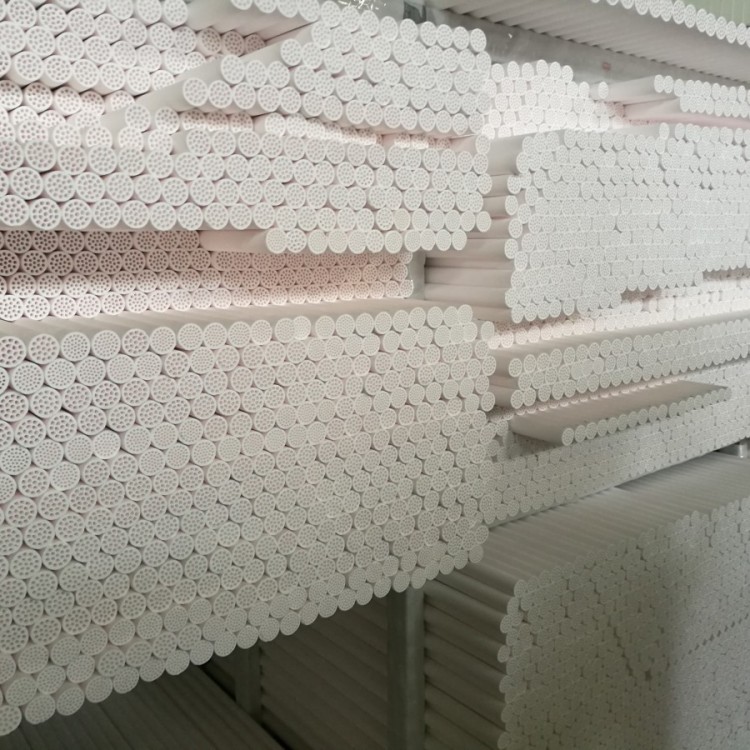
Achieving the recovery of organic reaction catalysts is significant for the robust development of the chemical industry. Ceramic membranes possess nano-sized pore sizes, excellent thermal and chemical resistance, and good mechanical strength. Consequently, ceramic membrane separation technology offers notable advantages in the recovery of organic reaction catalysts, such as improving product quality and yield, and reducing production costs.

Company Name
Hefei Yuwang Membrane Engineering Technology Co., Ltd.

Service Hotline
18919639863
Company Phone
13866740364

Company Address
Hefei City, Feixi County, Anhui Province, Shenzhen Road, Liandong U Valley, No. 3-2, Taohua Industrial Park
www.114global.com © Zhongshang 114 Hebei Network Technology Co., Ltd.Address: Room 6009, Oriental New World Center, No.118 East Zhongshan Road, Qiaoxi District, Shijiazhuang City, Hebei ProvincePlatform Service Hotline: 4006299930