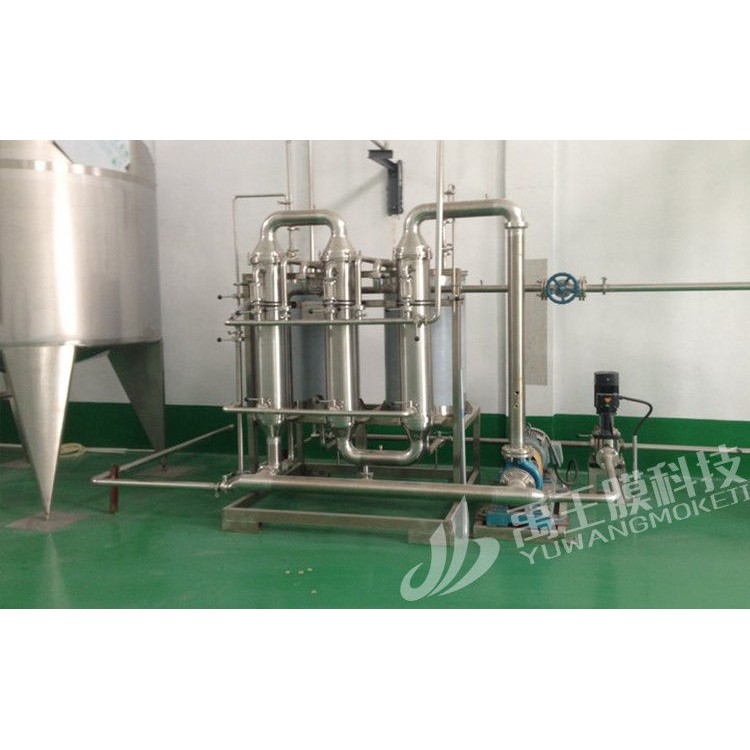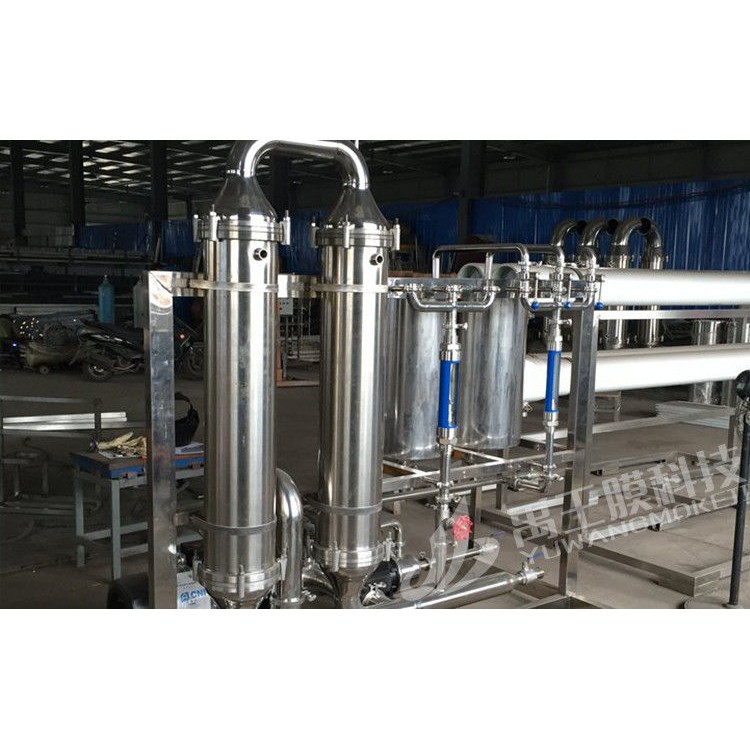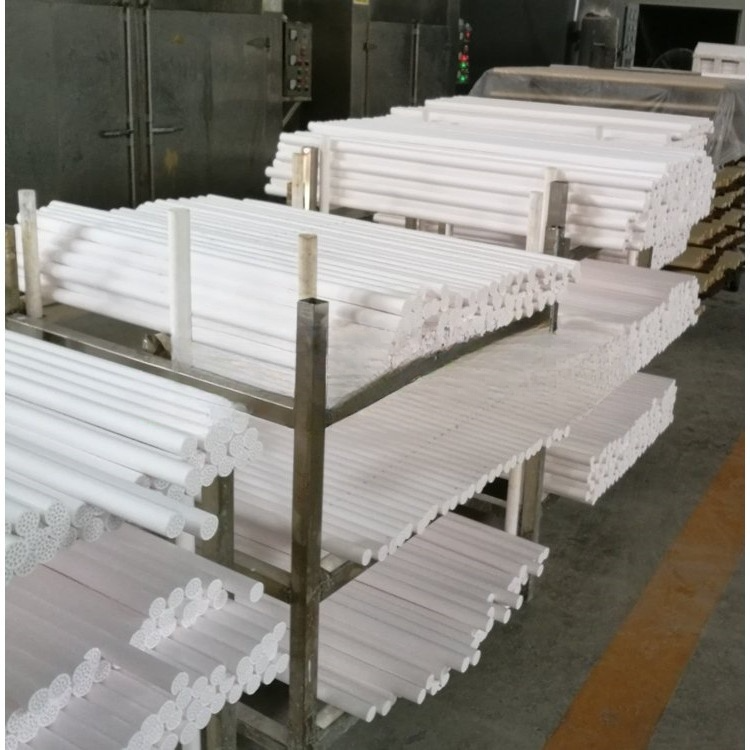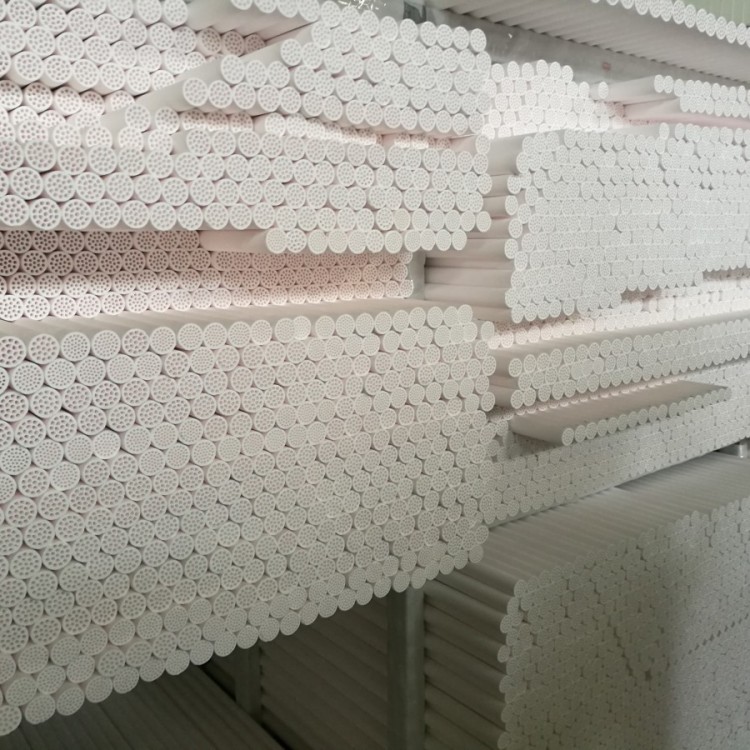
Ceramic Membranes, Ceramic Membrane Equipment, Nanofiltra...

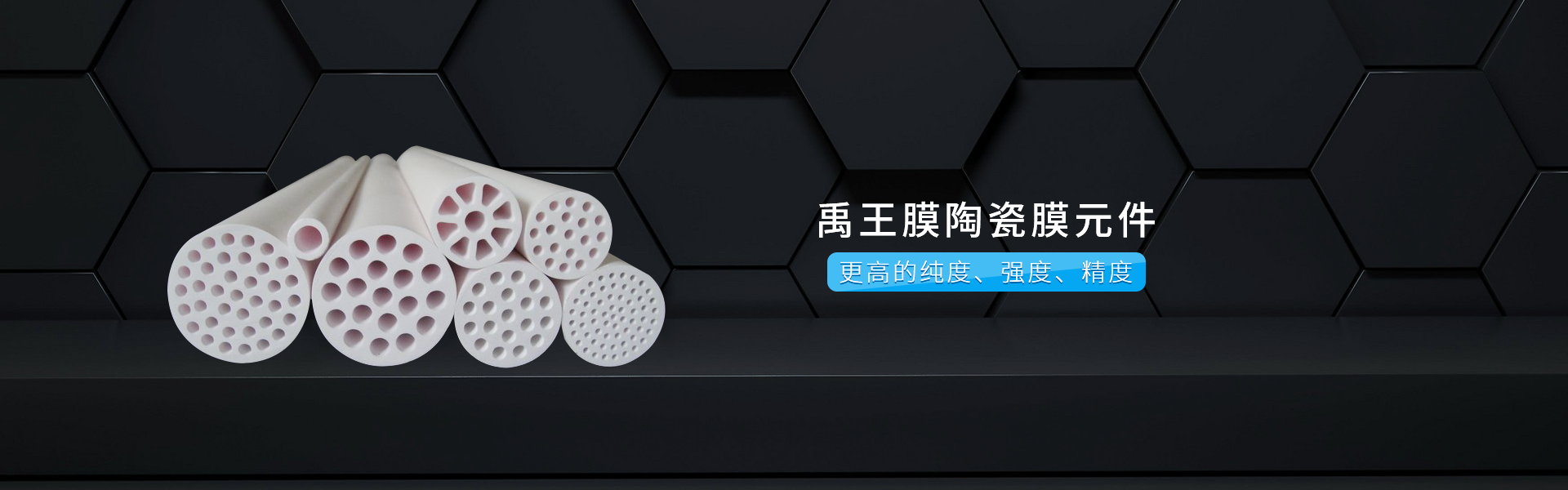
Ceramic membranes, also known as inorganic ceramic membranes, are precision ceramic filter materials with a porous structure, formed through high-temperature sintering of materials like alumina, titania, and zirconia. Their porous support layer, filtration layer, and microfiltration membrane layer are asymmetrically distributed. Inorganic ceramic membrane separation technology is a material separation technique based on the screening effect of porous ceramic media. It employs a dynamic crossflow filtration method that differs significantly from traditional dead-end filtration and filter cake filtration: under pressure, the raw material liquid flows at a certain velocity on the inner surface of the membrane tube, with small molecule substances (liquids) passing through the microporous membrane vertically, while large molecule substances (or solid particles) are intercepted by the membrane, achieving the purpose of separation, concentration, and purification of the fluid.
Ceramic membranes have been successfully applied in fields such as food, beverage, deep processing of plants, microbial fermentation, and fine chemicals. They are used in processes including separation, clarification, purification, concentration, sterilization, and salt removal.
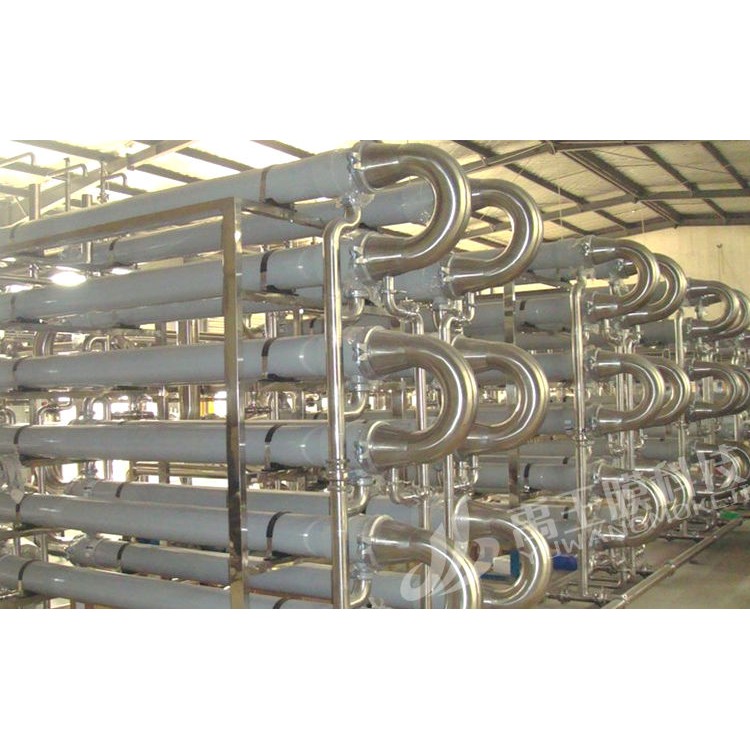
Ceramic membrane separation technology is a crossflow filtration process for fluid separation: raw liquid flows at high speed within the membrane tubes. Driven by pressure, the clarified permeate containing small molecular components passes through the membrane vertically, while the turbid concentrated liquid containing large molecular components is retained by the membrane, achieving the objectives of separation, concentration, and purification of the fluid.
Certain components in the treatment liquid adsorb the ceramic membrane pollution, depositing on the membrane surface or entering the membrane pores, even blocking the pores, significantly increasing the membrane's osmotic resistance.
The structure is a composite of a filter cake layer formed by suspended particles accumulating on the membrane surface, a scale layer formed by inorganic salts accumulating on the membrane surface, and an adsorption layer formed by colloidal substances or microorganisms adsorbing on the membrane surface. Under pressure, it becomes compact, and the overlap of dirt and the membrane forms a double-membrane structure.
Current cleaning methods for polluted membranes include physical and chemical approaches. Physical methods involve using fluid jets or mechanical action to remove dirt, typically including hydraulic methods, gas-liquid pulsing, backwashing, and recirculation cleaning. Chemical methods involve using chemicals to react with dirt for the purpose of removal. Common cleaning agents include acids, alkalis, oxidizers, surfactants, chelating agents, and enzymes.
Our ceramic membrane cleaning agent offers excellent cleaning performance, is environmentally friendly and safe, easy to transport, and can quickly penetrate into dirt to remove沉积污染物 such as metal sulfides and mineral derivatives. It is widely used in industries such as iron concentrate, zinc concentrate, sulfur concentrate, copper concentrate, nickel concentrate, molybdenum concentrate, lead concentrate, tungsten concentrate, manganese concentrate, vanadium concentrate, aluminum concentrate, gold concentrate, non-metallic concentrates, fine chemicals, papermaking, chemical fibers, food, and environmental protection.

Company Name
Hefei Yuwang Membrane Engineering Technology Co., Ltd.

Service Hotline
18919639863
Company Phone
13866740364

Company Address
Hefei City, Feixi County, Anhui Province, Shenzhen Road, Liandong U Valley, No. 3-2, Taohua Industrial Park
www.114global.com © Zhongshang 114 Hebei Network Technology Co., Ltd.Address: Room 6009, Oriental New World Center, No.118 East Zhongshan Road, Qiaoxi District, Shijiazhuang City, Hebei ProvincePlatform Service Hotline: 4006299930