














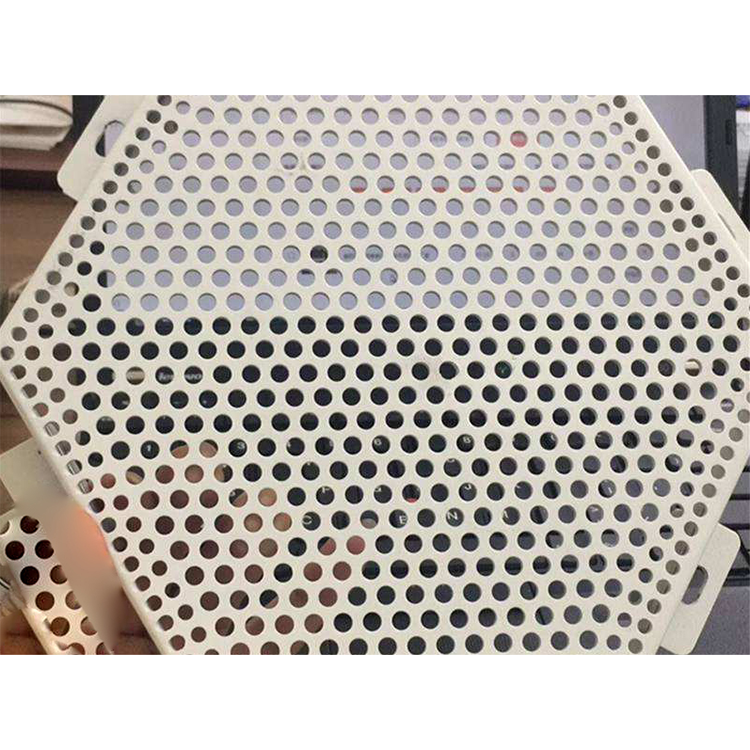


Aluminum Composite Panel
Aluminum composite panels are used for decorative facades both internally and externally, originating in the 1950s in Europe and America. Their unparalleled advantages in terms of aesthetics, weather resistance, and safety have made them wildly popular worldwide, establishing them as the recognized material for luxury building exteriors. Especially when paired with glass facades, aluminum curtain walls showcase even more distinctive characteristics, thereby providing architects with ample creative space. Aluminum composite panels are a highly popular, high-end decorative material for exterior walls in recent years. The base material for these panels is high-strength aluminum alloy sheets, commonly available in thicknesses of 1.5, 2.0, 2.5, and 3.0mm, with grades including 1100, 1060, 3033, and temper H24. Their construction primarily consists of the panel, reinforcing ribs, and corner codes.
Corrosion resistance
High KYNAR 500 resin content in the surface PVDF effectively resists acid rain, air pollution, and UV degradation, thus preventing discoloration and peeling.
No light pollution
Due to the matte finish of the fluorocarbon coating (with a luster of around 35), it scatters light, preventing light pollution. This offers a significant advantage over glass curtain walls.
Self-cleaning
Due to the unique molecular structure of KYNAR500 in the fluorocarbon coating, the surface is unable to hold dust, thereby exhibiting self-cleaning properties.
Colorful assortment
Fluorocarbon coatings are available in over 100 colors and can be customized to create special hues, fully catering to the unique color requirements of our customers.
Color variation
The color difference of aluminum composite panels is generally △E=2NBS. To better address the issue of color difference, our company has specifically introduced the world-class spray expert – Lancer's 260-meter full production line, which enables the three-coating process to be completed in one operation on the assembly line, ensuring ultra-flatness and zero color difference in our products.
Flatness
If the aluminum plate is larger in area, there may be issues with flatness. To better address this problem, our company guarantees to add one reinforcing rib per square meter (i.e., one reinforcing rib every 500-800mm).
High-tensile
Aluminum composite panels are made from corrosion-resistant aluminum-magnesium alloy sheets, offering high strength. Moreover, the use of welding techniques at the openings significantly enhances the rigidity of the aluminum panels, ensuring excellent wind resistance, seismic resistance, leakage prevention, and impact resistance for the curtain wall.
Flame retardant
Aluminum composite panels for curtain walls, being made of full aluminum sheets and PVDF coatings, are fundamentally non-combustible, offering an unparalleled advantage over aluminum-plastic panels.
Lightweight
The weight of aluminum single-panel curtain walls is only 1/10 of glass curtain walls and 1/20 of stone curtain walls.
Good shaping properties
Aluminum composite panels, due to the process of being processed before painting, are versatile in forming, allowing for bending, punching, rolling, and welding, enabling the creation of various geometric shapes. This satisfies the special requirements of architecture and design, fully reflecting the designer's concept, which is difficult for other materials to achieve in curtain wall construction.
High material usage rate
Aluminum-plastic panels and stone curtain walls have higher processing costs due to limited specifications, whereas aluminum single panels can be customized according to customer drawings without incurring additional processing costs.
Easy installation and construction
Aluminum itself has a low density, and since aluminum composite panels are pre-formed before installation, they are relatively easy and quick to install, construct, and replace. Although significant improvements have been made to the installation of curtain walls made from other materials, they still do not match the convenience of aluminum composite panels, and the installation costs are higher.
Aluminum composite panels are typically installed on exterior walls using the following methods:

Aluminum Composite Panel External Wall Construction Process

Technical Requirements for Aluminum Composite Panel Installation
After the aluminum panel and subframe are assembled, installation begins on the main frame. The density of panel joints is determined by design. Before installing the panels, two machine alignment lines should be pulled out on the frame to determine the joint positions. Use a less elastic line when pulling the lines to ensure the joints are neat. A layer of heat-sealed glue should be added at the contact points between the subframe and the main frame, and rigid joints are not allowed. After the panel positioning, insert the two legs of the bracket into the depression under the subframe on the panel, and then tighten the bolts on the bracket. The gap between aluminum panels is generally 10-20u, sealed with sealant or rubber strips, etc. Place a pad bar inside the overlapping joints.


















