


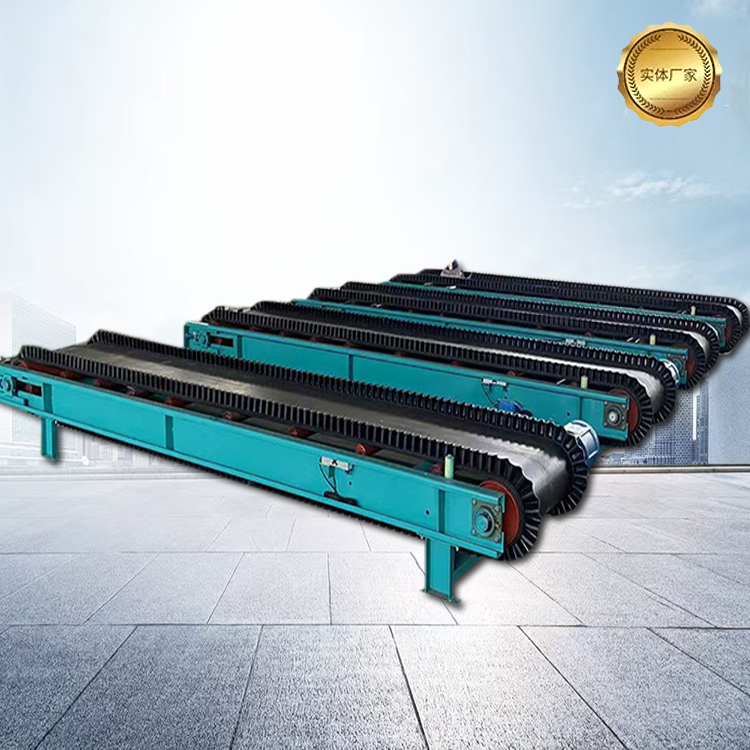


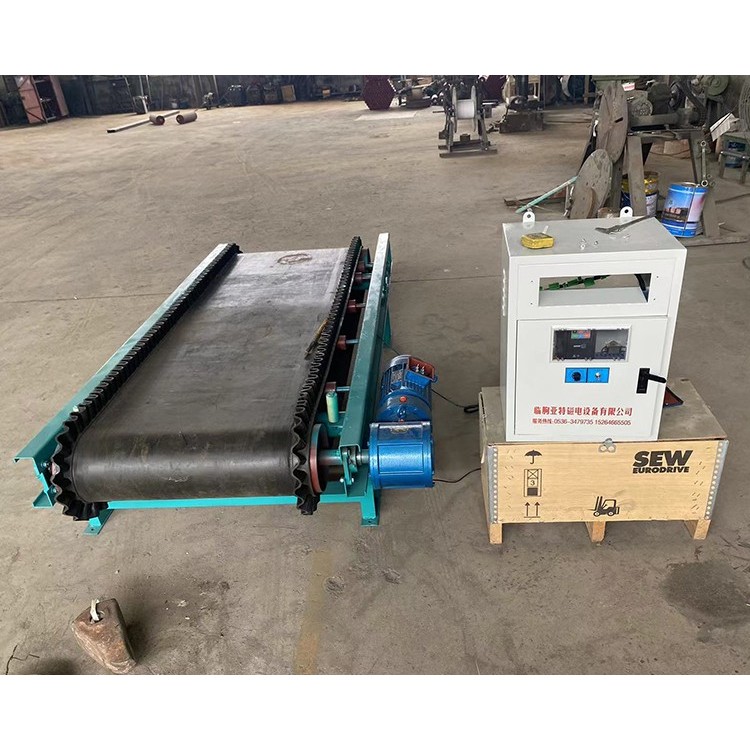

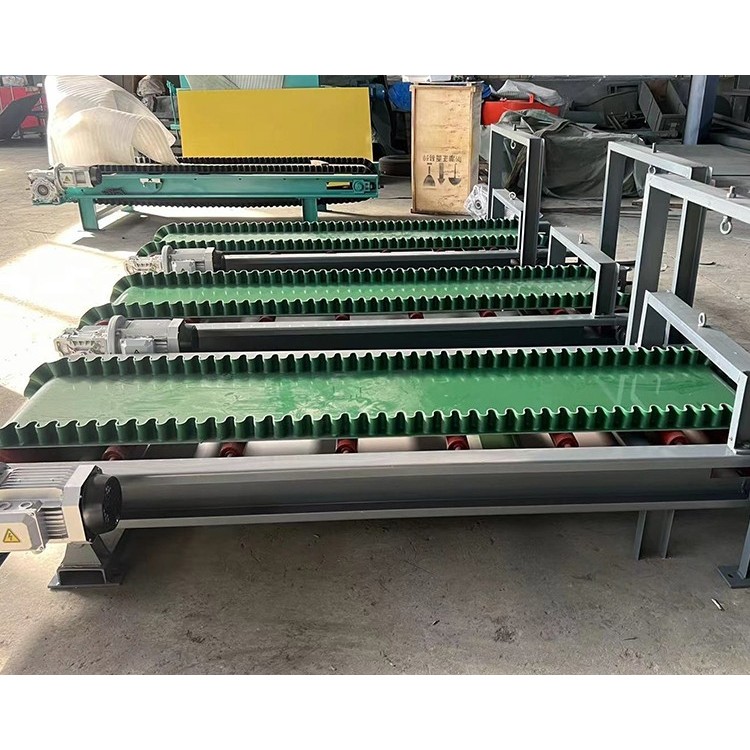













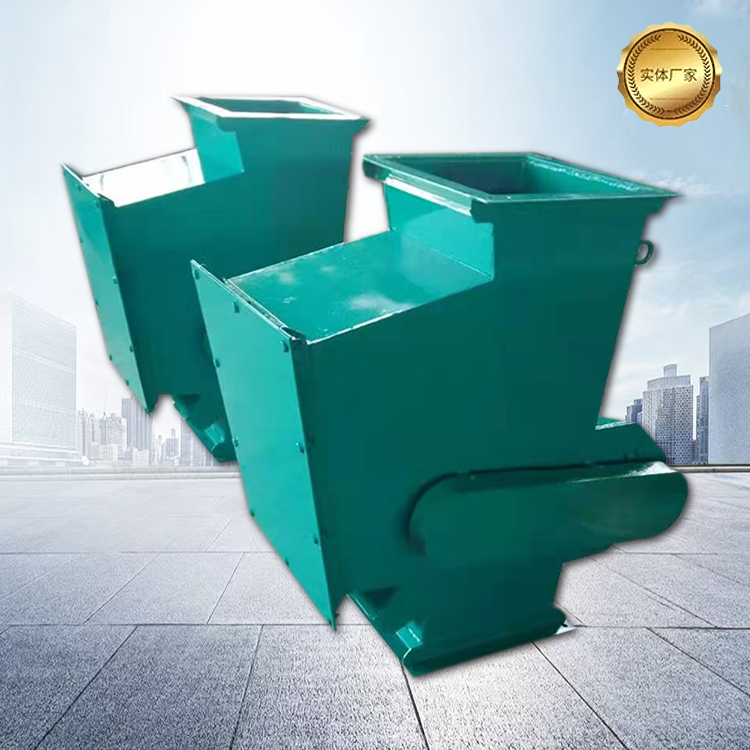


A batching feeder is a feeding system that integrates weighing and material quantity control, with distinct performance characteristics, widely used in industries such as building materials, metallurgy, power, and chemicals. Below is an overview of several key performance features of the batching feeder:
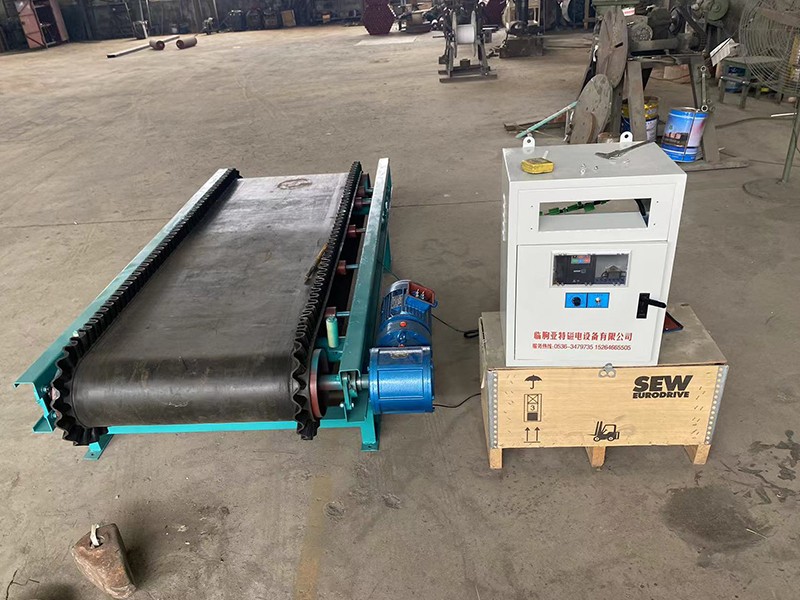
High Measuring Accuracy: The quantitative feeding machine utilizes precision sensors and an excellent control system, enabling continuous and dynamic weighing and feeding of materials. The measurement accuracy is generally ≤±1%, ensuring stability and accuracy in the production process.
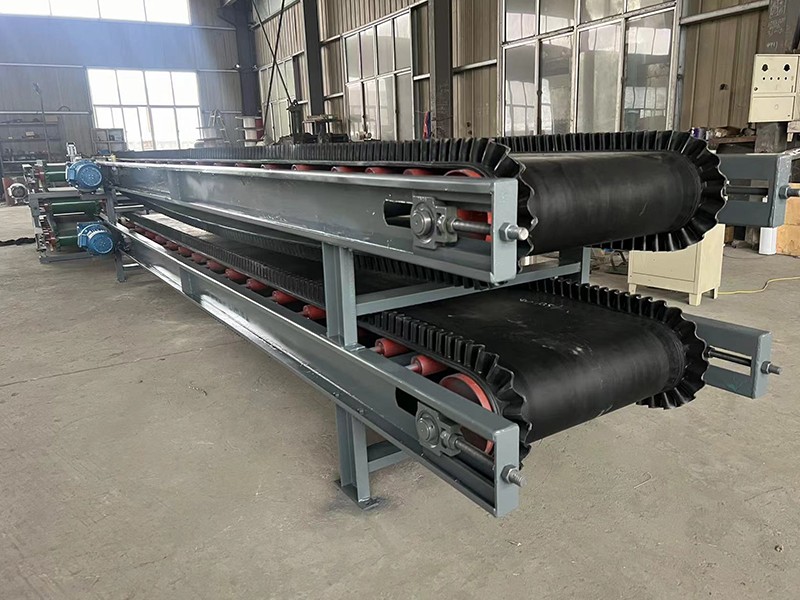
Intelligent Control: Equipped with intelligent control instruments and a supervisory software system, the equipment can monitor, analyze, and adjust feed rates in real-time, achieving automated operations. This intelligent design not only simplifies the operational process but also enhances production efficiency and product quality.
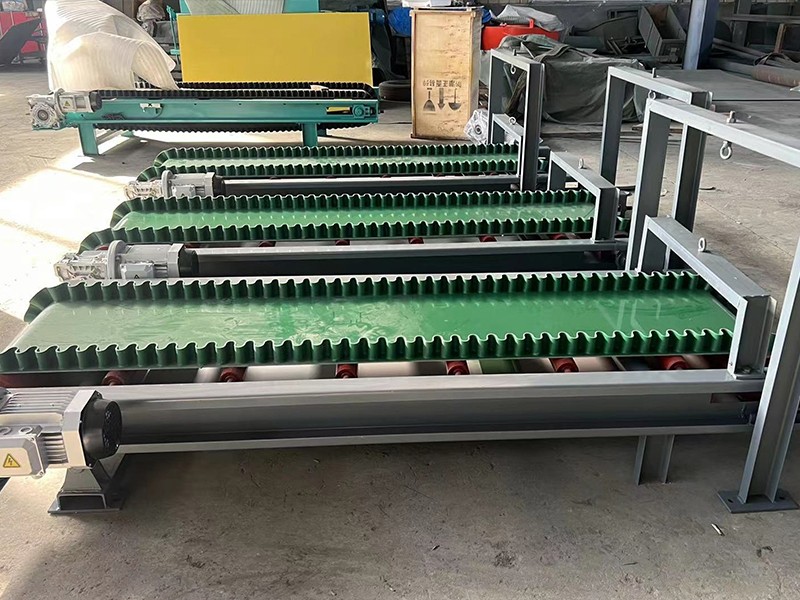
High Adaptability: The volumetric feeder is suitable for a variety of materials, including powdery, granular, and blocky bulk materials, meeting the production needs of different industries. Additionally, the equipment has a compact structure, good assembly, and is easy to maintain and service.
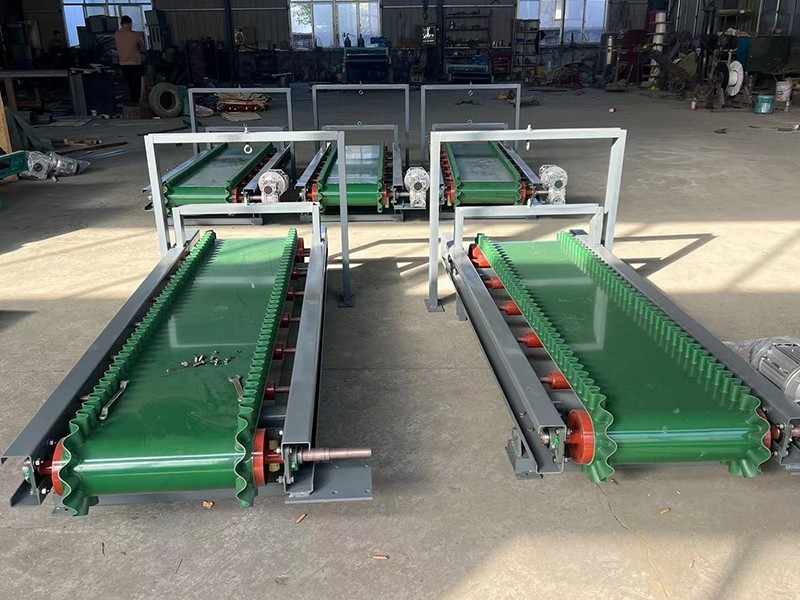
Good Stability: The metering feeder utilizes a high-rigidity box-type structure weighing frame and precision idlers, ensuring the stability of the equipment. Additionally, the machine is equipped with an automatic cleaning device and an automatic alignment mechanism, preventing material spillage and belt misalignment issues.
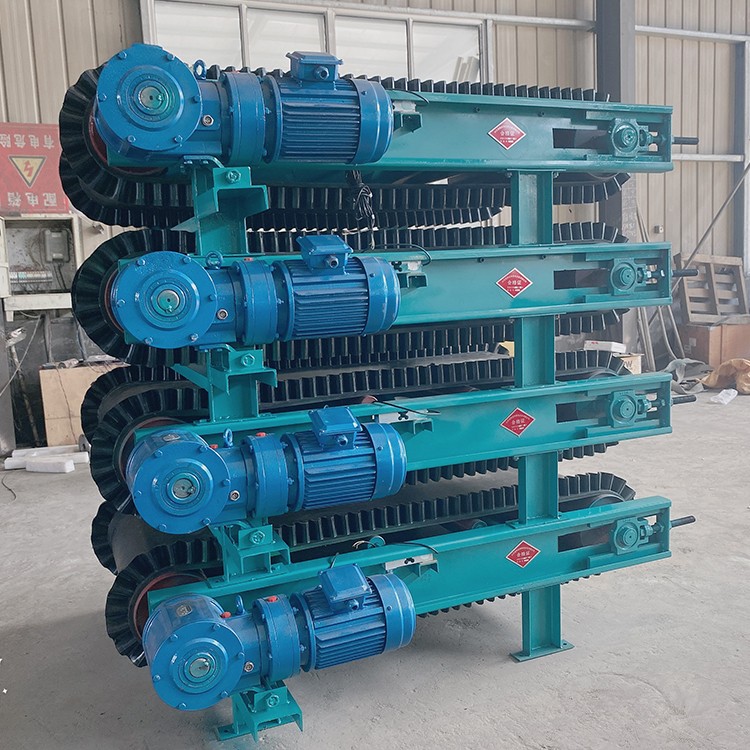
In summary, the quantitative feeding machine plays a crucial role in industrial production due to its precise measurement, intelligent control, high adaptability, excellent stability, and energy-saving and environmentally friendly features, which contribute to enhancing production efficiency, reducing costs, and strengthening production management.


















