
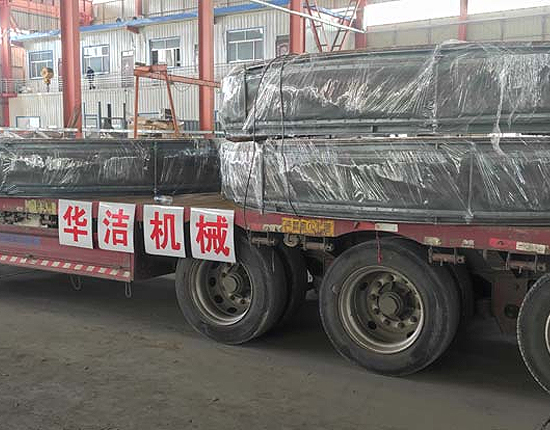

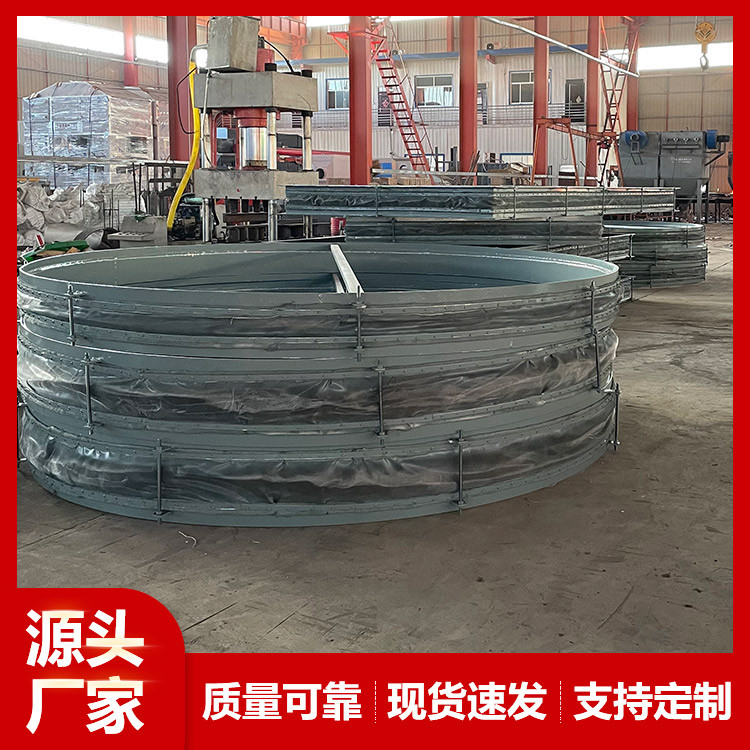













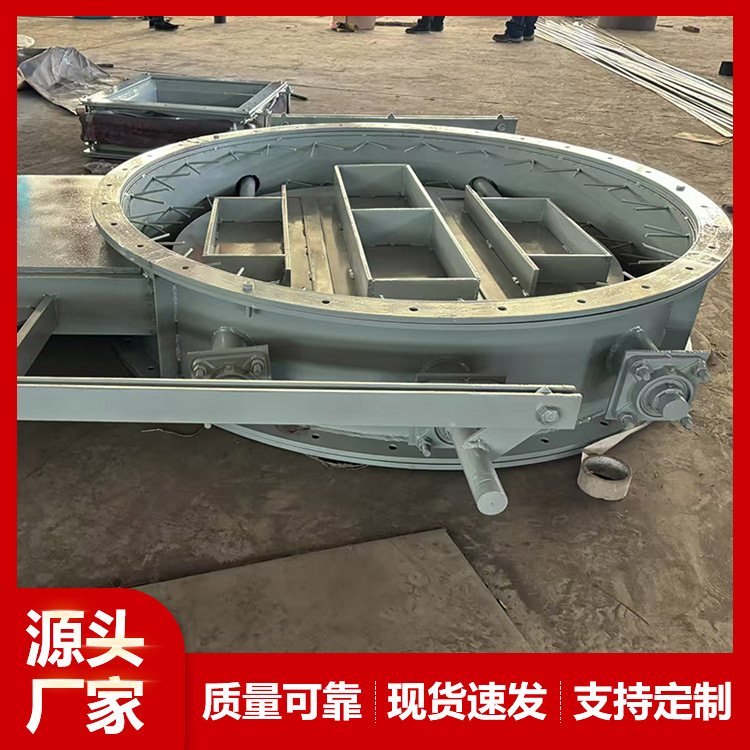
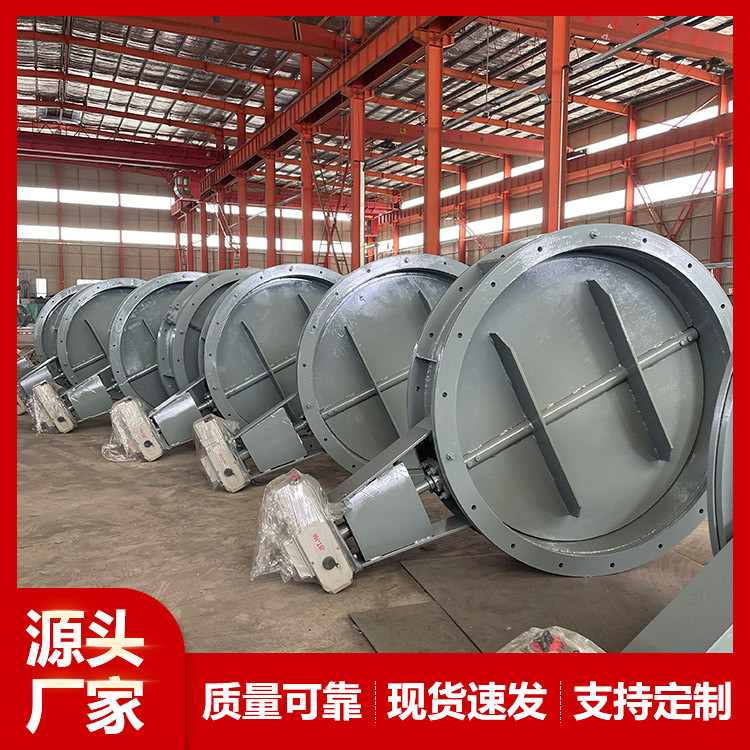
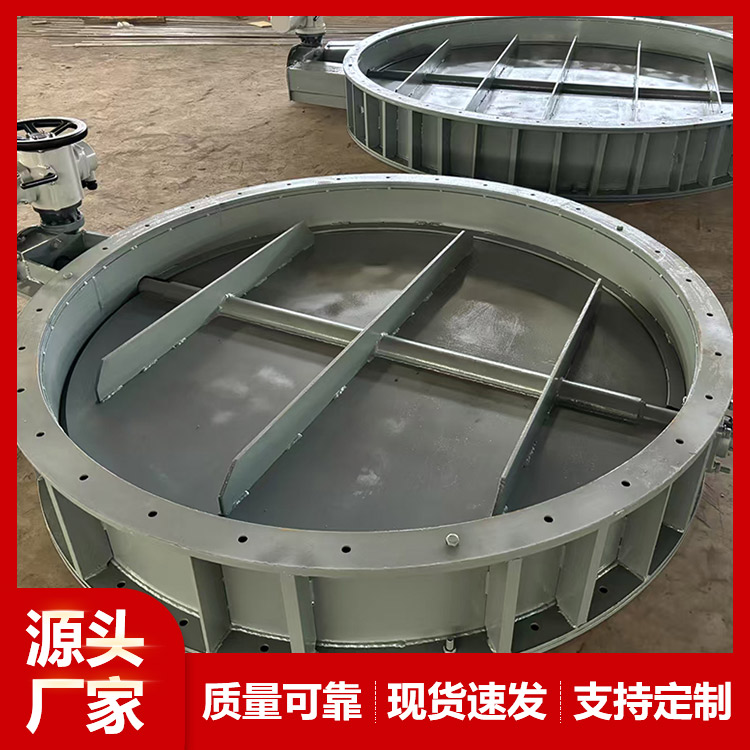
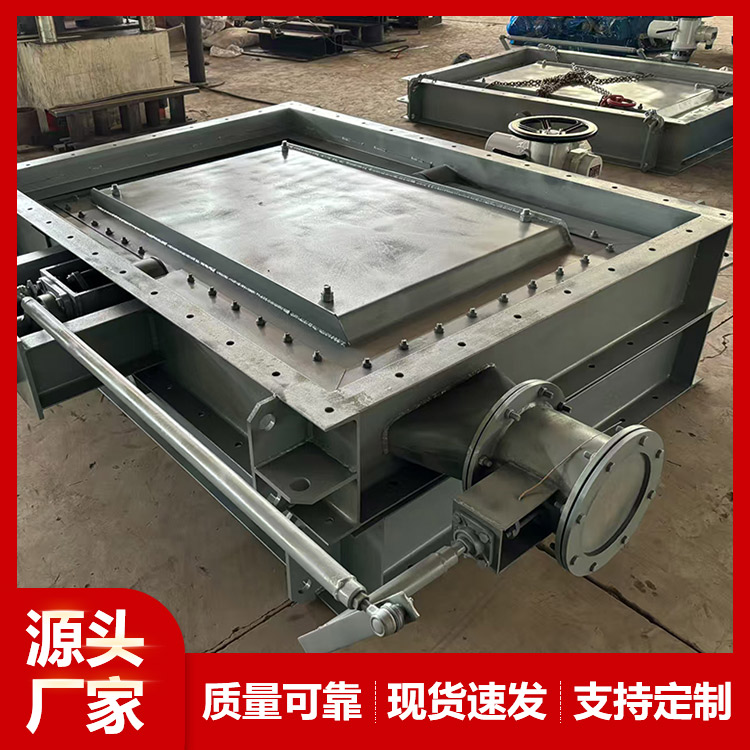
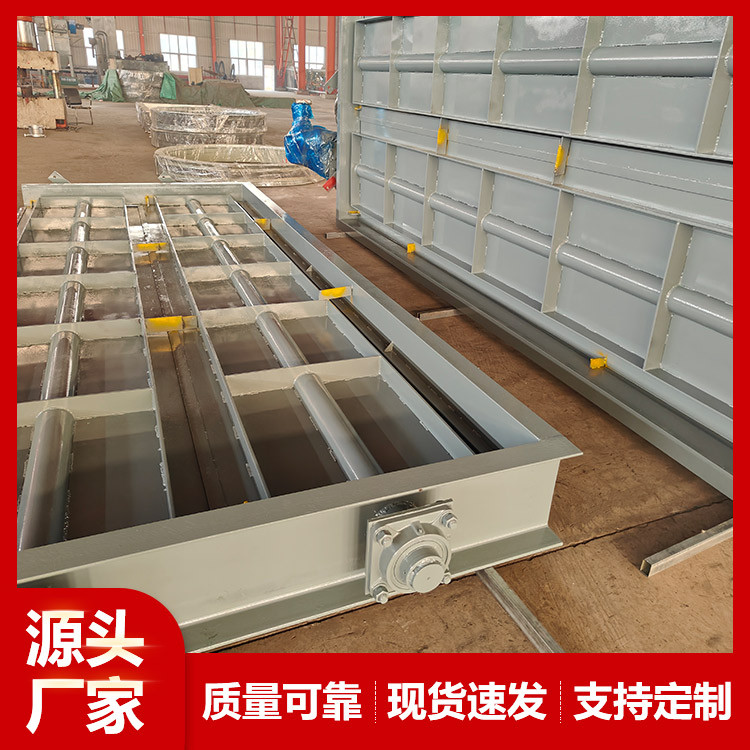

Non-metallic expansion joints come in several types, including rectangular, circular, square, and hemispheric, etc. They are composed of components such as the non-metallic expansion joint jacket (strip), metal frame, and transportation tie rods. The main material is made up of alkali-free glass fiber cloth, coated silicone rubber cloth, coated fluororubber cloth, and alumina silicate fiber cotton, capable of compensating for the vibration and displacement of fans, ducts, and pipe lines.
The main component of non-metallic expansion joints – the non-metallic expansion joint skin (ring belt) – is made of non-metallic materials, typically fiber fabrics, hence the non-metallic expansion joints are also known as fiber fabric compensators or fabric expansion joints.
Non-metallic expansion joints can compensate for multi-directional movement, featuring no thrust, simplified support design, high-temperature resistance, noise reduction and vibration damping. They are suitable for use in hot air ducts and dust pipelines.
Basic Structure of Non-Metallic Expansion Joints
1. Non-metallic Expansion Joint Skirt (Ring Band)
The non-metallic expansion joint bellows (hoop) is the main component, composed of coated fluororubber fabric or high-purity polytetrafluoroethylene fabric laminated with alkali-free glass wool and other multi-layers. Its function is to absorb the expansion amount.
2 Stainless Steel Wire Mesh
Stainless steel wire mesh serves as the lining for non-metallic expansion joints, preventing debris from entering the expansion joint in the flowing medium and stopping the insulation material within the joint from escaping.
Insulating棉
Thermal insulation cotton is composed of glass fiber fabric, high-silicon oxide fabric, and aluminum silicate fiber felt, with lengths and widths matching the outer skin. It boasts excellent extensibility and tensile strength.
4 Insulation Material Layer
The insulation material layer is a guarantee for the temperature resistance of the non-metallic expansion joint, composed of multi-layer ceramic fiber fabrics and other materials. Its thickness can be determined through heat transfer calculations based on the temperature of the flowing medium and the thermal conductivity of high-temperature materials.
5 Racks
The frame is the contour support for non-metallic expansion joints, ensuring sufficient strength and rigidity; the material of the frame should be compatible with the medium temperature. Carbon steel is generally used below 400°C, while stainless steel or heat-resistant steel is used above 400°C. The frame typically features a flange surface that matches the connected flue and air duct.
6. Barrier Plates
The baffle serves the purpose of guiding the flow and protecting the insulating layer. The material should be consistent with the medium temperature and should not affect the movement of the expansion joint.
WeChat Official Account

Scan to follow Official Account


















