

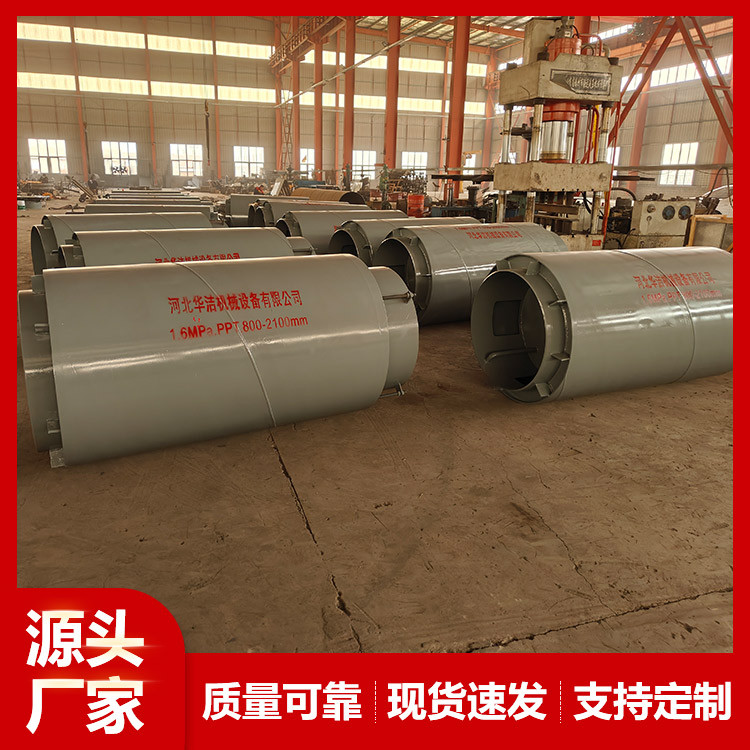













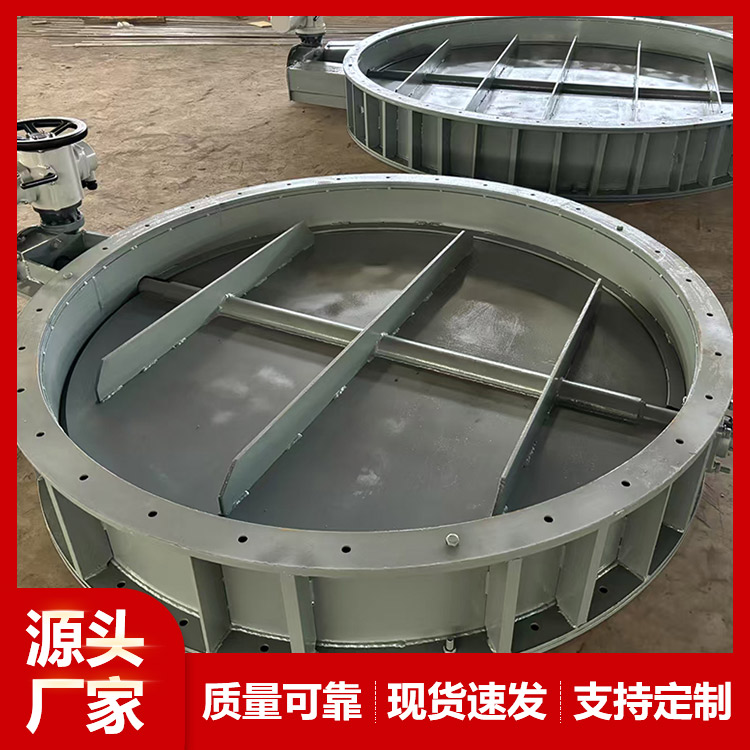
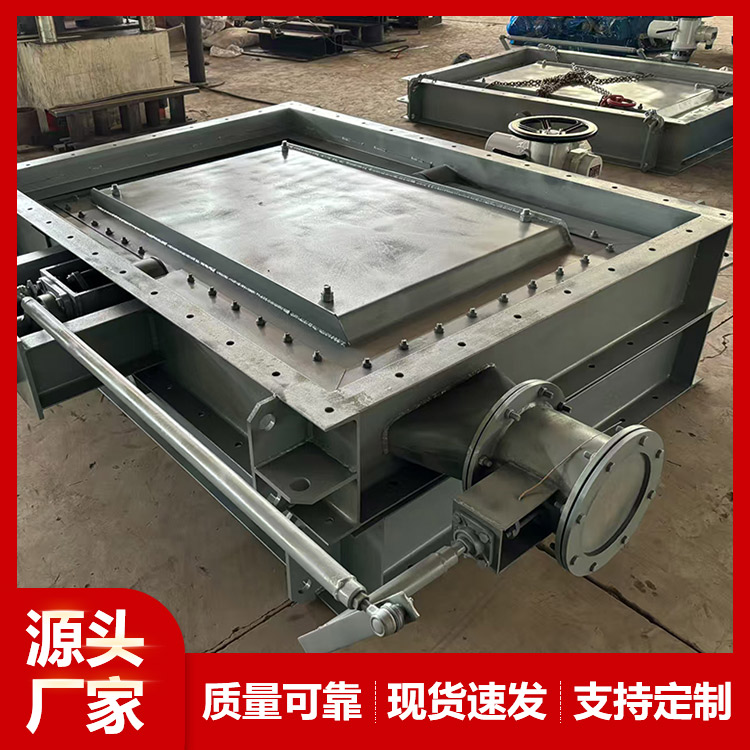
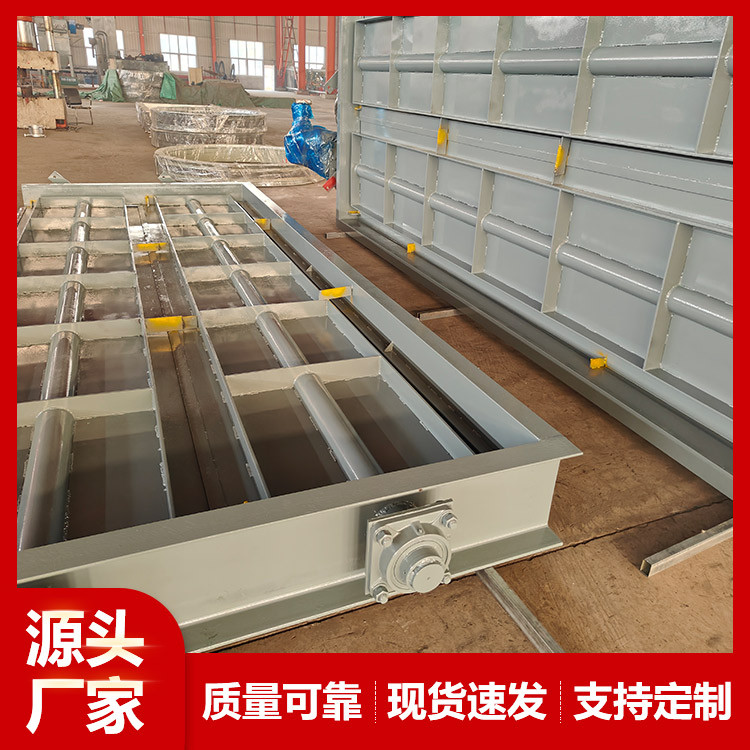

The Parallel Passage Pressure Balance Bellows Compensator (TPP type) has the ability to absorb internal pressure thrust, featuring good guidance, low product stiffness, and compact dimensions.
Connection Method:
1. Flange connection; 2. Pipe fitting connection
Installation Instructions for旁通Pressure EqualizationBellowsCompensator
Before installing the product, check the compensator's model and specifications to ensure they meet the design requirements of the entire piping system.
2. Only one bypass pressure equalization compensator can be installed between the two fixed supports.
3. The fixed bracket must meet the design requirements in strength to ensure the compensator is not damaged; the guide bracket must have sufficient guiding capability, otherwise it will affect the transmission of pipeline displacement.
4. Bellows compensators generally do not absorb torque, so it is not permitted for the compensator to be subjected to torque during installation.
5. For compensators requiring "cold shrinkage" compensation, the auxiliary components used for the preliminary deformation should be removed after the compensator has undergone preliminary deformation.
6. After the piping installation is complete, the auxiliary positioning mechanism and fasteners used for installation and transportation protection on the compensator should be immediately removed. Adjust the limiting device to the specified position as per design requirements to allow the piping to fully compensate under environmental conditions.
7. Besides pre-deforming to meet design requirements of tension or "cold shrink," it is strictly forbidden to adjust installation errors of pipelines by deforming bellows to prevent affecting the normal function of compensators. Otherwise, it may reduce their service life and increase the load on the pipeline system, equipment, and supporting structures.
8. The pipeline should be neutralized; in cases where no other methods are available to ensure this, the installation method of laying straight pipes, cutting them to equal lengths, and then fitting expansion joints can be employed.
9. The insulation layer should be applied to the exterior protective sleeve of the compensator, and insulation materials containing chlorine should not be used.
10. No welding slag is allowed to splash onto the surface of the corrugated tube during installation, nor is any other mechanical damage to the tube permitted.
11. The compensator allows system pressure testing up to 1.5 times the nominal pressure.
12. When conducting hydrostatic tests on compensators for gas media and their connecting pipelines, consider whether temporary supports are needed for the compensator's outlets during the filling process to bear the load.
13. Water used for hydrostatic testing must be clean, non-corrosive, and the chloride ion content must be controlled to not exceed 25 ppm.
14. After hydrostatic testing for products in the steam network, drain the accumulated water from the corrugated pipe.
15. During operation, the valves on pipelines equipped with compensators should be opened and closed gradually to prevent sudden changes in temperature and pressure within the pipeline, which could damage the supports or compensators.
16. Prior to the second operation of the steam network equipped with a water separator, the separator's draining device should be opened to expel condensate from the sleeve, and then securely fasten the water separator.
WeChat Official Account

Scan to follow Official Account


















