
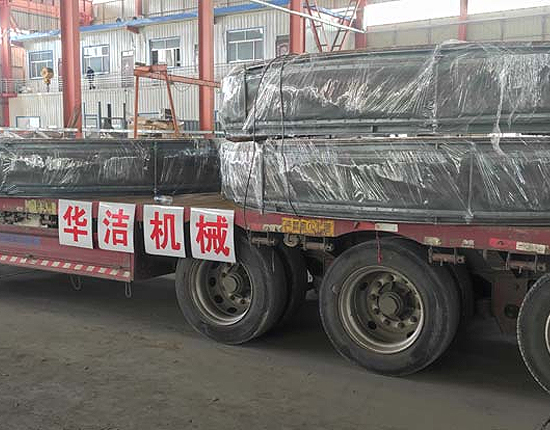

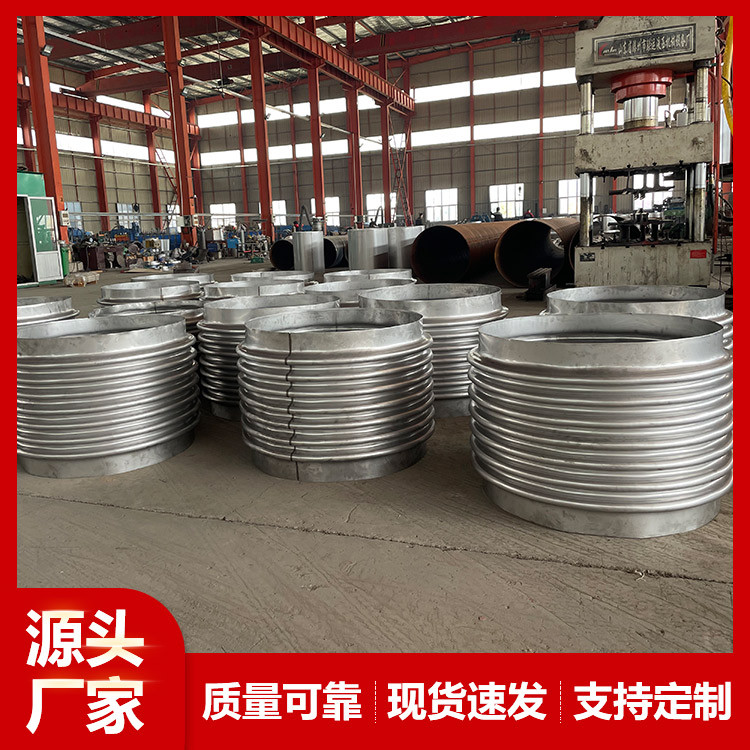













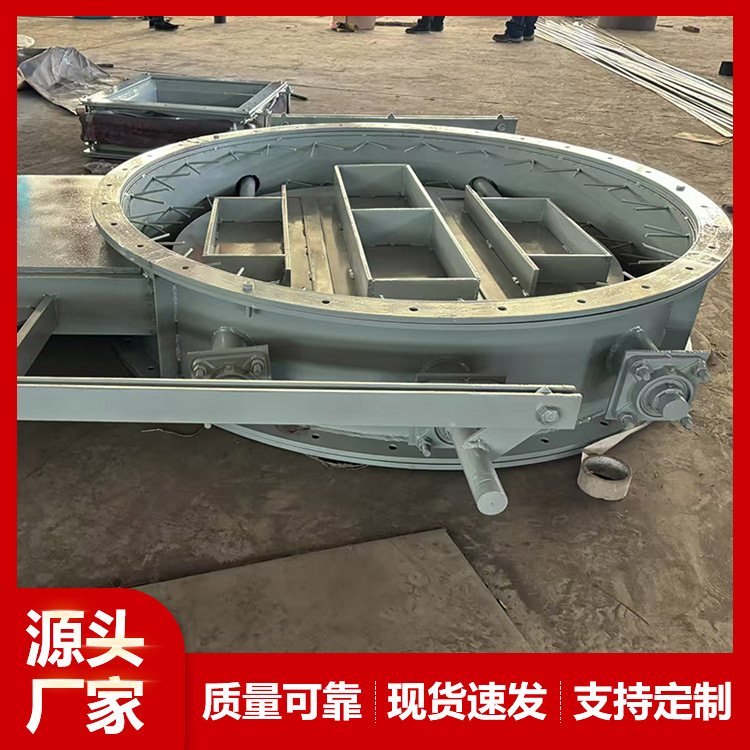
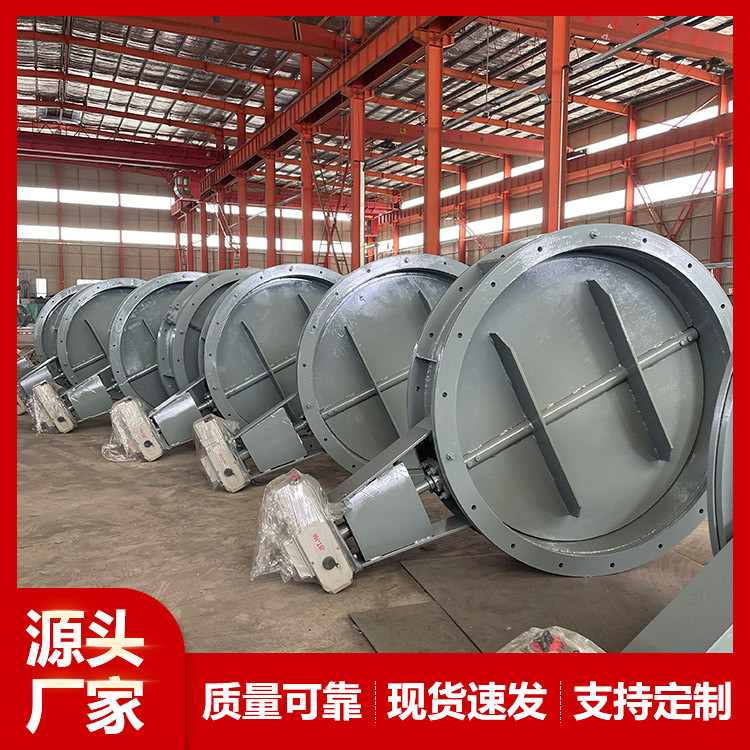
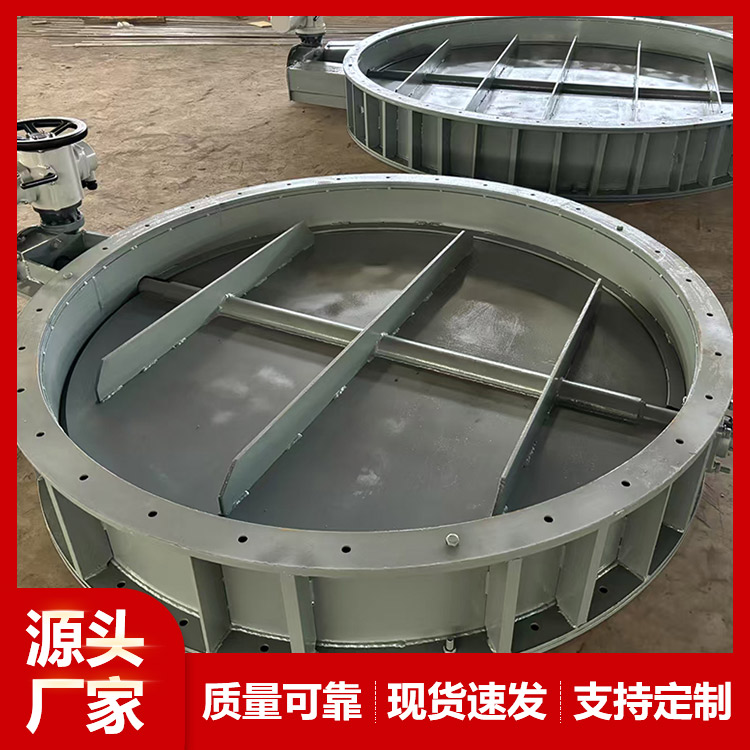
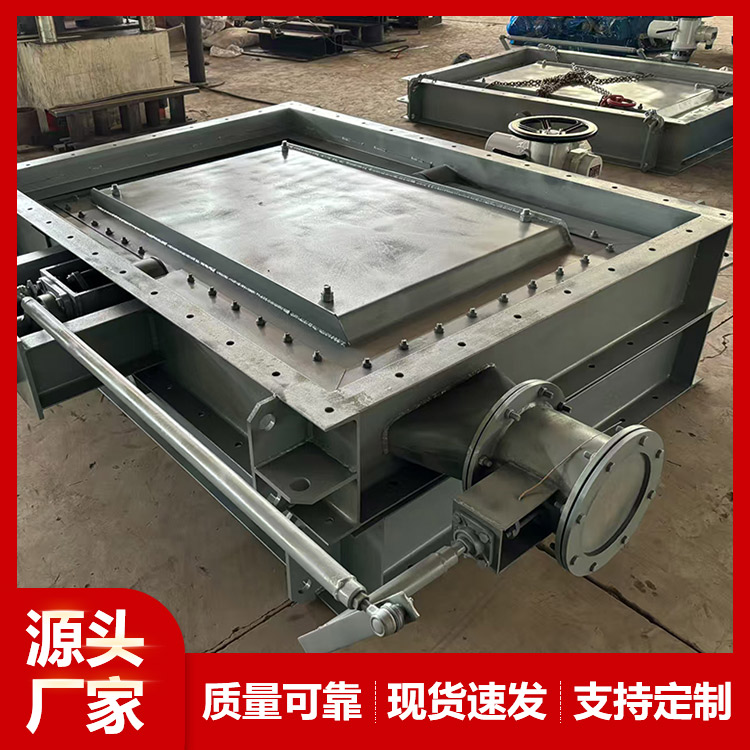
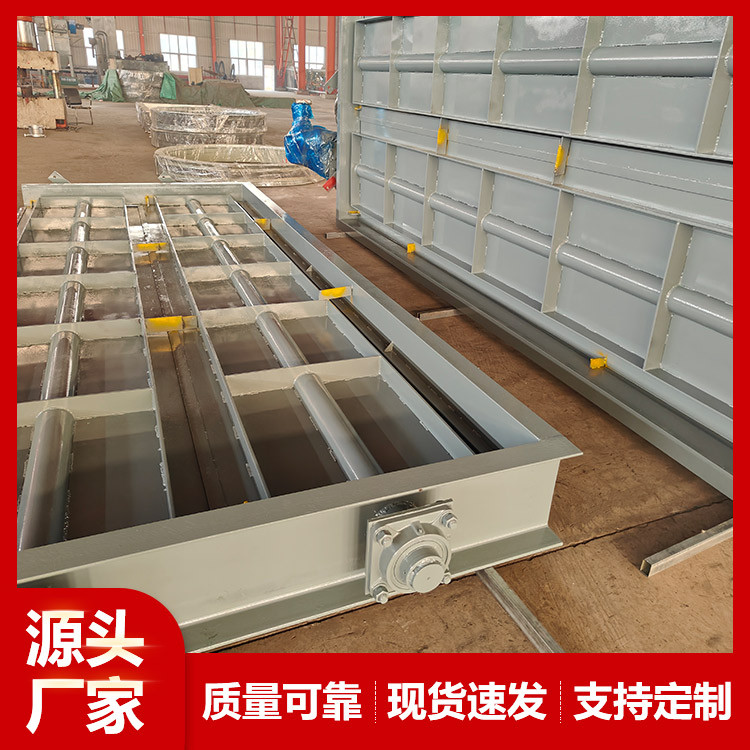

The high-temperature metal compensator is designed with a high-temperature structural configuration, comprising a main stainless steel metal bellows, guide plates, insulation layers, end pipes, tie rods, and connecting pipes (or flanges) that are welded together. Different high-temperature metals are selected based on the working temperature conditions, such as 316L stainless steel, 310S stainless steel, 309S stainless steel, and 321 stainless steel, etc. These materials can withstand temperatures over 1000°C, meeting the user's requirements for high-temperature resistance and service life of the compensator.
Due to the high-temperature metal compensator's requirement to withstand high temperatures, the high-temperature-bearing section is composed of two parts: spray coating, insulating bricks (installed by engineering pipeline construction), and thermal insulation layers (completed during product manufacturing). These are categorized by the direction of compensation: axial high-temperature metal compensators can compensate for the axial displacement of high-temperature pipelines; lateral high-temperature metal compensators can compensate for the lateral displacement; angular high-temperature metal compensators can compensate for the angular displacement of high-temperature pipelines. Additionally, custom high-temperature metal compensators of other models can be tailored to meet customer needs.
High-temperature metal compensators are designed for high-temperature pipelines in the steel and cement industries, suitable for the third wind pipelines in the cement industry and other high-temperature medium applications. They operate at temperatures above 1200°C, are easy to install and use, and ensure pipeline safety while extending the service life of the pipelines.
High Temperature Metal Compensation Fitting Product Features:
Compensate for the thermal expansion of the pipeline.
2. Low-noise and energy-efficient, effectively reducing equipment noise and vibration.
3. Avoid using large supports for piping and equipment on the project to save a significant amount of materials and labor, and enhance the safety of the equipment and system.
4. With the ability to withstand high temperatures, corrosion, and密封 performance.
5. Easy installation, quick replacement, and minimal time required.
WeChat Official Account

Scan to follow Official Account


















