

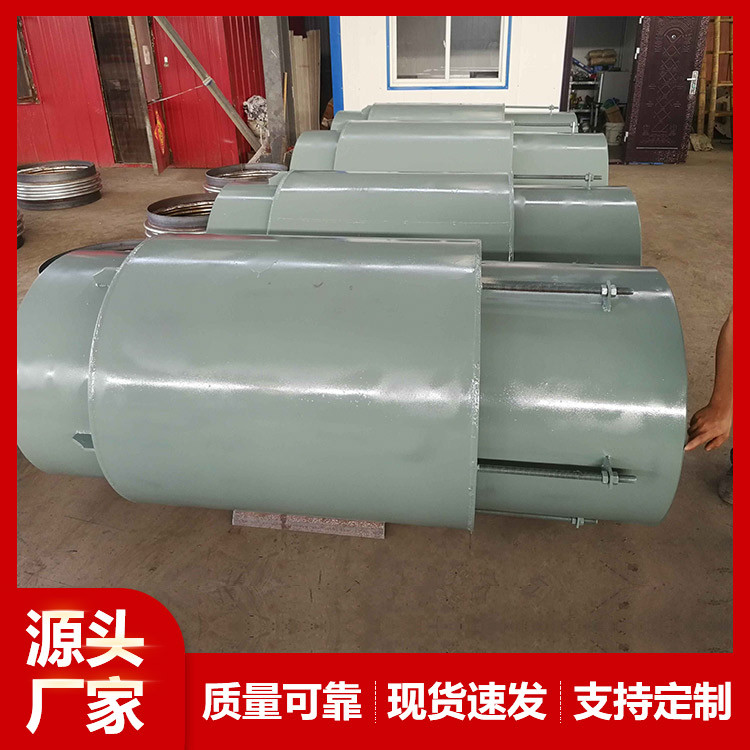













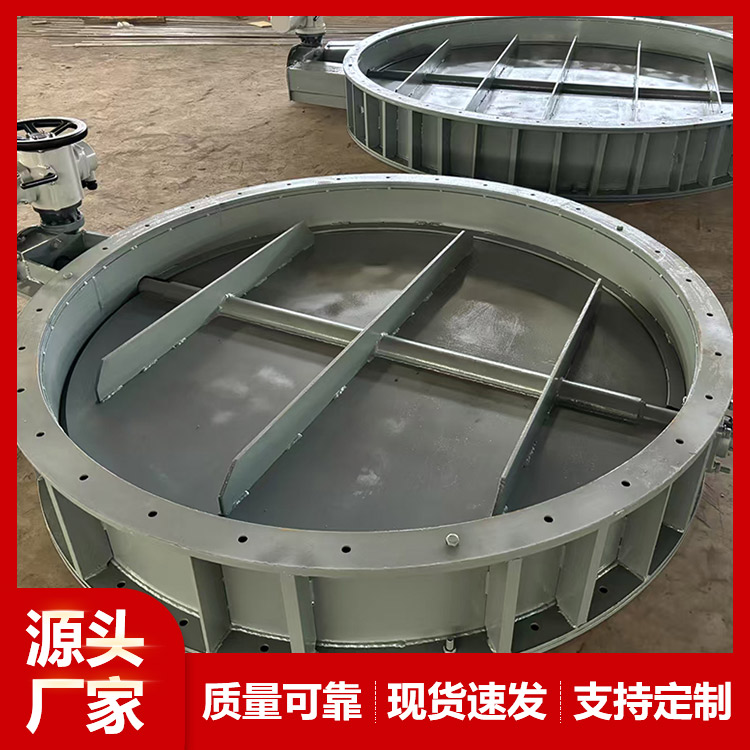
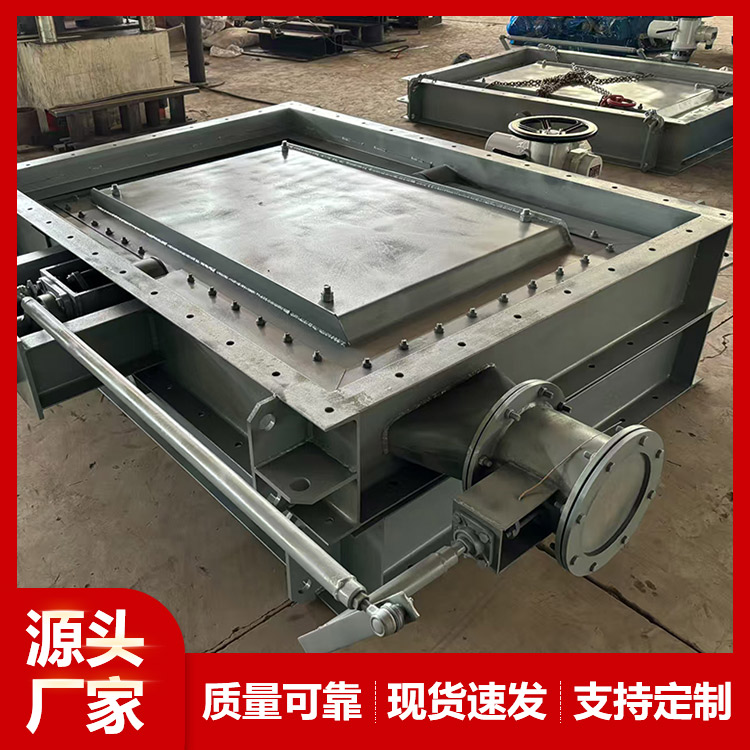
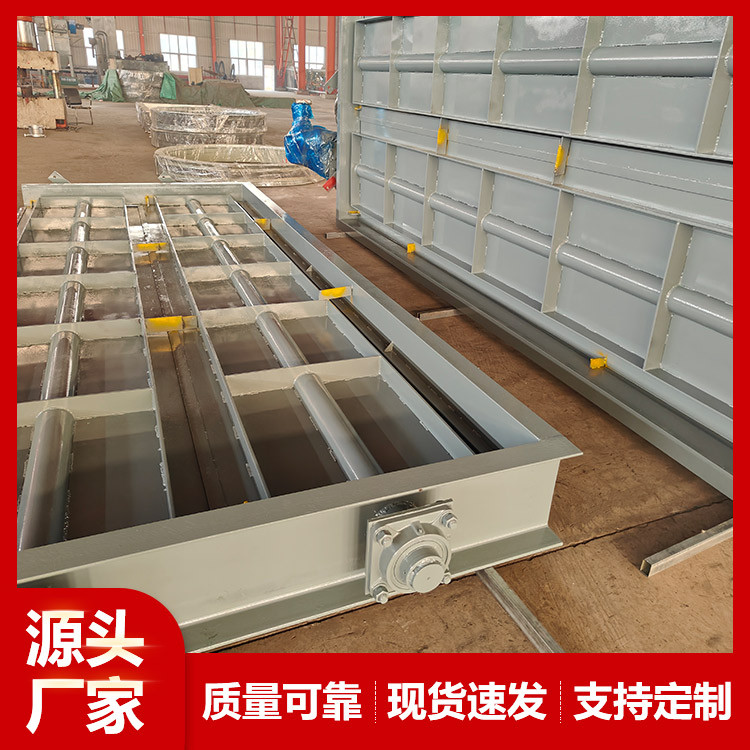

Direct-burial compensator, also known as underground compensator, is primarily used for axial compensation of buried pipelines, featuring bending resistance, thus the impact of pipeline settlement is not considered.
When in use, it is important to note that the buried bellows compensator requires only one bellows compensator to be installed between the two fixed supports. The calculation of the compensator's force on the supports is the same as that for a single bellows compensator. This is due to the buried bellows compensator's ability to achieve compensation on the pipeline and its simple installation features.
Its bellows are made of 1Cr18Ni9Ti stainless steel, suitable for installation on pipes operating at temperatures below 350℃ and pressures between 0.25~25MPa, with nominal diameters of DN100~600mm. However, the most commonly used are the three pressure classes of PN0.2, 0.5, and 1.0MPa, for pipes with diameters of DN50~500mm.
To reduce the flow resistance of the medium, minimize erosion under high-speed flow conditions, or to reduce resonance due to wave patterns, a compensator with an inner sleeve should be used when the nominal diameter DN is 150mm or more, and the gas (or air) velocity v is 8m/s or the liquid velocity v is 3m/s or more.
Direct-burial type compensators are available for customization according to customer requirements.
WeChat Official Account

Scan to follow Official Account


















