









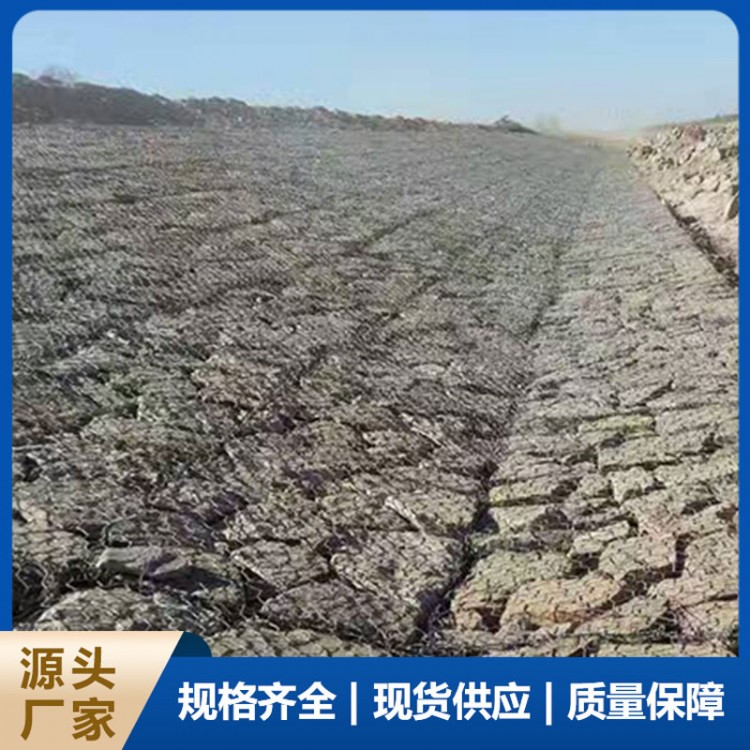
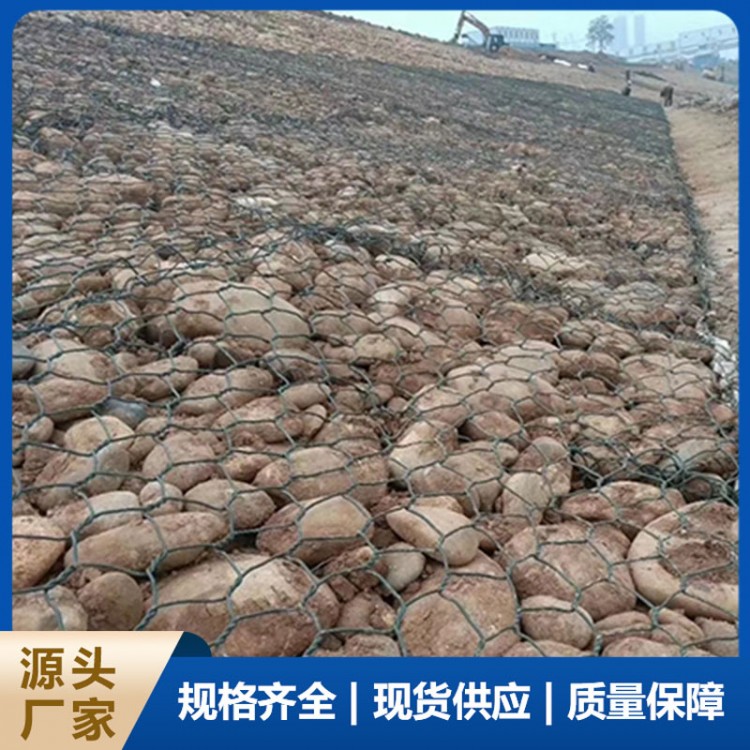
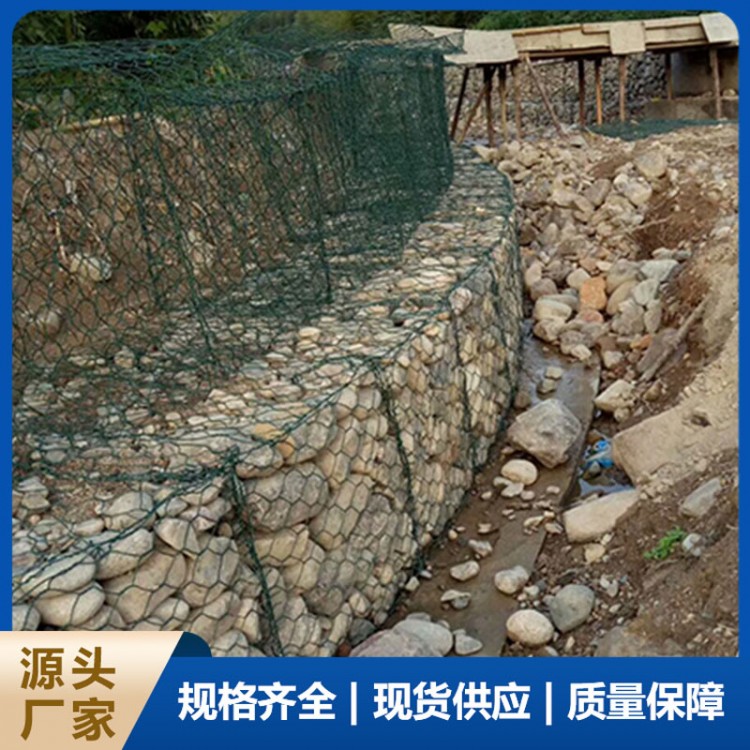
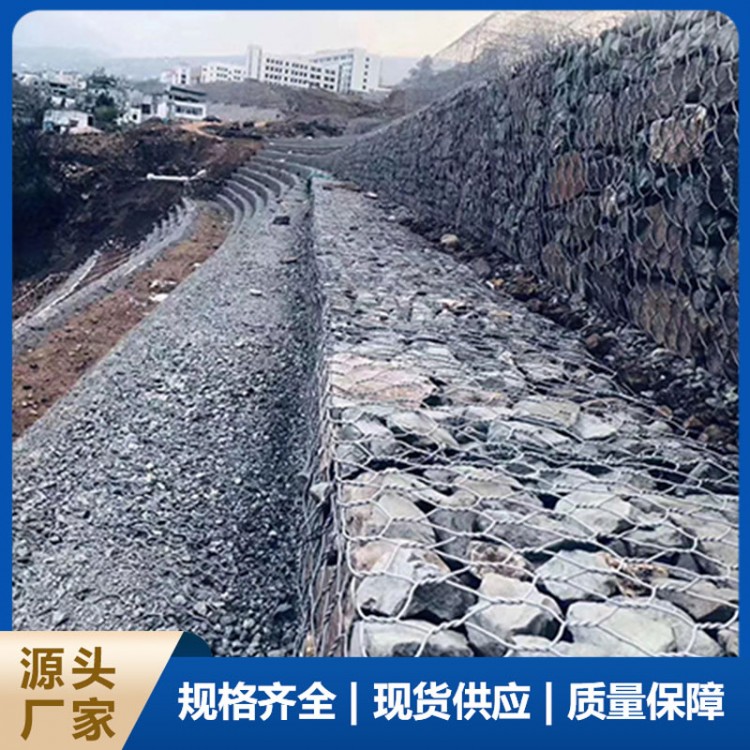
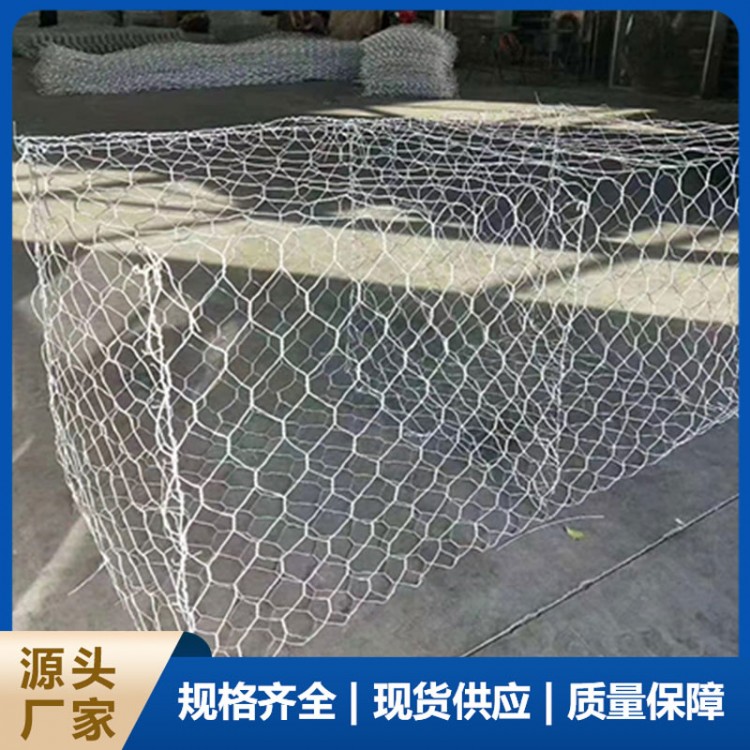
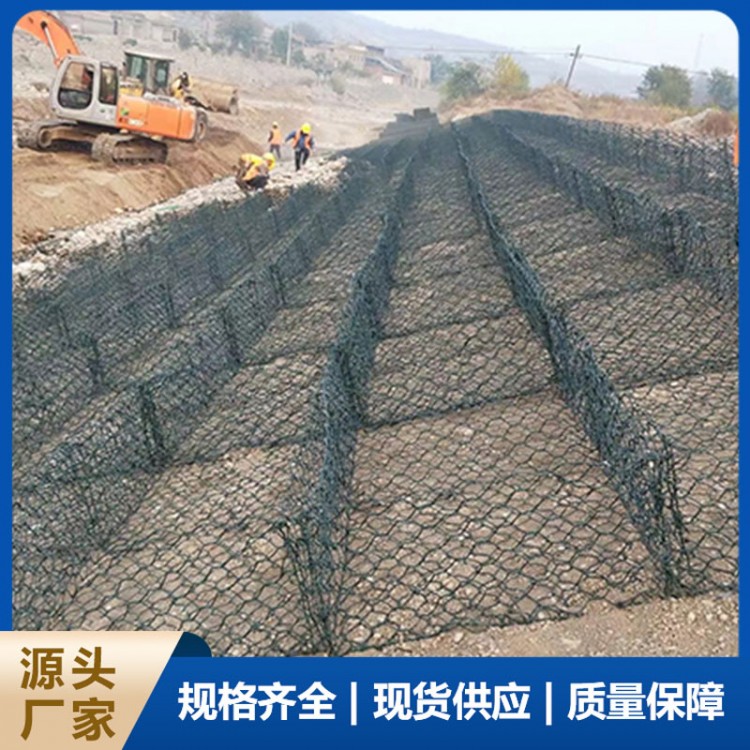
To mitigate uneven settlement at the junction of the new and old roads, this project will add pavement reinforcement mesh between the subgrade and the sub-subgrade at the junction of the new and old roads (specific location as per the pavement design drawings).
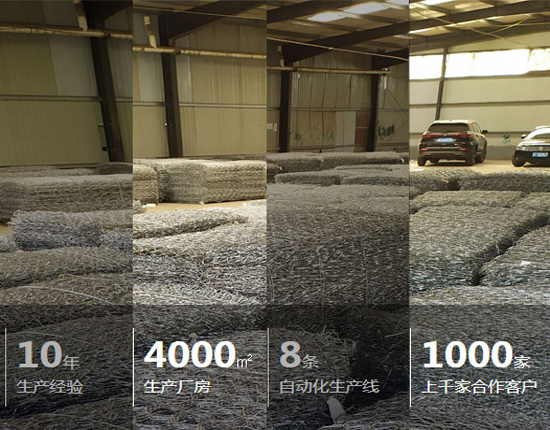
Reinforcement meshes are made from a double twisted metal mesh surface, with transverse reinforcing bars woven into the mesh at an approximate spacing of 16cm. The roll length of the road reinforcement mesh is 25m, with a roll width of 3-4m; both length and width can be customized. Galvanized steel wire products are used to prevent corrosion of the road reinforcement mesh.
Key Performance:
As a new type of metal reinforcement material for road surfaces, the wire mesh fully utilizes its high tensile strength and low strain, as well as the interlocking effect between the mesh surface and aggregates. It absorbs existing cracks and tensile stresses generated by traffic loads, delaying crack propagation, reducing bending deformation, and enhancing the road surface's ability to resist reflective, thermal, and fatigue cracks. Simultaneously, it effectively reduces the rutting and sliding effects caused by vehicle loads, strengthening the road surface's bearing capacity. This, in turn, improves the road's usability and extends its lifespan. The wire mesh forms an open three-dimensional structure, interlocking with asphalt aggregates to prevent the formation of soft interlayers. This interlocking promotes load transfer to the reinforcing structure, distributes load stresses, and increases the road surface's fatigue life. Each wire is combined with the surrounding asphalt to form a cohesive unit, composed of approximately 95% asphalt mixture. As a continuous aggregate base, it effectively plays a role in tensile crack prevention. The wire mesh exhibits low creep characteristics, providing tensile strength instantly when the road structure is under tension, preventing cracking due to creep.
WeChat Official Account

Scan to follow Official Account