








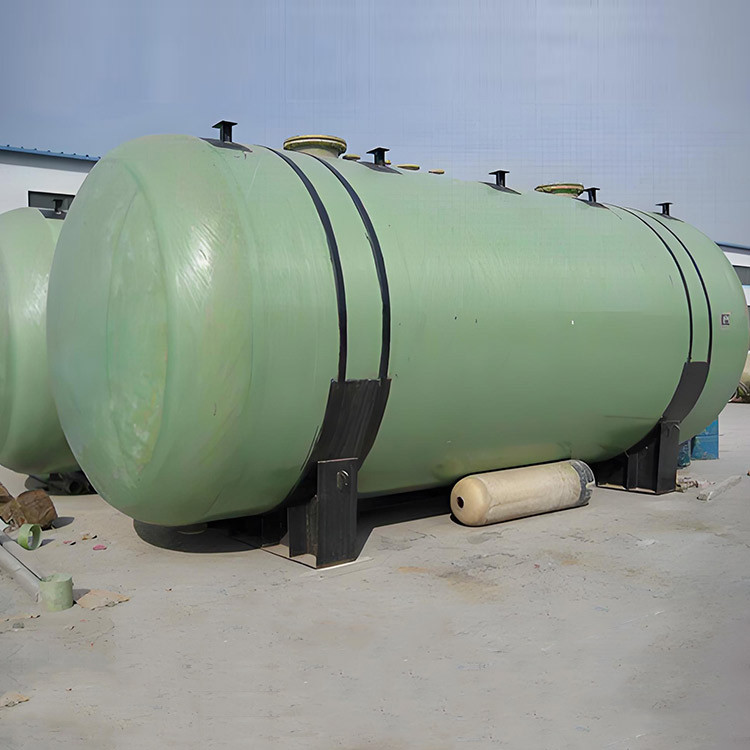

Fiberglass Reinforced Plastic (FRP) Process Gas Pipeline
1. Glass-Fiber Reinforced Plastic (GRP) process pipelines offer corrosion resistance: different types of lining resins for corrosion prevention can be chosen, making them suitable for various acids, bases, salts, and multiple oils, seawater, and organic solvents.
2. The pipeline operates at temperatures below 180°C, featuring lightweight construction, simple maintenance, and high durability.
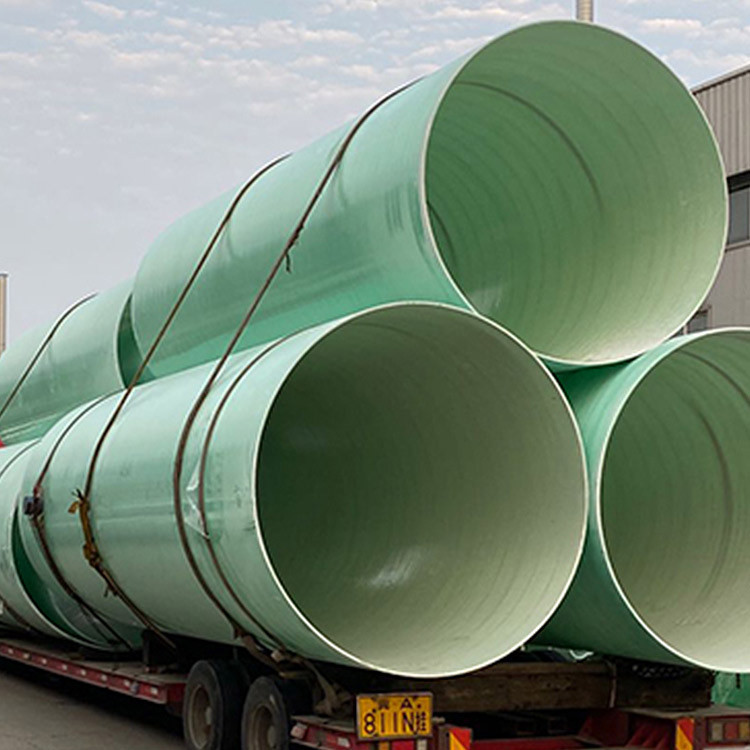
3. Easy Installation: FRP pipe length is not technically limited, but for transportation considerations, the length is generally within 12m. This significantly reduces the number of joints required. Due to the light weight of FRP, manual or light-duty installation equipment can be used, making the installation process more convenient and quick.
4. Strong Product Suitability: Our glass fiber reinforced plastic (GRP) pipes are available in standard sizes ranging from 25mm to 4000mm in diameter. The long-term pressure resistance typically exceeds 1.6Mpa. For special customer requirements, higher pressures up to 6.4Mpa or more can be achieved.
5. High conveying capacity: The inner wall of the pipeline is smooth with N≤0.0084. It offers higher flow capacity than traditional materials of the same diameter, saves pump energy, and prolongs the service life of the project and equipment.
6. Low Permeation Rate: Due to excellent seal connections and longer pipe lengths, glass steel pipes have a lower permeation-exudation rate compared to traditional materials, significantly reducing the penetration of groundwater into the pipes and lessening the pollution of soil and groundwater caused by medium exudation.
7. Rigorous Inspection Standards: The company is equipped with AXJ inspection equipment and strictly adheres to inspection standards to ensure product quality. Standards followed include ASTM, AWWA, ASME, etc.
8. Low life cycle cost, due to the longer service life, minimal maintenance, and lower installation and transportation costs of glass fiber reinforced plastic products, resulting in a lower life cycle cost from an overall economic perspective.