
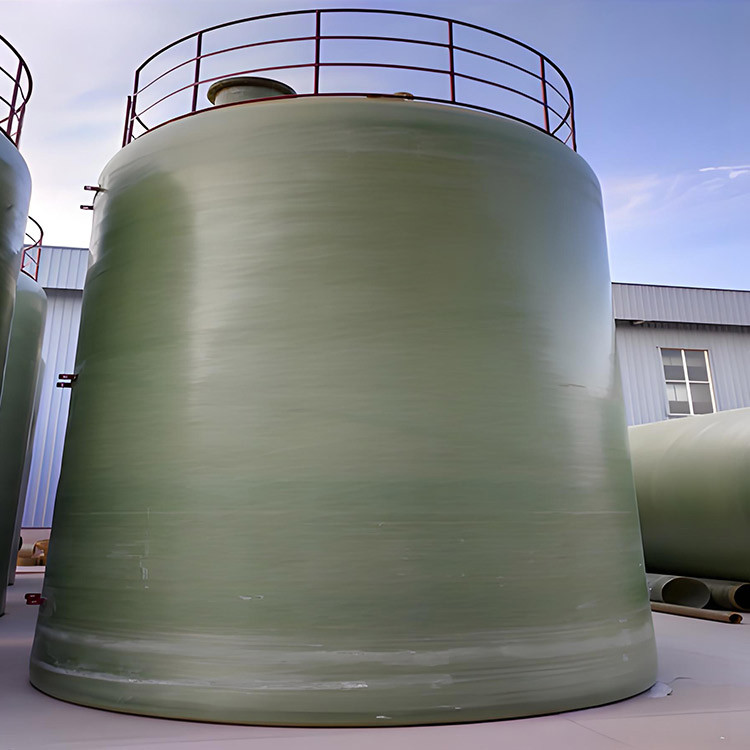



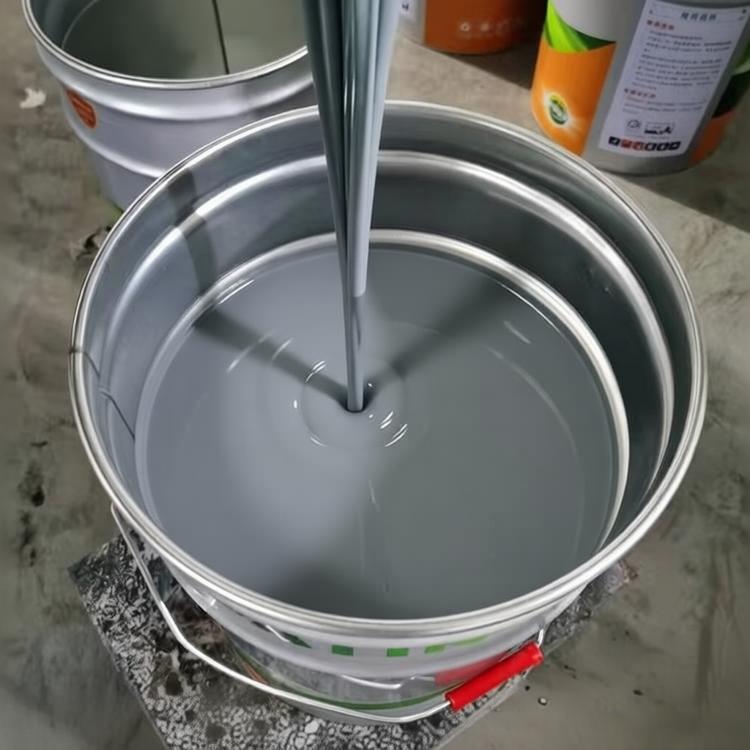





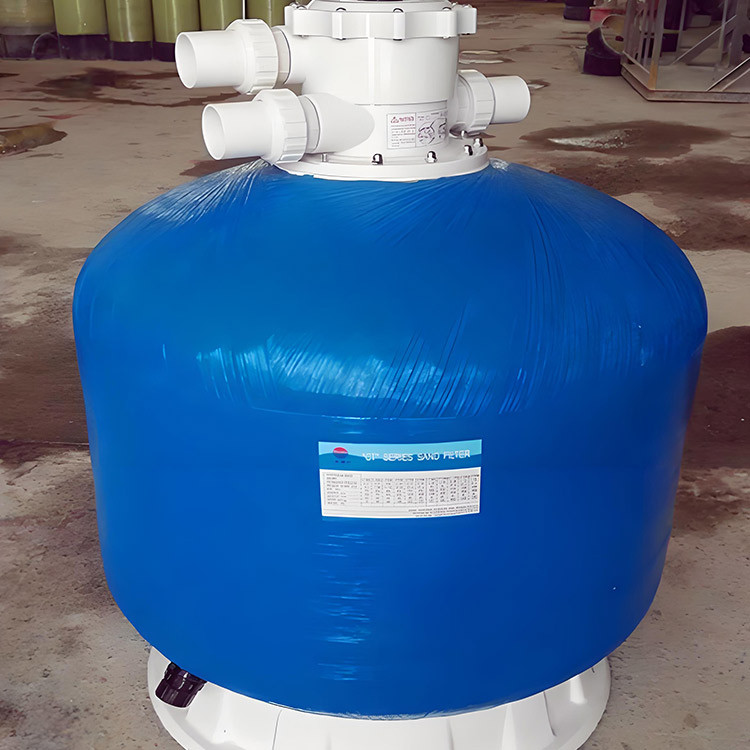
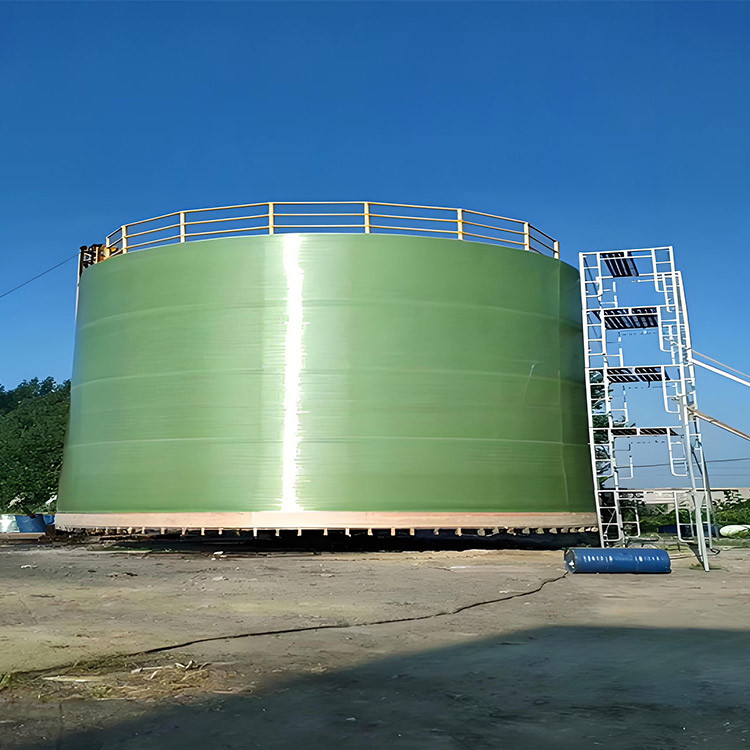
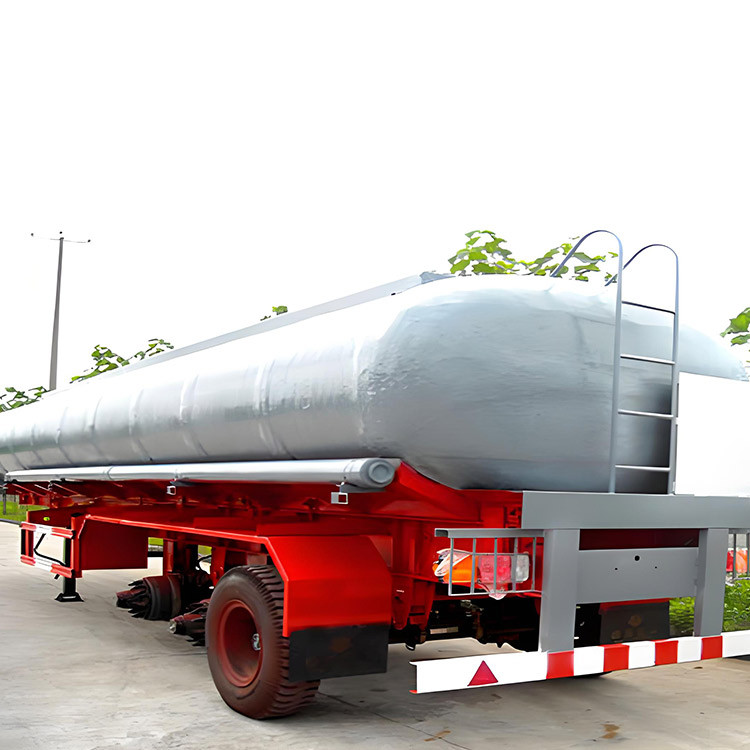
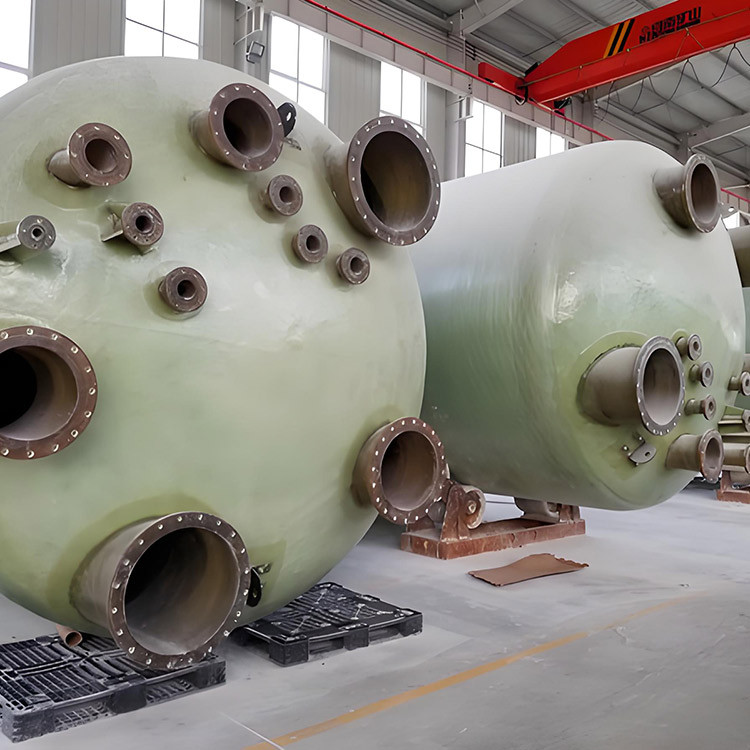
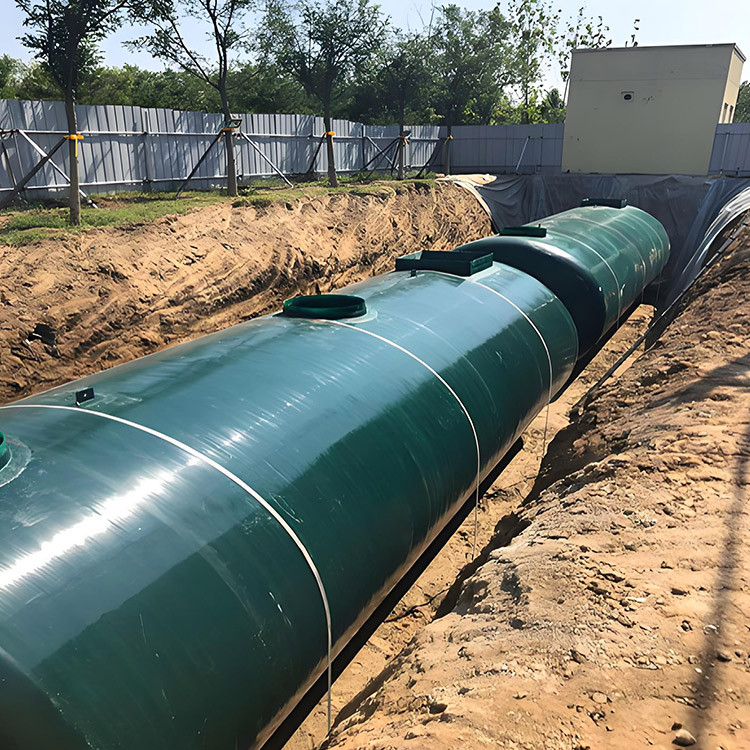
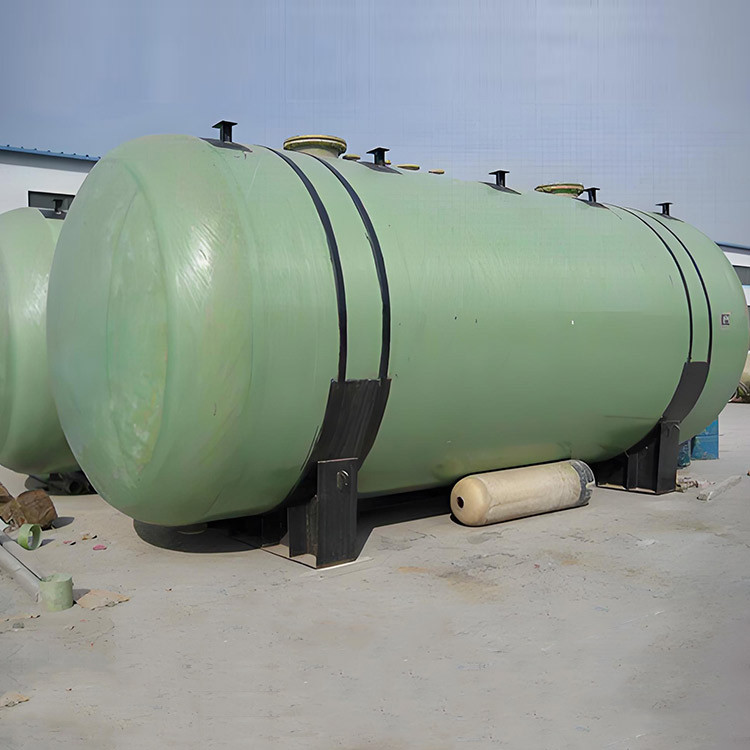


1. The glass fiber reinforced plastic container structure consists of a corrosion and leakage-proof inner lining layer, an enhanced structural layer, and an anti-aging outer layer. It ensures both excellent resistance to medium corrosion and sufficient physical and mechanical properties to meet storage requirements. Utilizing high-tension glass fiber, multi-layer, multi-angle wrapping, and encapsulated heads, it meets the storage, transfer, and production needs for organic, inorganic solvents, and mediums with chemical or electrochemical corrosiveness. It also satisfies the requirements for transferring, transporting, and static electricity elimination of non-electrolyte fluids, as well as the mechanical requirements for resistance to various types of support shearing and burial loads.
2. High design flexibility and superior tank wall structural performance. The fiber-reinforced glass fiber can adjust the physical and chemical properties of the tank by altering the resin system or reinforcing materials, to accommodate various media and working conditions. The tank's load-bearing capacity is adjusted through the design of structural layer thickness, winding angle, and wall thickness, to cater to different pressure grades, volume sizes, and the specific performance requirements of glass fiber reinforced plastic tanks, which is unmatched by anisotropic metallic materials.
3. Corrosion-resistant, leak-proof, and weather-resistant. Glass fiber has unique corrosion resistance, demonstrating unparalleled superiority over other materials when storing corrosive media. It can withstand various acids, alkalis, salts, and organic solvents.
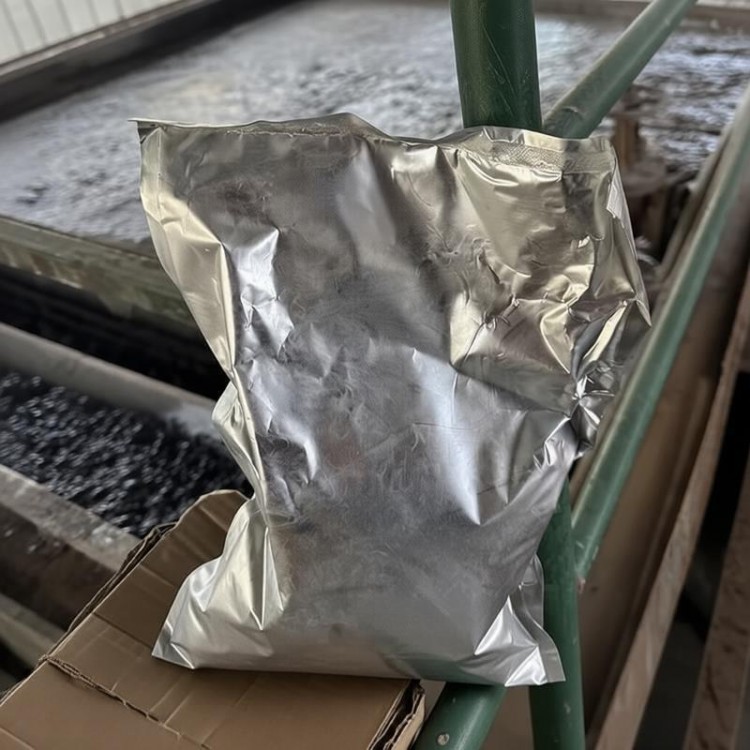
4. Possesses excellent mechanical and physical properties. The material density of glass steel storage tank products ranges between 1.8~2.1 g/cm3, approximately 1/4~1/5 of steel. It is formed using glass fiber wrapping with diameters of 7~17μ, which reduces the presence rate of micro-cracks in the fibers, achieving equal strength. This forming method allows for a high fiber content of up to 80%, with a higher specific strength than steel, cast iron, and plastics. The coefficient of thermal expansion is roughly equivalent to that of steel, while the thermal conductivity is only 0.5% of steel.
5. Long lifespan with low maintenance costs.